


FLUORESCENT MICROSPHERE SUPPLIER
Fluorescent Microspheres for Bioassay, Diagnostics and Research Applications


High Fluorescence Brightness
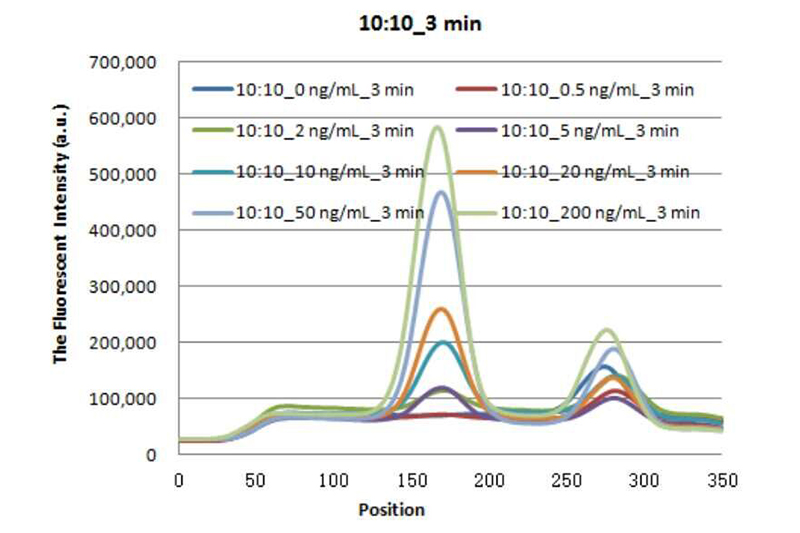
Embedded fluorescent dyes generate intense and stable fluorescence signals, improving assay sensitivity and detection accuracy.
Excellent Batch-to-Batch Consistency
Advanced polymerization technology ensures:
Uniform particle size
Consistent fluorescence intensity
Stable performance between production batches
Ideal for commercial IVD manufacturing.
Superior Chemical Stability
Resistant to photobleaching
Excellent thermal stability
Stable during long-term storage
Low fluorescence attenuation
High Sensitivity & Low Background
Our fluorescent microspheres deliver:
Strong signal intensity
Low nonspecific adsorption
High signal-to-noise ratio
Accurate quantitative analysis
Perfect for ultra-sensitive diagnostic assays.
Excellent Surface Functionalization
Available surface chemistries include:
Carboxyl (-COOH) Amino (-NH₂)
Streptavidin Epoxy
Tosyl Custom functional groups
Supports efficient coupling of:
Antibodies Antigens
Proteins Peptides
DNA/RNA probes Aptamers
Broad Instrument Compatibility
Compatible with most commercial fluorescence instruments including:
Fluorescence readers
Flow cytometers
Fluorescence microscopes
Immunofluorescence analyzers
Lateral Flow readers
Laser detection systems
OEM & Custom Manufacturing
We provide complete customization services including:
Particle size (20 nm–100 μm)
Fluorescence color
Excitation/Emission wavelength
Surface functional groups
Solid content Buffer system
Concentration Packaging specification
OEM and ODM services are available for IVD manufacturers worldwide.
| Parameter | Specification |
| Material | Fluorescent Polystyrene Microspheres (Latex Beads) |
| Surface Functional Groups | Carboxyl (-COOH), Non-functionalized, Custom Functional Groups Available |
| Particle Size Range | 20 nm – 100 μm |
| Standard Particle Sizes | Multiple standard particle sizes available; please refer to individual product specifications. |
| Fluorescent Colors | Blue, Green, Yellow, Orange, Purple, Red and Dual-color Fluorescent Microspheres |
| Fluorescence Labeling Method | Internal dye incorporation technology for enhanced photostability and reduced dye leakage |
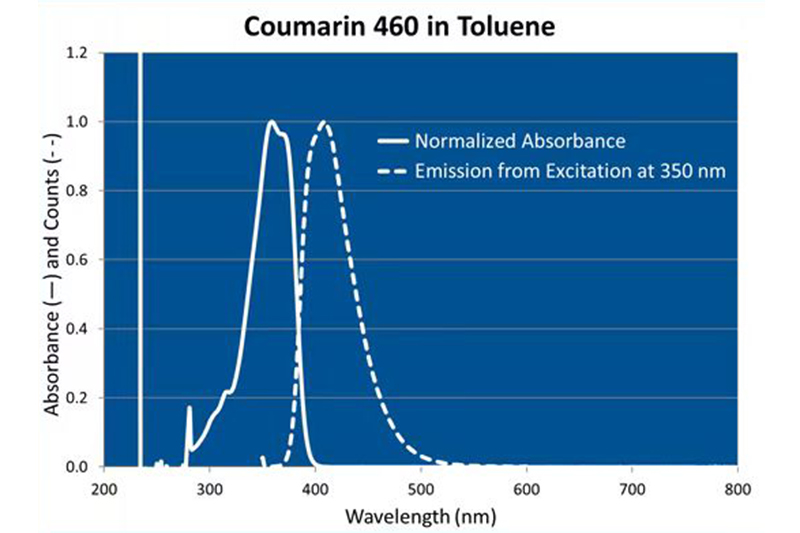
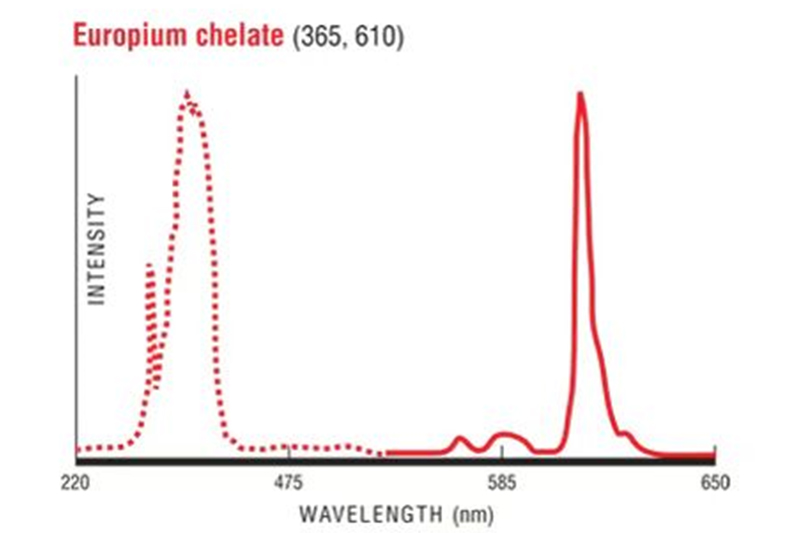
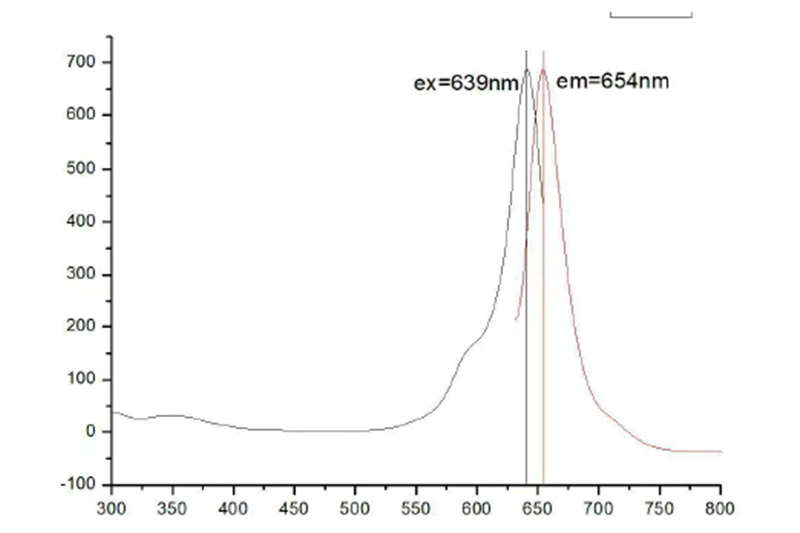
| Excitation / Emission | Blue: Ex 405 nm / Em 460 nm Green: Ex 470/488 nm / Em 525 nm Yellow: Ex 465 nm / Em 510 nm Orange: Ex 465 nm / Em 585 nm Purple: Ex 545 nm / Em 615 nm Red: Ex 535 nm / Em 610 nm Far-Red: Ex 635 nm / Em 665–720 nm Dual-Color: Ex 488/633 nm / Em 530/670 nm |
| Particle Uniformity | CV < 3% (standard products); CV < 5% (selected products) |
| Solid Content | Typical solid content: 1%; other concentrations available depending on product type |
| Density | 1.05 g/cm³ |
| Refractive Index | 1.59 @589 nm, 25℃ |
| Carboxyl Content | Varies by particle size and product series; please refer to the individual product specification. |
| Dispersion Medium | Deionized Water with trace surfactant |
| Storage Condition | 2–8℃, protected from light, avoid freezing |
| Shelf Life | Shelf life varies by product specification and storage conditions. |
| Applications | Lateral Flow Assays, Immunoassays, Flow Cytometry, Cell Labeling, Bioimaging, Diagnostic Testing |
| Product Type | Particle Size | Functional Group | Fluorescence | Typical Applications |
| Blue Fluorescent Microspheres | Refer to product specification | Carboxyl (-COOH) | Ex 405 nm / Em 460 nm | Immunoassays, fluorescence imaging |
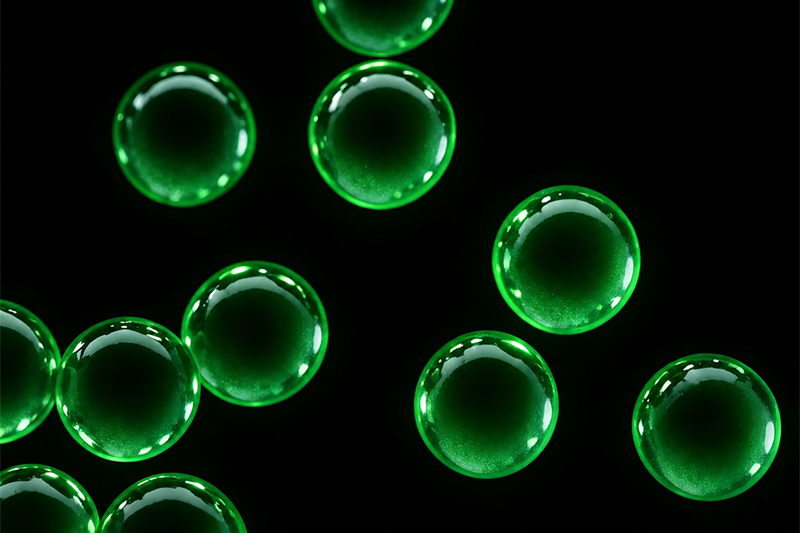
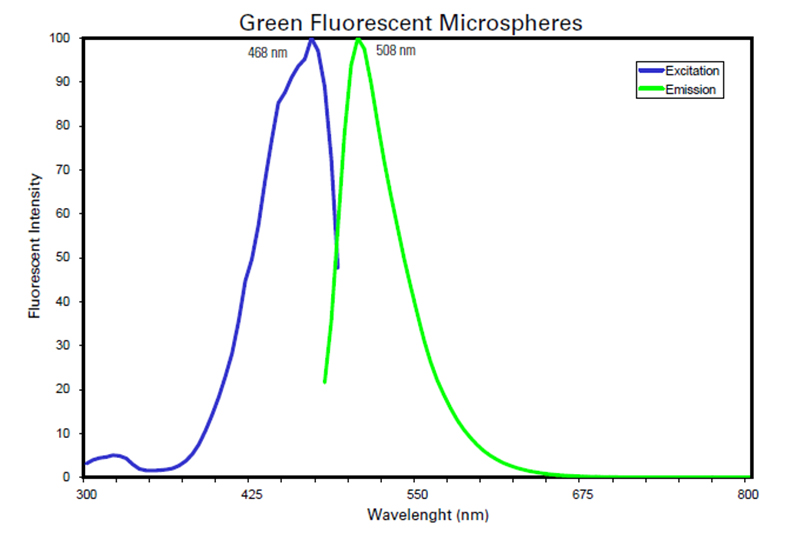
| Green Fluorescent Microspheres | 30 nm – 100 μm | Carboxyl (-COOH) | Ex 470/488 nm / Em 525 nm | Lateral flow assays, fluorescence labeling, bioimaging |
| Yellow Fluorescent Microspheres | 200 – 400 nm | Carboxyl (-COOH) | Ex 465 nm / Em 510 nm | Fluorescent assays, labeling, particle tracking |
| Orange Fluorescent Microspheres | 200 – 400 nm | Carboxyl (-COOH) | Ex 465 nm / Em 585 nm | Fluorescent assays, labeling, imaging |
| Purple Fluorescent Microspheres | 200 – 400 nm | Carboxyl (-COOH) | Ex 545 nm / Em 615 nm | Fluorescent assays, labeling, imaging |
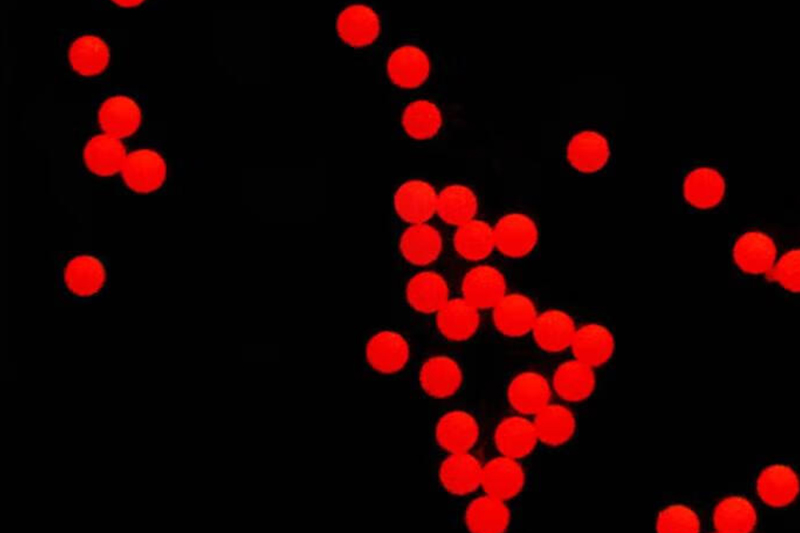
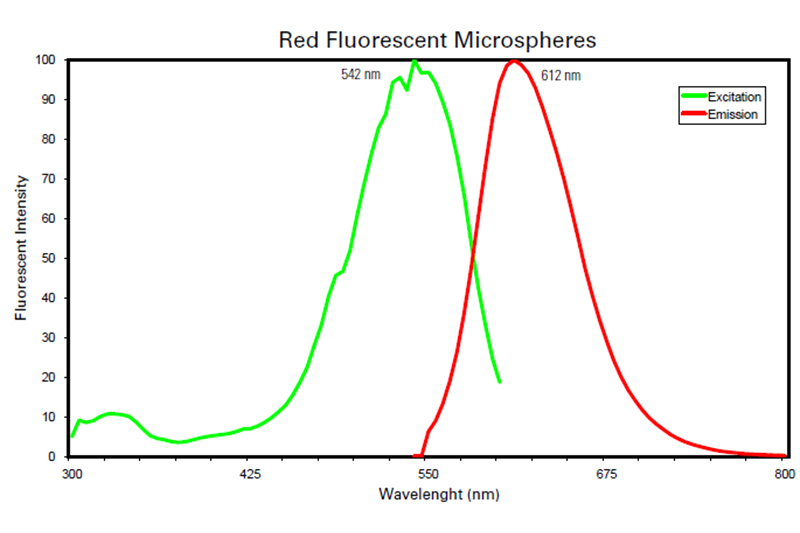
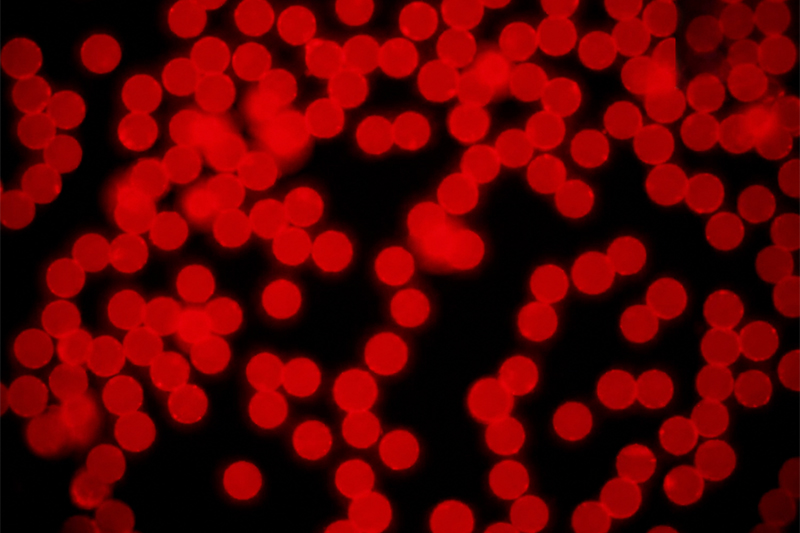
| Red Fluorescent Microspheres | 30 nm – 100 μm | Carboxyl (-COOH) | Ex 535 nm / Em 610 nm | Quantitative diagnostics, bio-labeling, fluorescent assays |
| Dual-color Fluorescent Microspheres | Refer to product specification | Carboxyl (-COOH) | Ex 488/633 nm / Em 530/670 nm | Flow cytometry calibration, dual-channel detection |
| Fluorescent Counting Microspheres | Refer to product specification | Non-functionalized | Refer to product specification | Absolute cell counting by flow cytometry |
INDUSTRIES WE SERVED
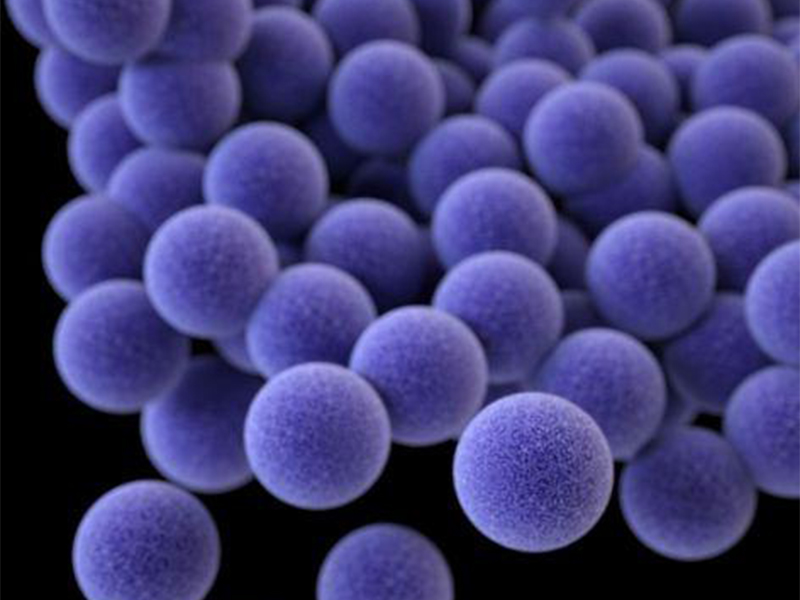
Wide fluorescent microspheres size range for diverse applications
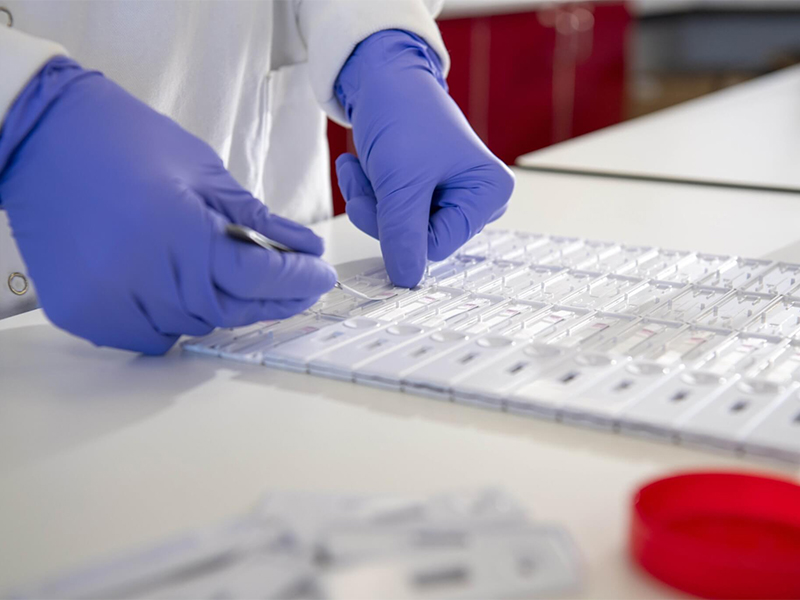
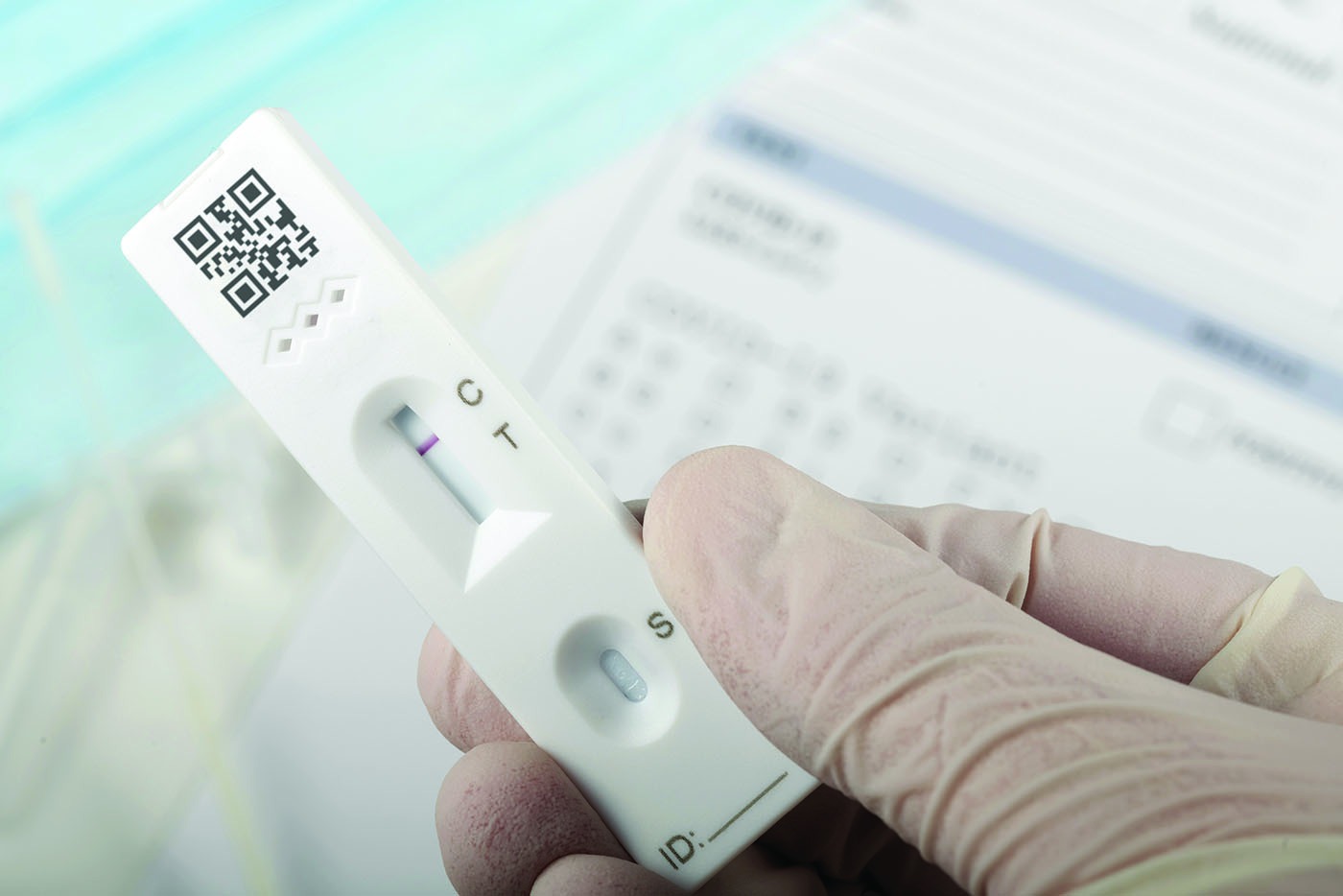
Lateral Flow Immunoassay (LFIA)
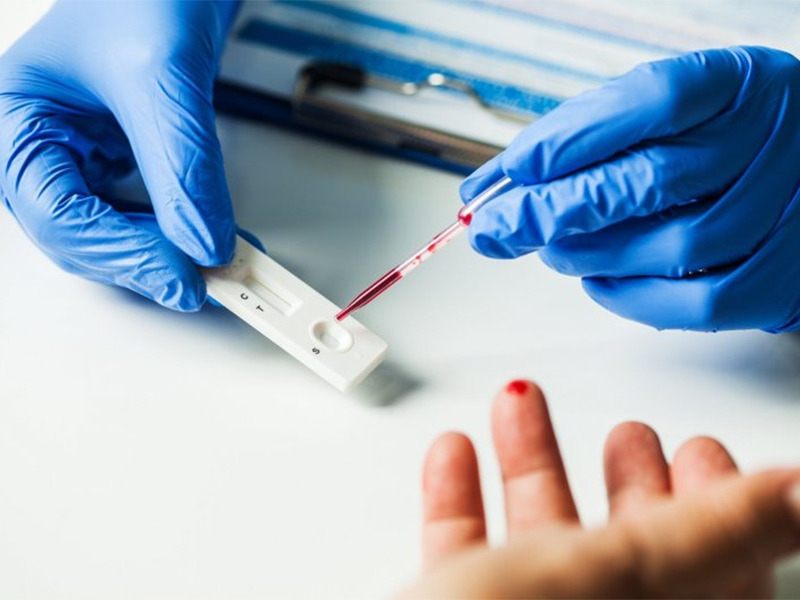
POCT Diagnostics
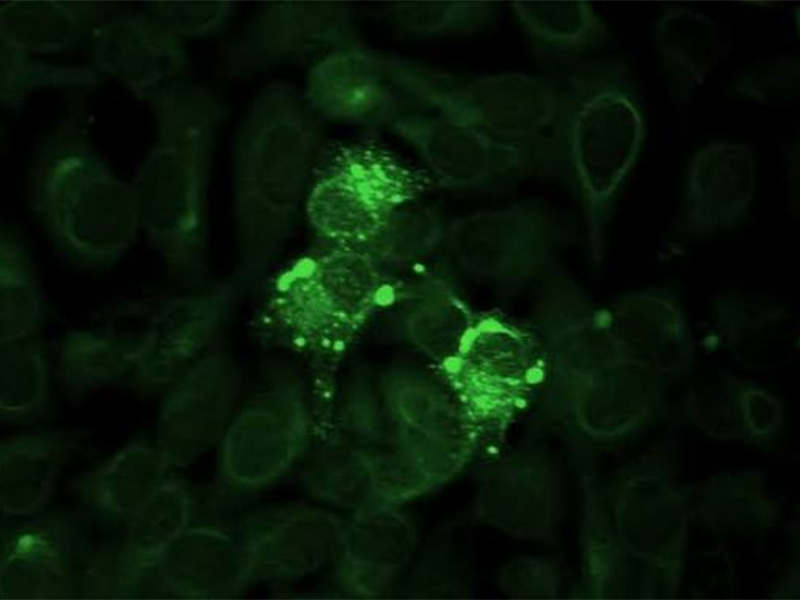
Immunofluorescence Assays
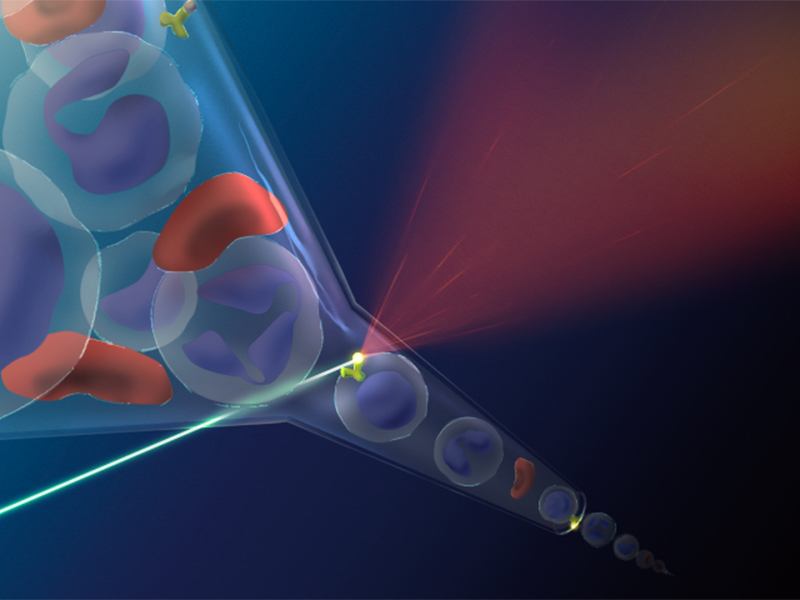
Flow Cytometry
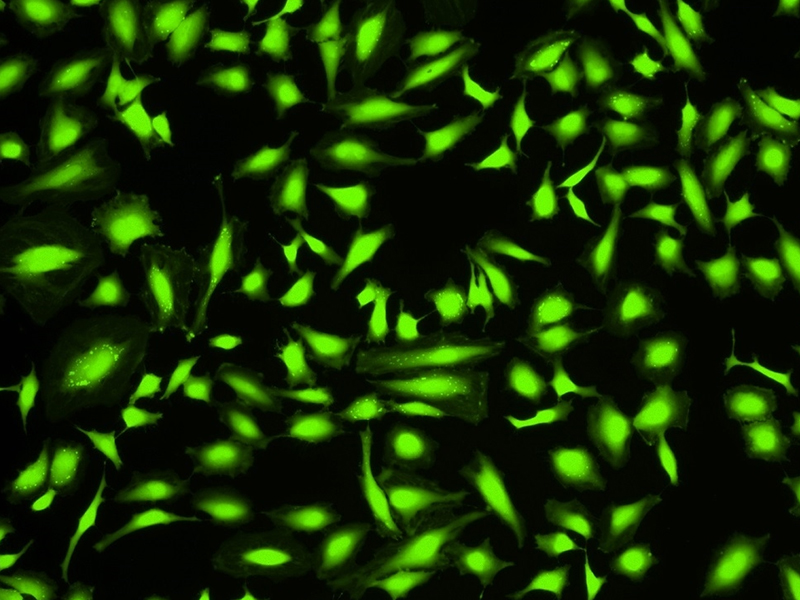
Cell Labeling & Cell Tracking
Fluorescence Microscopy
Multiplex Bioassays

Clinical Diagnostics

Life Science Research
Molecular Diagnostics
Drug Discovery

Biotechnology Research
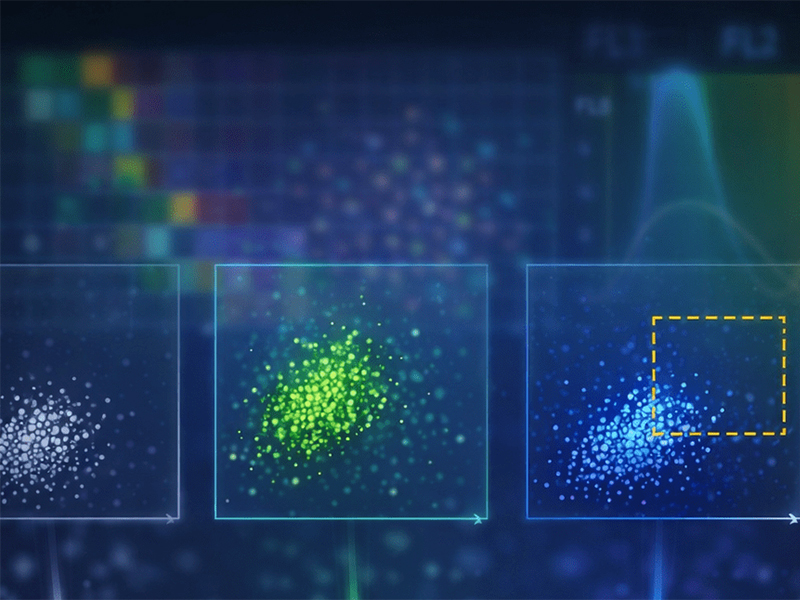
Quality Control & Calibration


Why choose SHBC as your fluorescent microspheres manufacturer?
SHBC supplies fluorescent microspheres for immunoassays, flow cytometry, bioimaging and diagnostic research, with support for standard products, custom specifications, OEM/ODM and scale-up production.
B2B customers can shop with confidence:
Bulk supply, laboratory-grade quality
International Standards:
ISO 9001, ROHS/REACH Compliance
Customization Options:
Particle size, concentration, and surface chemistry can be customized
Fast Delivery:
We can handle both small-batch trials and large-scale production.
Looking for a reliable fluorescent microspheres supplier?
Partner with a trusted manufacturer of high-quality fluorescent microspheres for diagnostic, research, and industrial applications. Whether you need standard products or application-specific solutions, our team is ready to help you find the right microspheres for your project.
-
What particle size range do your fluorescent microspheres support for lateral flow assay development?
Our fluorescent microspheres are available from 20 nm to 100 μm, suitable for different lateral flow, POCT, flow cytometry, labeling, and calibration applications. Custom particle size, surface group, solid content, and packaging are available for R&D and production customers.
-
Why are internally dyed fluorescent microspheres better for high-sensitivity lateral flow tests?
The fluorescent dye is embedded inside the microspheres, not only coated on the surface. This helps provide stronger signal, better fluorescence stability, lower dye leakage risk, and more reliable quantitative results when used with fluorescence readers.
-
Which excitation and emission wavelengths are available for red fluorescent microspheres?
Red fluorescent microspheres are available with Ex 535 nm / Em 610 nm, Ex 635 nm / Em 680 nm, and Gaussian distribution type Ex 580 nm / Em 610 nm. The 610 nm emission type can also be excited by 594 nm depending on the instrument system.
-
Can your green and blue fluorescent microspheres match common fluorescence instruments?
Yes. Green fluorescent microspheres support 470/488 nm excitation and 525 nm emission, compatible with many FITC channels. Blue fluorescent microspheres support 366 nm excitation and 460 nm emission, suitable for UV excitation systems, labeling, and calibration use.
-
What are the advantages of rare earth time-resolved fluorescent microspheres for POCT?
Rare earth time-resolved fluorescent microspheres use 360–365 nm UV excitation and 615 nm emission. They offer low background interference, high signal stability, and excellent sensitivity, making them ideal for quantitative lateral flow and ultra-sensitive POCT assays.
-
Are these fluorescent microspheres suitable for commercial IVD kit production?
Yes. The microspheres are designed for lateral flow medical diagnostics, with strong fluorescence intensity, stable performance, and good batch consistency. They are suitable for R&D screening, process optimization, pilot scale, and commercial IVD kit production.
-
Can the fluorescent microspheres be used for quantitative detection instead of visual color reading?
Yes. Compared with traditional visual detection, fluorescent microspheres can be read by fluorescence analyzers to generate measurable signal values. This helps improve sensitivity, reduce subjective reading errors, and support more accurate quantitative analysis.
-
What surface functional groups can be customized for antibody or protein coupling?
We can provide different surface modifications according to assay needs, such as carboxyl, amino, streptavidin, epoxy, tosyl, and other functional groups. These options help support antibody, antigen, protein, peptide, nucleic acid, and biomolecule coupling.
-
How do you help customers choose the right fluorescent microspheres for their assay?
We recommend products based on your detection platform, excitation source, emission channel, target sensitivity, particle size requirement, coupling method, and sample type. For lateral flow assays, we can help select suitable red, green, blue, or time-resolved fluorescent microspheres.
-
Do you support OEM custcustomization for biotechnology companies and diagnostic manufacturers?
Yes. We support OEM and customized production, including particle size, fluorescence color, excitation/emission wavelength, surface group, concentration, buffer system, packaging volume, and labeling requirements. This helps customers build stable products from R&D to mass production.