


Products
SHBC provides colored microspheres, fluorescent microspheres, magnetic beads, silica microspheres, chromatography packing microspheres and biological reagents for diagnostic assay development, nucleic acid extraction, protein purification and separation applications.


-
MEP1UM-10
-
SHBC
-
5%
-
1µm
-
10ml,20ml,50ml ,500ml,1000ml
1µm Epoxy Magnetic Beads for Chemiluminescent Immunoassays
SHBC MEP1UM-10 Epoxy Magnetic Beads are 1µm magnetically responsive microspheres with epoxy-functional surfaces developed for covalent immobilization of antibodies, antigens, proteins, peptides, enzymes, lectins, haptens, and other biomolecules.
The product is supplied as a 5% solids suspension and is designed for chemiluminescent immunoassay development, chemiluminescent enzyme immunoassays, magnetic bead-based immunoassays, affinity capture, antibody immobilization, protein coupling, and automated reagent manufacturing.
The surface epoxy groups enable direct covalent coupling with suitable nucleophilic groups on biomolecules, particularly primary amines and sulfhydryl groups. A separate carbodiimide activation step is normally unnecessary, simplifying ligand immobilization and reducing the number of reagents required during magnetic reagent preparation.
Shanghai SanYu Biotechnology Co., Ltd. supports laboratory sample evaluation, coupling-process development, pilot production, repeated manufacturing, OEM projects, and enterprise bulk supply.
Quick Product Answer
MEP1UM-10 is a 1µm epoxy-functional magnetic bead suspension supplied at 5% solids. It is designed for covalent antibody, antigen, protein, peptide, and enzyme immobilization in chemiluminescent immunoassay, magnetic immunoassay, affinity capture, and automated reagent-development projects.
Product Highlights
Product name: 1µm Epoxy Magnetic Beads
Catalog number: MEP1UM-10
Brand: SHBC
Manufacturer: Shanghai SanYu Biotechnology Co., Ltd.
Nominal particle diameter: 1µm
Surface functionality: Epoxy
Solids content: 5%
Separation method: Magnetic separation
Coupling mode: Direct covalent ligand immobilization
Typical reactive ligand groups: Primary amines and sulfhydryl groups
Primary application: Chemiluminescent immunoassay development
Supply capability: Samples, pilot batches, and bulk manufacturing
Customization: Available according to technical feasibility
Intended use: Research use only
What Are MEP1UM-10 Epoxy Magnetic Beads?
MEP1UM-10 consists of 1µm magnetic microspheres carrying reactive epoxy groups on the outer surface.
The epoxy functionality provides a direct route for covalent ligand immobilization. Antibodies, antigens, proteins, peptides, enzymes, and other suitable biomolecules can be coupled to the beads through nucleophilic groups present in the ligand.
After coupling, the magnetic bead–ligand conjugate can be used as a solid phase for capturing target analytes from biological samples.
A typical immunoassay configuration may be represented as:
Epoxy Magnetic Bead – Capture Antibody – Target Analyte – Labeled Detection Antibody
The detection label may generate a chemiluminescent signal directly or through an enzyme-catalyzed substrate reaction.
Potential product-development uses include:
Chemiluminescent immunoassays
Chemiluminescent enzyme immunoassays
Magnetic sandwich immunoassays
Competitive immunoassays
Antibody immobilization
Antigen immobilization
Peptide immobilization
Enzyme immobilization
Affinity capture
Biomarker detection
Protein interaction analysis
Automated magnetic washing systems
The 1µm particle size provides a large number of particles per unit mass and a high collective surface area compared with larger micron-sized magnetic beads.
This can be beneficial when an assay requires:
Rapid binding kinetics
Numerous independent capture surfaces
Efficient suspension mixing
High event frequency
Low bead consumption per test
Compatibility with compact automated reaction systems
MEP1UM-10 is supplied as a raw material for research and reagent development. It is not a finished diagnostic kit or independently validated clinical reagent.
MEP1UM-10 Technical Specifications
Parameter | Specification |
|---|---|
Product name | 1µm Epoxy Magnetic Beads |
Catalog number | MEP1UM-10 |
Brand | SHBC |
Manufacturer | Shanghai SanYu Biotechnology Co., Ltd. |
Nominal particle diameter | 1µm |
Surface functional group | Epoxy |
Solids content | 5% |
Physical form | Magnetic bead suspension |
Separation method | External magnetic field |
Recommended coupling targets | Antibodies, proteins, peptides and enzymes |
Primary application | Chemiluminescent immunoassay development |
Supply format | Samples, pilot batches and bulk quantities |
Intended use | Research use only |
The following parameters should be confirmed using the final specification or lot-specific Certificate of Analysis:
Particle matrix
Magnetic material
Mean particle diameter
Particle-size distribution
Particle-size coefficient of variation
Particle morphology
Epoxy-group density
Magnetic content
Magnetic response time
Residual magnetism
Ligand-coupling capacity
Particle-number concentration
Suspension buffer
Buffer pH
Stabilizer or surfactant
Preservative
Package size
Shelf life
Storage conditions
The 5% solids concentration alone cannot determine the number of beads per milliliter, epoxy-group density, antibody-loading capacity, or magnetic separation time.
These values should be based on actual SHBC testing and lot-specific documentation.
How Epoxy Surface Coupling Works
Epoxy groups can react with suitable nucleophilic groups on biomolecules to form stable covalent bonds.
Common reactive groups on biological ligands include:
Primary amino groups
Sulfhydryl groups
Selected hydroxyl groups under appropriate conditions
Primary amino groups may be present on:
Lysine side chains
Protein N-termini
Peptide N-termini
Amino-modified oligonucleotides
Amino-modified synthetic ligands
Sulfhydryl groups may be present on:
Cysteine residues
Reduced antibody fragments
Thiol-modified peptides
Thiol-modified oligonucleotides
Synthetic thiol-containing ligands
General Coupling Structure
A simplified coupling structure may be represented as:
Magnetic Bead – Epoxy Group + Ligand Nucleophile → Covalently Coupled Ligand
No EDC/NHS activation is normally required because the bead surface is already reactive.
Factors Affecting Epoxy Coupling
Coupling performance may be influenced by:
Ligand type
Ligand molecular weight
Available amino or thiol groups
Ligand concentration
Bead concentration
Epoxy-group density
Buffer composition
Buffer pH
Salt concentration
Incubation temperature
Incubation time
Mixing method
Ligand stability
Surface crowding
The best coupling conditions should be optimized using the actual antibody, antigen, protein, peptide, or enzyme.
Random and Site-Directed Coupling
Coupling through naturally occurring amino groups generally creates a random ligand orientation.
Random coupling is convenient but may place some antigen-binding sites close to the bead surface.
More controlled orientation may be investigated by:
Introducing a defined thiol group
Using an antibody fragment with an accessible cysteine
Adding a spacer arm
Using an adapter protein
Optimizing ligand loading
Comparing different coupling pH values
The selected strategy should balance coupling efficiency, ligand activity, assay sensitivity, and manufacturing reproducibility.
Why Choose 1µm Epoxy Magnetic Beads?
Direct Covalent Coupling
The epoxy surface allows biomolecules to be immobilized without first activating the magnetic beads with carbodiimide reagents.
This can simplify manufacturing by reducing:
Activation steps
Activation reagents
Intermediate washing
Process variability
Time between activation and coupling
Stable Ligand Immobilization
Covalent attachment can reduce ligand loss during:
Washing
Storage
Sample incubation
Repeated magnetic separation
Automated reagent processing
This is important for chemiluminescent immunoassays, where unstable capture-ligand attachment may reduce signal consistency and shelf life.
High Collective Surface Area
At the same mass concentration, 1µm particles provide more individual beads and more collective surface area than larger particles made from similar materials.
This may support:
Rapid target capture
Efficient mixing
Increased interaction frequency
High bead counts per reaction
Small reaction volumes
Automated assay miniaturization
Rapid Magnetic Processing
Magnetic beads enable the solid phase to be collected using an external magnetic field.
This supports:
Automated washing
Removal of unbound sample components
Separation of bound and free reagents
Buffer exchange
Reagent concentration
Repeated incubation cycles
Actual magnetic separation time depends on the magnetic content, bead concentration, sample volume, viscosity, vessel geometry, and magnet design.
Suitable for CLIA Automation
The small particle size and magnetic separation format may support automated chemiluminescent immunoassay workflows involving:
Reagent aspiration
Bead dispensing
Sample incubation
Magnetic capture
Automated washing
Reporter incubation
Substrate addition
Luminescence measurement
Automation compatibility must be confirmed on the intended instrument.
Flexible Ligand Selection
The epoxy surface may be used with a broad range of suitable ligands, including antibodies, antigens, proteins, peptides, enzymes, lectins, and amino- or thiol-modified molecules.
Key Features and Benefits
1µm Nominal Particle Diameter
The small micron-sized beads provide a high particle number and large collective reaction surface.
Epoxy-Functional Surface
The reactive surface supports direct covalent immobilization of suitable biomolecules.
5% Solids Suspension
The supplied concentration supports laboratory dilution, pilot-process development, and production-scale reagent preparation.
Magnetic Separation
The beads can be collected and washed using an appropriate magnetic separator.
Stable Antibody and Protein Coupling
Covalent ligand immobilization can support repeated washing and long-term reagent-development studies.
Suitable for Automated Assays
MEP1UM-10 may be evaluated in manual, semi-automated, and fully automated magnetic immunoassay workflows.
Broad Biomolecule Compatibility
Potential coupling targets include antibodies, antigens, proteins, peptides, enzymes, lectins, and modified nucleic acid probes.
Research-to-Manufacturing Supply
SHBC supports sample testing, pilot production, repeated orders, OEM cooperation, and bulk manufacturing.
Custom Development Support
Particle size, magnetic response, epoxy density, solids concentration, buffer, preservative, packaging, and quality-control specifications may be discussed for qualified projects.
Applications in CLIA and Immunoassay Development
Chemiluminescent Sandwich Immunoassays
MEP1UM-10 may be used as a magnetic solid phase in sandwich immunoassays.
A typical format includes:
Coupling a capture antibody to the epoxy magnetic beads.
Blocking or quenching remaining reactive sites.
Incubating the beads with the test sample.
Capturing the target antigen.
Adding a labeled detection antibody.
Magnetically separating the bead complexes.
Washing away unbound reagents.
Adding a chemiluminescent substrate.
Measuring the emitted light.
Potential research targets include:
Hormones
Cytokines
Tumor-associated biomarkers
Cardiac biomarkers
Inflammatory markers
Infectious-disease antigens
Autoantibodies
Therapeutic-drug targets
Veterinary biomarkers
Food-safety analytes
Environmental analytes
Chemiluminescent Enzyme Immunoassays
The detection antibody may carry an enzyme label such as an appropriate peroxidase or phosphatase system.
After magnetic washing, the corresponding chemiluminescent substrate can be added and measured using a compatible analyzer.
The enzyme, substrate, signal kinetics, incubation time, and measurement window must be optimized together.
Competitive Immunoassays
MEP1UM-10 may be used in competitive assay formats for:
Small molecules
Drugs
Haptens
Hormones
Metabolites
Toxins
Peptides
Targets with one accessible epitope
The measured signal may increase or decrease with target concentration depending on the assay design.
Antigen-Coated Magnetic Beads
Antigens or recombinant proteins may be coupled to the beads for:
Antibody detection
Serological assay development
Autoantibody research
Vaccine-response studies
Antibody-screening projects
Hybridoma screening
Binding-specificity studies
Peptide and Hapten Immobilization
Epoxy magnetic beads may be suitable for immobilizing small antigens, peptides, or haptens when suitable reactive groups are available.
Potential applications include:
Epitope-specific antibody detection
Competitive assays
Drug monitoring
Toxin detection
Small-molecule research
Antibody-specificity studies
Enzyme Immobilization
Functional enzymes may be coupled to the magnetic beads for:
Enzyme activity assays
Biosensor development
Biocatalysis research
Reporter-system development
Reusable magnetic enzyme systems
The coupling process must preserve sufficient enzyme activity.
Affinity Capture and Protein Research
MEP1UM-10 may also be evaluated for:
Immunoprecipitation
Protein complex capture
Antibody purification research
Antigen enrichment
Ligand-binding studies
Biomolecule separation
Protein interaction analysis
Biomolecules Suitable for Epoxy Coupling
Antibodies
Potential formats include:
Monoclonal antibodies
Polyclonal antibodies
Full-length IgG
IgM
Fab fragments
F(ab′)₂ fragments
Recombinant antibodies
Single-domain antibodies
Engineered antibody formats
Antigens and Recombinant Proteins
Potential ligands include:
Recombinant antigens
Viral proteins
Bacterial proteins
Tumor-associated proteins
Hormones
Cytokines
Enzymes
Receptors
Fusion proteins
Peptides
Peptides may be coupled through suitable amino or thiol groups.
Applications may include:
Epitope mapping
Antibody screening
Competitive assays
Small-antigen presentation
Receptor-binding studies
Enzymes
Enzymes may be immobilized for downstream activity or detection applications.
Evaluate enzyme activity before and after coupling.
Lectins and Carbohydrate-Binding Proteins
Lectins may be immobilized for:
Glycoprotein capture
Cell-surface carbohydrate studies
Glycan analysis
Affinity enrichment
Modified Oligonucleotides
Amino- or thiol-modified oligonucleotides may be evaluated for coupling when the modification and reaction conditions are compatible with the epoxy surface.
Recommended Ligand Coupling Workflow
The following workflow is a general development starting point. Final conditions must be optimized using the actual MEP1UM-10 specification and selected biomolecule.
1. Resuspend the Magnetic Beads
Allow the product to reach the recommended handling temperature.
Mix by gentle inversion or controlled vortexing until the suspension is homogeneous.
Do not rely on visual appearance alone to confirm complete redispersion.
2. Transfer the Required Bead Quantity
Calculate the amount required according to:
Number of tests
Bead mass per test
Assay volume
Expected target concentration
Desired capture capacity
Number of washes
Expected process loss
Use clean, low-binding tubes and pipette tips.
3. Magnetically Separate the Beads
Place the tube in a compatible magnetic separator.
Allow the beads to collect until the supernatant becomes sufficiently clear.
Remove the supernatant without disturbing the magnetic bead pellet.
4. Wash the Beads
Wash the beads with the selected coupling buffer.
The coupling buffer should be compatible with:
Epoxy chemistry
Ligand stability
Required pH
Required salt concentration
Downstream assay performance
Avoid buffers containing high concentrations of free amines or thiols during the coupling step because these substances may compete with the ligand for epoxy groups.
5. Prepare the Ligand
Prepare the antibody, antigen, protein, peptide, or enzyme in a compatible buffer.
Evaluate:
Ligand concentration
Ligand purity
Protein aggregation
Available reactive groups
Buffer additives
Stabilizers
Reducing agents
Preservatives
Ligand stability
6. Add the Ligand to the Beads
Combine the washed beads with the selected ligand.
Maintain gentle mixing to keep the 1µm beads uniformly suspended.
7. Optimize the Coupling Reaction
Evaluate:
Bead concentration
Ligand concentration
Ligand-to-bead ratio
Buffer pH
Salt concentration
Incubation time
Incubation temperature
Mixing speed
Total reaction volume
Epoxy coupling may require a longer incubation than adsorption-based coating methods.
The best condition is the one that provides adequate ligand loading while preserving biological activity.
8. Magnetically Wash the Coupled Beads
After coupling, magnetically separate the beads and remove unbound ligand.
Wash the particles using a suitable post-coupling buffer.
Collect the supernatants when coupling efficiency will be evaluated by protein mass balance.
9. Quench Remaining Reactive Groups
Unreacted epoxy groups may be quenched using an application-compatible reagent.
The quenching reagent and conditions must be selected according to:
Remaining epoxy activity
Assay requirements
Ligand stability
Background signal
Storage stability
10. Block and Formulate the Beads
A blocking or stabilization step may be evaluated to reduce non-specific adsorption and improve reagent stability.
Possible formulation components may include:
Protein blockers
Synthetic blocking polymers
Compatible surfactants
Sugars
Salts
Preservatives
Buffering agents
Final formulation should be optimized for the chemiluminescent assay.
Chemiluminescent Immunoassay Development Workflow
1. Prepare Capture-Antibody Magnetic Beads
Couple the selected capture antibody to MEP1UM-10.
Wash, quench, block, and formulate the conjugated beads.
2. Prepare Controls
Recommended controls may include:
Assay-buffer blank
Uncoupled epoxy magnetic beads
Quenched beads without capture antibody
Negative sample
Positive sample
Detection-antibody-only control
Substrate blank
Non-relevant antibody-coated beads
High-concentration interference control
3. Add the Test Sample
Combine the antibody-coated magnetic beads with the sample.
Optimize:
Bead concentration
Bead mass per test
Sample volume
Sample dilution
Incubation time
Incubation temperature
Mixing method
Target concentration range
4. Magnetically Separate and Wash
Capture the beads with an appropriate magnetic field.
Remove unbound sample components and wash the beads using a validated wash program.
5. Add the Detection Reagent
Add the labeled detection antibody or reporter conjugate.
Optimize:
Reporter concentration
Incubation time
Incubation temperature
Mixing
Assay sequence
Wash conditions
6. Perform Final Magnetic Washing
Remove unbound reporter thoroughly.
Residual reporter may increase background luminescence.
7. Add the Chemiluminescent Substrate
Add the selected substrate according to the detection-label system.
Control:
Substrate volume
Mixing
Incubation time
Measurement delay
Temperature
Signal integration time
8. Measure the Signal
Possible analytical outputs include:
Relative light units
Signal-to-background ratio
Dose-response curve
Assay sensitivity
Detection-limit research
Precision
Recovery
Linearity
Specificity
Cross-reactivity
9. Establish the Calibration Model
Use appropriate calibrators and controls to establish the relationship between analyte concentration and luminescent signal.
MEP1UM-10 itself is a raw magnetic solid phase and is not an assigned assay calibrator.
Magnetic Separation and Automated Washing
Magnetic Response
Magnetic response determines how rapidly the beads can be collected during washing.
Important variables include:
Magnetic material content
Particle diameter
Bead concentration
Sample viscosity
Vessel shape
Liquid height
Magnet strength
Magnet position
Separation time
Automated Analyzer Compatibility
For automated immunoassay development, evaluate:
Bead aspiration
Dispensing accuracy
Suspension homogeneity
Magnetic capture time
Residual bead loss
Wash efficiency
Carryover
Mixing performance
Reagent stability
Cuvette or reaction-cup compatibility
Bead Resuspension
After magnetic capture, the beads must redisperse consistently.
Poor redispersion can cause:
Variable bead counts
Reduced target capture
Broad assay variation
Incomplete washing
Bead carryover
Instrument blockage
Evaluate resuspension using the actual analyzer mixing system.
Wash Optimization
A suitable wash program should remove unbound reagents while minimizing bead loss.
Evaluate:
Number of washes
Wash volume
Wash-buffer composition
Magnet time
Aspiration position
Residual liquid volume
Resuspension time
Mixing strength
Blocking and Non-Specific Binding Control
High non-specific binding can increase background chemiluminescence and reduce assay sensitivity.
Potential causes include:
Unreacted epoxy groups
Excess capture antibody
Inadequate quenching
Inadequate blocking
Excess detection antibody
Hydrophobic interactions
Protein aggregation
Incomplete washing
Incompatible buffer
Sample-matrix interference
Optimize Quenching
Remaining epoxy groups should be quenched using an application-compatible method.
Evaluate background before and after quenching.
Screen Blocking Reagents
Potential blockers may include:
Bovine serum albumin
Casein
Fish gelatin
Non-immune immunoglobulin
Synthetic polymers
Commercial immunoassay blockers
The selected blocker should reduce background without reducing target-specific signal.
Titrate Capture Antibody
Excessive antibody loading may cause:
Steric crowding
Reduced antigen accessibility
Increased reagent consumption
Higher non-specific adsorption
Poorer batch reproducibility
Titrate Detection Antibody
An excessive detection-antibody concentration may increase background luminescence.
Evaluate several concentrations using positive and negative samples.
Optimize Wash Buffer
Consider:
Buffer pH
Ionic strength
Detergent level
Protein content
Preservative
Sample-matrix compatibility
How to Evaluate Coupling Efficiency
Protein Mass Balance
Measure the ligand concentration before and after coupling.
A basic calculation may compare:
Initial ligand amount
Ligand remaining in the supernatant
Ligand detected in wash fractions
The difference provides an estimate of protein uptake.
Protein uptake does not automatically equal active ligand density.
Fluorescent Ligand Measurement
A fluorescently labeled portion of the ligand may be used to evaluate bead-associated fluorescence.
Controls should account for:
Free fluorescent ligand
Non-specific adsorption
Fluorescence quenching
Instrument linearity
Bead concentration
Functional Binding Assay
The most useful coupling measurement is often a functional assay.
For antibody-coated beads, evaluate:
Target-binding capacity
Signal-to-background ratio
Dose-response performance
Specificity
Recovery
Reproducibility
Surface-Reactive Group Testing
Epoxy-group density may be evaluated using an appropriate model nucleophile and validated analytical method.
Coupling Parameters to Record
Record:
Product lot number
Bead mass
Ligand identity
Ligand lot
Ligand concentration
Coupling buffer
pH
Salt concentration
Incubation time
Incubation temperature
Mixing method
Quenching conditions
Blocking formulation
Final storage buffer
Coupling-efficiency result
Functional assay result
Epoxy vs Carboxyl, Amino, Tosyl and Streptavidin Beads
Surface | Typical Coupling Mode | Main Advantage | Important Consideration |
|---|---|---|---|
Epoxy | Direct reaction with suitable amino or thiol groups | No separate carbodiimide activation normally required | Coupling conditions and orientation require optimization |
Carboxyl | EDC/NHS-mediated amide coupling | Widely used and flexible | Activation reagents and timing must be controlled |
Amino | Coupling through aldehyde, NHS ester or other chemistry | Multiple conjugation options | Additional crosslinking chemistry is usually required |
Tosyl | Covalent coupling with protein amino or thiol groups | Common for antibody and protein immobilization | Coupling may require long incubation and specific salt conditions |
Streptavidin | High-affinity binding of biotinylated ligands | Rapid and modular ligand loading | The ligand must be biotinylated and free biotin must be controlled |
Choose Epoxy Magnetic Beads When:
Direct covalent ligand immobilization is preferred.
The ligand contains suitable amino or thiol groups.
A stable magnetic conjugate is required.
Avoiding EDC/NHS activation is beneficial.
Antibodies, antigens, peptides or enzymes will be immobilized.
Automated chemiluminescent immunoassays are being developed.
Choose Carboxyl Magnetic Beads When:
A well-established EDC/NHS coupling process is available.
Amide-bond formation is preferred.
Activation and coupling can be tightly controlled.
Choose Streptavidin Magnetic Beads When:
The ligand is already biotinylated.
Rapid modular loading is required.
The capture ligand must be easily replaced.
The final surface should be selected through assay comparison rather than theoretical coupling capacity alone.
Quality Control and Batch Consistency
Potential quality-control parameters for MEP1UM-10 include:
Mean particle diameter
Particle-size distribution
Particle-size coefficient of variation
Particle morphology
Suspension appearance
Solids content
Epoxy-group density
Magnetic material content
Magnetic response time
Redispersion performance
Aggregate level
Ligand-coupling capacity
Functional antibody activity
Non-specific binding
Background chemiluminescence
Bead recovery
Automation performance
Microbial control
Packaging integrity
Storage stability
Lot-to-lot consistency
Particle-Size Quality Control
Particle-size testing may include:
Mean diameter
Median diameter
Size distribution
Coefficient of variation
Aggregate percentage
Microscopy or instrumental analysis
Magnetic Quality Control
Potential magnetic tests include:
Magnetic collection time
Percentage bead recovery
Residual beads in the supernatant
Redispersion after magnetic capture
Performance in different vessel geometries
Performance at different sample viscosities
Epoxy Functionality Testing
Surface functionality may be evaluated using:
Model amine-containing ligands
Model thiol-containing ligands
Fluorescent probes
Protein uptake
Functional antibody coupling
CLIA Functional Quality Control
A chemiluminescent assay model may evaluate:
Negative-sample background
Positive-sample signal
Signal-to-background ratio
Dose-response curve
Precision
Bead recovery
Wash efficiency
Automation repeatability
Lot-Specific Documentation
Available documentation may include:
Certificate of Analysis
Product specification
Particle-size results
Solids-content results
Magnetic-response results
Surface-functionality results
Coupling-capacity results
Safety Data Sheet
Handling instructions
Storage recommendations
Lot number
Production date
Required tests and acceptance limits should be agreed upon before bulk production.
Bulk Manufacturing and Customization
Shanghai SanYu Biotechnology Co., Ltd. supplies SHBC epoxy magnetic beads for laboratory research, immunoassay development, pilot manufacturing, repeated production, and enterprise bulk purchasing.
Research Sample Evaluation
Samples may be evaluated for:
Particle dispersion
Magnetic response
Antibody coupling
Protein coupling
Coupling efficiency
Ligand activity
Non-specific binding
CLIA background
Signal-to-background ratio
Automation compatibility
Pilot-Scale Development
Pilot batches may support:
Coupling-process optimization
Quenching and blocking studies
Stability studies
Magnetic wash-program development
Buffer selection
Preservative evaluation
Packaging evaluation
Quality-control development
Customer verification
Process transfer
Bulk Production
Bulk production can be arranged after technical requirements and release specifications have been confirmed.
Please provide:
Required quantity
Expected annual purchasing volume
Preferred package size
Intended CLIA or immunoassay application
Type of coupling ligand
Required coupling capacity
Required magnetic response
Required solids content
Buffer requirements
Preservative restrictions
Quality-control requirements
Documentation requirements
Delivery schedule
Delivery destination
Custom Particle Diameter
Alternative epoxy magnetic bead diameters may be discussed according to assay and automation requirements.
Custom Epoxy Density
Project-specific epoxy-group density or coupling-capacity targets may be evaluated.
Custom Magnetic Response
Magnetic material content and separation performance may be optimized according to technical feasibility.
Custom Solids Concentration
Alternative solids concentrations may be discussed for reagent formulation and automated dispensing.
Custom Buffer and Preservative
Customer-specific buffer, surfactant, stabilizer, and preservative systems may be evaluated through compatibility and stability testing.
OEM and Private-Label Supply
Cooperation options may include:
OEM manufacturing
Private-label packaging
Customer-specific catalog numbers
Customer-specific labels
Bulk raw material supply
Customized technical documents
Customer-specific release specifications
Handling and Storage Recommendations
Follow the final product label, technical data sheet, and lot-specific Certificate of Analysis.
General recommendations include:
Store under the specified refrigerated conditions.
Do not freeze unless freeze–thaw stability has been validated.
Keep the container tightly closed.
Store the vial upright.
Mix thoroughly before sampling.
Protect the suspension from contamination.
Use clean pipette tips and low-binding tubes.
Do not allow the magnetic beads to dry.
Avoid repeated unnecessary temperature changes.
Do not return diluted or used material to the original container.
Record the product lot number and opening date.
Resuspension
Magnetic beads may settle during storage.
Before use:
Allow the vial to reach the recommended handling temperature.
Gently invert the vial.
Apply controlled vortexing when necessary.
Confirm that the suspension is homogeneous.
Mix immediately before sampling.
Inspect for irreversible aggregates.
Avoid Drying
Do not allow the bead pellet to dry during magnetic washing.
Drying may cause:
Irreversible aggregation
Difficult redispersion
Reduced coupling activity
Increased non-specific binding
Poor automation performance
Avoid Freezing
Freezing may cause:
Particle aggregation
Changes in surface activity
Reduced magnetic recovery
Poor redispersion
Increased assay variation
Protect Reactive Beads from Competing Reagents
Before ligand coupling, avoid unnecessary exposure to buffers or additives containing reactive amines, thiols, or other nucleophiles that may consume epoxy groups.
Troubleshooting Guide
Low Antibody Coupling
Possible causes:
Low epoxy-group activity
Incompatible coupling buffer
Competing amines in the buffer
Insufficient antibody concentration
Short coupling time
Inadequate mixing
Protein aggregation
Poorly accessible reactive groups
Recommended actions:
Use an amine-free coupling buffer.
Verify antibody quality.
Increase ligand concentration gradually.
Extend coupling time.
Maintain uniform bead suspension.
Compare alternative pH and salt conditions.
Test a model ligand.
Low Antibody Activity After Coupling
Possible causes:
Random orientation
Excessive surface loading
Harsh pH
High temperature
Long incubation
Antibody aggregation
Binding-site modification
Recommended actions:
Reduce ligand loading.
Use milder coupling conditions.
Evaluate a spacer.
Investigate thiol-directed coupling.
Compare functional activity, not only protein uptake.
High Background Chemiluminescence
Possible causes:
Incomplete quenching
Inadequate blocking
Excess detection antibody
Insufficient magnetic washing
Non-specific sample adsorption
Bead aggregation
Incompatible wash buffer
Recommended actions:
Optimize the quenching step.
Compare multiple blockers.
Titrate the detection antibody.
Increase or improve magnetic washing.
Optimize detergent and salt levels.
Evaluate sample dilution.
Slow Magnetic Separation
Possible causes:
Weak magnet
Excessive liquid volume
High sample viscosity
Low magnetic content
Incorrect vessel geometry
Excessive bead aggregation
Magnet positioned too far from the sample
Recommended actions:
Use a stronger or optimized magnet.
Reduce liquid height.
Extend separation time.
Evaluate sample viscosity.
Validate the magnetic separator with MEP1UM-10.
Poor Bead Redispersion
Possible causes:
Bead pellet drying
Excessive magnetic capture time
Incompatible buffer
Insufficient surfactant
Protein-mediated aggregation
Excessive antibody loading
Recommended actions:
Do not allow the pellet to dry.
Reduce unnecessary magnet exposure.
Optimize the formulation.
Use controlled mixing.
Reduce ligand loading when appropriate.
High Lot-to-Lot Variation
Possible causes:
Variable bead quantity
Variable ligand quality
Inconsistent pH
Inconsistent salt concentration
Different coupling times
Inconsistent quenching
Different wash efficiency
Inconsistent magnetic separation
Recommended actions:
Standardize all raw materials and process steps.
Record critical process parameters.
Use acceptance limits for coupling efficiency and functional performance.
Compare lots using the same CLIA model assay.
Frequently Asked Questions
What is MEP1UM-10?
MEP1UM-10 is a 1µm epoxy-functional magnetic bead suspension supplied at 5% solids for covalent antibody, protein, peptide, antigen, and enzyme immobilization.
What is the SHBC brand?
SHBC is the microsphere and biotechnology material brand of Shanghai SanYu Biotechnology Co., Ltd.
What is the nominal particle diameter?
The nominal particle diameter is 1µm.
The measured diameter and particle-size distribution should be confirmed using lot-specific documentation.
What is the solids content?
MEP1UM-10 is supplied at 5% solids.
Which functional group is present on the bead surface?
The bead surface contains epoxy functional groups.
Which biomolecules can be coupled?
Potential coupling targets include antibodies, antigens, proteins, peptides, enzymes, lectins, haptens, and amino- or thiol-modified molecules.
Is EDC/NHS activation required?
A separate EDC/NHS activation step is normally not required because the bead surface is already epoxy functionalized.
Which ligand groups react with epoxy?
Primary amino and sulfhydryl groups are commonly used for epoxy coupling. Selected hydroxyl-containing molecules may also be evaluated under suitable conditions.
Can MEP1UM-10 be used for chemiluminescent immunoassays?
Yes. It is designed for evaluation as a magnetic solid phase in chemiluminescent immunoassay and chemiluminescent enzyme immunoassay development.
Can it be used on automated analyzers?
It may be evaluated on automated magnetic immunoassay platforms.
Magnetic response, bead dispensing, resuspension, washing, carryover, and cuvette compatibility must be validated on the intended analyzer.
Is MEP1UM-10 suitable for sandwich immunoassays?
Yes. A capture antibody can be covalently immobilized on the beads, followed by target capture and detection using a labeled secondary antibody.
Can antigens be coupled to the beads?
Yes. Proteins, recombinant antigens, peptides, and suitable haptens may be evaluated for epoxy coupling.
Can enzymes be immobilized?
Yes. Functional enzymes may be coupled, but enzyme activity must be evaluated before and after immobilization.
Is blocking required after coupling?
A quenching and blocking step is generally recommended for assay development.
The final blocker should be selected according to the ligand, sample matrix, detection reagent, and background requirements.
What is the antibody-coupling capacity?
Coupling capacity should be confirmed using the final product specification or lot-specific Certificate of Analysis.
It should not be estimated from solids content alone.
How can coupling efficiency be measured?
Possible methods include protein mass balance, fluorescently labeled ligands, surface-reactive-group assays, and functional target-binding tests.
Why is functional testing important?
A high protein-uptake value does not guarantee that the immobilized antibody retains high antigen-binding activity.
How are the beads separated?
Use an external magnetic separator compatible with the tube, reaction vessel, sample volume, and bead concentration.
How long does magnetic separation take?
The required time depends on magnetic content, magnet strength, bead concentration, liquid height, sample viscosity, and vessel geometry.
Use the lot-specific magnetic-response data and validate the intended process.
Can MEP1UM-10 be frozen?
Freezing is generally not recommended unless freeze–thaw stability has been specifically validated.
How should the beads be stored?
Follow the product label, technical specification, and Certificate of Analysis. Refrigerated storage is generally used for magnetic bead suspensions unless otherwise specified.
Can the beads be allowed to dry?
No. Drying may cause irreversible aggregation and poor redispersion.
Can the particle size be customized?
Alternative epoxy magnetic bead sizes may be discussed according to technical feasibility and project requirements.
Can the epoxy density be customized?
Project-specific epoxy-group density or coupling-capacity targets may be evaluated.
Can the magnetic response be customized?
Magnetic content and separation performance may be discussed for qualified development projects.
Is bulk production available?
Yes. Shanghai SanYu Biotechnology Co., Ltd. supports samples, pilot batches, repeated orders, OEM projects, and enterprise bulk manufacturing.
What information is required for a quotation?
Please provide:
Catalog number MEP1UM-10
Required quantity
Expected annual purchasing volume
Preferred package size
Intended CLIA or immunoassay application
Type of ligand to be coupled
Required coupling capacity
Required magnetic separation time
Automated analyzer model
Buffer restrictions
Preservative restrictions
Quality-control requirements
Documentation requirements
Delivery destination
Request a Sample or Bulk Quotation
SHBC MEP1UM-10 1µm Epoxy Magnetic Beads provide a reactive magnetic solid phase for covalent immobilization of antibodies, antigens, proteins, peptides, enzymes, lectins, haptens, and other suitable biomolecules.
The product is suitable for:
Chemiluminescent immunoassays
Chemiluminescent enzyme immunoassays
Magnetic sandwich immunoassays
Competitive immunoassays
Antibody immobilization
Antigen immobilization
Peptide and hapten coupling
Enzyme immobilization
Affinity capture
Protein interaction research
Automated magnetic washing
Research reagent manufacturing
MEP1UM-10 provides:
1µm nominal particle diameter
Epoxy-functional surface
5% solids suspension
Direct covalent ligand coupling
Magnetic separation capability
Compatibility with antibody and protein immobilization
Sample and pilot-batch supply
Bulk manufacturing capability
OEM and custom-development support
For sample evaluation or bulk purchasing, provide the intended application, ligand type, required coupling capacity, magnetic separation requirements, analyzer platform, annual demand, packaging format, and quality-control specifications.
Product Name: 1µm Epoxy Magnetic Beads
Catalog Number: MEP1UM-10
Brand: SHBC
Manufacturer: Shanghai SanYu Biotechnology Co., Ltd.
Nominal Particle Diameter: 1µm
Surface Functionality: Epoxy
Solids Content: 5%
Primary Application: Chemiluminescent Immunoassay Development
Supply Capability: Samples, Pilot Batches, and Bulk Production
Intended Use: Research Use Only. Not for diagnostic or therapeutic use.


Related Blogs
-
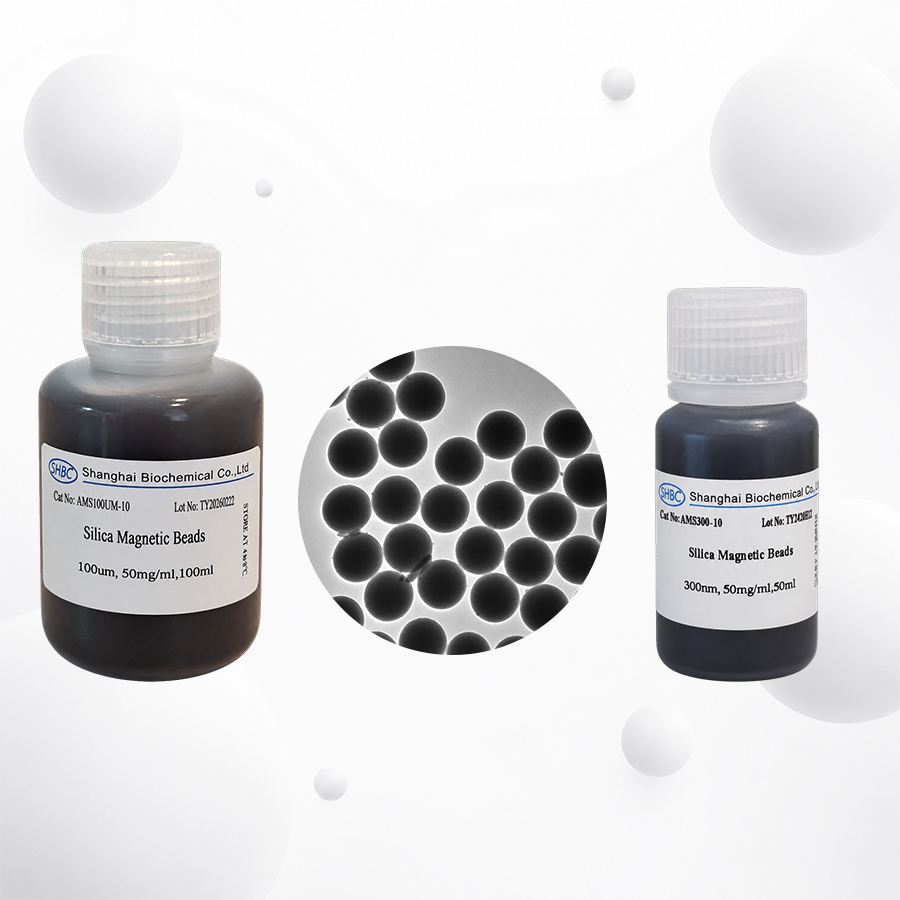 How Silica Magnetic Beads Work: Quick AnswerSilica magnetic beads extract DNA and RNA through a reversible bind–wash–elute process.First, a lysis buffer breaks open cells, viruses or other biological materials and releases nucleic acids into solution. A binding buffer containing salts—and often alco
 -
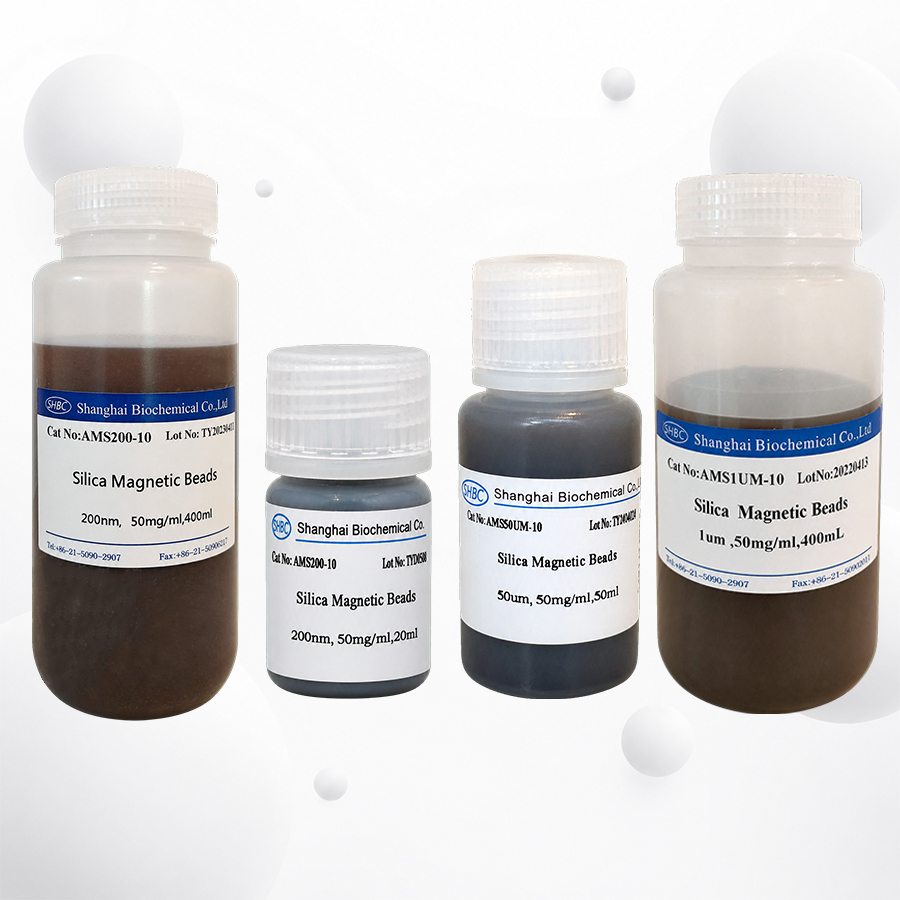 Overview of the Silica Magnetic Bead MarketSilica magnetic beads are functional magnetic particles used to extract and purify DNA or RNA from biological, clinical, food, environmental and research samples.A typical bead contains a magnetic core and a silica or silica-like outer surface. Under suitab
 -
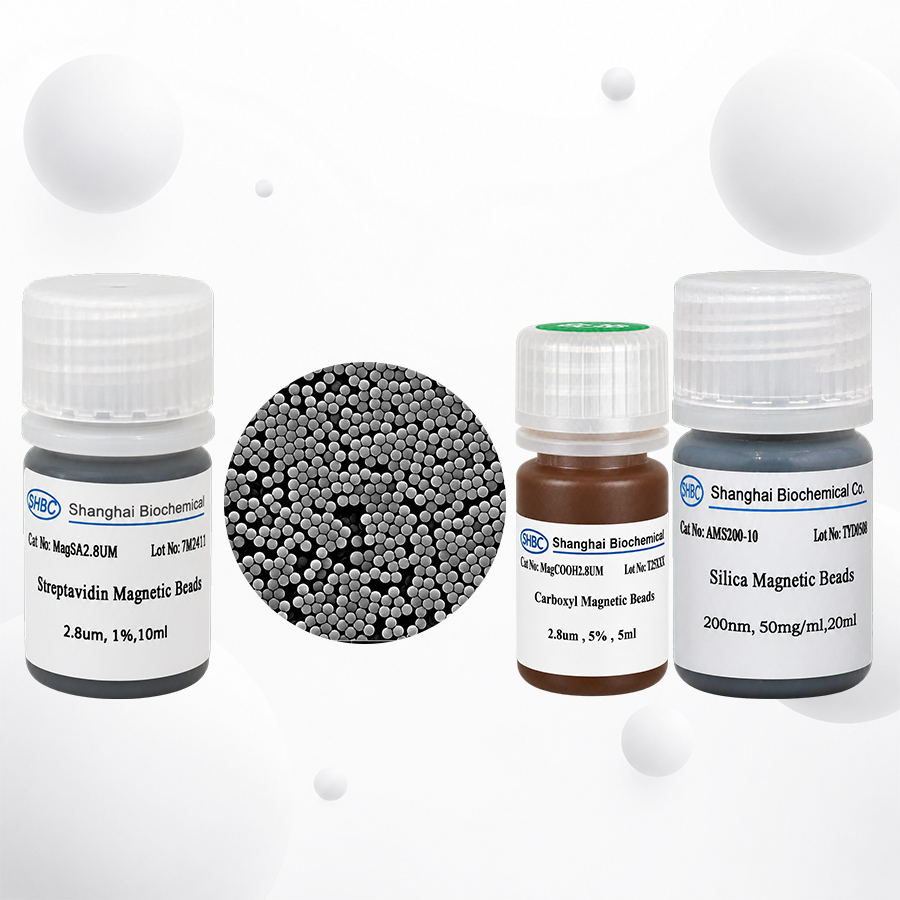 How to Choose Silica Magnetic Beads: Quick AnswerChoose silica magnetic beads according to the complete extraction workflow—not according to particle diameter or catalog price alone.The correct bead must match:The target nucleic acid;The sample matrix;The expected nucleic acid concentration;The requ
 -
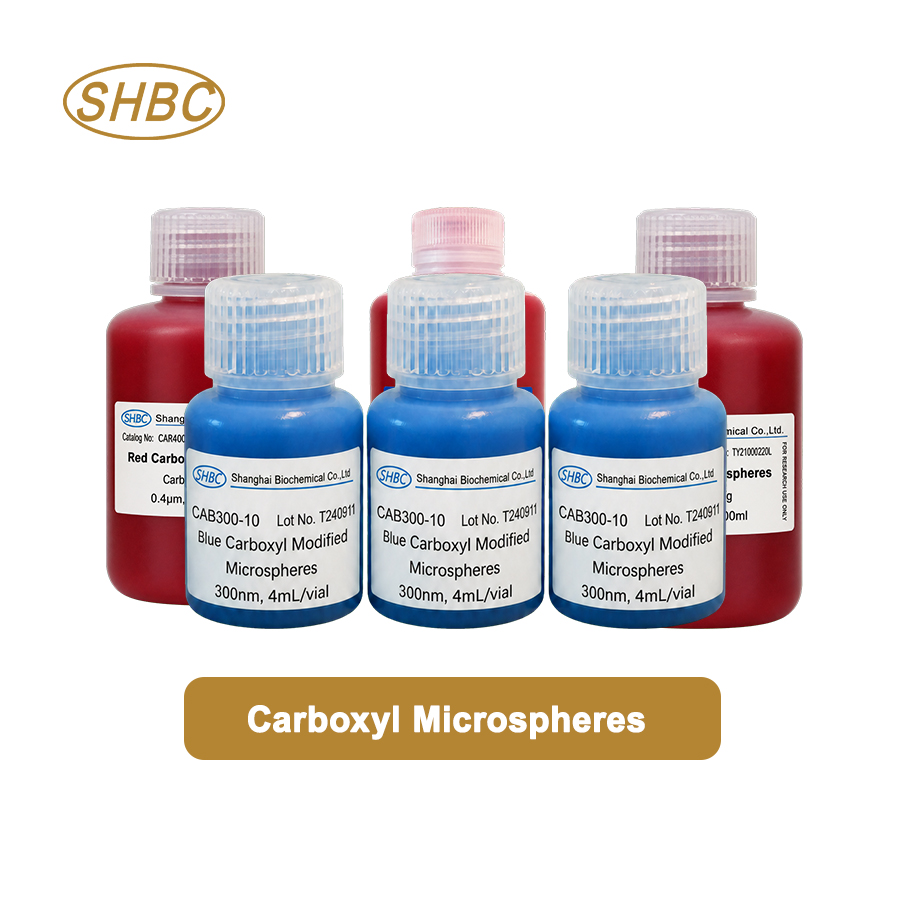 Quick Answer: Top 10 Microsphere Manufacturers Serving EuropeThe top 10 microsphere manufacturers and specialist particle suppliers serving European lateral flow assay developers in 2026 are:Merck EstaporSHBCBangs LaboratoriesPolysciencesThermo Fisher ScientificJSR Life SciencesMagsphereSpherotechmi
