SY808 Thermally Expandable Polymer Microspheres
SY808 is a white-powder thermally expandable polymer microsphere developed as a physical blowing agent for polymer processing.
With a particle size of 20–35 μm, expansion starting at 135–145°C and maximum expansion at 195–210°C, SY808 is suitable for medium- to high-temperature foaming processes.
It can help manufacturers reduce material density, create fine closed-cell structures and improve product softness, thickness and surface appearance.
SY808 Technical Specifications
Property | Specification |
|---|
Product Code | SY808 |
Product Type | Thermally Expandable Polymer Microspheres |
Function | Microsphere Blowing Agent |
Appearance | White Powder |
Particle Size | 20–35 μm |
Solid Content | >97% |
Expansion Start Temperature | 135–145°C |
Maximum Expansion Temperature | 195–210°C |
Brand | SHBC |
Supplier | Shanghai SanYu Biotechnology Co., Ltd. |
How Do SY808 Expandable Microspheres Work?
SY808 microspheres contain an expandable core enclosed by a thermoplastic polymer shell.
When heated:
The polymer shell begins to soften.
The encapsulated core generates internal pressure.
The microspheres expand into hollow microballoons.
Fine closed cells form inside the polymer matrix.
This physical expansion process provides controlled foaming without relying only on gas-producing chemical reactions.
Key Advantages of SY808
Fine 20–35 μm particle size
Controlled thermal expansion
High solid content above 97%
Low-density closed-cell structure
Good dispersion in polymer formulations
Improved surface smoothness
Reduced product weight
Adjustable thickness and cushioning
Suitable for medium- and high-temperature processing
Can be combined with other blowing agents
Lightweight Polymer Foaming
SY808 creates hollow microstructures inside the material, helping reduce the density and weight of finished products.
It is suitable for applications requiring lightweight construction without large or irregular foam cells.
Compared with conventional gas-generating foaming agents, expandable microspheres can provide more controlled cell size and distribution.
The fine closed-cell structure can help reduce:
Improved Surface and Material Properties
SY808 can be used to improve multiple product characteristics, including:
Actual performance depends on the base material, dosage and processing conditions.
Main Applications
Thermoplastics and Elastomers
SY808 can be evaluated in polymer foaming processes involving:
Typical products include shoe soles, foam sheets, profiles, seals, gaskets and lightweight molded parts.
Synthetic Leather
SY808 can create a fine foamed layer in synthetic leather formulations.
Potential benefits include:
Printing Inks and Raised Printing
Thermally expandable microspheres can generate three-dimensional effects after heating.
Typical applications include:
Foam printing inks
Textile printing
Wallpaper printing
Raised graphics
Decorative coatings
Braille printing
Coatings
SY808 can be incorporated into selected coating systems for controlled expansion and lightweight texture.
Applications may include:
Adhesives and Sealants
SY808 may be used to modify the density, flexibility and gap-filling properties of compatible adhesives and sealants.
It can also help create lightweight bonding layers and compressible sealing structures.
Lightweight Composite Materials
Potential applications include:
Recommended Processing Methods
SY808 can be evaluated in different production processes, including:
Extrusion
Injection molding
Press molding
Coating
Calendering
Printing
Mixing and casting
The microspheres should be dispersed uniformly before reaching the expansion temperature.
Processing Temperature Guidance
SY808 begins to expand at approximately 135–145°C and reaches maximum expansion at approximately 195–210°C.
For stable foaming performance:
Match the processing temperature to the expansion window.
Avoid excessive temperature or prolonged heating.
Minimize unnecessary high shear after expansion begins.
Confirm the residence time of the production process.
Conduct a small-scale trial before mass production.
Overheating may damage the expanded polymer shell and reduce the final foaming effect.
Recommended Dosage
The appropriate dosage depends on:
Laboratory testing is recommended to determine the optimum addition level for each formulation.
SY808 vs. Chemical Blowing Agents
Feature | SY808 Expandable Microspheres | Chemical Blowing Agents |
|---|
Foaming Principle | Physical microsphere expansion | Chemical gas generation |
Cell Structure | Fine closed-cell microballoons | Depends on gas distribution |
Surface Quality | Smooth and controlled | May produce larger cells or defects |
Density Control | Adjustable through particle dosage | Controlled through decomposition and gas release |
Processing | Requires temperature matching | Requires decomposition temperature matching |
Main Benefit | Lightweighting and functional modification | General-purpose gas foaming |
SY808 may be used alone or evaluated in combination with compatible chemical blowing agents.
Why Choose SHBC SY808?
SHBC supplies expandable polymer microspheres for research, formulation development and industrial production.
Our advantages include:
Clearly defined particle size
Controlled expansion temperature range
High solid-content powder
Batch supply capability
Application-oriented product selection
Sample evaluation support
Technical communication for formulation development
Storage and Handling
Store SY808 in a sealed package in a cool, dry and well-ventilated area.
Keep the product away from:
Avoid strong compression and unnecessary friction during handling. Review the product SDS before use.
Frequently Asked Questions
What is SY808?
SY808 is a white-powder thermally expandable polymer microsphere used as a physical blowing agent and lightweight polymer additive.
What is the particle size of SY808?
The unexpanded particle size is 20–35 μm.
At what temperature does SY808 start expanding?
SY808 starts expanding at approximately 135–145°C.
What is the maximum expansion temperature?
The recommended maximum expansion temperature range is approximately 195–210°C.
What is the solid content?
The solid content of SY808 is greater than 97%.
What materials can SY808 be used with?
SY808 can be evaluated in compatible thermoplastics, elastomers, rubber, coatings, printing inks, synthetic leather, adhesives and composite materials.
Can SY808 reduce product weight?
Yes. The microspheres expand into hollow microballoons, which can reduce material density and finished-product weight.
Can SY808 improve surface quality?
Its fine closed-cell structure can help produce smoother surfaces and reduce large, irregular foam cells when processing conditions are properly controlled.
How should I select the dosage?
Dosage should be selected according to the base material, processing temperature, target density, thickness and required surface properties.
Are application tests necessary?
Yes. Small-scale testing is recommended because expansion performance depends on formulation, equipment, temperature, shear and residence time.
Contact Shanghai SanYu Biotechnology Co., Ltd. for SY808 samples, technical specifications and application support.
Please provide the following information when making an inquiry:


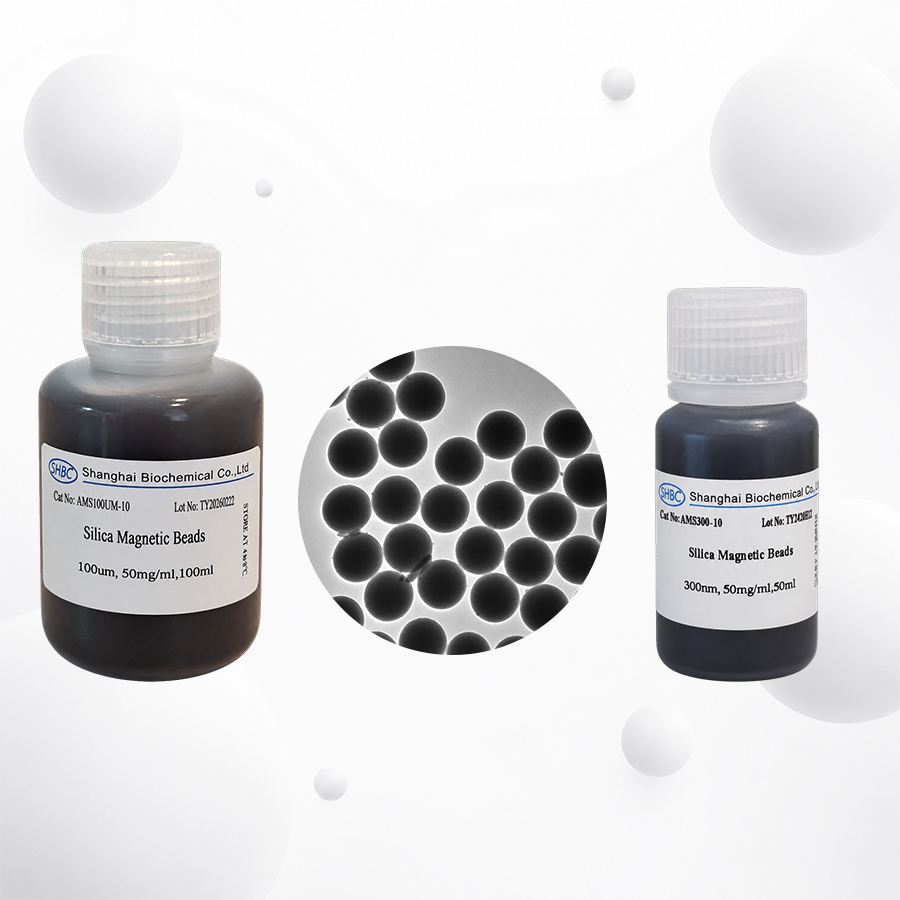 How Silica Magnetic Beads Work: Quick AnswerSilica magnetic beads extract DNA and RNA through a reversible bind–wash–elute process.First, a lysis buffer breaks open cells, viruses or other biological materials and releases nucleic acids into solution. A binding buffer containing salts—and often alco
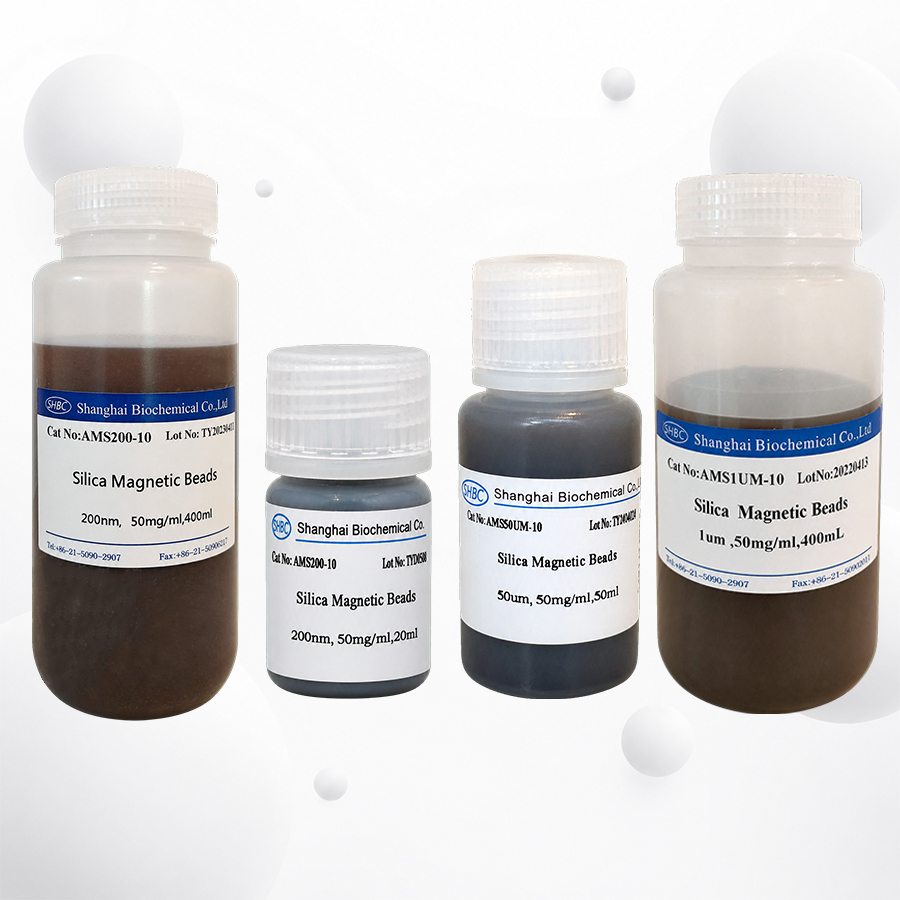 Overview of the Silica Magnetic Bead MarketSilica magnetic beads are functional magnetic particles used to extract and purify DNA or RNA from biological, clinical, food, environmental and research samples.A typical bead contains a magnetic core and a silica or silica-like outer surface. Under suitab
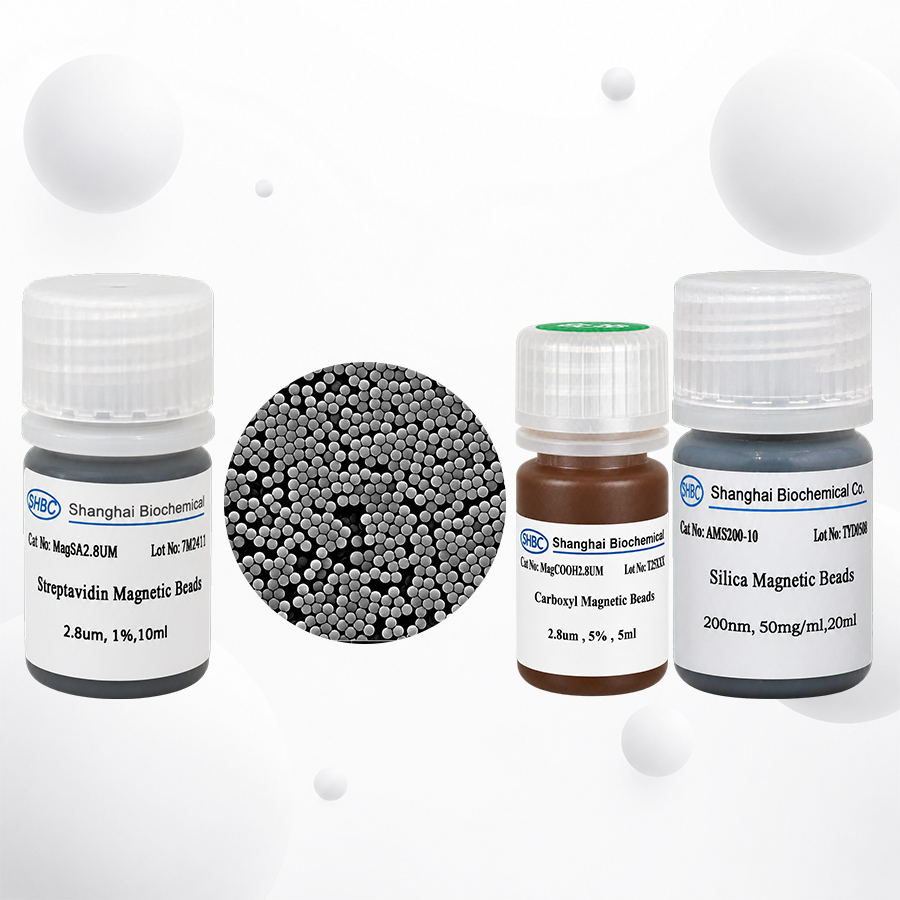 How to Choose Silica Magnetic Beads: Quick AnswerChoose silica magnetic beads according to the complete extraction workflow—not according to particle diameter or catalog price alone.The correct bead must match:The target nucleic acid;The sample matrix;The expected nucleic acid concentration;The requ
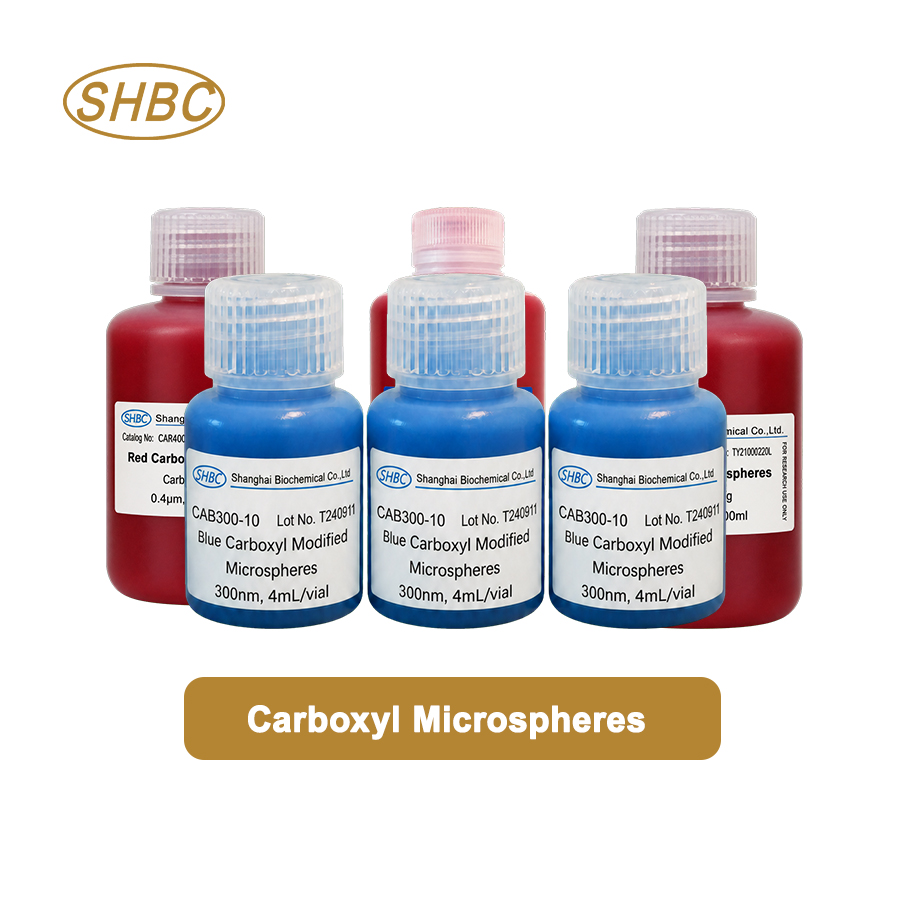 Quick Answer: Top 10 Microsphere Manufacturers Serving EuropeThe top 10 microsphere manufacturers and specialist particle suppliers serving European lateral flow assay developers in 2026 are:Merck EstaporSHBCBangs LaboratoriesPolysciencesThermo Fisher ScientificJSR Life SciencesMagsphereSpherotechmi
