SY906 30 μm Thermally Expandable Polymer Microspheres
SY906 is a thermally expandable polymer microsphere designed as a physical blowing agent for lightweight polymer processing.
The product has an average particle size of approximately 30 μm, a particle size range of 20–35 μm and a solid content above 97%.
SY906 starts expanding at 155–165°C and reaches maximum expansion at 200–210°C. It is suitable for medium- and high-temperature foaming processes.
SY906 Technical Specifications
Property | Specification |
|---|
Product Code | SY906 |
Product Type | Thermally Expandable Polymer Microspheres |
Function | Physical Blowing Agent |
Appearance | White Powder |
Average Particle Size | Approximately 30 μm |
Particle Size Range | 20–35 μm |
Solid Content | >97% |
Expansion Start Temperature, Tstart | 155–165°C |
Maximum Expansion Temperature, Tmax | 200–210°C |
Brand | SHBC |
Supplier | Shanghai SanYu Biotechnology Co., Ltd. |
How SY906 Expandable Microspheres Work
SY906 consists of a thermoplastic polymer shell containing an expandable core.
When heated, the polymer shell softens and the internal pressure increases. The microspheres expand into hollow microballoons and form fine closed cells inside the polymer matrix.
This controlled expansion increases material volume while reducing finished-product density.
Key Benefits of SY906
Approximately 30 μm average particle size
Controlled 20–35 μm size range
High solid content above 97%
Defined high-temperature expansion window
Fine and uniform closed-cell structure
Effective density and weight reduction
Improved surface smoothness
Reduced risk of large bubbles and pinholes
Increased thickness and product volume
Improved cushioning and flexibility
Suitable for different polymer-processing methods
Lightweight Polymer Foaming
SY906 creates hollow microstructures within compatible polymer materials.
Depending on the formulation and process, it can help provide:
Lower finished-product weight
Reduced material consumption
Increased product volume
Improved thermal insulation
Better cushioning
Sound and vibration damping
Controlled product density
Fine Closed-Cell Structure
Each SY906 microsphere expands into an individual hollow cell.
This structure can help reduce:
Large foam cells
Uneven expansion
Surface pinholes
Rough surfaces
Irregular thickness
Local density variation
SY906 is suitable for products requiring both lightweighting and good surface appearance.
Compatible Materials
SY906 can be evaluated in compatible polymer and elastomer systems, including:
PVC
EVA
PE
PP
TPE
TPR
TPU
EPDM
Rubber compounds
Adhesives
Sealants
Printing inks
Coating systems
Compatibility depends on processing temperature, viscosity, formulation and required performance.
Main Applications
Thermoplastic Extrusion
SY906 can be evaluated in extrusion products such as:
Plastic profiles
Foam sheets
Tubes and hoses
Cable materials
Sealing strips
Synthetic wood
Lightweight panels
It can help reduce density while maintaining a fine cell structure and smooth surface.
Injection-Molded Components
SY906 may be used in compatible injection-molding formulations for:
SY906 can be evaluated in EVA, TPU, TPR and compatible rubber formulations.
Potential benefits include:
Synthetic Leather
SY906 can create a lightweight foamed layer in synthetic leather and coated fabrics.
Potential advantages include:
Foam Printing Inks
SY906 can be used in heat-activated printing formulations to create raised effects.
Typical applications include:
Coatings
SY906 can be evaluated as a lightweighting and texture-modifying additive in:
Textile coatings
Leather coatings
Automotive coatings
Paper coatings
Industrial coatings
Decorative coatings
Adhesives and Sealants
SY906 may reduce density and improve compressibility in compatible adhesive and sealant formulations.
Potential applications include:
Automotive Materials
SY906 can be evaluated in automotive products such as:
Weather strips
Glass run channels
Interior trim
Sealing profiles
Gaskets
Sound-damping components
Lightweight Composites
Other potential applications include:
Recommended Processing Methods
SY906 can be evaluated in:
Extrusion
Injection molding
Compression molding
Calendering
Coating
Printing
Casting
Polymer compounding
Uniform dispersion before expansion is important for consistent foam quality.
Processing Temperature Guidance
SY906 starts expanding at approximately 155–165°C and reaches maximum expansion at approximately 200–210°C.
For stable processing:
Keep premixing temperatures below the expansion range.
Match the actual material temperature to the required expansion level.
Avoid premature expansion during compounding.
Control residence time at elevated temperatures.
Avoid excessive shear after expansion begins.
Prevent prolonged heating above the maximum expansion range.
Confirm conditions through laboratory and pilot-scale trials.
Excessive temperature or heating time may damage the expanded shell and reduce the final foaming effect.
The final result depends on:
Machine temperature settings may differ from the actual temperature experienced by the microspheres.
Recommended Addition Level
The optimum dosage should be determined according to:
Small-scale formulation testing is recommended before commercial production.
SY906 vs. Chemical Blowing Agents
Feature | SY906 Expandable Microspheres | Chemical Blowing Agents |
|---|
Foaming Principle | Physical particle expansion | Gas generated by decomposition |
Cell Structure | Fine individual closed cells | Depends on gas distribution |
Expansion Control | Controlled by grade, temperature and dosage | Controlled by decomposition conditions |
Surface Quality | Fine and uniform | May produce larger or uneven cells |
Density Adjustment | Adjusted through microsphere loading | Adjusted through gas generation |
Main Function | Lightweighting and controlled foaming | General-purpose foaming |
SY906 may be evaluated alone or in combination with compatible chemical blowing agents.
Why Choose SHBC SY906?
Defined 20–35 μm particle size range
Approximately 30 μm average particle size
High solid-content white powder
Controlled high-temperature expansion
Suitable for industrial formulation development
Stable batch supply
Sample evaluation support
Custom packaging options
Bulk production capability
Technical communication for product selection
Storage and Handling
Store SY906 in its original sealed packaging in a cool, dry and well-ventilated place.
Keep the product away from:
Avoid unnecessary friction and strong compression. Review the Safety Data Sheet before industrial use.
Frequently Asked Questions
What is SY906?
SY906 is a thermally expandable polymer microsphere used as a physical blowing agent and lightweight polymer additive.
What is the particle size of SY906?
The average particle size is approximately 30 μm, with a particle size range of 20–35 μm.
What is the solid content?
The solid content is greater than 97%.
What is the appearance of SY906?
SY906 is supplied as a white powder.
At what temperature does SY906 start expanding?
The expansion start temperature is approximately 155–165°C.
What is the maximum expansion temperature?
The maximum expansion temperature is approximately 200–210°C.
How does SY906 reduce product weight?
The microspheres expand into hollow microballoons, increasing material volume and reducing the density of compatible products.
What materials can be used with SY906?
SY906 can be evaluated in PVC, EVA, PE, PP, TPE, TPR, TPU, EPDM, rubber, coatings, adhesives and other compatible systems.
Can SY906 be used in extrusion?
Yes. It can be evaluated in profiles, sheets, hoses, cables, sealing strips and other extrusion applications.
Can SY906 be used for injection molding?
Yes. Temperature, pressure, dosage, residence time and mold conditions should be optimized through testing.
Can SY906 be combined with chemical blowing agents?
Yes. It may be used alone or together with compatible blowing agents to adjust density and cell structure.
Is application testing required?
Yes. Laboratory and pilot-scale testing are recommended because expansion performance depends on the formulation, equipment and processing conditions.
Request SY906 Samples
Contact Shanghai SanYu Biotechnology Co., Ltd. for SY906 samples, technical specifications, SDS information and bulk supply.
Please provide:


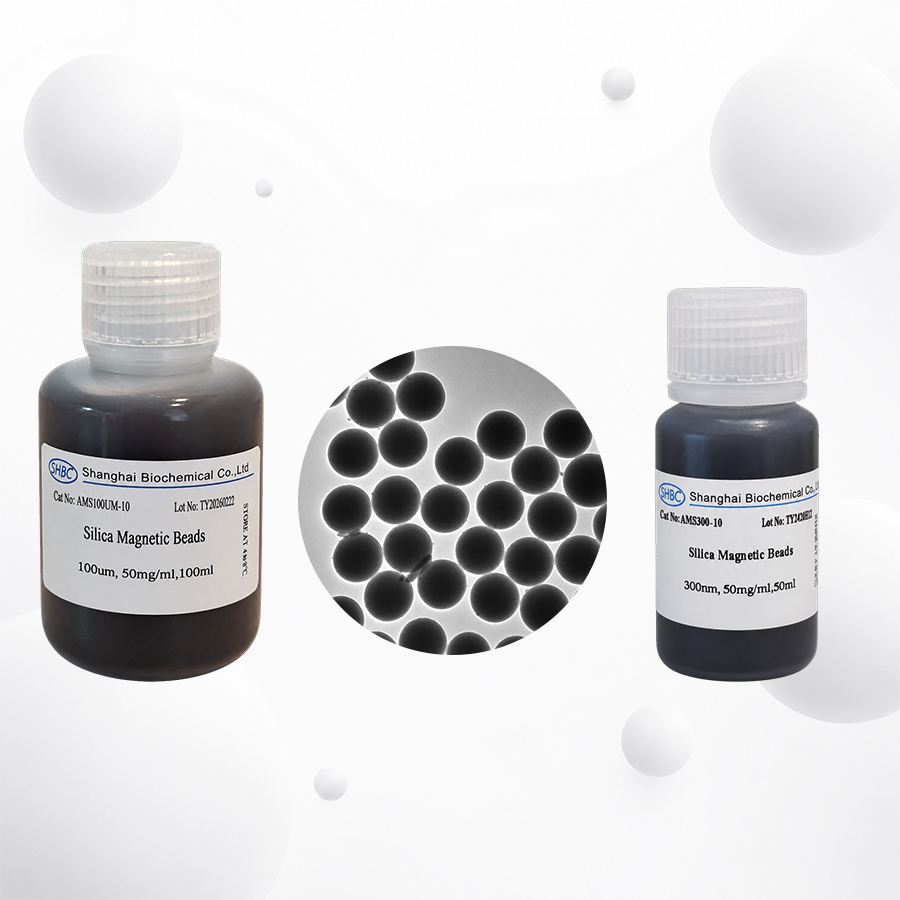 How Silica Magnetic Beads Work: Quick AnswerSilica magnetic beads extract DNA and RNA through a reversible bind–wash–elute process.First, a lysis buffer breaks open cells, viruses or other biological materials and releases nucleic acids into solution. A binding buffer containing salts—and often alco
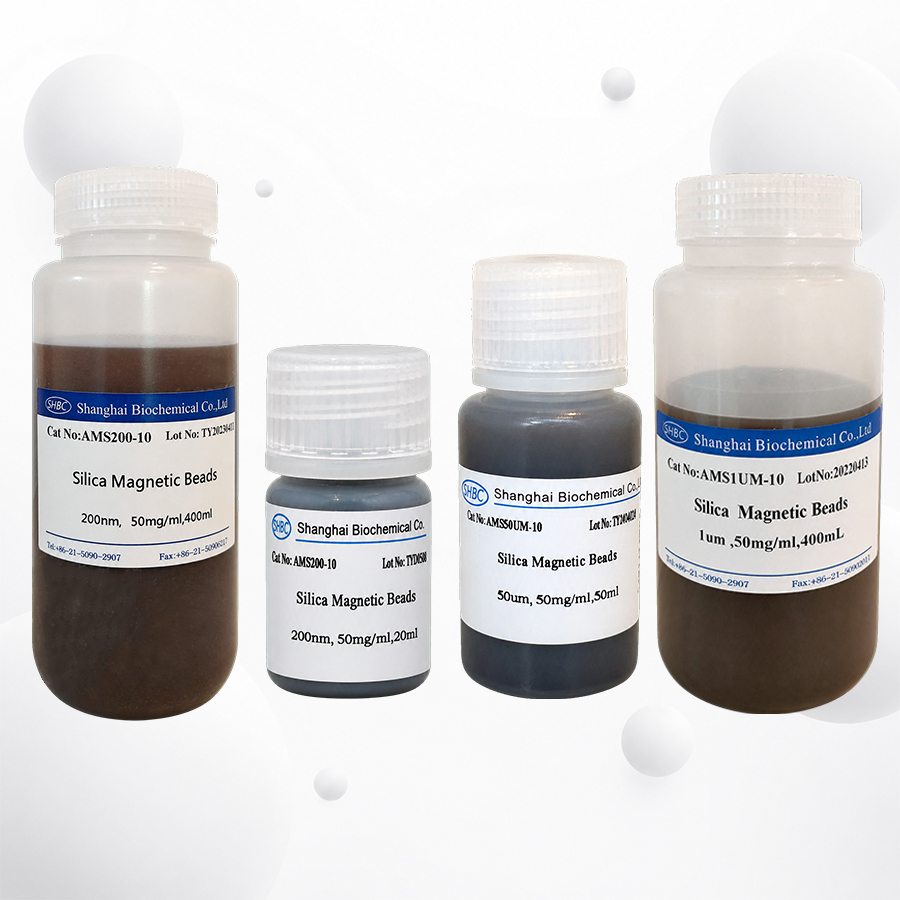 Overview of the Silica Magnetic Bead MarketSilica magnetic beads are functional magnetic particles used to extract and purify DNA or RNA from biological, clinical, food, environmental and research samples.A typical bead contains a magnetic core and a silica or silica-like outer surface. Under suitab
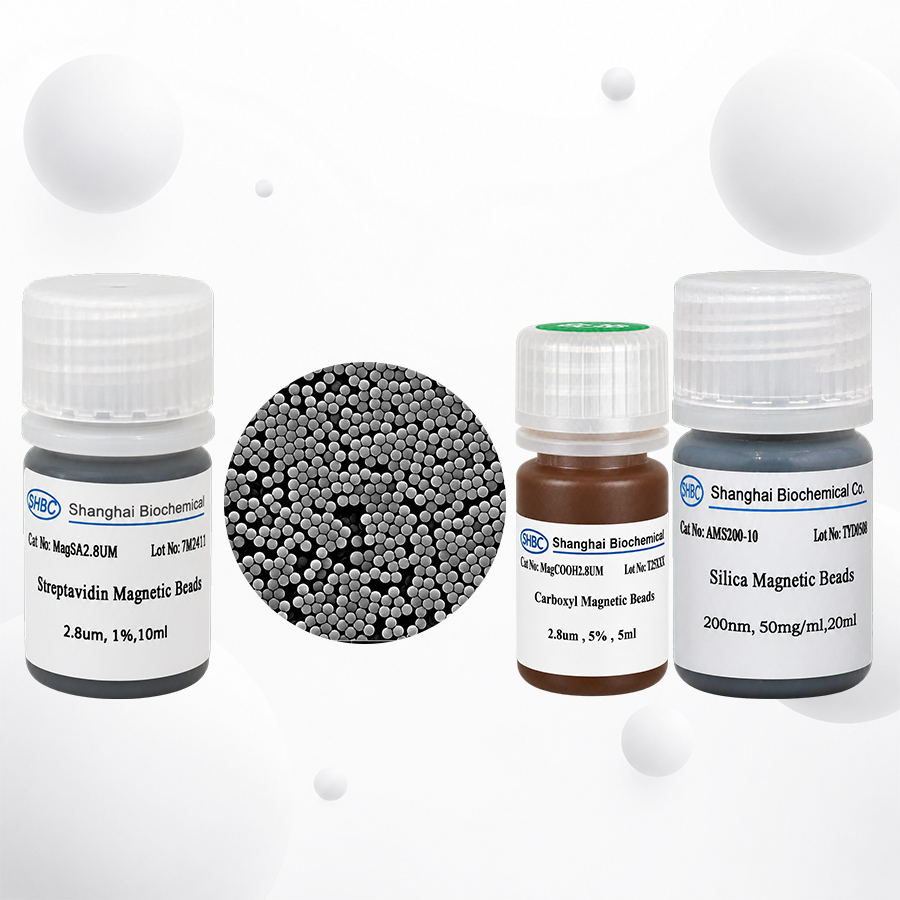 How to Choose Silica Magnetic Beads: Quick AnswerChoose silica magnetic beads according to the complete extraction workflow—not according to particle diameter or catalog price alone.The correct bead must match:The target nucleic acid;The sample matrix;The expected nucleic acid concentration;The requ
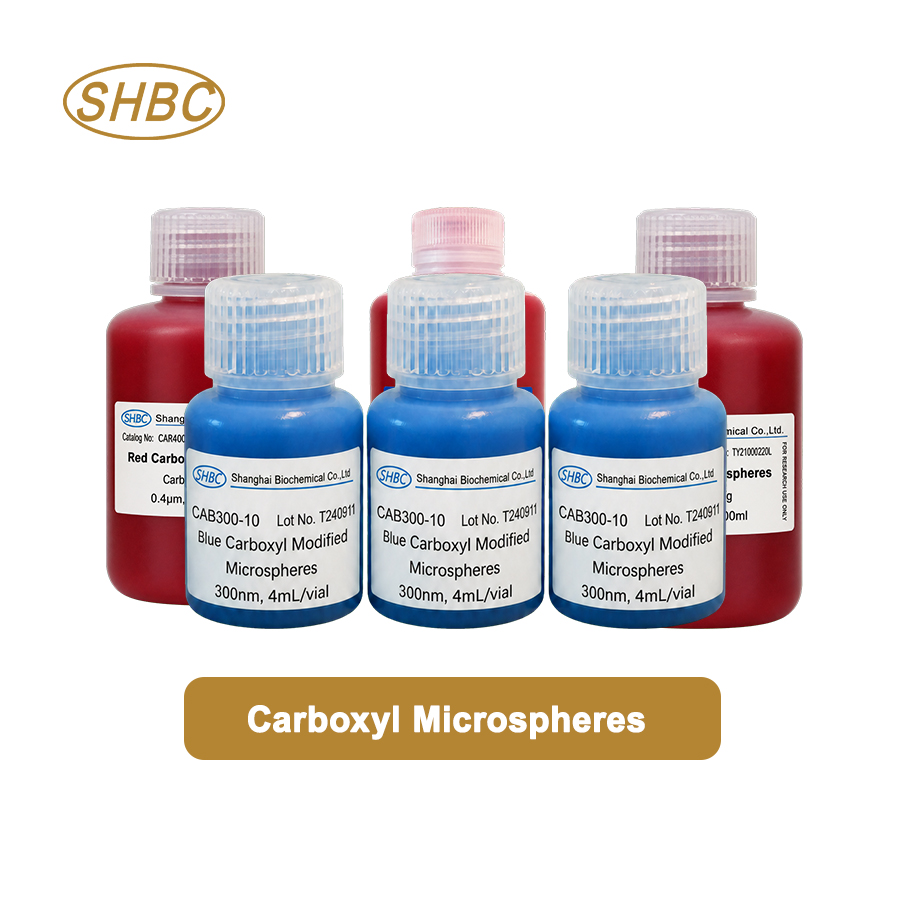 Quick Answer: Top 10 Microsphere Manufacturers Serving EuropeThe top 10 microsphere manufacturers and specialist particle suppliers serving European lateral flow assay developers in 2026 are:Merck EstaporSHBCBangs LaboratoriesPolysciencesThermo Fisher ScientificJSR Life SciencesMagsphereSpherotechmi
