320 nm Polystyrene Beads
PS320NM Polystyrene Beads are 320 nm polystyrene microspheres supplied as a suspension with 5% solid content.
These submicron PS beads provide a defined particle size for particle characterization, colloidal research, assay development, biotechnology research and other laboratory applications requiring polymer microspheres.
PS320NM is available in 10 mL, 20 mL, 100 mL and 1000 mL package sizes.
Key Features
320 nm polystyrene beads
5% solid content
Submicron polystyrene microspheres
Defined particle size
Suitable for particle characterization
Suitable for colloidal research
Suitable for assay development
Suitable for biotechnology research
Multiple package sizes available
Technical Specifications
Parameter | Specification |
|---|
Product Code | PS320NM |
Product Name | Polystyrene Beads |
Material | Polystyrene (PS) |
Particle Size | 320 nm |
Solid Content | 5% |
Form | Microsphere Suspension |
Package | 10 mL / 20 mL / 100 mL / 1000 mL |
Applications of 320 nm Polystyrene Beads
PS320NM 320 nm Polystyrene Beads can be evaluated for:
Particle characterization
Colloidal research
Particle dispersion studies
Assay development
Diagnostic research
Biotechnology research
Particle-surface interaction studies
Materials science research
Analytical method development
320 nm Polystyrene Microspheres for Particle Research
PS320NM provides 320 nm polystyrene microspheres for laboratory research requiring defined submicron polymer particles.
These beads can be used as model particles in compatible research involving particle behavior, suspension properties, dispersion systems and particle interactions.
320 nm Polystyrene Beads for Particle Characterization
PS320NM can be evaluated in compatible particle characterization and analytical research.
Potential applications include:
Particle size analysis
Dispersion characterization
Suspension studies
Particle behavior research
Analytical method development
Instrument performance evaluation
The suitability of PS320NM should be evaluated according to the intended analytical technique and experimental requirements.
320 nm Polystyrene Beads for Colloidal Research
The 320 nm particle size makes PS320NM suitable for research involving submicron colloidal systems.
Potential studies include:
Particle concentration, pH, ionic strength, temperature and dispersion medium can influence colloidal behavior.
320 nm Polystyrene Beads for Assay Development
PS320NM can be evaluated as a polymer particle platform in compatible assay-development workflows.
Important parameters when selecting polystyrene microspheres include:
Particle diameter
Solid content
Working concentration
Surface requirements
Buffer composition
Detection method
Sample characteristics
PS320NM provides 320 nm particles at 5% solids for compatible particle-based research.
320 nm Polystyrene Microspheres for Diagnostic Research
Polystyrene microspheres can be evaluated in diagnostic and biotechnology research requiring defined polymer particles.
PS320NM provides a 320 nm PS microsphere platform for development and optimization of compatible particle-based assays and laboratory research methods.
Final assay conditions should be optimized and validated according to the intended application.
320 nm PS Beads for Surface Interaction Studies
PS320NM can be evaluated in research involving interactions between polystyrene particles and different surfaces or materials.
Experimental variables may include:
Particle concentration
Surface properties
Solution composition
pH
Ionic strength
Temperature
Incubation conditions
5% Solid Content Polystyrene Microspheres
PS320NM is supplied at 5% solid content.
The microsphere suspension can be diluted according to the working concentration required for a specific research protocol.
Researchers should consider the dilution medium, target particle concentration, dispersion stability and experimental conditions when preparing working suspensions.
320 nm Polystyrene Beads for Materials Science
PS320NM provides defined submicron polymer particles for compatible materials science research.
Potential research areas include:
Polymer particle studies
Colloidal materials
Particle-interface interactions
Dispersion research
Surface interaction studies
Particle characterization
320 nm Polystyrene Microspheres for Biotechnology
PS320NM can be evaluated in compatible biotechnology and life science research requiring submicron polystyrene particles.
Potential applications include particle-based assay development, diagnostic research, particle interaction studies and laboratory method development.
320 nm Polystyrene Beads as Model Particles
Defined-size polystyrene microspheres provide a useful model particle platform for controlled laboratory studies.
The 320 nm nominal diameter allows PS320NM to be evaluated in experiments examining submicron particle dispersion, interactions and analytical behavior.
Why Choose 320 nm Polystyrene Beads?
PS320NM combines:
This provides flexibility for initial laboratory evaluation, routine experiments and larger-volume research requirements.
Available Package Sizes
PS320NM 320 nm Polystyrene Beads are available in:
Handling Recommendations
Mix the suspension thoroughly before use.
Avoid contamination during handling.
Use clean laboratory equipment for transfer and dilution.
Avoid unnecessary evaporation of the dispersion medium.
Select dilution conditions according to experimental requirements.
Store according to applicable product documentation.
Frequently Asked Questions (FAQ)
What is PS320NM?
PS320NM is a 320 nm Polystyrene Beads product supplied as a microsphere suspension with 5% solid content.
What is the particle size of PS320NM?
The nominal particle diameter is 320 nm.
What is the solid content of PS320NM?
PS320NM is supplied at 5% solid content.
What material are PS320NM beads made from?
The microspheres are made from polystyrene (PS).
Are 320 nm Polystyrene Beads submicron particles?
Yes. With a nominal diameter of 320 nm, PS320NM is a submicron polystyrene particle product.
What are 320 nm Polystyrene Beads used for?
They can be evaluated for particle characterization, colloidal research, assay development, biotechnology research, materials science and other compatible laboratory applications.
Can PS320NM be used as model particles?
Yes. Defined-size polystyrene microspheres can be evaluated as model particles in compatible particle, colloidal and materials research.
Can PS320NM be diluted?
Yes. The 5% solid content suspension can be diluted to an appropriate working concentration according to experimental requirements.
What package sizes are available?
PS320NM is available in 10 mL, 20 mL, 100 mL and 1000 mL packages.


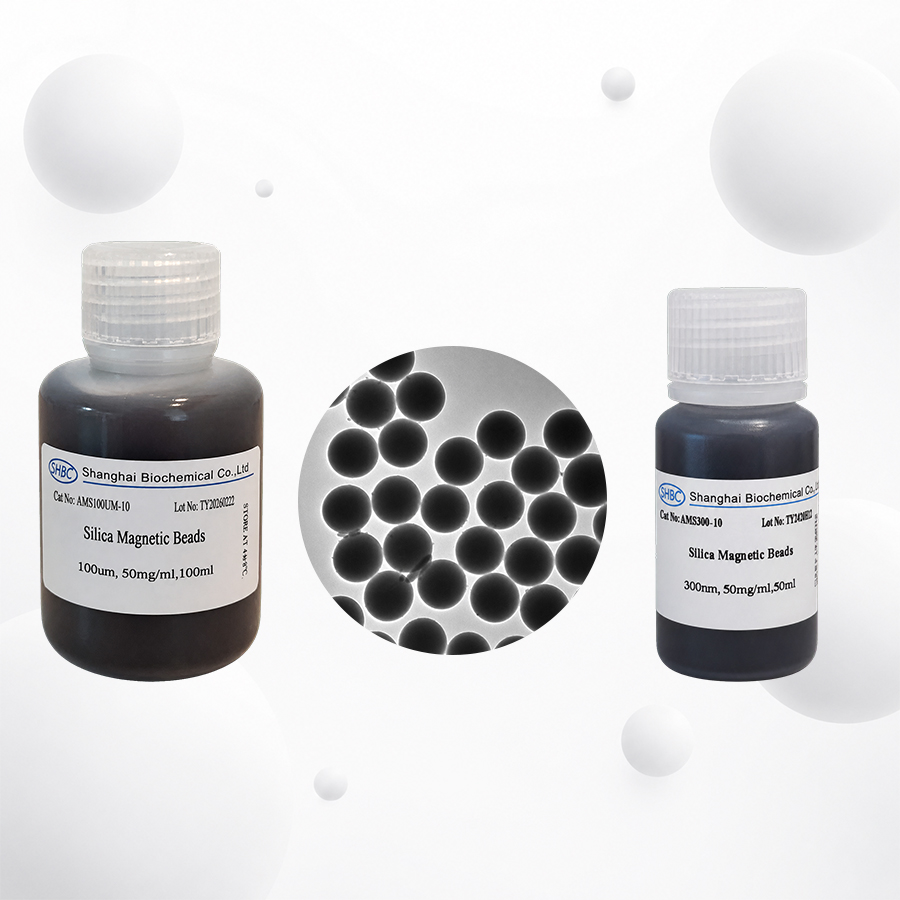 How Silica Magnetic Beads Work: Quick AnswerSilica magnetic beads extract DNA and RNA through a reversible bind–wash–elute process.First, a lysis buffer breaks open cells, viruses or other biological materials and releases nucleic acids into solution. A binding buffer containing salts—and often alco
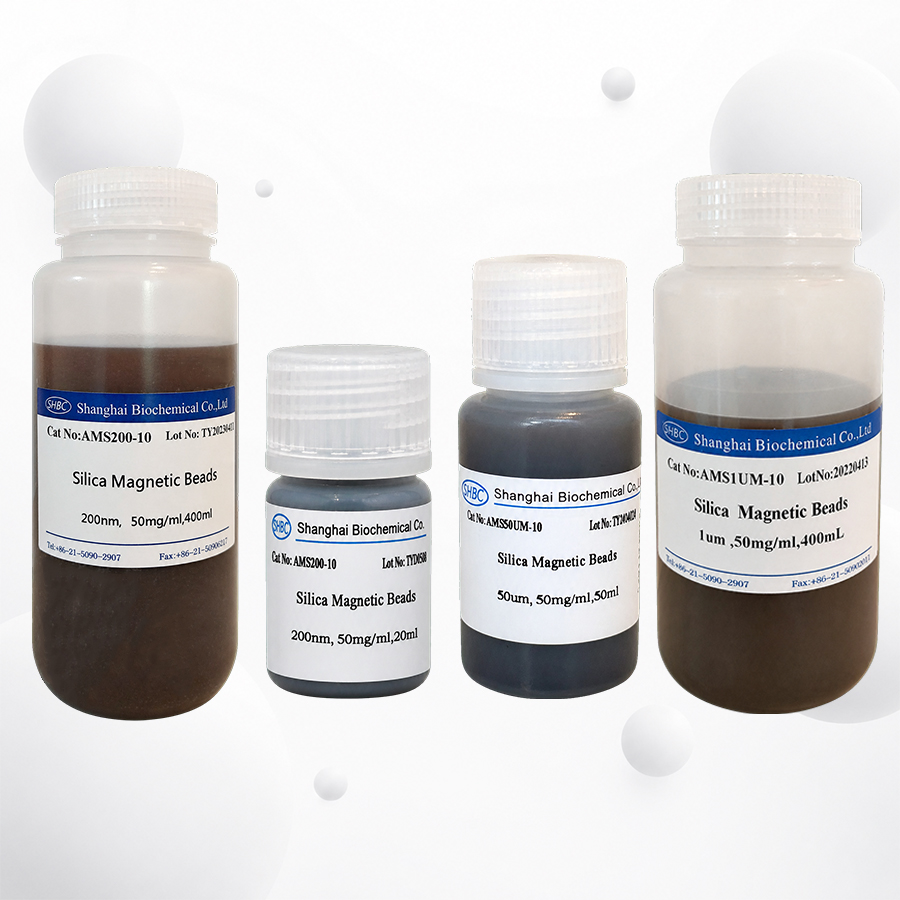 Overview of the Silica Magnetic Bead MarketSilica magnetic beads are functional magnetic particles used to extract and purify DNA or RNA from biological, clinical, food, environmental and research samples.A typical bead contains a magnetic core and a silica or silica-like outer surface. Under suitab
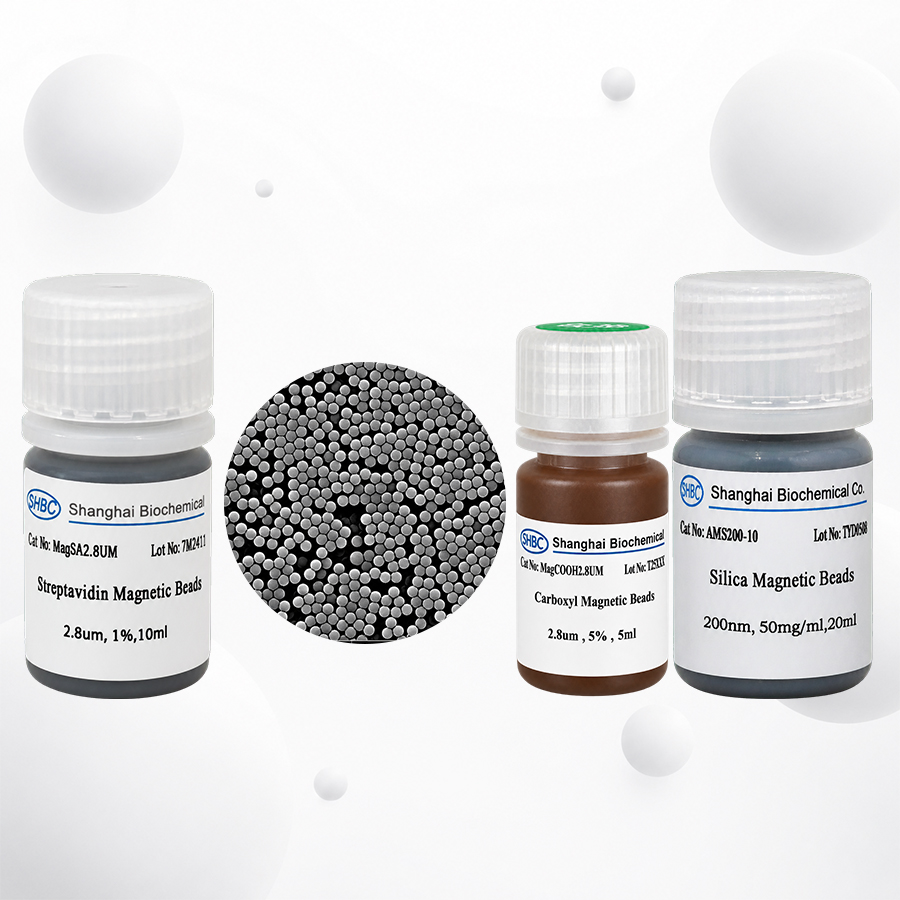 How to Choose Silica Magnetic Beads: Quick AnswerChoose silica magnetic beads according to the complete extraction workflow—not according to particle diameter or catalog price alone.The correct bead must match:The target nucleic acid;The sample matrix;The expected nucleic acid concentration;The requ
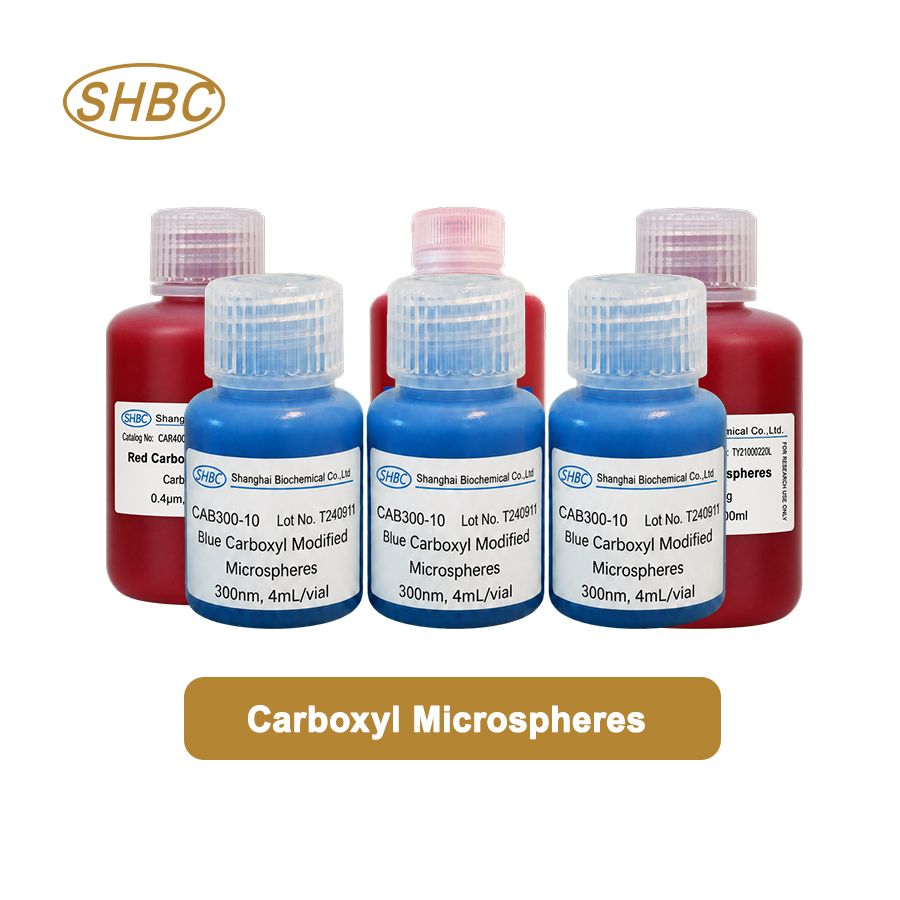 Quick Answer: Top 10 Microsphere Manufacturers Serving EuropeThe top 10 microsphere manufacturers and specialist particle suppliers serving European lateral flow assay developers in 2026 are:Merck EstaporSHBCBangs LaboratoriesPolysciencesThermo Fisher ScientificJSR Life SciencesMagsphereSpherotechmi
