Product Overview
RJ0033 4-Nitrophenyl β-D-Glucopyranoside (PNPG), CAS 2492-87-7, is a biochemical-grade chromogenic substrate widely used in enzyme assays, biochemical analysis and life science research.
PNPG is commonly used as a substrate for β-glucosidase. Under appropriate reaction conditions, enzymatic hydrolysis produces p-nitrophenol, which provides a measurable colorimetric signal for determining β-glucosidase activity.
Key Features
Biochemical grade
Chromogenic enzyme substrate
Suitable for β-glucosidase assays
Suitable for enzyme activity determination
Suitable for colorimetric detection
Suitable for biochemical analysis
Suitable for enzyme kinetics research
Consistent batch-to-batch quality
Multiple packaging sizes available
Bulk supply available
Technical Specifications
Parameter | Specification |
|---|
Product Code | RJ0033 |
Product Name | 4-Nitrophenyl β-D-Glucopyranoside |
English Name | PNPG |
CAS No. | 2492-87-7 |
Grade | Biochemical Grade |
Package | 5 g / 10 g / 100 g / 500 g / 1 kg |
Applications
β-Glucosidase Activity Assays
Enzyme Activity Determination
Enzyme Kinetics Research
Colorimetric Detection
Biochemical Analysis
Biochemical Research
Biotechnology Research
Enzyme Inhibition Research
Laboratory Reagent Development
Life Science Research
PNPG for β-Glucosidase Activity Assays
4-Nitrophenyl β-D-Glucopyranoside (PNPG) is commonly used as a chromogenic substrate for β-glucosidase activity determination.
Under suitable assay conditions, β-glucosidase hydrolyzes PNPG and releases p-nitrophenol. The resulting colorimetric signal can be measured spectrophotometrically, making PNPG useful for quantitative enzyme activity analysis.
PNPG for Enzyme Research
PNPG can be used in enzyme kinetics, enzyme activity and inhibition studies involving β-glucosidase.
Its chromogenic properties provide a convenient method for monitoring enzymatic hydrolysis, making it suitable for biochemical laboratories, biotechnology research and enzyme-related assay development.
Product Advantages
RJ0033 PNPG provides reliable quality for β-glucosidase assays and biochemical research applications.
Its biochemical-grade specification makes it suitable for research laboratories, biotechnology companies and other life science organizations requiring chromogenic enzyme substrates.
SANYU GROUP supplies PNPG in multiple packaging sizes from 5 g to 1 kg and can support customized packaging, OEM labeling and bulk quantity requirements.
Storage and Handling
Store according to the recommended product conditions.
Keep the container tightly sealed.
Protect from moisture and contamination.
Protect from unnecessary exposure to light.
Follow standard laboratory handling procedures.
Packaging
Standard Packaging
Customized packaging, OEM labeling and bulk quantities are available upon request.
Frequently Asked Questions (FAQ)
What is RJ0033 PNPG?
RJ0033 4-Nitrophenyl β-D-Glucopyranoside (PNPG), CAS 2492-87-7, is a biochemical-grade chromogenic substrate commonly used for β-glucosidase activity assays.
What is PNPG used for?
PNPG is commonly used for β-glucosidase activity determination, enzyme kinetics studies, colorimetric detection and biochemical research.
Is PNPG a substrate for β-glucosidase?
Yes. PNPG is commonly used as a chromogenic substrate for β-glucosidase.
How is PNPG used in colorimetric enzyme assays?
β-Glucosidase hydrolyzes PNPG under suitable conditions and releases p-nitrophenol, producing a measurable colorimetric signal.
What is the CAS number of PNPG?
The CAS number of RJ0033 PNPG is 2492-87-7.
What grade is RJ0033 PNPG?
RJ0033 PNPG is supplied as Biochemical Grade.
What packaging is available?
RJ0033 PNPG is available in 5 g, 10 g, 100 g, 500 g and 1 kg packaging.


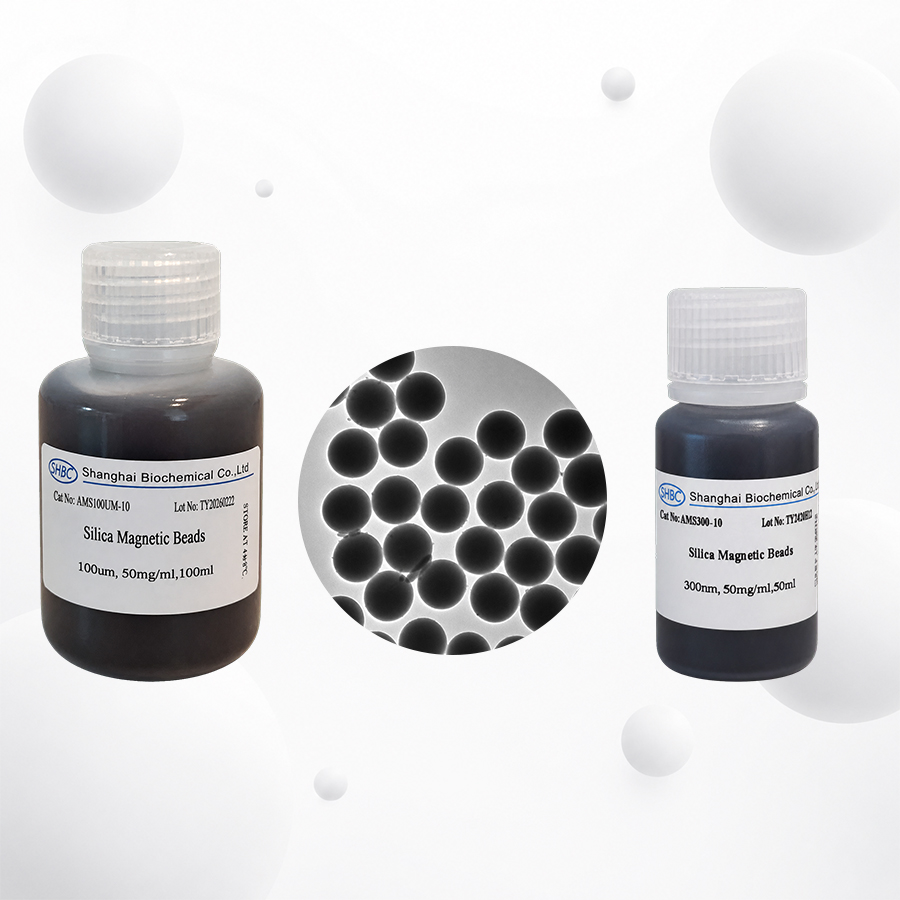 How Silica Magnetic Beads Work: Quick AnswerSilica magnetic beads extract DNA and RNA through a reversible bind–wash–elute process.First, a lysis buffer breaks open cells, viruses or other biological materials and releases nucleic acids into solution. A binding buffer containing salts—and often alco
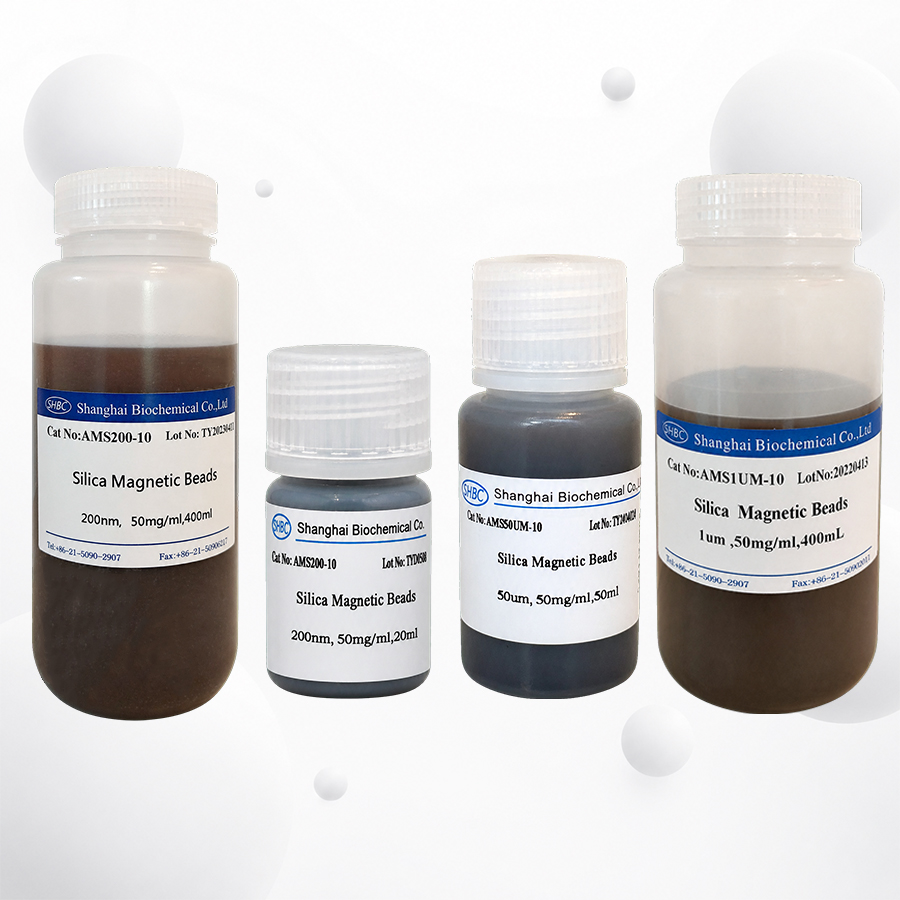 Overview of the Silica Magnetic Bead MarketSilica magnetic beads are functional magnetic particles used to extract and purify DNA or RNA from biological, clinical, food, environmental and research samples.A typical bead contains a magnetic core and a silica or silica-like outer surface. Under suitab
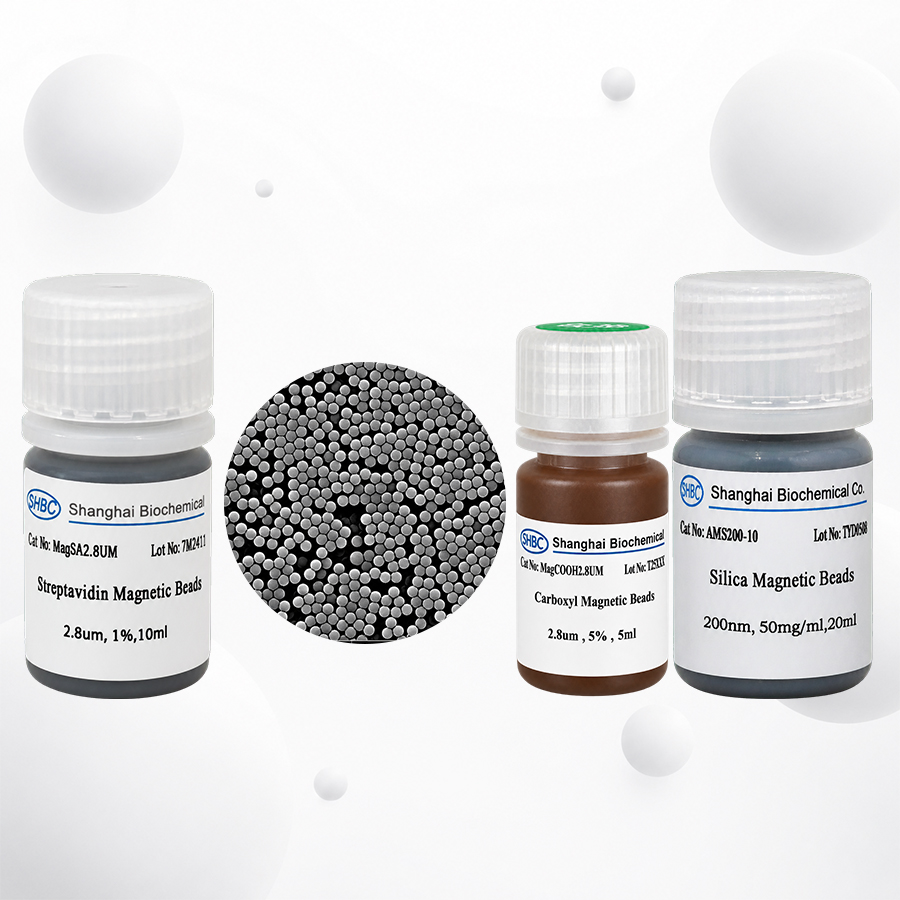 How to Choose Silica Magnetic Beads: Quick AnswerChoose silica magnetic beads according to the complete extraction workflow—not according to particle diameter or catalog price alone.The correct bead must match:The target nucleic acid;The sample matrix;The expected nucleic acid concentration;The requ
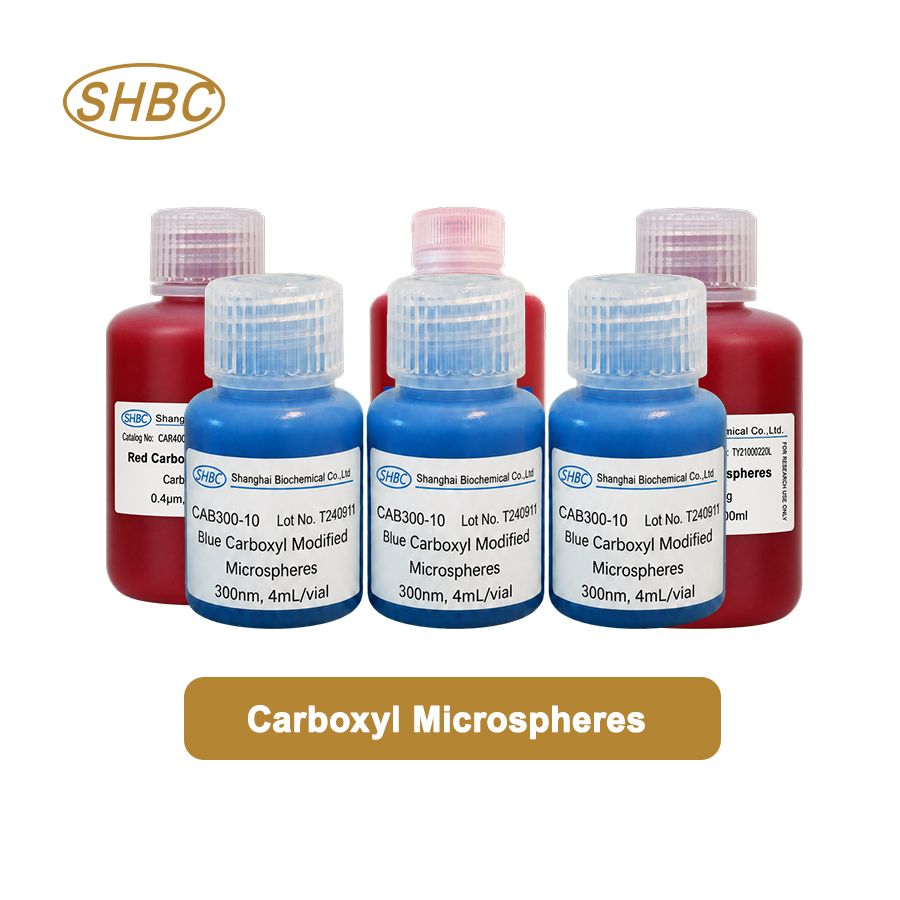 Quick Answer: Top 10 Microsphere Manufacturers Serving EuropeThe top 10 microsphere manufacturers and specialist particle suppliers serving European lateral flow assay developers in 2026 are:Merck EstaporSHBCBangs LaboratoriesPolysciencesThermo Fisher ScientificJSR Life SciencesMagsphereSpherotechmi
