


-
CP060-10
-
5%
-
60nm
-
10ml,20ml,50ml,100ml,1000ml
Product Overview
SANYU GROUP Carboxyl Polystyrene Microspheres CP060-10 are high-quality monodisperse polymer microspheres with surface carboxyl (-COOH) functional groups. Manufactured using advanced emulsion polymerization technology, these microspheres provide excellent particle size uniformity, outstanding suspension stability and reliable batch-to-batch consistency.
CP060-10 has a nominal particle diameter of 60 nm (0.06 μm) and is supplied as a 5% solids aqueous suspension. The surface carboxyl groups can be activated using EDC or EDC/NHS chemistry for efficient covalent conjugation of antibodies, proteins, peptides, enzymes, nucleic acids and other biomolecules.
Carboxyl Polystyrene Microspheres are widely used in immunodiagnostics, lateral flow assays, nanoparticle research, biosensors, protein immobilization, molecular biology, biotechnology and life science research.

Key Features
Nominal particle diameter: 60 nm
5% solids aqueous suspension
Monodisperse spherical particles
Surface carboxyl (-COOH) functional groups
Excellent particle size uniformity
High suspension stability
Low coefficient of variation (CV)
High biomolecule coupling efficiency
Compatible with EDC and EDC/NHS chemistry
Excellent batch-to-batch consistency
Suitable for research and IVD reagent development
OEM and customized manufacturing available
Technical Specifications
Parameter | Specification |
|---|---|
Product Code | CP060-10 |
Product Name | Carboxyl Polystyrene Microspheres |
Particle Diameter | 60 nm (0.06 μm) |
Material | Polystyrene |
Surface Functional Group | Carboxyl (-COOH) |
Solids Content | 5% |
Appearance | White Milky Suspension |
Dispersion Medium | Deionized Water |
Particle Shape | Monodisperse Spherical Particles |
Storage Temperature | 2–8°C |
Shelf Life | 24 Months |
Applications
CP060-10 Carboxyl Polystyrene Microspheres are widely used in:
Antibody conjugation
Protein immobilization
Peptide coupling
DNA and RNA immobilization
Immunoassay development
Lateral Flow Immunoassays (LFIA)
ELISA development
Flow cytometry
Latex agglutination assays
Particle size calibration
Instrument calibration
Biosensor development
Molecular diagnostics
Clinical diagnostics
Biotechnology research
Life science research
Advantages of SANYU Carboxyl Polystyrene Microspheres
SANYU GROUP manufactures high-quality carboxyl-functionalized microspheres under strict quality control to ensure excellent product consistency and reliable performance.
Advantages include:
Excellent particle size uniformity
Highly monodisperse particles
Stable surface chemistry
Reliable biomolecule conjugation
Low particle aggregation
Long-term suspension stability
Excellent reproducibility
OEM and bulk production support
Professional technical support
Surface Chemistry
CP060-10 contains surface carboxyl (-COOH) functional groups, providing reactive sites for covalent biomolecule immobilization.
Using EDC or EDC/NHS activation chemistry, the surface carboxyl groups react efficiently with primary amine groups to form stable amide bonds, enabling efficient conjugation of biomolecules.
Typical conjugated biomolecules include:
Antibodies
Antigens
Proteins
Peptides
Enzymes
DNA
RNA
Oligonucleotides
Aptamers
The optimized surface chemistry provides reliable conjugation efficiency and reproducibility for diagnostic and biotechnology applications.
Storage and Stability
Store CP060-10 at 2–8°C.
Do not freeze.
Mix gently before use.
Avoid repeated freeze-thaw cycles.
Protect from direct sunlight.
Proper storage helps maintain excellent particle stability and conjugation performance.
Customization Service
SANYU GROUP offers comprehensive customization services, including:
Customized particle diameter
Customized solids content
Customized surface carboxyl density
Surface functionalization
Buffer replacement
Fluorescent microspheres
Magnetic microspheres
Colored microspheres
Packaging customization
OEM manufacturing
Bulk production
Frequently Asked Questions About CP060-10
What is CP060-10?
CP060-10 is a 60 nm carboxyl-functionalized polystyrene microsphere supplied as a 5% solids aqueous suspension for diagnostics, calibration and life science research.
What particle size is CP060-10?
CP060-10 has a nominal particle diameter of 60 nm with excellent particle size uniformity.
Is 60 nm the same as 0.06 μm?
Yes.
60 nm = 0.06 μm.
What surface functional group does CP060-10 have?
CP060-10 features carboxyl (-COOH) functional groups, which can be activated using EDC or EDC/NHS chemistry for efficient biomolecule conjugation.
Is CP060-10 suitable for particle size calibration?
Yes.
Its excellent monodispersity makes it suitable for particle sizing, instrument verification and calibration applications.
Can CP060-10 be used for flow cytometry?
Yes.
CP060-10 is suitable for flow cytometry research and assay development.
Can antibodies or proteins be conjugated?
Yes.
The surface carboxyl groups can be activated using EDC or EDC/NHS chemistry for efficient covalent coupling with antibodies, proteins, peptides, enzymes and nucleic acids.
What does 5% solids mean?
CP060-10 is supplied as a 5% solids aqueous suspension, providing a stable particle concentration for research and diagnostic applications.
How should CP060-10 be stored?
Store at 2–8°C.
Do not freeze.
Avoid repeated freeze-thaw cycles.
Mix gently before each use.
Can the particle size, solids content or surface chemistry be customized?
Yes.
SANYU GROUP provides customization services including particle diameter, solids concentration, surface functionalization, surface carboxyl density, buffer formulation, package size and OEM production.
Do you provide samples?
Yes.
Sample availability depends on the requested specification, quantity and destination country.
Please contact our sales team with your application details.
What documents are available?
SANYU GROUP can provide:
Certificate of Analysis (COA)
Technical Data Sheet (TDS)
Safety Data Sheet (SDS)
Product Specification
Particle Size Distribution Report (when available)
Request a Sample or Quotation
Looking for 60 nm Carboxyl Polystyrene Microspheres with 5% solids for diagnostics, nanoparticle research, particle calibration or bioconjugation?
Contact SANYU GROUP with your application requirements and quantity. Our technical team will recommend the most suitable standard or customized microsphere solution.


Related Blogs
-
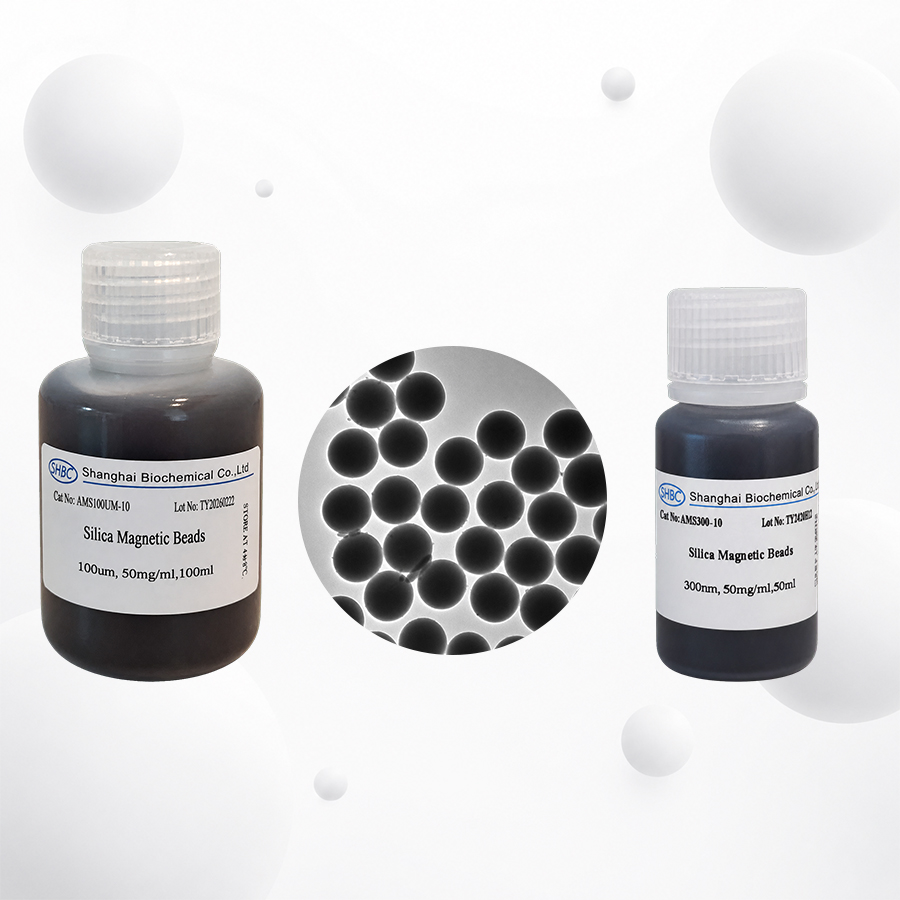 How Silica Magnetic Beads Work: Quick AnswerSilica magnetic beads extract DNA and RNA through a reversible bind–wash–elute process.First, a lysis buffer breaks open cells, viruses or other biological materials and releases nucleic acids into solution. A binding buffer containing salts—and often alco
-
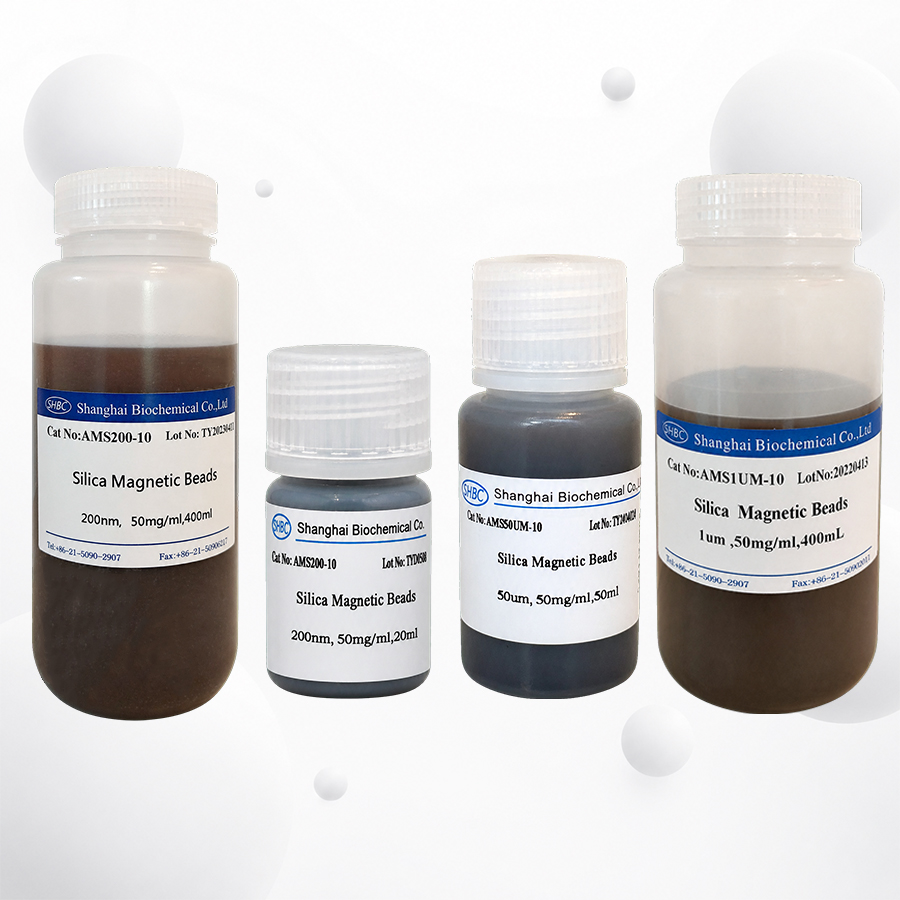 Overview of the Silica Magnetic Bead MarketSilica magnetic beads are functional magnetic particles used to extract and purify DNA or RNA from biological, clinical, food, environmental and research samples.A typical bead contains a magnetic core and a silica or silica-like outer surface. Under suitab
-
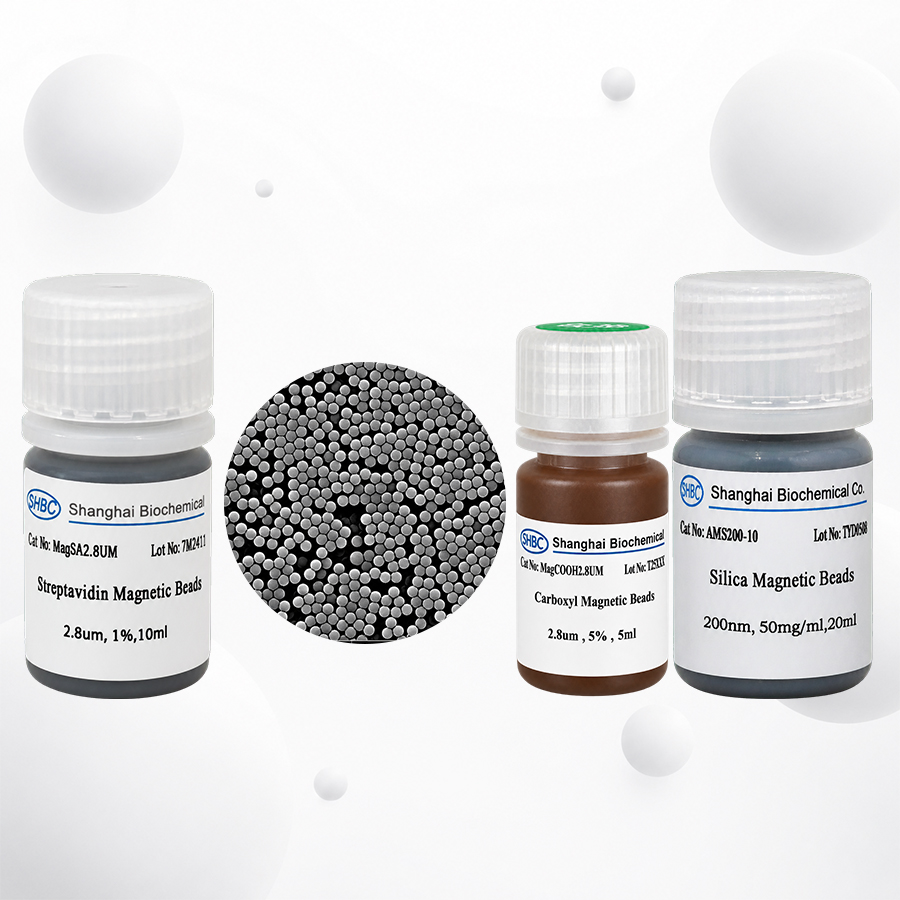 How to Choose Silica Magnetic Beads: Quick AnswerChoose silica magnetic beads according to the complete extraction workflow—not according to particle diameter or catalog price alone.The correct bead must match:The target nucleic acid;The sample matrix;The expected nucleic acid concentration;The requ
-
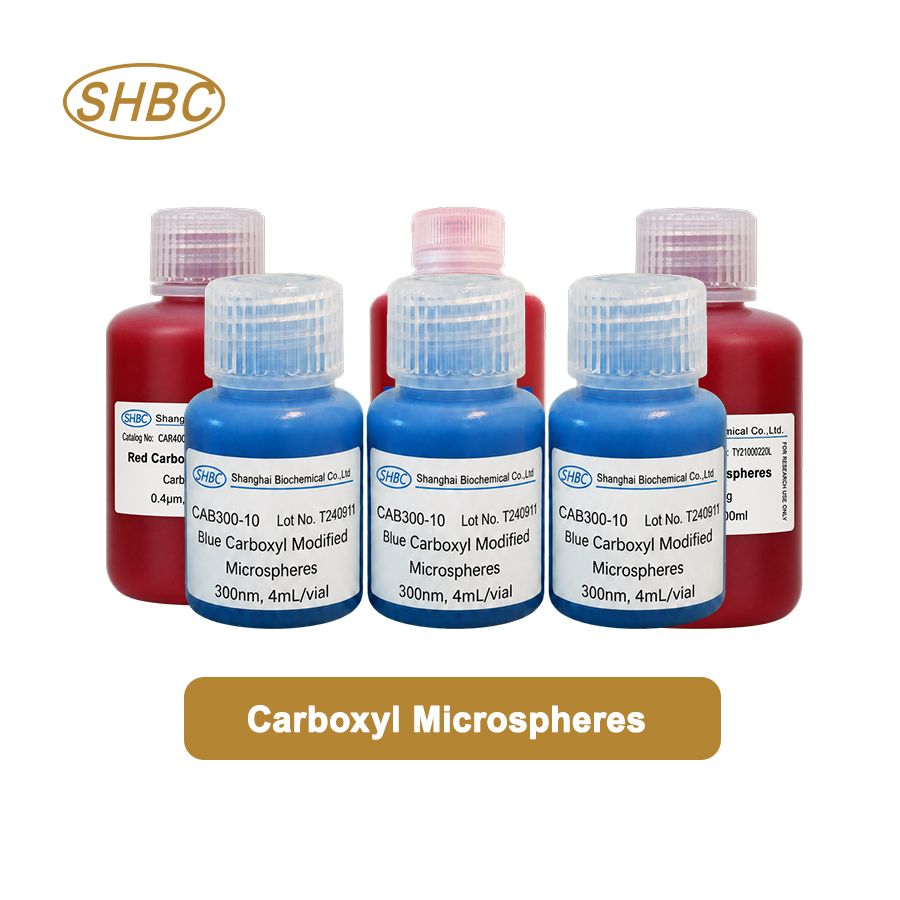 Quick Answer: Top 10 Microsphere Manufacturers Serving EuropeThe top 10 microsphere manufacturers and specialist particle suppliers serving European lateral flow assay developers in 2026 are:Merck EstaporSHBCBangs LaboratoriesPolysciencesThermo Fisher ScientificJSR Life SciencesMagsphereSpherotechmi
