900um Spacer PMMA Microspheres PAPM900UM
SHBC PAPM900UM are 900 μm PMMA microspheres designed for large-gap control, adhesive bond-line spacing and industrial component assembly.
The nominal particle diameter is equal to 0.9 mm. The spherical polymer particles form physical support points between assembled surfaces and help maintain a more uniform separation.
Product Specifications
Parameter | Specification |
|---|
Product Name | Spacer PMMA Microspheres |
Catalog Number | PAPMMA900UM |
Material | Polymethyl Methacrylate, PMMA |
Nominal Particle Size | 900 μm / 0.9 mm |
Solid Content | 10% |
Particle Shape | Spherical |
Main Function | Large-gap and thickness control |
Brand | SHBC |
Manufacturer | Shanghai SanYu Biotechnology Co., Ltd. |
Batch-specific particle size, size distribution, supply form, packaging and storage information are available in the product specification and Certificate of Analysis.
Key Advantages
Controlled 0.9 mm Spacing
The nominal particle diameter helps maintain an approximately 0.9 mm gap between assembled surfaces.
Regular spherical particles provide stable support points and help reduce local bond-line variation.
Consistent Particle Sizing
Controlled particle dimensions support repeatable adhesive thickness and component spacing.
Lightweight PMMA Material
PMMA provides a polymer-based alternative to rigid glass, ceramic or metal spacer particles.
Polymer particles can reduce direct contact between sensitive substrates during assembly.
Custom and Bulk Supply
SHBC supports sample evaluation, customized specifications, pilot orders and industrial-scale production.
Main Applications
Large-Gap Adhesive Bonding
PAPMMA900UM can be added to compatible adhesives or sealants to help maintain an approximately 0.9 mm bond line.
Electronic Enclosure Assembly
Suitable for spacing between circuit boards, substrates, housings and supporting components.
Sensor Housing Bonding
Can be evaluated for controlling separation between sensor substrates, electrodes and protective housings.
Optical Housing Assembly
Suitable for selected glass components, optical housings, filters and imaging assemblies requiring a larger gap.
Industrial Component Bonding
Can be used in fixtures, mechanical parts, covers and industrial modules requiring repeatable spacing.
Resin Thickness Control
Suitable as a physical spacer in compatible resin, coating and composite systems.
Prototype and Test Fixtures
Can be evaluated in product development, laboratory fixtures and precision assembly testing.
How 900um PMMA Spacer Microspheres Work
PAPM900UM microspheres are distributed in an adhesive, sealant, resin or compatible carrier.
During assembly, the particles form support points between two surfaces. Their nominal diameter helps limit excessive compression and maintain the required separation.
The final gap may also depend on:
Product Benefits
PAPMMA900UM helps provide:
Controlled 900 μm spacing
More uniform bond-line thickness
Stable support-point distribution
Reduced local gap variation
Improved component alignment
Repeatable assembly performance
Customized particle specifications
Reliable bulk supply
Application Methods
Adhesive Mixing
Mix the particles into compatible epoxy, acrylic, silicone, polyurethane adhesive or sealant systems.
Direct Surface Distribution
Distribute the microspheres onto the substrate before adhesive curing or component assembly.
Wet Dispersion
Disperse the particles in a compatible liquid carrier before coating or application.
Incorporate PAPMMA900UM into compatible resin or composite systems requiring controlled spacing.
Dispersion and Processing Guide
Uniform particle distribution is important for consistent gap control.
Recommended processing considerations include:
Confirm material compatibility
Premix before dispensing
Use gentle mechanical stirring
Minimize bubbles and air introduction
Avoid particle aggregation
Evaluate particle settling
Maintain consistent assembly pressure
Validate the final gap thickness
Because the particles are 900 μm in diameter, fine dispensing equipment is generally unsuitable.
The nozzle, pump, valve and complete material path must be sufficiently larger than the particles to reduce blockage and particle damage.
Particle Settling Control
Large PMMA particles may settle in low-viscosity adhesives or liquid carriers.
Recommended controls include:
Select a suitable formulation viscosity
Mix before dispensing
Minimize material holding time
Maintain uniform particle suspension
Inspect particle distribution
Validate dispensing consistency
Testing should be completed using the final adhesive, substrate and production equipment.
Spacer Loading Considerations
The recommended loading depends on the bonding area, adhesive volume and required support-point density.
Insufficient loading may produce uneven spacing. Excessive loading may affect adhesive flow, surface contact or bond strength.
Evaluate:
Support-point density
Particle distribution
Adhesive viscosity
Particle settling
Dispensing performance
Final gap thickness
Bond strength
Long-term stability
PMMA vs. Inorganic Spacer Particles
PMMA microspheres provide a polymer-based spacing option for applications requiring:
Lower particle density
Polymer-system compatibility
Reduced contact hardness
Limited deformation under pressure
Electrical insulation
Customized particle dimensions
Dry powder or suspension supply
Mechanical, thermal and chemical compatibility should be confirmed in the final formulation.
How to Select PAPM900UM
Consider the following factors:
For strict gap control, both mean diameter and maximum particle diameter should be evaluated.
Custom PMMA Spacer Microspheres
SHBC can customize PMMA spacer microspheres according to project requirements.
Customization options may include:
Please provide the target gap, adhesive system, application and required quantity when requesting customization.
Quality Control and Documents
Available product documents may include:
Certificate of Analysis
Technical Data Sheet
Safety Data Sheet
Particle size test report
Particle size distribution data
Microscopy images
Batch inspection record
Customized specification sheet
Why Choose SHBC?
Shanghai SanYu Biotechnology Co., Ltd. supplies polymer microspheres, silica microspheres, magnetic beads and functional particle materials.
SHBC provides:
Precision microsphere manufacturing
Stable batch-to-batch quality
Multiple particle-size options
Customized specifications
Sample evaluation support
Pilot-scale production
Bulk manufacturing capability
OEM and ODM services
Frequently Asked Questions
What are PAPMMA900UM microspheres?
PAPMMA900UM are nominal 900 μm, or 0.9 mm, PMMA microspheres designed for large-gap and bond-line thickness control.
What are 900um PMMA spacer microspheres used for?
They can be evaluated for industrial adhesives, electronic enclosures, sensor housings, optical assemblies, resins and mechanical components.
Can PAPM900UM create an exact 0.9 mm gap?
The nominal diameter helps control the gap. Final thickness also depends on maximum particle diameter, particle loading, adhesive properties and assembly pressure.
Can PAPM900UM be mixed into epoxy adhesives?
Yes. They can be evaluated in compatible epoxy, acrylic, silicone, polyurethane adhesive and sealant systems.
Will the particles settle in the adhesive?
Settling may occur in low-viscosity formulations. Adhesive viscosity, mixing method and dispensing time should be evaluated.
Can PAPM900UM pass through dispensing equipment?
Fine nozzles are generally unsuitable. The complete material path must be sufficiently larger than the 900 μm particles.
How much PAPM900UM should be added?
The loading depends on the bonding area, adhesive volume and required number of support points.
Why use PMMA spacer particles?
PMMA provides a lightweight polymer spacing option with lower contact hardness than many rigid inorganic particles.
Can SHBC customize PAPMMA900UM?
Yes. Particle diameter, size tolerance, crosslinking level, supply form, surface properties and packaging can be customized.
Are samples and bulk quantities available?
Yes. SHBC supports laboratory samples, pilot orders and long-term bulk supply.
Request a Sample or Quotation
Contact SHBC for PAPMMA900UM samples, technical specifications, customized PMMA spacer microspheres and bulk pricing.
Please provide:
Product: 900um Spacer PMMA Microspheres
Catalog Number: PAPM900UM
Material: Polymethyl Methacrylate, PMMA
Nominal Particle Size: 900 μm / 0.9 mm
Brand: SHBC
Manufacturer: Shanghai SanYu Biotechnology Co., Ltd.


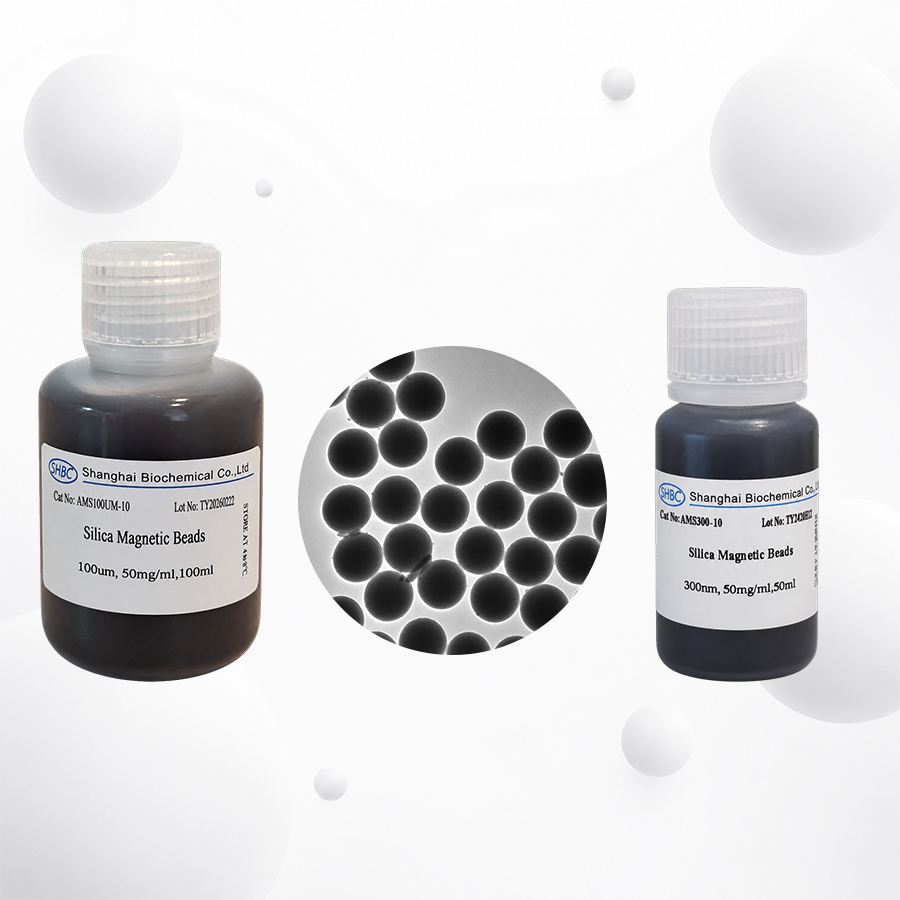 How Silica Magnetic Beads Work: Quick AnswerSilica magnetic beads extract DNA and RNA through a reversible bind–wash–elute process.First, a lysis buffer breaks open cells, viruses or other biological materials and releases nucleic acids into solution. A binding buffer containing salts—and often alco
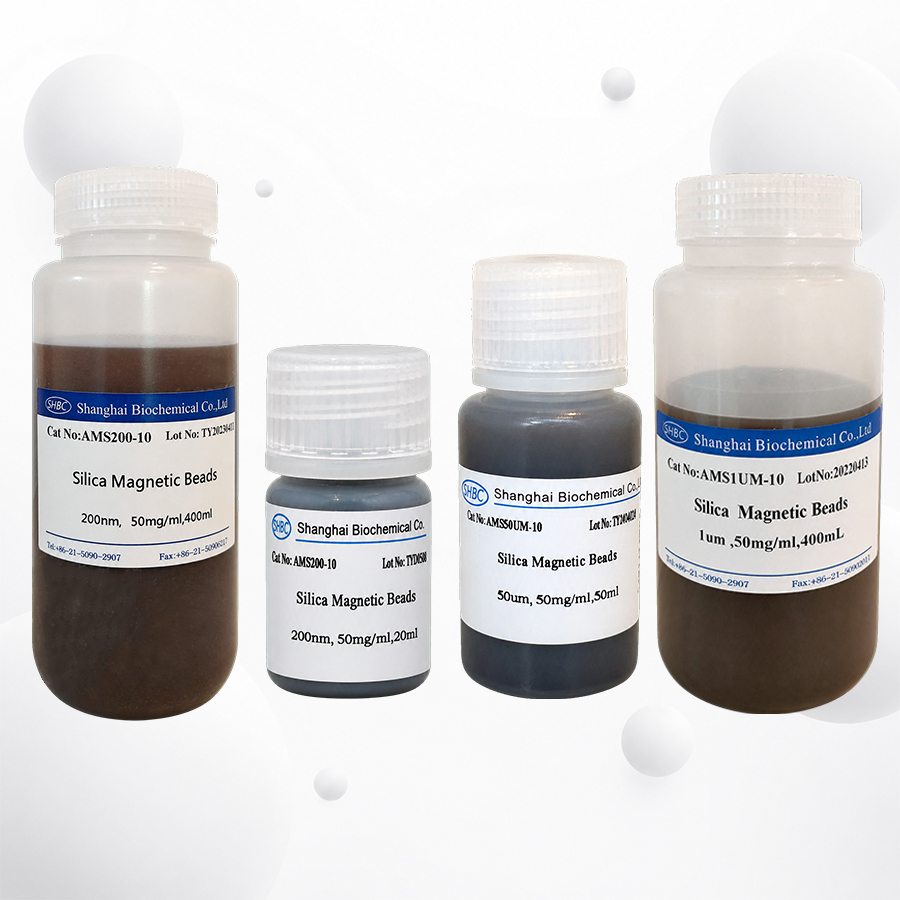 Overview of the Silica Magnetic Bead MarketSilica magnetic beads are functional magnetic particles used to extract and purify DNA or RNA from biological, clinical, food, environmental and research samples.A typical bead contains a magnetic core and a silica or silica-like outer surface. Under suitab
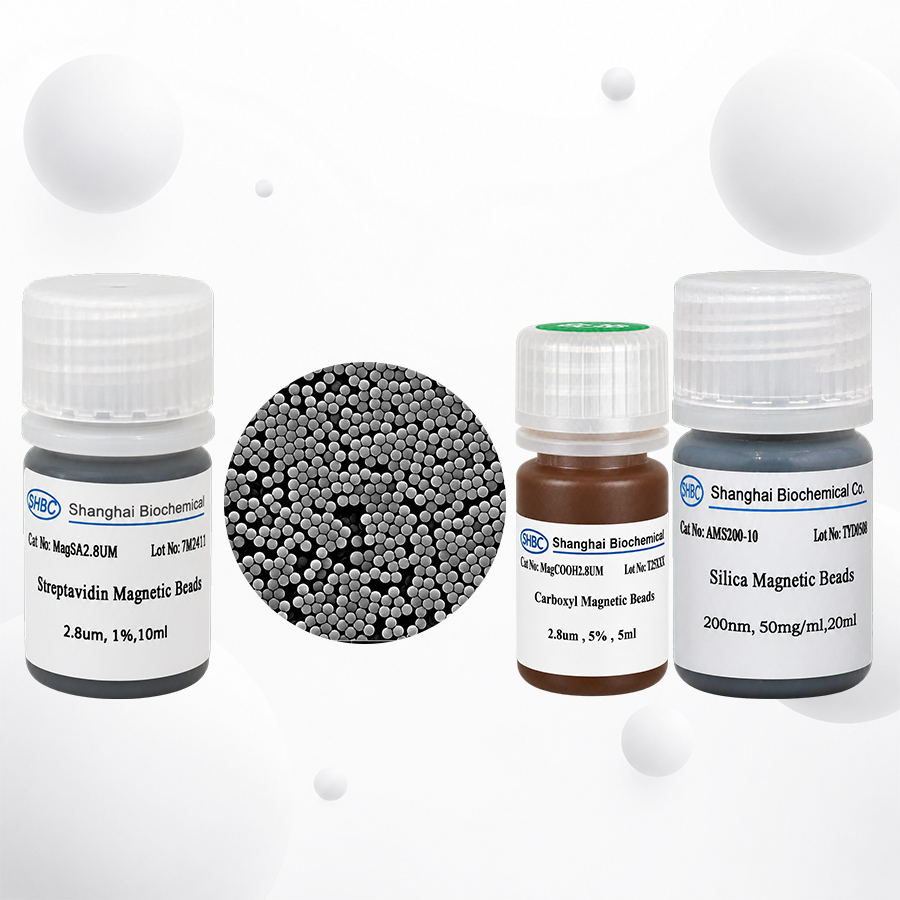 How to Choose Silica Magnetic Beads: Quick AnswerChoose silica magnetic beads according to the complete extraction workflow—not according to particle diameter or catalog price alone.The correct bead must match:The target nucleic acid;The sample matrix;The expected nucleic acid concentration;The requ
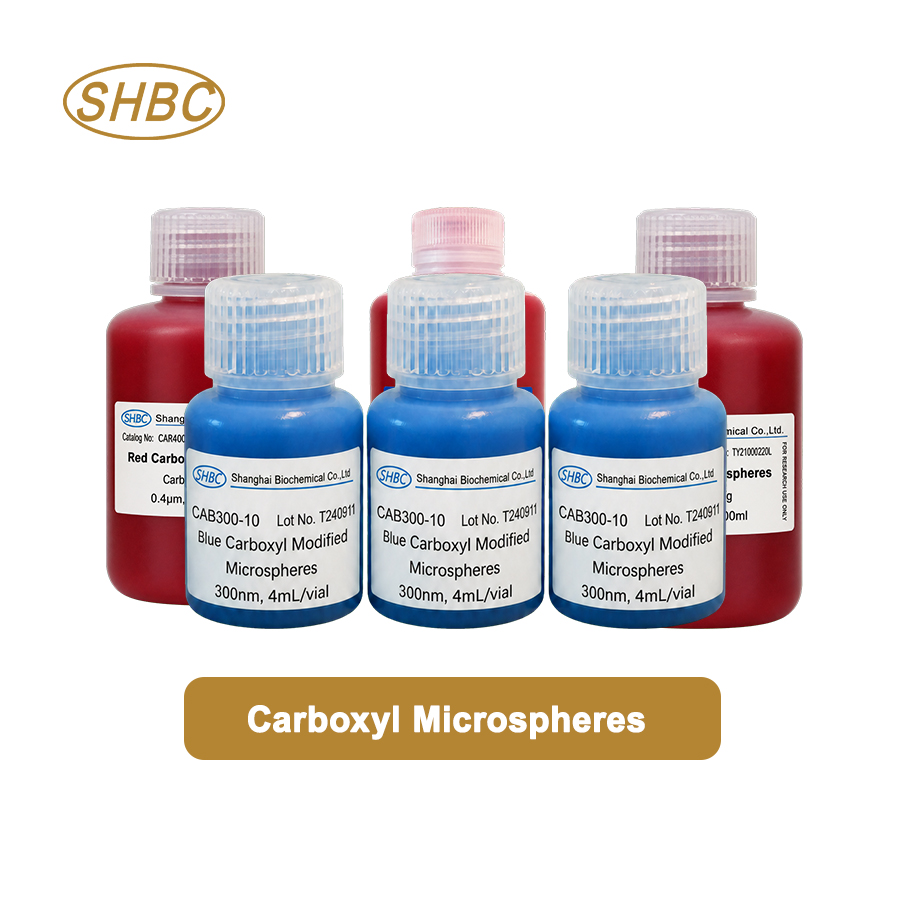 Quick Answer: Top 10 Microsphere Manufacturers Serving EuropeThe top 10 microsphere manufacturers and specialist particle suppliers serving European lateral flow assay developers in 2026 are:Merck EstaporSHBCBangs LaboratoriesPolysciencesThermo Fisher ScientificJSR Life SciencesMagsphereSpherotechmi
