Product Overview
RHAES AES Compound Enzyme Stabilizer is a Biotech Grade enzyme stabilization formulation designed for use in enzyme-containing biochemical and diagnostic reagent systems.
Enzymes may gradually lose activity during reagent preparation and storage because of temperature, pH, ionic strength and interactions with other formulation components. AES Compound Enzyme Stabilizer can be evaluated as part of a formulation strategy to help maintain enzyme activity and improve reagent stability.
RHAES is particularly suitable for research involving biochemical assays, enzyme reagent development, IVD reagent formulation and stability optimization.
Key Features
Biotech Grade
Compound enzyme stabilizer
Designed for enzyme activity stabilization
Suitable for biochemical assays
Suitable for diagnostic reagent development
Suitable for IVD reagent research
Suitable for liquid enzyme formulations
Suitable for reagent stability studies
Suitable for formulation optimization
100 g standard packaging
Technical Specifications
Parameter | Specification |
|---|
Product Code | RHAES |
Product Name | AES Compound Enzyme Stabilizer |
Product Type | Compound Enzyme Stabilizer |
Grade | Biotech Grade |
Application | Enzyme Stabilization |
Package | 100 g |
Applications
Enzyme Stabilization
Enzyme Activity Protection
IVD Reagent Development
Diagnostic Reagent Formulation
Clinical Chemistry Reagent Research
Biochemical Assays
Enzyme Assay Development
Liquid Enzyme Reagents
Reagent Stability Studies
Protein Stabilization Research
Biotechnology Research
Life Science Research
AES Compound Enzyme Stabilizer for Enzyme Stabilization
Enzyme stability is an important parameter in the development of biochemical reagents.
Loss of enzyme activity during storage can result in changes in assay signal, sensitivity and reagent consistency.
RHAES is designed as a compound enzyme stabilizer and can be evaluated to help maintain the functional activity of suitable enzymes during reagent preparation and storage.
AES Enzyme Stabilizer for IVD Reagent Development
Enzymes are widely used in in vitro diagnostic (IVD) reagents for biochemical reactions and signal generation.
Maintaining enzyme activity throughout the intended shelf life is therefore an important consideration during IVD formulation development.
RHAES can be evaluated as a stabilization component in suitable enzyme-based diagnostic reagent systems.
AES Enzyme Stabilizer for Clinical Chemistry Reagents
Many clinical chemistry reagent systems rely on one or more enzymes to catalyze reactions that generate measurable signals.
Potential research applications for AES Compound Enzyme Stabilizer include enzyme-containing systems used during the development of:
Colorimetric assays
Enzymatic biochemical assays
Coupled enzyme reactions
Clinical chemistry reagents
Diagnostic detection reagents
Compatibility should be verified for the specific assay chemistry.
AES Enzyme Stabilizer for Biochemical Assays
Biochemical assay formulations may contain buffers, enzymes, substrates, cofactors, salts, surfactants and preservatives.
Interactions among these components can affect enzyme stability.
RHAES can be incorporated into formulation screening experiments to evaluate its effect on enzyme activity and assay performance.
AES Compound Enzyme Stabilizer for Liquid Reagents
Liquid enzyme formulations can present stability challenges because enzymes remain continuously exposed to the surrounding solution.
During storage, factors such as temperature, pH and reagent composition may gradually reduce enzyme activity.
AES Compound Enzyme Stabilizer can be evaluated in suitable liquid reagent systems to help improve enzyme activity retention.
Enzyme Stabilization During Storage
Several factors can influence enzyme stability during storage:
Temperature
pH
Buffer composition
Ionic strength
Enzyme concentration
Substrates
Cofactors
Preservatives
Surfactants
Freeze-thaw cycles
Storage duration
RHAES should therefore be evaluated as part of the complete formulation rather than independently from the other reagent components.
AES Compound Enzyme Stabilizer for Reagent Stability Studies
Stability studies are important when developing enzyme-containing reagents.
Researchers can compare formulations containing AES Compound Enzyme Stabilizer with control formulations and monitor enzyme performance under different storage conditions.
Evaluation may include both accelerated and real-time stability studies.
Compound Enzyme Stabilizer vs Single-Component Stabilizer
Single-component stabilizers contain one defined chemical or biological substance.
A compound enzyme stabilizer is a formulated system designed to provide combined stabilization effects.
Compound systems can be useful when multiple factors contribute to enzyme instability, although their effectiveness must be confirmed for each specific enzyme formulation.
Enzyme Stabilizer vs Enzyme Protectant
The terms enzyme stabilizer and enzyme protectant describe closely related functions.
An enzyme stabilizer is intended to help maintain enzyme stability and activity during formulation and storage.
An enzyme protectant similarly aims to reduce enzyme activity loss caused by unfavorable environmental or formulation conditions.
The appropriate product should be selected according to experimental performance and the specific enzyme system.
RHAES vs RHAFP, RHHP and RHMP
The current product series includes several enzyme stabilization formulations:
Product | Type | Grade | Package |
|---|
RHAFP | AFP Compound Enzyme Protectant | — | 100 g |
RHHP | HP Compound Enzyme Protectant | — | 100 g |
RHMP | MP Compound Enzyme Protectant | — | 500 g |
RHAES | AES Compound Enzyme Stabilizer | Biotech Grade | 100 g |
RHAES is specifically listed as Biotech Grade and described as a compound enzyme stabilizer.
The available information does not provide detailed formulation differences between these products, so enzyme-specific claims should only be added when supported by technical documentation.
How to Evaluate AES Enzyme Stabilizer
A practical formulation study can prepare a control and several test formulations containing different concentrations of AES Compound Enzyme Stabilizer.
Parameters that may be evaluated include:
This allows researchers to determine the suitability of RHAES for their specific reagent system.
How to Select an Enzyme Stabilizer
Selection should consider:
The optimal stabilizer and concentration should be determined experimentally.
Product Advantages
RHAES provides a Biotech Grade compound enzyme stabilizer for enzyme-containing biochemical and diagnostic reagent development.
It is suitable for formulation screening, enzyme activity stabilization, IVD reagent research and biochemical assay optimization.
The standard package is 100 g.
Storage and Handling
Keep the container tightly sealed.
Protect from moisture and contamination.
Use clean laboratory equipment during preparation.
Determine the appropriate working concentration experimentally.
Confirm compatibility with the enzyme and complete reagent formulation.
Avoid unnecessary repeated exposure of the bulk product.
Store according to the recommended product documentation.
Packaging
Standard Packaging: 100 g
Bulk quantities can be discussed upon request.
Frequently Asked Questions (FAQ)
What is RHAES?
RHAES is an AES Compound Enzyme Stabilizer supplied as Biotech Grade for enzyme-containing biochemical and diagnostic reagent formulation.
What is AES Compound Enzyme Stabilizer used for?
It can be evaluated for enzyme stabilization, biochemical assays, IVD reagent development, clinical chemistry reagent research and reagent stability optimization.
Is RHAES an enzyme?
No. RHAES is an enzyme stabilizing formulation, not an active enzyme.
What grade is RHAES?
RHAES is specified as Biotech Grade.
Can RHAES be used for IVD reagent development?
Yes. It can be evaluated during research and formulation development of suitable enzyme-containing IVD reagents.
Can AES Compound Enzyme Stabilizer be used in liquid reagents?
Yes, it can be evaluated in suitable liquid enzyme formulations. Actual stability improvement should be confirmed experimentally.
What is the difference between RHAES and RHAFP?
RHAES is listed as AES Compound Enzyme Stabilizer, Biotech Grade, while RHAFP is listed as AFP Compound Enzyme Protectant. Their detailed compositions are not provided, so specific performance differences should not be claimed without technical data.
What concentration of RHAES should be used?
No universal working concentration is provided in the current specification. The optimal concentration should be determined according to the specific enzyme and formulation.
Does RHAES have a CAS number?
No CAS number is provided. As a compound formulation, RHAES should not be assigned a single CAS number unless confirmed by the manufacturer.
What packaging is available?
The standard package for RHAES AES Compound Enzyme Stabilizer is 100 g.


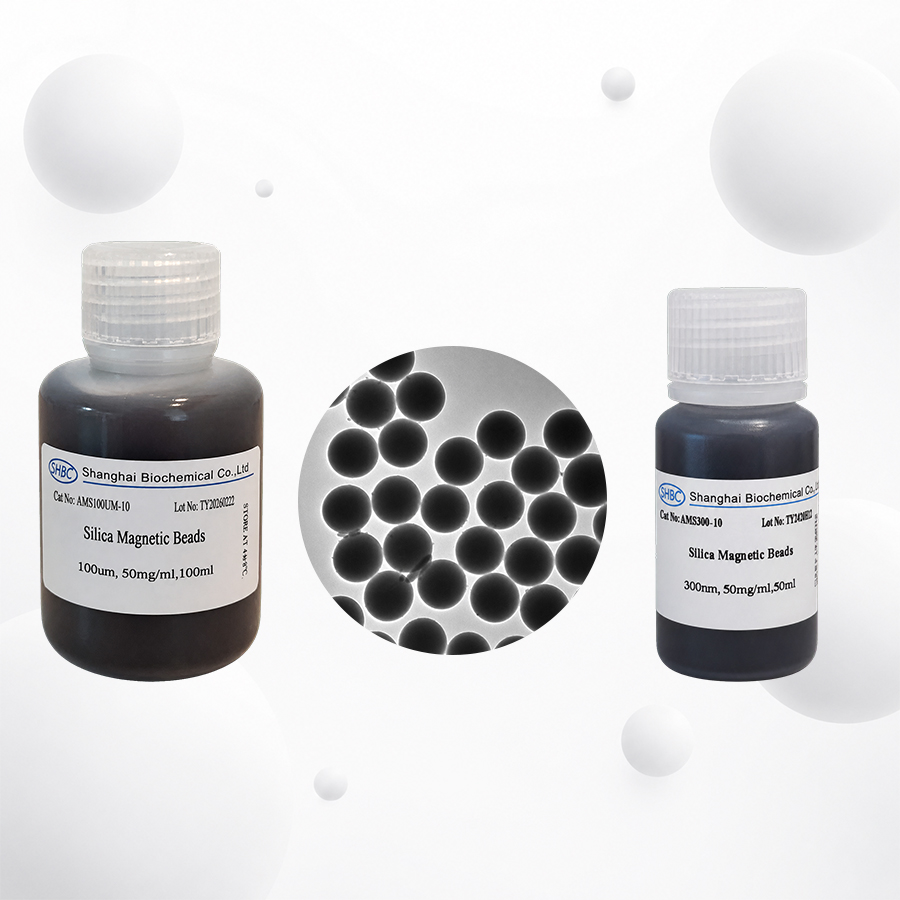 How Silica Magnetic Beads Work: Quick AnswerSilica magnetic beads extract DNA and RNA through a reversible bind–wash–elute process.First, a lysis buffer breaks open cells, viruses or other biological materials and releases nucleic acids into solution. A binding buffer containing salts—and often alco
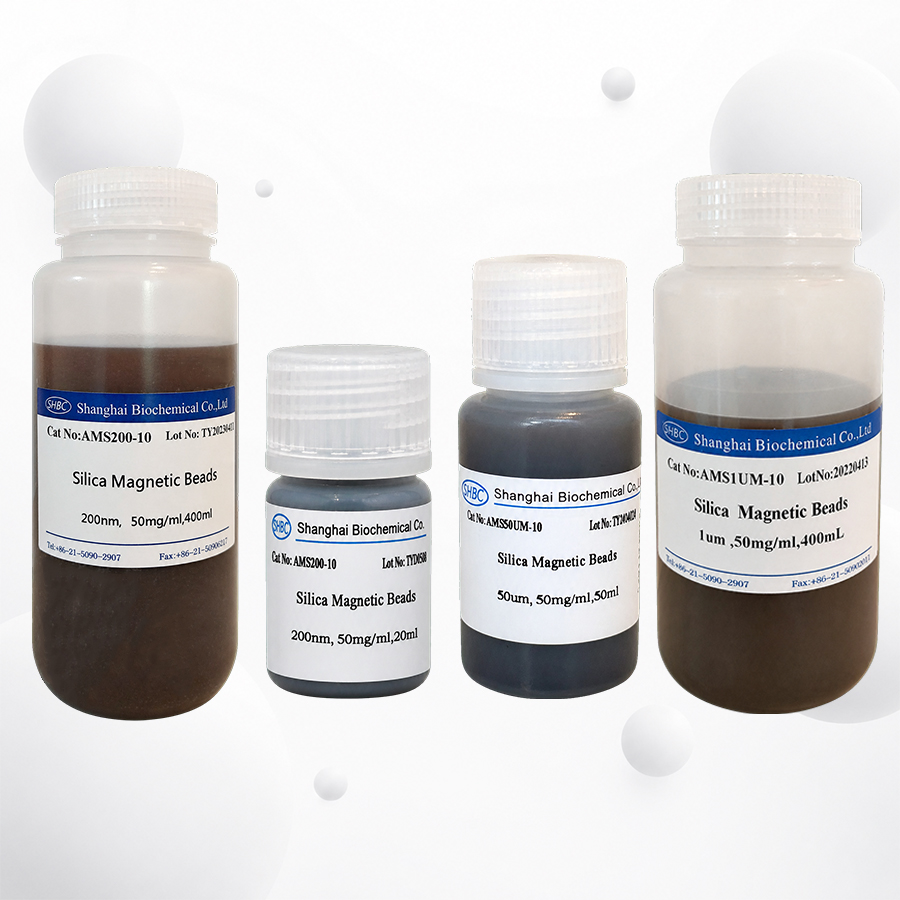 Overview of the Silica Magnetic Bead MarketSilica magnetic beads are functional magnetic particles used to extract and purify DNA or RNA from biological, clinical, food, environmental and research samples.A typical bead contains a magnetic core and a silica or silica-like outer surface. Under suitab
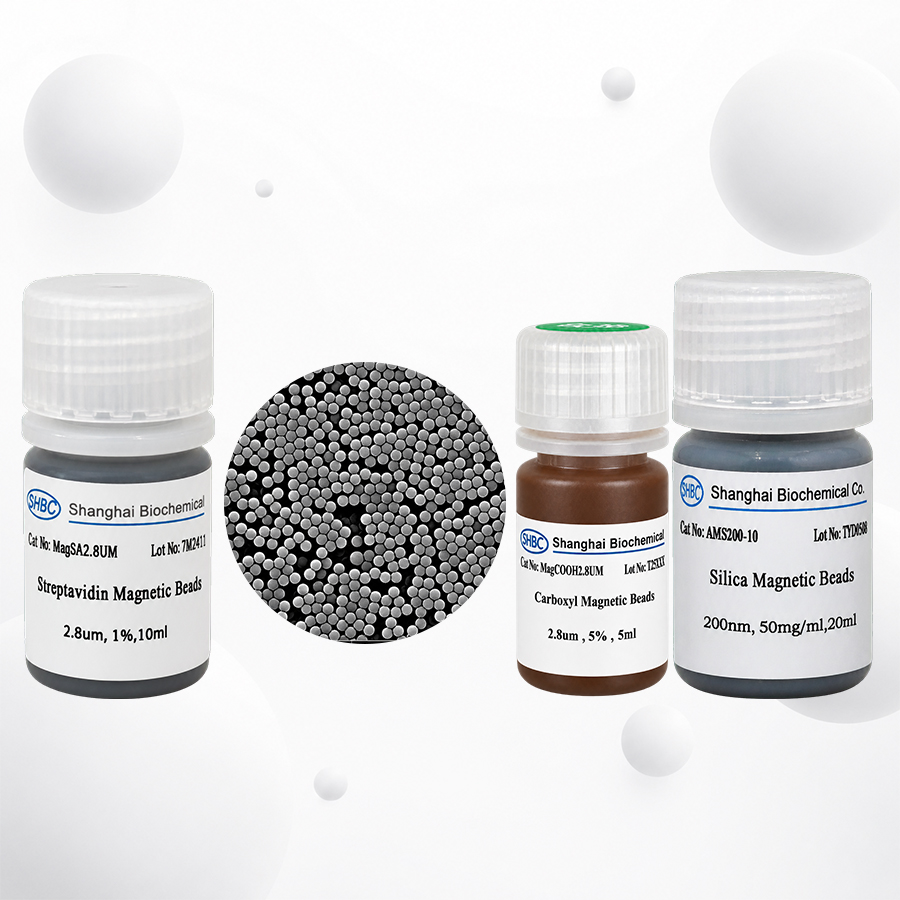 How to Choose Silica Magnetic Beads: Quick AnswerChoose silica magnetic beads according to the complete extraction workflow—not according to particle diameter or catalog price alone.The correct bead must match:The target nucleic acid;The sample matrix;The expected nucleic acid concentration;The requ
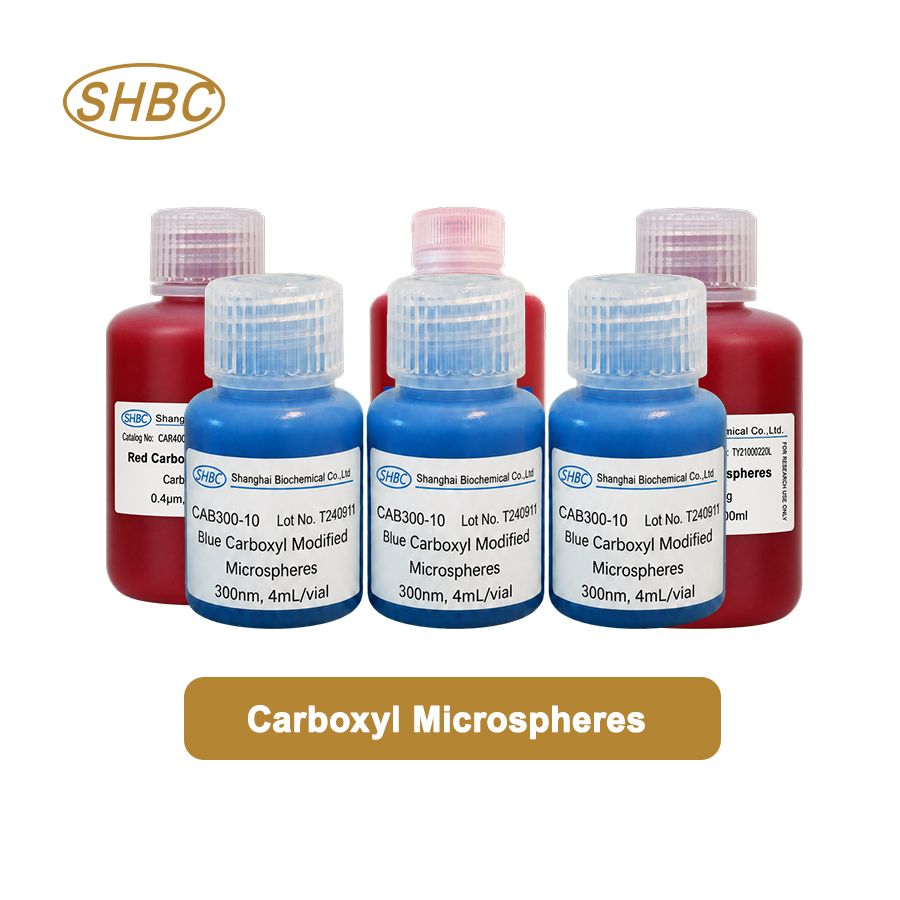 Quick Answer: Top 10 Microsphere Manufacturers Serving EuropeThe top 10 microsphere manufacturers and specialist particle suppliers serving European lateral flow assay developers in 2026 are:Merck EstaporSHBCBangs LaboratoriesPolysciencesThermo Fisher ScientificJSR Life SciencesMagsphereSpherotechmi
