Product Overview
SHBC Chelating TopAC FF is an IDA-based metal chelate chromatography resin designed for protein separation and purification.
According to the supplied product information, iminodiacetic acid (IDA) ligands are covalently cross-linked to the Top-FF matrix. The resin can bind transition metal ions such as Cu²⁺, Co²⁺, Ni and Zn.
The specified chelating metal ability is approximately 34 μmol/mL for Cu²⁺.
After metal ions are immobilized on the resin, they can interact with histidine, cysteine and tryptophan residues on target proteins, enabling affinity-based protein separation.
Key Features
IDA (Iminodiacetic Acid) ligand
Top-FF chromatography matrix
≈34 μmol/mL Cu²⁺ chelating ability
Designed for metal chelate chromatography
Can bind multiple transition metal ions
Suitable for protein separation
Suitable for protein purification
Metal ion-mediated affinity interaction
Seven package sizes from 25 mL to 20 L
Technical Specifications
Parameter | Specification |
|---|
Product Name | Chelating TopAC FF |
Brand | SHBC |
English Name | Chelating IDA Chromatography Resin FF |
Series | FF |
Matrix | Top-FF Matrix |
Ligand | IDA (Iminodiacetic Acid) |
Reference Metal Ion | Cu²⁺ |
Chelating Metal Ability | ≈34 μmol/mL (Cu²⁺) |
Metal Ions Listed | Cu²⁺ / Co²⁺ / Ni / Zn |
Chromatography Mode | Metal Chelate Chromatography |
Main Application | Protein Separation and Purification |
Package | 25 mL / 100 mL / 300 mL / 1 L / 5 L / 10 L / 20 L |
SHBC Art.No. | Packaging Specification |
|---|
A5043 | 25 mL |
A5044 | 100 mL |
A5045 | 300 mL |
A5046 | 1 L |
A5047 | 5 L |
A5048 | 10 L |
A5049 | 20 L |
IDA Chelating Ligand
Chelating TopAC FF uses IDA (iminodiacetic acid) as its metal-chelating ligand.
According to the supplied product description, IDA ligands are covalently cross-linked to the Top-FF matrix, providing sites for binding transition metal ions.
The immobilized metal ions can subsequently participate in affinity interactions with suitable target proteins.
The specified metal chelating ability of Chelating TopAC FF is:
≈34 μmol/mL (Cu²⁺)
This value refers specifically to the resin's Cu²⁺ chelating ability.
It is a metal ion capacity and should not be interpreted as a protein dynamic binding capacity.
According to the supplied information, Chelating TopAC FF can bind transition metal ions including:
These metal ions provide the affinity interaction sites required for metal chelate chromatography.
Protein Interaction Mechanism
After transition metal ions are immobilized on the resin, they can interact with amino acid residues on target proteins.
The supplied product information specifically identifies:
Histidine
Cysteine
Tryptophan
These interactions enable separation of suitable target proteins by metal chelate chromatography.
Protein Separation and Purification
Chelating TopAC FF is designed for protein separation using immobilized transition metal ions.
The IDA ligand binds the metal ions, while the immobilized metal subsequently interacts with appropriate residues on the target protein.
This provides an affinity-based mechanism for protein separation and purification.
Applications
SHBC Chelating TopAC FF can be used for:
Metal chelate chromatography
Protein separation
Protein purification
Affinity chromatography
Metal ion-mediated protein separation
Downstream protein purification
Chromatography method development
Product Advantages
Chelating TopAC FF provides:
IDA-based metal chelation
≈34 μmol/mL Cu²⁺ chelating ability
Top-FF matrix
Multiple transition metal ion binding
Protein affinity interaction
Suitable for protein separation and purification
Multiple packaging options from 25 mL to 20 L
Chelating TopAC FF vs. IMAC TopAC FF
These two products are both metal chelate chromatography media, but the supplied specifications are different.
Feature | Chelating TopAC FF | IMAC TopAC FF |
|---|
English Name | Chelating IDA Chromatography Resin FF | Ni-NTA Affinity Chromatography Resin FF |
Ligand | IDA | NTA |
Matrix | Top-FF Matrix | Cross-linked Agarose |
Reference Metal | Cu²⁺ | Ni²⁺ |
Metal Capacity | ≈34 μmol/mL Cu²⁺ | ≈15 μmol/mL Ni²⁺ |
Main Type | Metal Chelate Chromatography | Metal Chelate Affinity Chromatography |
The two capacity values use different reference metal ions, so they should not be treated as a direct protein-binding-capacity comparison.
Available Package Sizes
Chelating TopAC FF is available in:
25 mL / 100 mL / 300 mL / 1 L / 5 L / 10 L / 20 L
This range supports laboratory evaluation, chromatography method development and larger-scale purification applications.
Frequently Asked Questions
What is Chelating TopAC FF?
Chelating TopAC FF is an IDA-based metal chelate chromatography resin designed for protein separation and purification.
What is the English product name?
The supplied English name is Chelating IDA Chromatography Resin FF.
What ligand is used?
The resin uses IDA (iminodiacetic acid) as the chelating ligand.
What matrix is used?
According to the supplied product description, the IDA ligand is covalently cross-linked to the Top-FF matrix.
The specified chelating ability is approximately 34 μmol/mL for Cu²⁺.
Is 34 μmol/mL the protein binding capacity?
No. It represents Cu²⁺ chelating ability, not protein dynamic binding capacity.
The supplied information lists Cu²⁺, Co²⁺, Ni and Zn.
How does the resin separate proteins?
Immobilized metal ions interact with suitable residues on target proteins, enabling affinity-based separation.
The supplied information identifies histidine, cysteine and tryptophan.
What is the main application?
The product is designed for metal chelate chromatography and protein separation.
Is the particle size specified?
No. The supplied information does not provide a particle-size specification.
What package sizes are available?
Available sizes are 25 mL, 100 mL, 300 mL, 1 L, 5 L, 10 L and 20 L.
What are the SHBC Art.No. numbers?
The corresponding Art.No. are A5043–A5049.
What brand is Chelating TopAC FF?
Chelating TopAC FF is supplied under the SHBC brand.


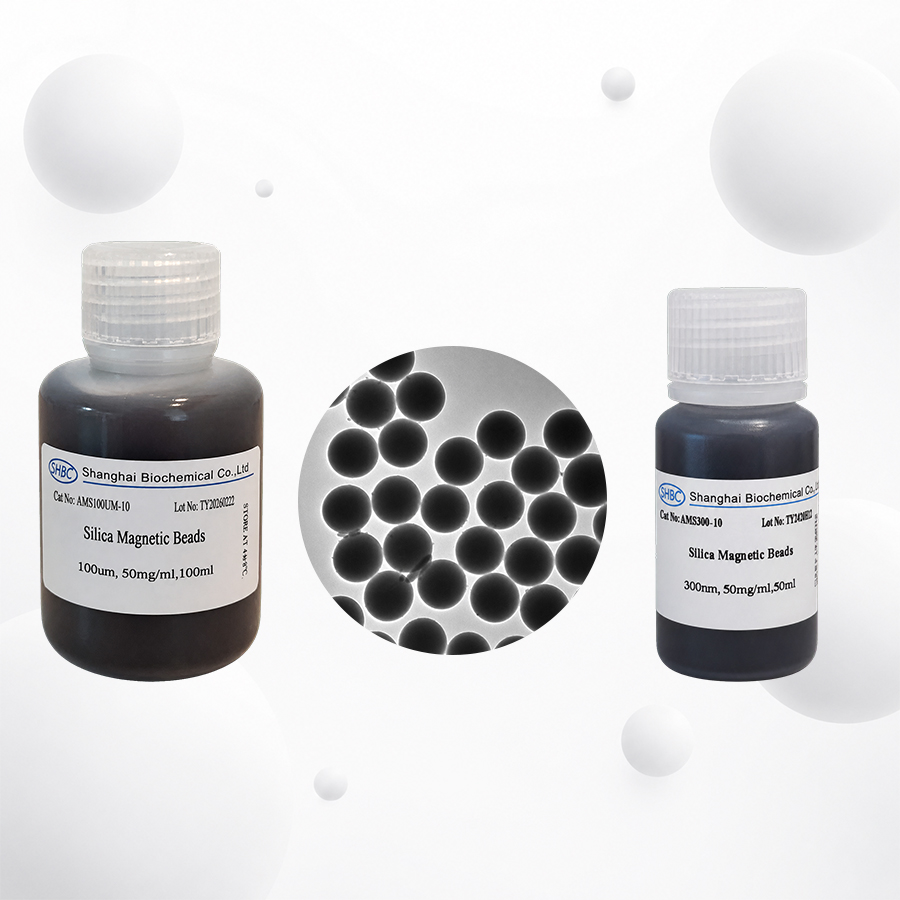 How Silica Magnetic Beads Work: Quick AnswerSilica magnetic beads extract DNA and RNA through a reversible bind–wash–elute process.First, a lysis buffer breaks open cells, viruses or other biological materials and releases nucleic acids into solution. A binding buffer containing salts—and often alco
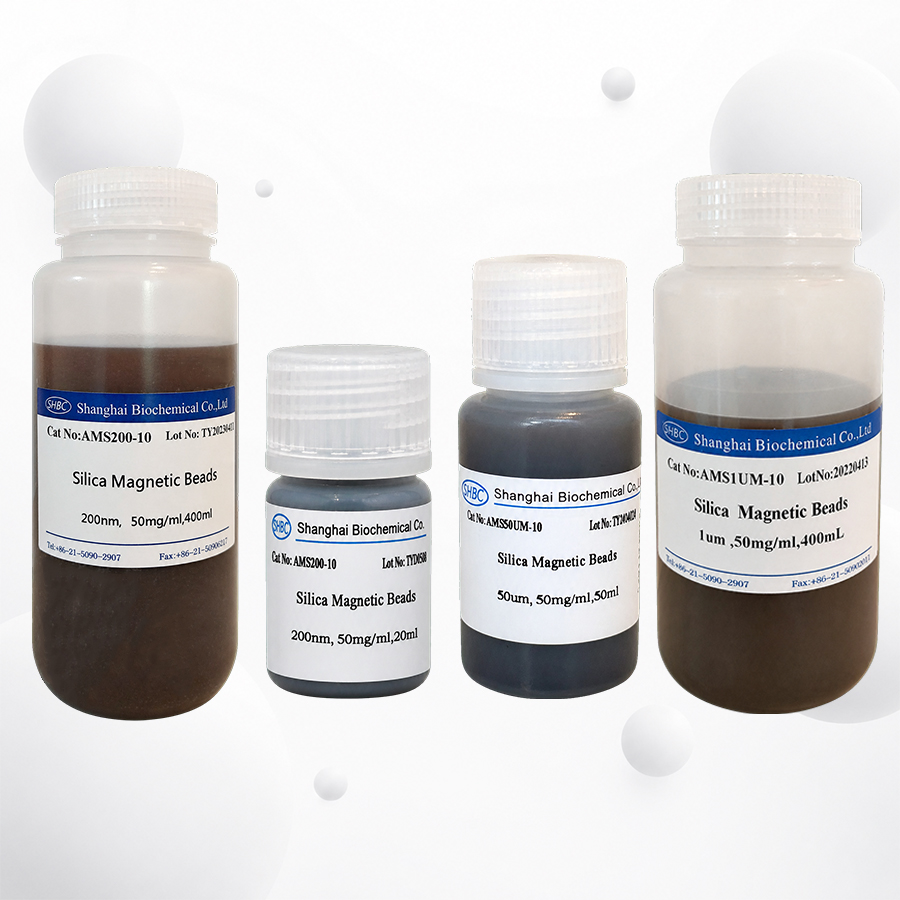 Overview of the Silica Magnetic Bead MarketSilica magnetic beads are functional magnetic particles used to extract and purify DNA or RNA from biological, clinical, food, environmental and research samples.A typical bead contains a magnetic core and a silica or silica-like outer surface. Under suitab
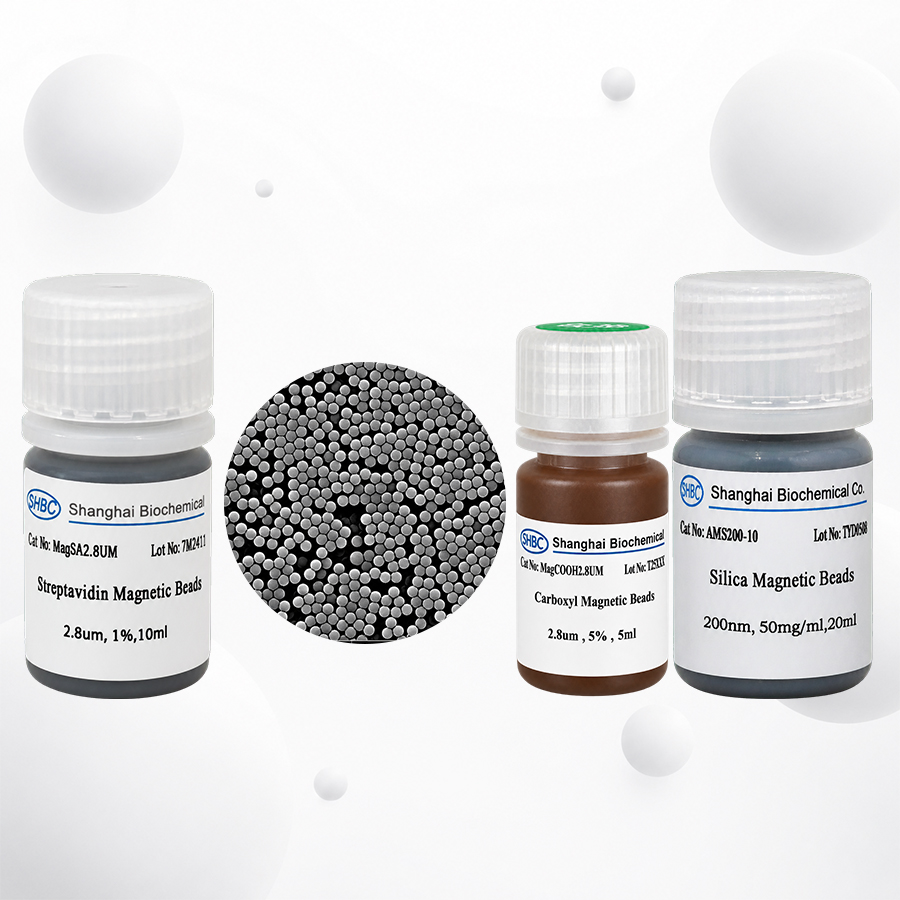 How to Choose Silica Magnetic Beads: Quick AnswerChoose silica magnetic beads according to the complete extraction workflow—not according to particle diameter or catalog price alone.The correct bead must match:The target nucleic acid;The sample matrix;The expected nucleic acid concentration;The requ
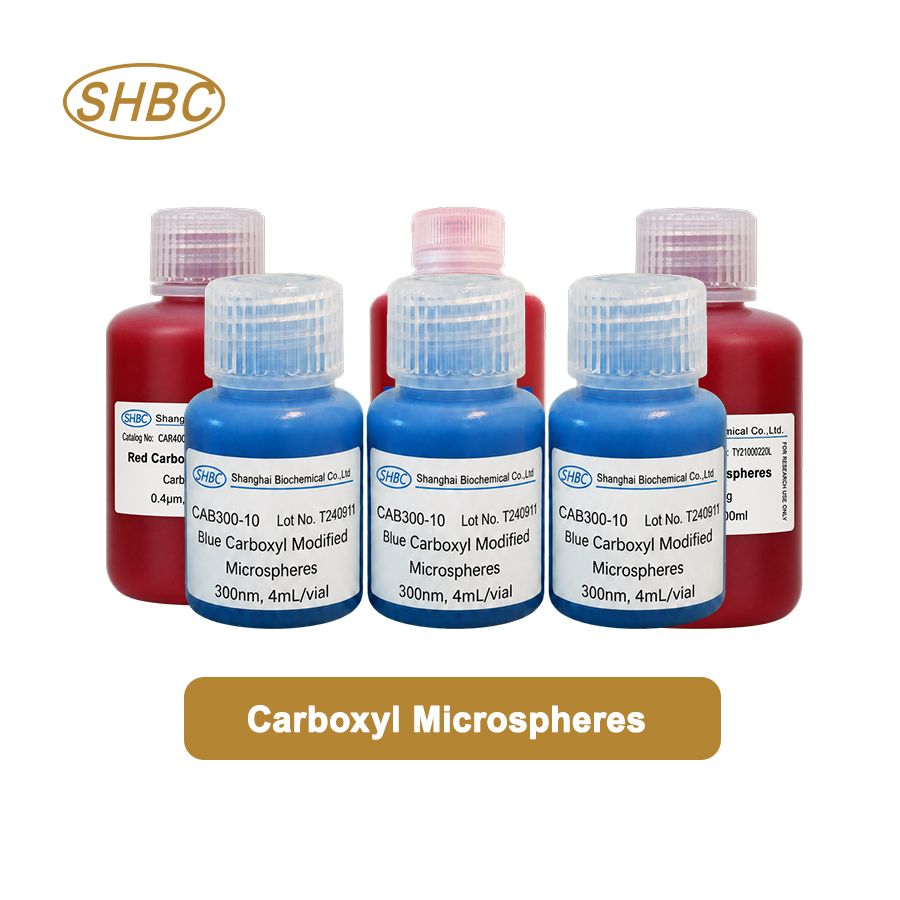 Quick Answer: Top 10 Microsphere Manufacturers Serving EuropeThe top 10 microsphere manufacturers and specialist particle suppliers serving European lateral flow assay developers in 2026 are:Merck EstaporSHBCBangs LaboratoriesPolysciencesThermo Fisher ScientificJSR Life SciencesMagsphereSpherotechmi
