Fmoc-Ala-Wang Resin for C-Terminal Alanine Peptides
SHBC Fmoc-Ala-Wang Resin is a preloaded solid support for Fmoc solid-phase peptide synthesis of peptides containing C-terminal L-alanine.
Fmoc-L-alanine is attached to an acid-labile Wang linker on a 1% DVB-crosslinked polystyrene matrix. After peptide assembly and acidic cleavage, the resin produces a peptide ending in L-Ala-COOH.
The 0.3–0.8 mmol/g loading range and 100–200 mesh particle size support research, process development and batch peptide synthesis.
Product Specifications
Parameter | Specification |
|---|
Product Name | Fmoc-Ala-Wang Resin |
Synonyms | Fmoc-L-Ala-Wang Resin, Fmoc-L-Alanine Wang Resin |
Brand | SHBC |
Manufacturer | Shanghai SanYu Biotechnology Co., Ltd. |
Matrix | Crosslinked Polystyrene |
Linker | Acid-Labile Wang Linker |
Preloaded Amino Acid | Fmoc-L-Ala-OH |
Loading | 0.3–0.8 mmol/g |
Particle Size | 100–200 Mesh |
Crosslinking | 1% DVB |
Synthesis Strategy | Fmoc SPPS |
Final C-Terminus | L-Ala-COOH |
Form | Polymer Resin Beads |
Product Identification | Refer to the SHBC COA and SDS |
CAS 35661-39-3 identifies free Fmoc-Ala-OH. Product-specific polymer resin identification should follow the SHBC COA and SDS.
Key Advantages
Ready-to-Use Preloaded Resin
L-Alanine is already attached to the Wang linker, eliminating the first amino acid loading step.
Defined C-Terminal Alanine
The resin is designed for peptides that require L-alanine as the C-terminal residue and a free carboxylic acid after cleavage.
Controlled Loading Range
The 0.3–0.8 mmol/g range provides options for balancing synthesis capacity, reagent accessibility and aggregation risk.
Compatible with Fmoc SPPS
The Wang linkage remains stable during standard base-mediated Fmoc deprotection and amino acid coupling cycles.
Acid-Labile Peptide Release
The completed peptide can be cleaved using a validated TFA-based system, normally together with side-chain deprotection.
Practical Polystyrene Matrix
The 100–200 mesh, 1% DVB-crosslinked matrix supports swelling, reagent diffusion, filtration and mechanical handling.
How Fmoc-Ala-Wang Resin Works
The C-terminal L-alanine is supplied pre-attached to the Wang linker through an acid-labile ester bond.
A typical synthesis workflow includes:
Pre-swell the resin in a compatible SPPS solvent.
Remove the Fmoc group from resin-bound alanine.
Couple the next protected amino acid.
Continue repeated Fmoc deprotection and coupling cycles.
Wash the resin between reaction steps.
Cleave and deprotect the completed peptide using validated acidic conditions.
Purify and characterize the resulting peptide acid.
The final product contains L-alanine as the C-terminal amino acid.
Applications
SHBC Fmoc-Ala-Wang Resin can be used for:
C-terminal alanine peptide synthesis
Fmoc solid-phase peptide synthesis
Peptide acids
Therapeutic peptide research
Antigenic and epitope peptides
Enzyme substrate peptides
Peptide reference standards
Peptide library synthesis
Modified and labeled peptides
Peptidomimetic development
Bioconjugation intermediates
Research-scale and batch peptide production
The resin is particularly useful when the target sequence is predetermined to end in L-Ala-COOH.
Selecting the Right Resin Loading
Resin loading affects synthesis capacity, coupling accessibility and peptide aggregation.
Lower loading within the available range may be preferred for:
Higher loading may improve batch productivity for shorter and less demanding peptides.
Use the lot-specific loading value from the COA when calculating resin quantity and reagent equivalents.
Fmoc-Ala-Wang Resin vs Other SPPS Supports
Product | Preloaded Building Block | Final C-Terminus | Main Use |
|---|
Fmoc-Ala-Wang Resin | Fmoc-L-Ala-OH | L-Ala-COOH | Peptides ending in L-alanine |
Fmoc-D-Ala-Wang Resin | Fmoc-D-Ala-OH | D-Ala-COOH | Peptides ending in D-alanine |
Unloaded Wang Resin | None | Determined by Loading | Custom peptide acid synthesis |
2-CTC Resin | None | Determined by Loading | Protected or acid-sensitive fragments |
Rink Amide Resin | None | Primary Amide | C-terminal peptide amides |
Fmoc-Ala-OH | Free Amino Acid | Not Applicable | Soluble SPPS building block |
Fmoc-Ala-Wang Resin and free Fmoc-Ala-OH are different products. One is a polymer-bound preloaded support; the other is a soluble amino acid derivative.
Quality Control and Storage
Recommended qualification parameters include:
Alanine loading
Fmoc content
L-Alanine stereochemical purity
Particle-size distribution
DVB crosslinking percentage
Moisture content
Residual free Wang linker sites
Resin swelling
Fmoc deprotection response
Test-coupling efficiency
Cleavage performance
Lot-to-lot consistency
Keep the resin tightly sealed in a cool, dry environment according to the product label and SDS. Protect it from moisture and contamination.
Frequently Asked Questions
What is Fmoc-Ala-Wang Resin?
It is a Wang-type polystyrene resin preloaded with Fmoc-protected L-alanine for Fmoc solid-phase peptide synthesis.
What C-terminus is obtained after cleavage?
The final peptide contains L-alanine with a free C-terminal carboxylic acid.
Does alanine need to be loaded before synthesis?
No. Fmoc-L-alanine is already attached to the Wang linker.
Is Fmoc-Ala-Wang Resin the same as Fmoc-Ala-OH?
No. Fmoc-Ala-Wang Resin is a polymer-bound support. Fmoc-Ala-OH is a soluble amino acid building block.
What is the first synthesis step?
After resin swelling, remove the Fmoc protecting group from resin-bound alanine and couple the next amino acid.
Is it compatible with automated peptide synthesizers?
Yes. It can be used with compatible automated Fmoc-SPPS workflows after method optimization.
How is the peptide cleaved?
A validated TFA-based cleavage system is commonly used. The exact acid concentration, scavengers and reaction time depend on the sequence and protecting groups.
Which loading should I choose?
Lower loading is often selected for long or aggregation-prone peptides. Higher loading may improve productivity for shorter sequences.
Please provide the required quantity, target loading, peptide application, packaging requirement and required technical documents.
Request a Sample or Bulk Quote
SHBC supplies Fmoc-Ala-Wang Resin for Fmoc-SPPS, peptide process development and batch production.
Contact Shanghai SanYu Biotechnology Co., Ltd. to request evaluation quantities, bulk packaging, lot-specific loading data, COA, SDS and quotation details.
For research and process-development use unless otherwise specified.


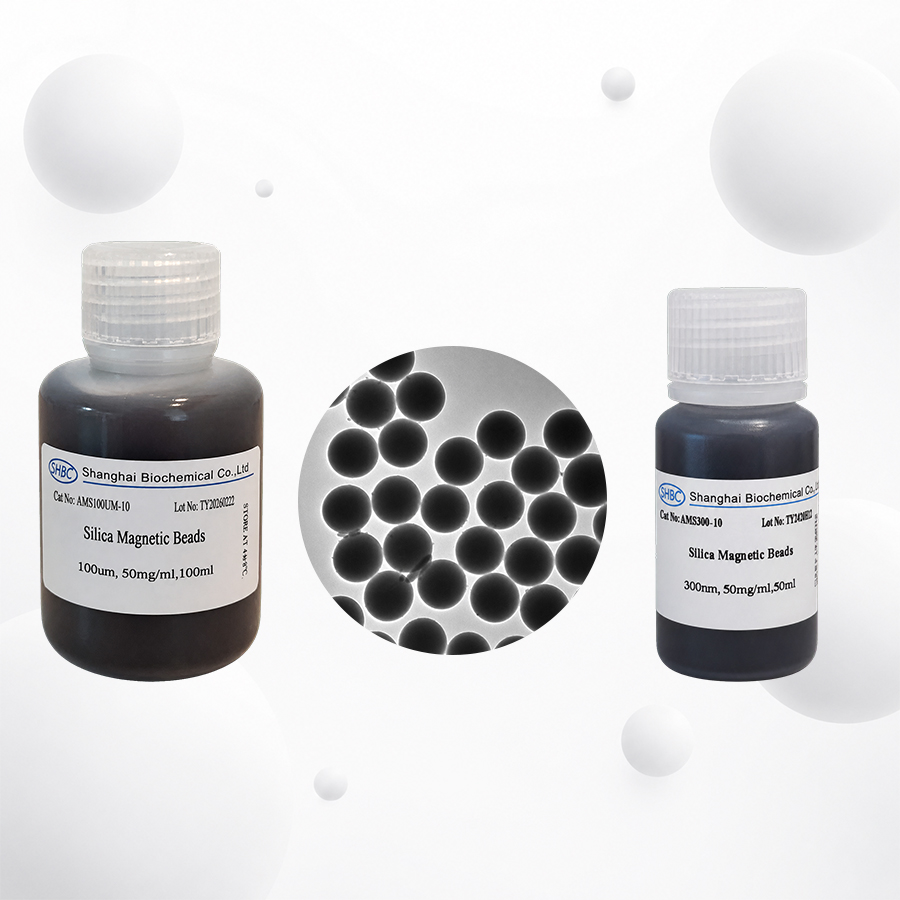 How Silica Magnetic Beads Work: Quick AnswerSilica magnetic beads extract DNA and RNA through a reversible bind–wash–elute process.First, a lysis buffer breaks open cells, viruses or other biological materials and releases nucleic acids into solution. A binding buffer containing salts—and often alco
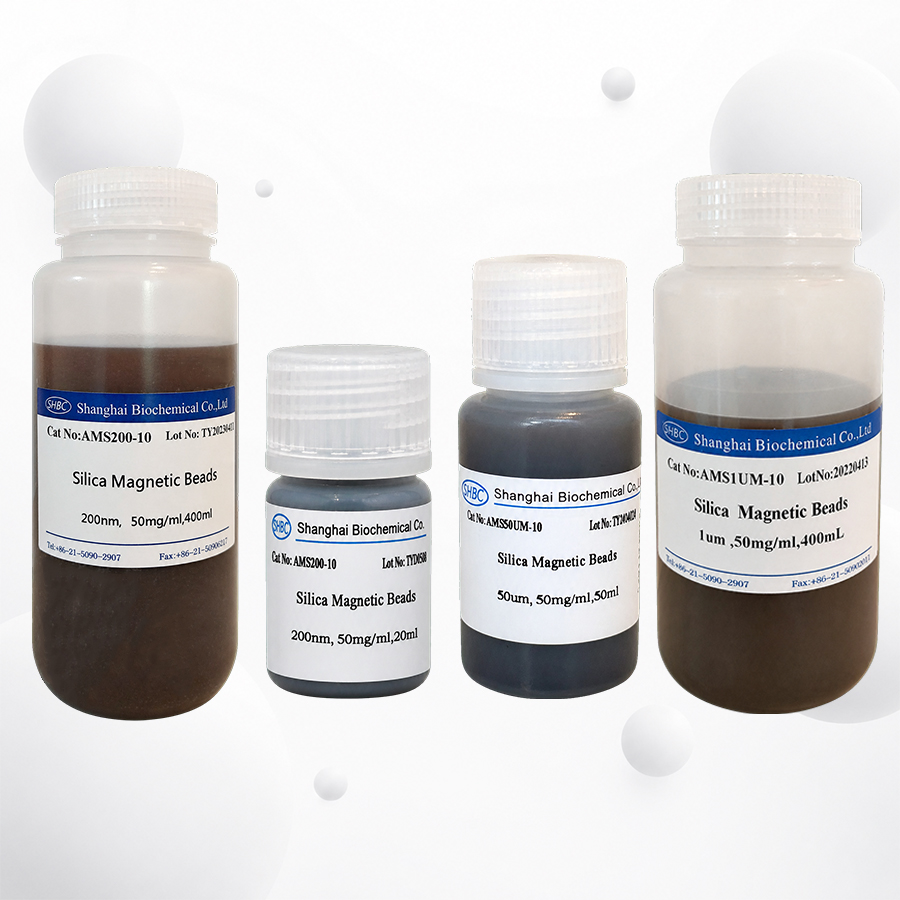 Overview of the Silica Magnetic Bead MarketSilica magnetic beads are functional magnetic particles used to extract and purify DNA or RNA from biological, clinical, food, environmental and research samples.A typical bead contains a magnetic core and a silica or silica-like outer surface. Under suitab
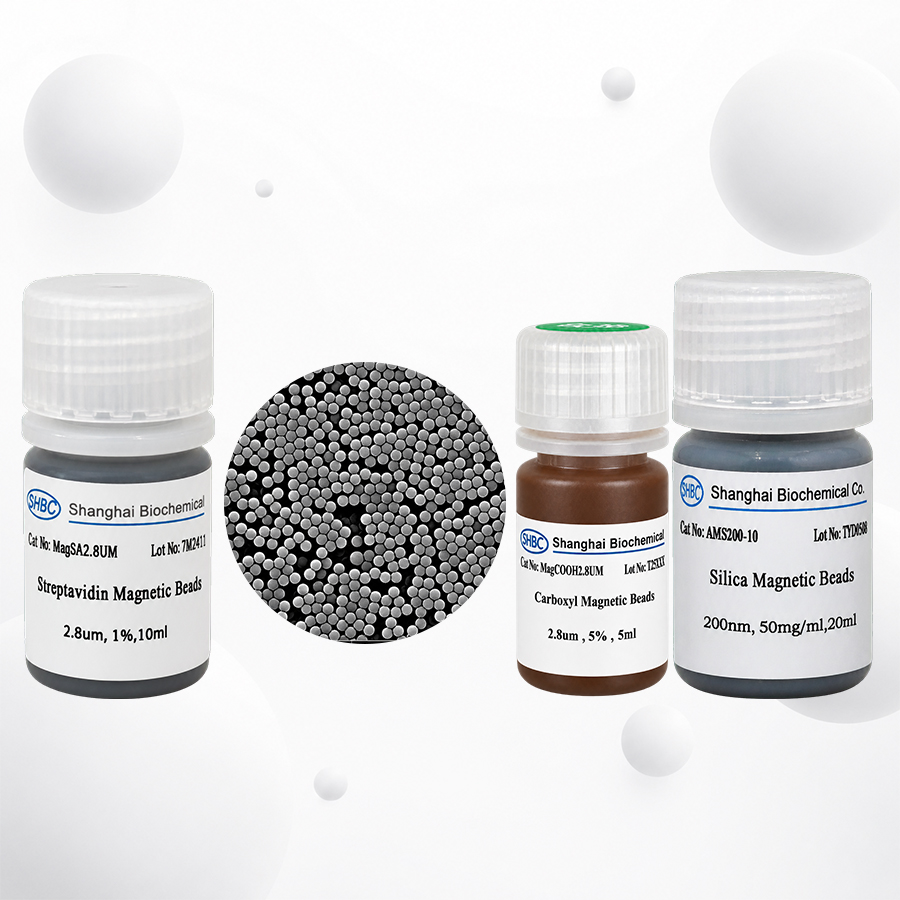 How to Choose Silica Magnetic Beads: Quick AnswerChoose silica magnetic beads according to the complete extraction workflow—not according to particle diameter or catalog price alone.The correct bead must match:The target nucleic acid;The sample matrix;The expected nucleic acid concentration;The requ
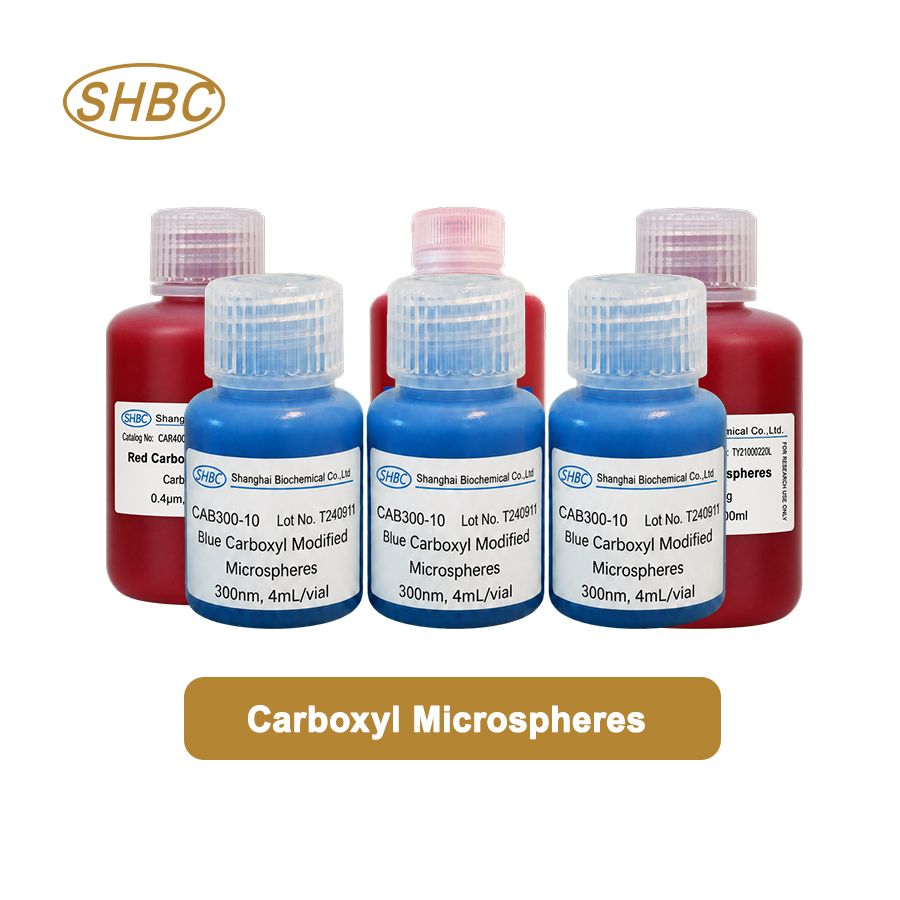 Quick Answer: Top 10 Microsphere Manufacturers Serving EuropeThe top 10 microsphere manufacturers and specialist particle suppliers serving European lateral flow assay developers in 2026 are:Merck EstaporSHBCBangs LaboratoriesPolysciencesThermo Fisher ScientificJSR Life SciencesMagsphereSpherotechmi
