H-Thr(tBu)-ol-2-CT Resin for Peptide Alcohol Synthesis
SHBC H-Thr(tBu)-ol-2-Chlorotrityl Resin is a preloaded solid support for Fmoc solid-phase peptide synthesis of peptides containing a C-terminal threoninol.
O-tert-butyl-protected threoninol is attached to an acid-labile 2-chlorotrityl linker on a 1% DVB-crosslinked polystyrene matrix. Its free amino group is available for direct coupling with the next Fmoc-protected amino acid.
The resin is particularly suitable for octreotide, related somatostatin analogues and other C-terminal peptide alcohols.
Product Specifications
Parameter | Specification |
|---|
Product Name | H-Thr(tBu)-ol-2-Chlorotrityl Resin |
Abbreviated Name | H-Thr(tBu)-ol-2-CT Resin |
Chemical Name | O-tert-Butyl-L-threoninol-2-chlorotrityl Resin |
Brand | SHBC |
Manufacturer | Shanghai SanYu Biotechnology Co., Ltd. |
Matrix | Crosslinked Polystyrene |
Linker | 2-Chlorotrityl Linker |
Preloaded Building Block | H-L-Thr(tBu)-ol |
Amino Group | Free Amine |
Hydroxyl Protection | tert-Butyl |
Particle Size | 100–200 Mesh |
Crosslinking | 1% DVB |
Synthesis Strategy | Fmoc SPPS |
Final C-Terminus | Threoninol after Deprotection |
Loading Capacity | Please Request Lot-Specific Data |
CAS Number | Refer to the Product-Specific SHBC COA |
Key Advantages
Ready for Direct Coupling
The free threoninol amino group can be coupled directly with an Fmoc-protected amino acid, eliminating in-house resin loading.
Produces C-Terminal Peptide Alcohols
After peptide assembly, cleavage and deprotection, the resin provides a peptide containing a C-terminal threoninol group.
Suitable for Octreotide Synthesis
H-Thr(tBu)-ol-2-CT Resin can serve as the starting support for Fmoc-SPPS routes to octreotide and related threoninol-containing peptides.
Protected Hydroxyl Functionality
The tert-butyl group protects the threoninol hydroxyl during repeated coupling and Fmoc-deprotection cycles.
Avoids Post-Synthesis Reduction
Direct use of threoninol-preloaded resin can reduce the need to convert a conventional C-terminal peptide acid into a peptide alcohol.
Flexible Cleavage Strategy
The 2-chlorotrityl linkage supports mild release of protected intermediates or stronger global cleavage and deprotection, depending on the synthesis route.
Practical Resin Matrix
The 100–200 mesh, 1% DVB-crosslinked polystyrene matrix supports swelling, reagent diffusion, filtration and batch handling.
How H-Thr(tBu)-ol-2-CT Resin Works
The protected threoninol building block is immobilized on the 2-chlorotrityl support. Its free amino group initiates peptide-chain assembly.
A general workflow includes:
Pre-swell the resin in a compatible SPPS solvent.
Couple the first Fmoc-protected amino acid to the free threoninol amine.
Remove the Fmoc group.
Continue repeated deprotection and coupling cycles.
Wash the resin between reaction steps.
Cleave the linear peptide using a validated acid system.
Remove the tBu and other protecting groups as required.
Complete any necessary cyclization, oxidation or purification steps.
For an octreotide synthesis route, Fmoc-Cys(Trt)-OH may be coupled as the first amino acid after the resin-bound threoninol.
All reaction conditions must be optimized for the sequence, loading and synthesis scale.
Applications in Octreotide and Peptide Synthesis
SHBC H-Thr(tBu)-ol-2-CT Resin can be used for:
Octreotide synthesis
Octreotide analogue development
Somatostatin analogue research
C-terminal threoninol peptides
Peptide alcohol synthesis
Cyclic peptide intermediates
Protected peptide fragments
Fmoc solid-phase peptide synthesis
Peptidomimetic development
Enzyme and protease inhibitor research
Modified peptide synthesis
Peptide drug process development
Research-scale and batch synthesis
The resin is particularly useful when threoninol is an essential structural element of the target peptide.
H-Thr(tBu)-ol Resin vs Similar SPPS Resins
Resin | Amino Protection | Final C-Terminus | Main Use |
|---|
H-Thr(tBu)-ol-2-CT Resin | Free Amine | Threoninol | Direct coupling for peptide alcohols |
Fmoc-Thr(tBu)-ol-2-CT Resin | Fmoc Protected | Threoninol | Controlled synthesis after Fmoc removal |
H-Thr(tBu)-2-CT Resin | Free Amine | Threonine Carboxylic Acid | Peptides ending in threonine |
H-Thr-ol-2-CT Resin | Free Amine | Threoninol | Processes not requiring tBu hydroxyl protection |
Unloaded 2-CTC Resin | None | Determined by Loaded Compound | Custom resin loading |
The “ol” designation is critical. H-Thr(tBu)-ol Resin produces a threoninol-derived peptide alcohol, while H-Thr(tBu) Resin produces a peptide acid.
Loading Selection and Quality Control
Lower loading may improve reagent accessibility for long, hydrophobic or aggregation-prone peptides. Higher loading may improve productivity for shorter sequences.
Recommended quality-control parameters include:
Threoninol loading
Building-block identity
L-stereochemical configuration
Free-amine availability
tert-Butyl protection state
Particle-size distribution
DVB crosslinking percentage
Moisture content
Residual reactive sites
Swelling performance
Test-coupling efficiency
Cleavage performance
Lot-to-lot consistency
The lot-specific loading value should be used for resin weighing and reagent calculations.
Handling and Storage
Keep the resin tightly sealed in a cool, dry environment according to the product label and SDS.
Protect it from moisture, contamination and prolonged exposure to acidic conditions. Pre-swell the resin completely before coupling.
Frequently Asked Questions
What is H-Thr(tBu)-ol-2-CT Resin?
It is a 2-chlorotrityl polystyrene resin preloaded with O-tert-butyl-protected L-threoninol for Fmoc peptide synthesis.
What does “H” mean?
“H” indicates that the threoninol amino group is free and ready for direct coupling.
What does “ol” mean?
“ol” indicates threoninol, the amino-alcohol derivative of threonine.
Why is the threoninol hydroxyl protected with tBu?
The tert-butyl group protects the hydroxyl during peptide-chain assembly and can be removed during an appropriate acidic deprotection step.
Is this resin suitable for octreotide synthesis?
Yes. Threoninol-loaded 2-chlorotrityl resin has been used as a starting support in Fmoc-SPPS routes for octreotide and related peptides.
Is it the same as H-Thr(tBu)-2-CT Resin?
No. The product without “ol” contains threonine and produces a peptide acid. H-Thr(tBu)-ol produces a peptide alcohol.
Can the resin be used in automated synthesizers?
Yes. It can be used with compatible automated Fmoc-SPPS workflows after method optimization.
What cleavage conditions should be used?
The conditions depend on whether a protected intermediate or fully deprotected peptide is required. A validated sequence-specific cleavage method should be used.
Why is the loading value important?
Loading determines the amount of peptide that can be synthesized per gram of resin and affects reagent calculations, accessibility and aggregation risk.
Please provide the required quantity, target loading, application, packaging requirement and required technical documents.
Request a Sample or Bulk Quote
SHBC supplies H-Thr(tBu)-ol-2-Chlorotrityl Resin for octreotide research, peptide-alcohol synthesis, process development and batch production.
Contact Shanghai SanYu Biotechnology Co., Ltd. to request evaluation quantities, bulk packaging, lot-specific loading data, COA, SDS and quotation details.
For research and process-development use unless otherwise specified.


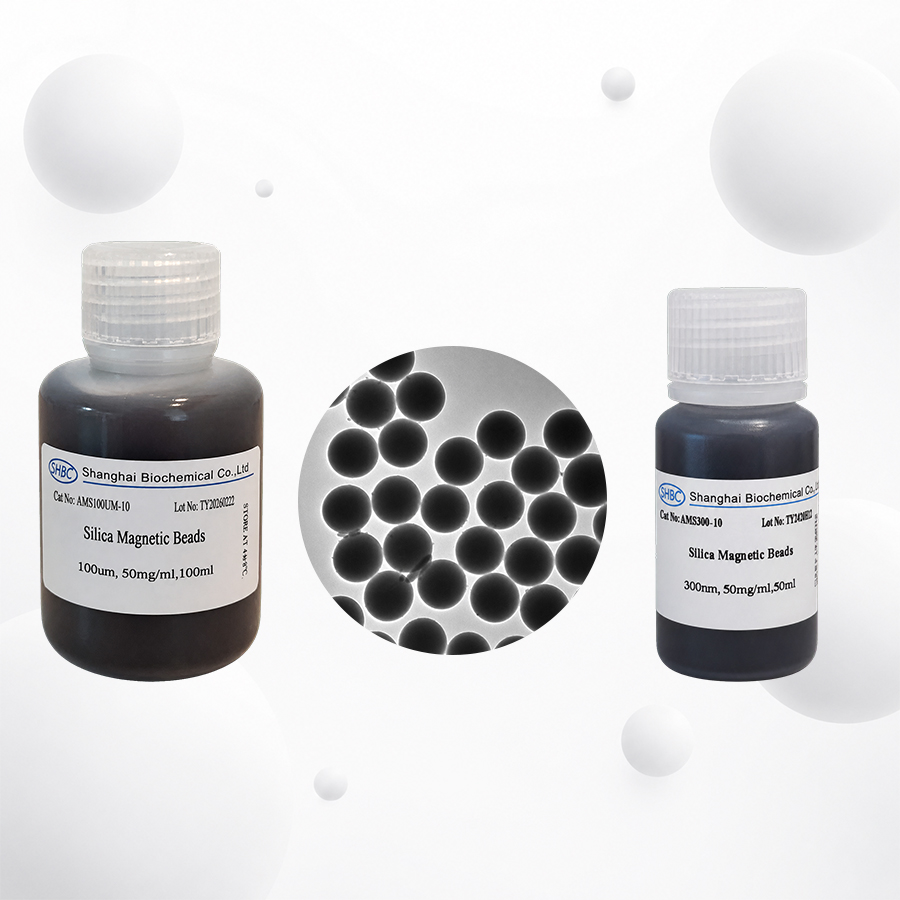 How Silica Magnetic Beads Work: Quick AnswerSilica magnetic beads extract DNA and RNA through a reversible bind–wash–elute process.First, a lysis buffer breaks open cells, viruses or other biological materials and releases nucleic acids into solution. A binding buffer containing salts—and often alco
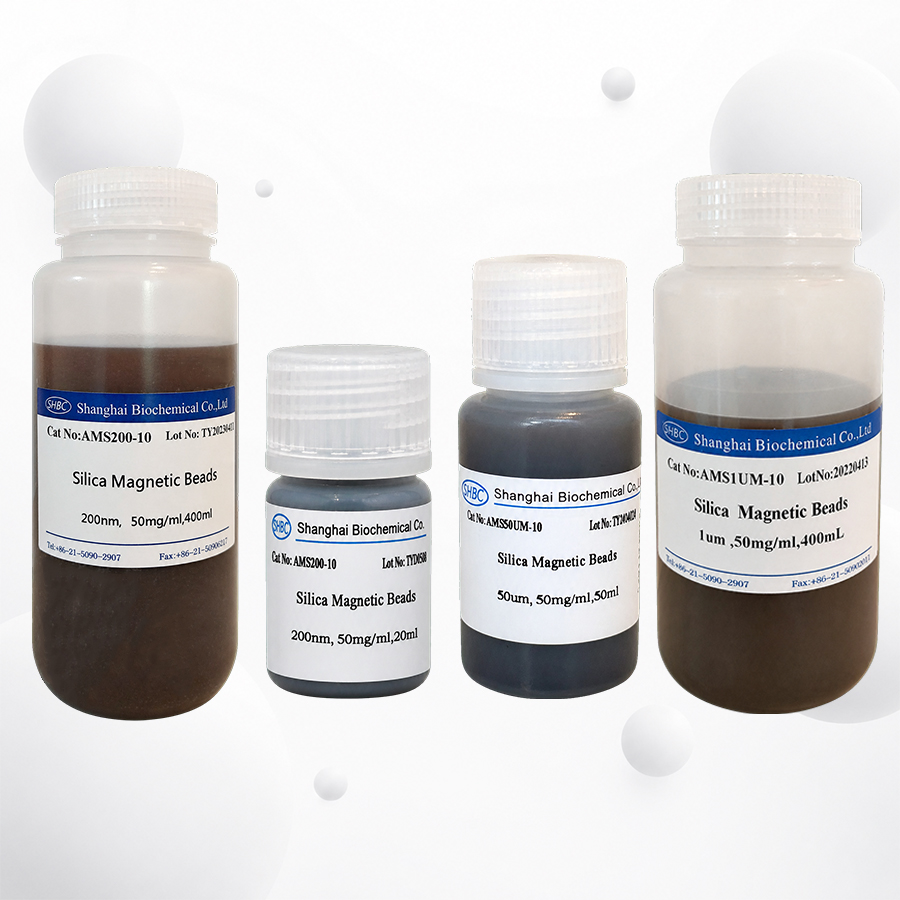 Overview of the Silica Magnetic Bead MarketSilica magnetic beads are functional magnetic particles used to extract and purify DNA or RNA from biological, clinical, food, environmental and research samples.A typical bead contains a magnetic core and a silica or silica-like outer surface. Under suitab
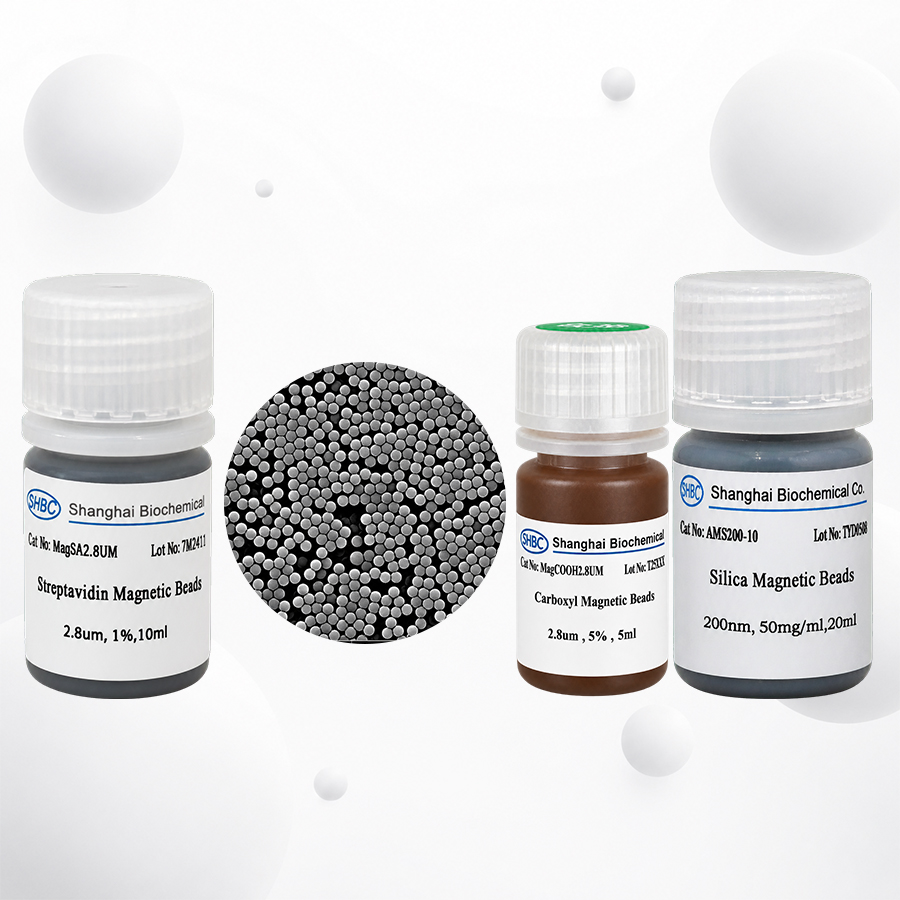 How to Choose Silica Magnetic Beads: Quick AnswerChoose silica magnetic beads according to the complete extraction workflow—not according to particle diameter or catalog price alone.The correct bead must match:The target nucleic acid;The sample matrix;The expected nucleic acid concentration;The requ
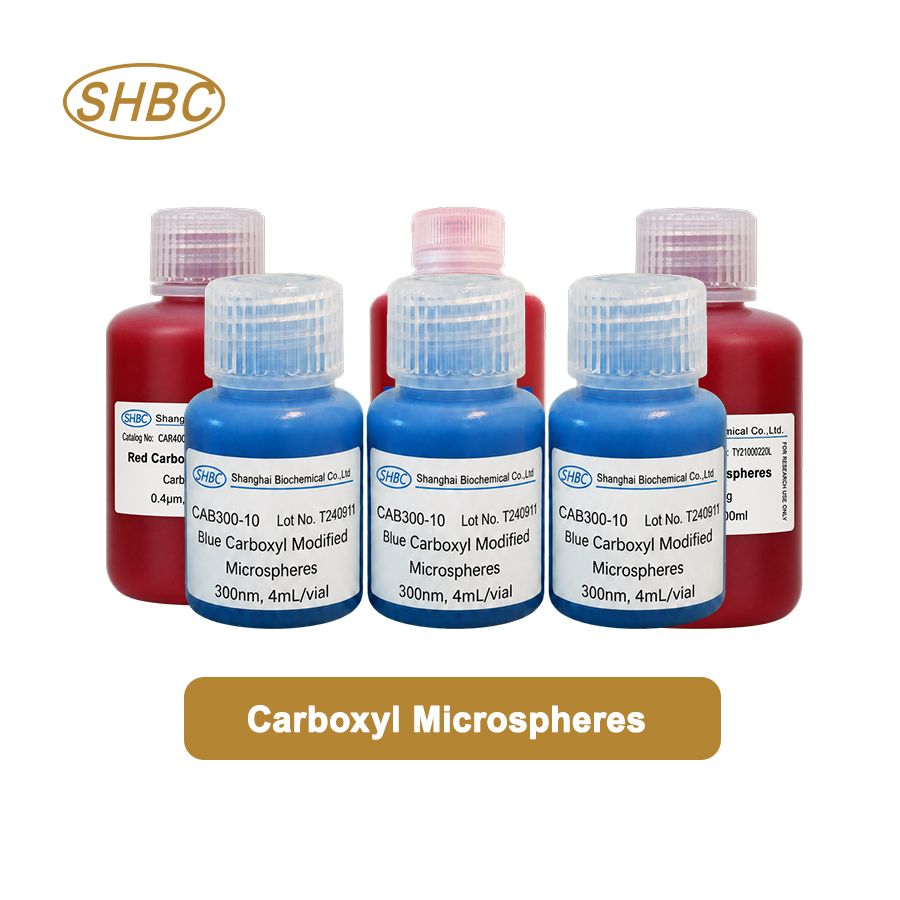 Quick Answer: Top 10 Microsphere Manufacturers Serving EuropeThe top 10 microsphere manufacturers and specialist particle suppliers serving European lateral flow assay developers in 2026 are:Merck EstaporSHBCBangs LaboratoriesPolysciencesThermo Fisher ScientificJSR Life SciencesMagsphereSpherotechmi
