Product Overview
RH0316 L-Glutamine, CAS 56-85-9, is a high-purity amino acid supplied as BioChemika Grade with purity >99.5%. It is suitable for cell culture research, amino acid metabolism studies, biochemical research, protein research and other life science applications.
L-Glutamine is a naturally occurring amino acid containing an amide side chain. It plays important roles in nitrogen metabolism, amino acid biosynthesis and cellular metabolism and is widely used as a nutrient component in cell culture media.
Key Features
BioChemika Grade
Purity >99.5%
CAS 56-85-9
Naturally occurring L-amino acid
Amide-containing amino acid
Suitable for cell culture research
Suitable for cell culture media preparation
Suitable for amino acid metabolism studies
Suitable for biochemical research
Suitable for enzyme research
100 g standard packaging
Technical Specifications
Parameter | Specification |
|---|
Product Code | RH0316 |
Product Name | L-Glutamine |
Chemical Name | L-Glutamine |
CAS No. | 56-85-9 |
Grade | BioChemika Grade, >99.5% |
Package | 100 g |
Applications
Cell Culture Research
Cell Culture Media Preparation
Amino Acid Research
Amino Acid Metabolism Studies
Nitrogen Metabolism Research
Biochemical Research
Protein and Peptide Research
Enzyme Research
Cell Biology Research
Biotechnology Research
Life Science Research
L-Glutamine for Cell Culture Research
L-Glutamine is widely used as a nutrient component in mammalian and other cell culture systems.
Cells can utilize glutamine as a source of carbon and nitrogen for various biosynthetic and metabolic processes. It is therefore commonly included in cell culture media and experimental formulations.
RH0316 provides BioChemika Grade L-Glutamine with purity >99.5% for laboratory and cell culture research.
L-Glutamine is commonly incorporated into cell culture media to support cellular metabolism and biosynthesis.
Its appropriate concentration depends on the cell type, basal medium, culture duration and experimental requirements.
Because L-Glutamine can gradually degrade in aqueous solutions, researchers should consider preparation and storage conditions when designing cell culture experiments.
Glutamine occupies an important position in amino acid and nitrogen metabolism.
It can donate nitrogen in multiple biosynthetic pathways and can be converted to glutamate through enzyme-mediated reactions.
This makes L-Glutamine useful in studies involving amino acid utilization, nitrogen transfer and metabolic pathway regulation.
The amide nitrogen of L-Glutamine can participate in the biosynthesis of various nitrogen-containing biomolecules.
Glutamine is therefore widely studied in experimental systems involving nitrogen metabolism, nucleotide biosynthesis and cellular metabolic pathways.
High-purity L-Glutamine provides a defined reagent for these biochemical applications.
L-Glutamine for Biochemical Research
L-Glutamine is involved in numerous biochemical pathways associated with cellular growth and metabolism.
It is closely connected with glutamate metabolism and can participate in reactions involving glutaminase, glutamine synthetase and other enzymes.
RH0316 can therefore be used in biochemical studies involving amino acid conversion and enzyme activity.
L-Glutamine for Enzyme Research
L-Glutamine can serve as a substrate in various enzyme systems.
For example, glutaminase catalyzes the conversion of glutamine to glutamate, while glutamine synthetase participates in glutamine biosynthesis.
L-Glutamine is therefore suitable for appropriate enzyme activity, substrate utilization and metabolic pathway studies.
L-Glutamine vs L-Glutamic Acid
L-Glutamine and L-Glutamic Acid are closely related amino acids but contain different side-chain functional groups:
They are metabolically interconnected but have different chemical properties and biological roles.
L-Glutamine vs Alanyl-Glutamine
L-Glutamine and Alanyl-Glutamine can both be relevant to cell culture applications.
Alanyl-Glutamine is often evaluated when improved stability in cell culture media is desired, whereas L-Glutamine provides glutamine directly in its free amino acid form.
L-Glutamine vs L-Asparagine
L-Glutamine and L-Asparagine are both amide-containing amino acids.
L-Glutamine has one additional methylene group in its side chain compared with L-Asparagine. This structural difference contributes to their different metabolic roles and enzyme interactions.
Product Advantages
RH0316 L-Glutamine is supplied as BioChemika Grade with purity >99.5%, providing a high-purity amino acid reagent for cell culture, biochemical and life science research.
It is suitable for cell culture media, amino acid metabolism, nitrogen metabolism, enzyme studies and other laboratory applications.
The standard package is 100 g.
Storage and Handling
Keep the container tightly sealed.
Protect from moisture and contamination.
Prepare aqueous solutions using appropriate laboratory procedures.
Consider the stability of L-Glutamine when preparing and storing solutions.
Store according to the recommended product conditions.
Refer to the applicable SDS and product documentation for detailed storage and handling information.
Packaging
Standard Packaging: 100 g
Other quantities can be discussed upon request.
Frequently Asked Questions (FAQ)
What is RH0316 L-Glutamine?
RH0316 L-Glutamine, CAS 56-85-9, is an amino acid supplied as BioChemika Grade with purity >99.5%.
What is L-Glutamine used for in research?
L-Glutamine is widely used for cell culture, cell culture media preparation, amino acid metabolism, nitrogen metabolism, biochemical research and enzyme studies.
Yes. L-Glutamine is commonly used as an amino acid nutrient in suitable cell culture media and experimental formulations.
Is L-Glutamine stable in aqueous solution?
L-Glutamine can gradually degrade in aqueous solutions, so solution preparation, storage conditions and experimental duration should be considered.
What is the difference between L-Glutamine and Alanyl-Glutamine?
L-Glutamine is a free amino acid, while Alanyl-Glutamine is a dipeptide containing alanine and glutamine and can offer improved stability under suitable cell culture conditions.
What is the difference between L-Glutamine and L-Glutamic Acid?
L-Glutamine contains an amide side chain, whereas L-Glutamic Acid contains a carboxylic acid side chain.
What is the CAS number of L-Glutamine?
The CAS number of RH0316 L-Glutamine is 56-85-9.
What is the purity of RH0316?
RH0316 is supplied as BioChemika Grade with purity >99.5%.
What packaging is available?
The standard package for RH0316 L-Glutamine is 100 g.


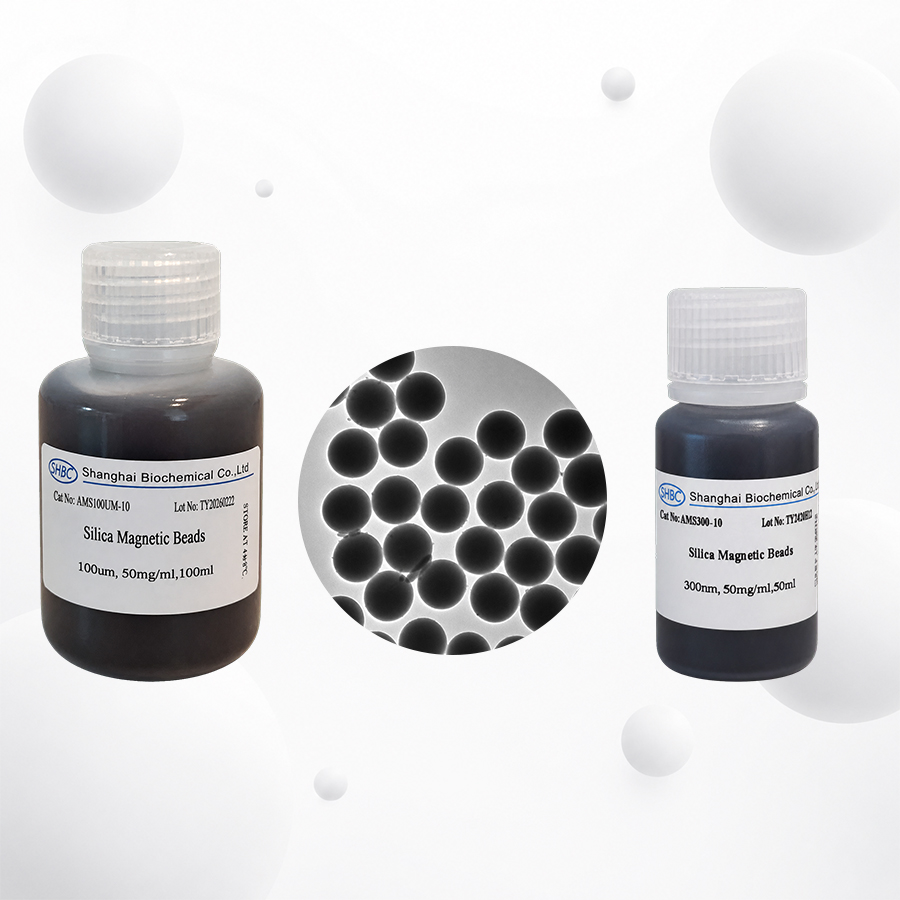 How Silica Magnetic Beads Work: Quick AnswerSilica magnetic beads extract DNA and RNA through a reversible bind–wash–elute process.First, a lysis buffer breaks open cells, viruses or other biological materials and releases nucleic acids into solution. A binding buffer containing salts—and often alco
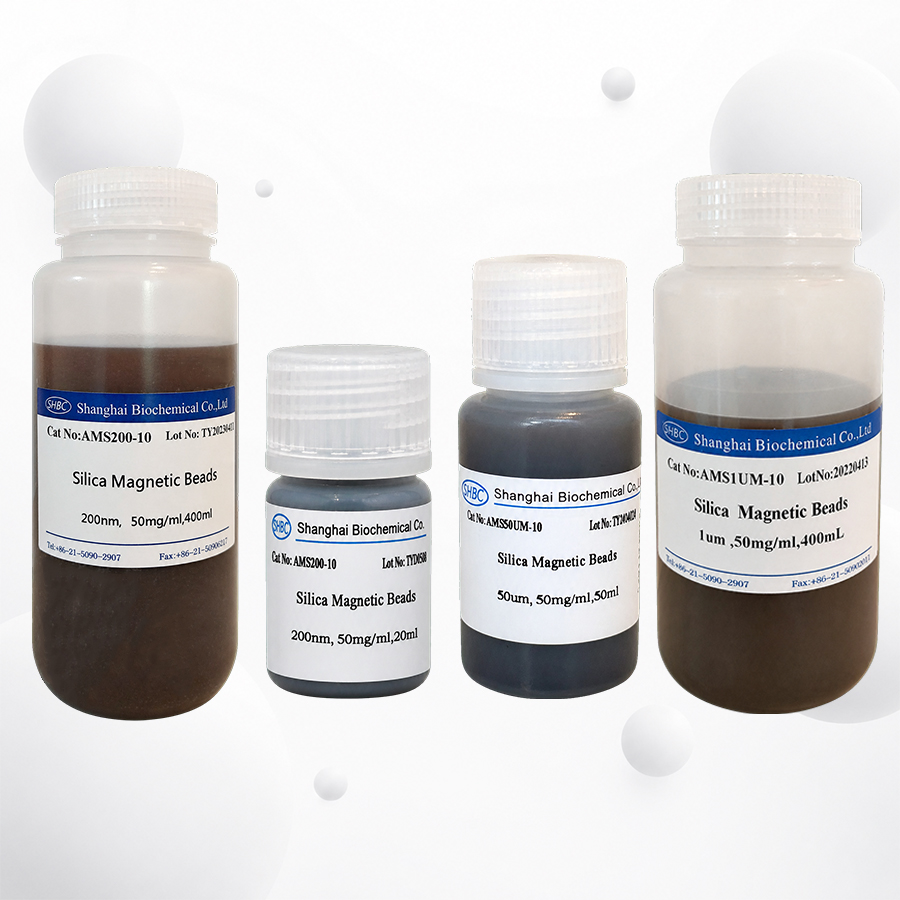 Overview of the Silica Magnetic Bead MarketSilica magnetic beads are functional magnetic particles used to extract and purify DNA or RNA from biological, clinical, food, environmental and research samples.A typical bead contains a magnetic core and a silica or silica-like outer surface. Under suitab
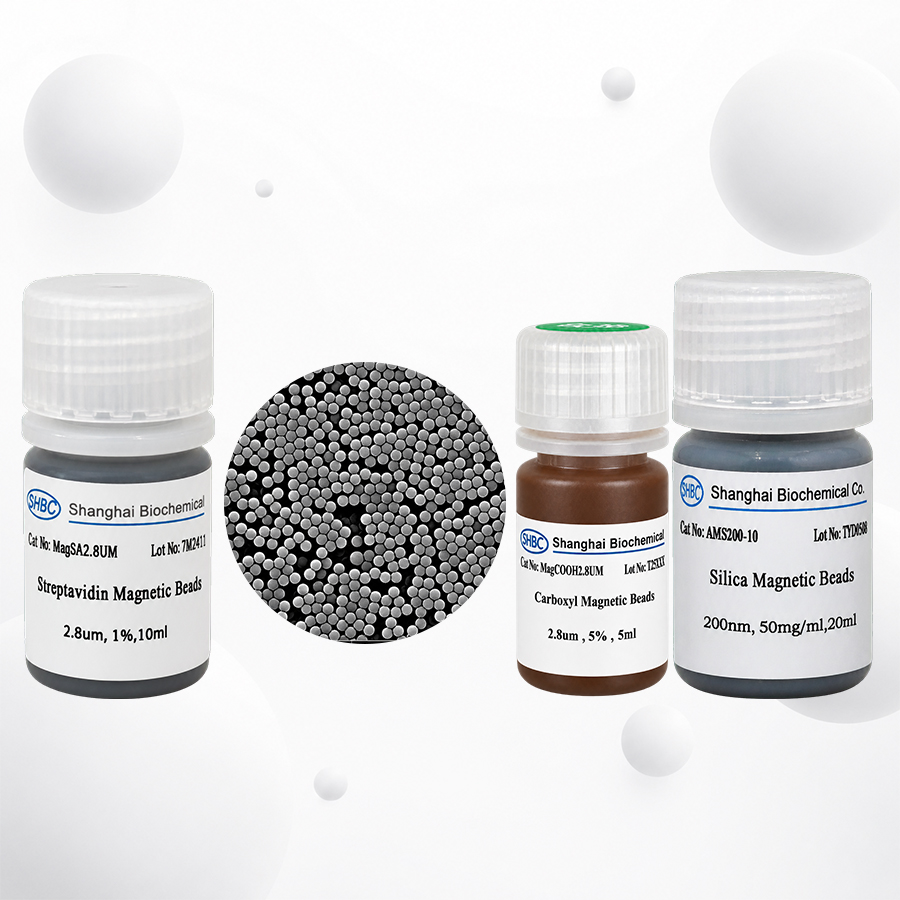 How to Choose Silica Magnetic Beads: Quick AnswerChoose silica magnetic beads according to the complete extraction workflow—not according to particle diameter or catalog price alone.The correct bead must match:The target nucleic acid;The sample matrix;The expected nucleic acid concentration;The requ
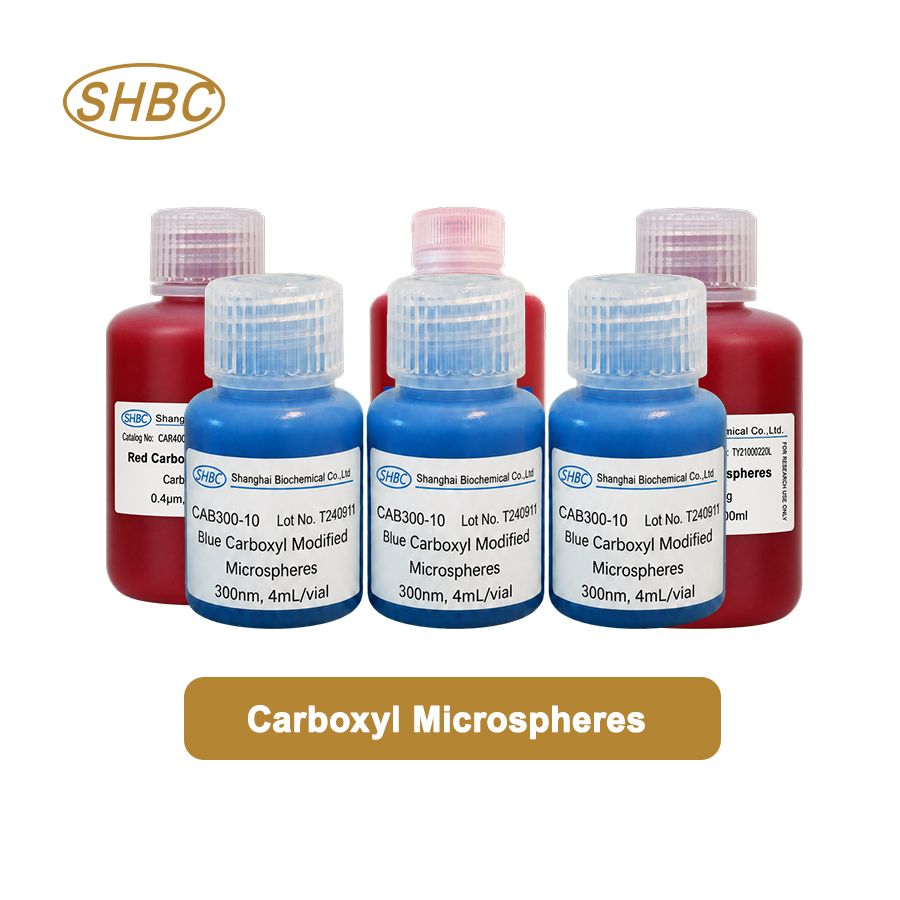 Quick Answer: Top 10 Microsphere Manufacturers Serving EuropeThe top 10 microsphere manufacturers and specialist particle suppliers serving European lateral flow assay developers in 2026 are:Merck EstaporSHBCBangs LaboratoriesPolysciencesThermo Fisher ScientificJSR Life SciencesMagsphereSpherotechmi
