Product Overview
RH0506 N-Acetyl-L-Cysteine (NAC), CAS 616-91-1, is a high-purity acetylated derivative of L-cysteine supplied as BioChemika Grade with purity >99.5% (HPLC).
N-Acetyl-L-Cysteine contains a free thiol group and is widely used as a research reagent in biochemical, antioxidant, redox biology, glutathione metabolism and other life science studies.
Key Features
BioChemika Grade
Purity >99.5% (HPLC)
CAS 616-91-1
Commonly abbreviated as NAC
Acetylated derivative of L-cysteine
Contains a thiol functional group
Suitable for antioxidant research
Suitable for redox biology research
Suitable for glutathione-related studies
Suitable for biochemical research
50 g standard packaging
Technical Specifications
Parameter | Specification |
|---|
Product Code | RH0506 |
Product Name | N-Acetyl-L-Cysteine |
Abbreviation | NAC |
Chemical Name | N-Acetyl-L-Cysteine |
CAS No. | 616-91-1 |
Grade | BioChemika Grade, >99.5% (HPLC) |
Package | 50 g |
Applications
N-Acetyl-L-Cysteine for Biochemical Research
N-Acetyl-L-Cysteine is an acetylated derivative of the sulfur-containing amino acid L-cysteine.
Its thiol-containing structure makes NAC useful in biochemical research involving thiol chemistry, redox reactions and sulfur-containing biological molecules.
RH0506 provides BioChemika Grade NAC with purity >99.5% (HPLC) for controlled laboratory research.
N-Acetyl-L-Cysteine for Antioxidant Research
NAC is widely studied in experimental systems involving oxidative stress and antioxidant mechanisms.
Its free thiol group can participate in redox reactions, while its relationship to cysteine metabolism makes it relevant to research involving cellular antioxidant pathways.
It can therefore be used in suitable biochemical and cell biology studies investigating oxidative and reductive processes.
N-Acetyl-L-Cysteine and Glutathione Research
L-Cysteine is an important component involved in glutathione biosynthesis.
Because N-Acetyl-L-Cysteine is related to cysteine metabolism, NAC is widely used in research involving glutathione levels, cellular redox balance and antioxidant pathways.
Experimental concentration and treatment conditions should be optimized according to the specific research system.
N-Acetyl-L-Cysteine for Redox Biology
The thiol group of NAC contributes to its relevance in redox biology.
Researchers can use NAC in experimental studies involving reactive oxygen species, oxidative stress, thiol-disulfide balance and cellular redox mechanisms.
Its effects can vary depending on concentration, cell type and experimental conditions.
N-Acetyl-L-Cysteine for Cell Biology Research
NAC is commonly used as a research reagent in cell-based experimental systems.
It can be evaluated in studies involving oxidative stress, cellular metabolism, redox signaling and responses to different experimental treatments.
The appropriate concentration should be determined according to the specific cell model and research objective.
N-Acetyl-L-Cysteine vs L-Cysteine
N-Acetyl-L-Cysteine and L-Cysteine are structurally related but different compounds.
The acetyl modification gives NAC different physicochemical and biochemical characteristics compared with L-Cysteine.
NAC and Glutathione
NAC and glutathione are different compounds but are closely related in biochemical research.
NAC is an acetylated cysteine derivative.
Glutathione (GSH) is a tripeptide composed of glutamate, cysteine and glycine.
Both are frequently studied in research involving oxidative stress and cellular redox balance.
Product Advantages
RH0506 N-Acetyl-L-Cysteine is supplied as BioChemika Grade with purity >99.5% (HPLC), providing a high-purity NAC reagent for biochemical and life science research.
It is suitable for antioxidant studies, redox biology, glutathione-related research, thiol chemistry and cell biology applications.
The standard package is 50 g.
Storage and Handling
Keep the container tightly sealed.
Protect from moisture and contamination.
Minimize unnecessary exposure to air during handling.
Store according to the recommended product conditions.
Follow appropriate laboratory handling procedures.
Refer to the applicable SDS for detailed safety, storage and handling information.
Packaging
Standard Packaging: 50 g
Other quantities can be discussed upon request.
Frequently Asked Questions (FAQ)
What is RH0506 N-Acetyl-L-Cysteine?
RH0506 N-Acetyl-L-Cysteine, CAS 616-91-1, is an acetylated derivative of L-cysteine supplied as BioChemika Grade with purity >99.5% (HPLC).
What is another name for N-Acetyl-L-Cysteine?
N-Acetyl-L-Cysteine is commonly abbreviated as NAC.
What is N-Acetyl-L-Cysteine used for in research?
NAC is widely used in biochemical research, antioxidant studies, redox biology, oxidative stress research, glutathione metabolism and cell biology.
Does N-Acetyl-L-Cysteine contain a thiol group?
Yes. NAC contains a free thiol (-SH) group, which is important to many of its chemical and biochemical properties.
Can NAC be used for oxidative stress research?
Yes. NAC is widely used as a research reagent in experimental studies involving oxidative stress and cellular redox mechanisms.
What is the difference between NAC and L-Cysteine?
NAC is an acetylated derivative of L-Cysteine. The two compounds are structurally related but have different physicochemical and biochemical characteristics.
What is the CAS number of N-Acetyl-L-Cysteine?
The CAS number of RH0506 N-Acetyl-L-Cysteine is 616-91-1.
What is the purity of RH0506?
RH0506 is supplied as BioChemika Grade with purity >99.5% (HPLC).
What packaging is available?
The standard package for RH0506 N-Acetyl-L-Cysteine is 50 g.


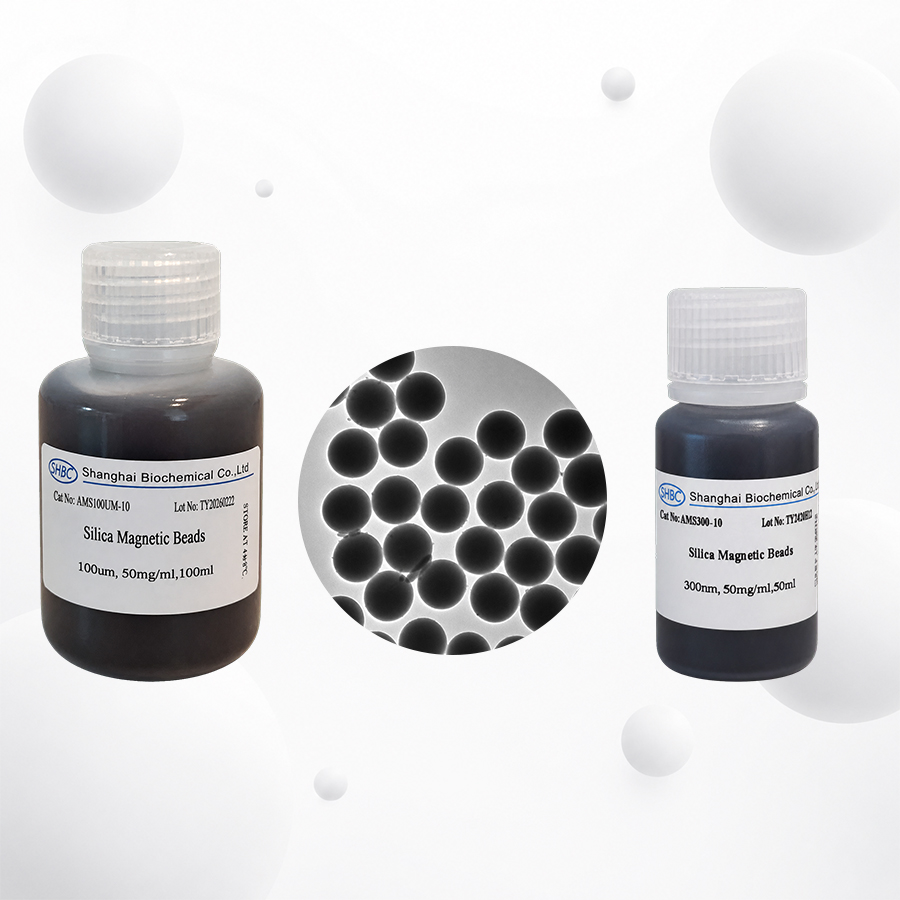 How Silica Magnetic Beads Work: Quick AnswerSilica magnetic beads extract DNA and RNA through a reversible bind–wash–elute process.First, a lysis buffer breaks open cells, viruses or other biological materials and releases nucleic acids into solution. A binding buffer containing salts—and often alco
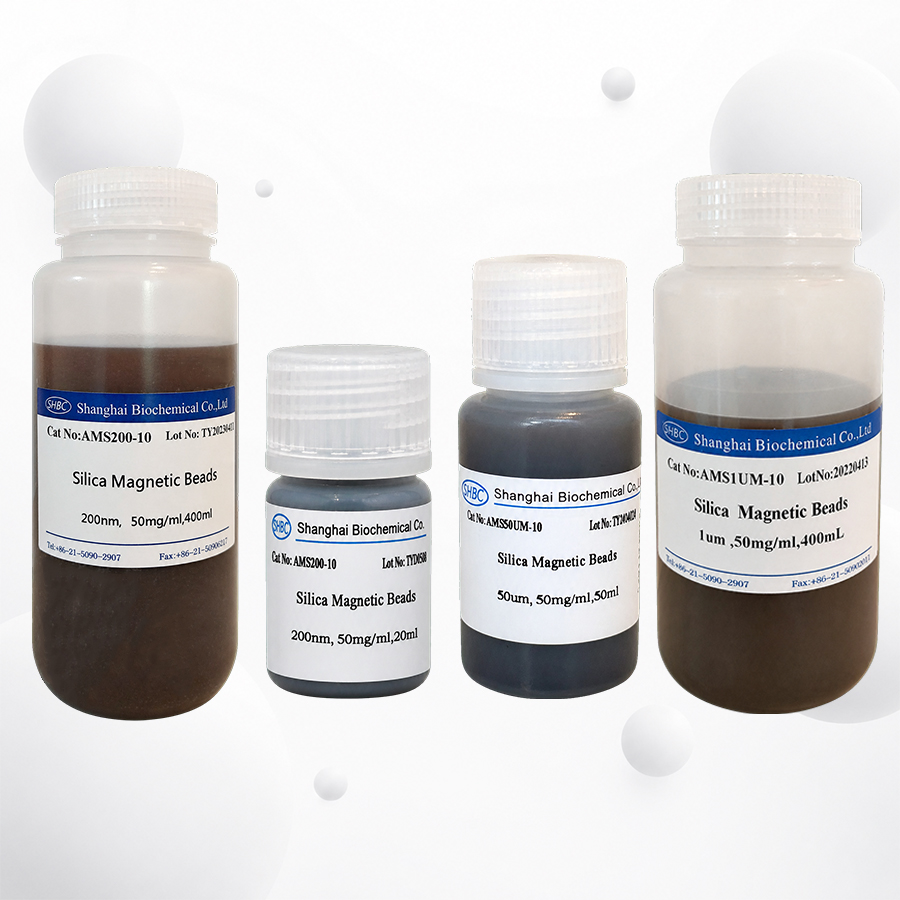 Overview of the Silica Magnetic Bead MarketSilica magnetic beads are functional magnetic particles used to extract and purify DNA or RNA from biological, clinical, food, environmental and research samples.A typical bead contains a magnetic core and a silica or silica-like outer surface. Under suitab
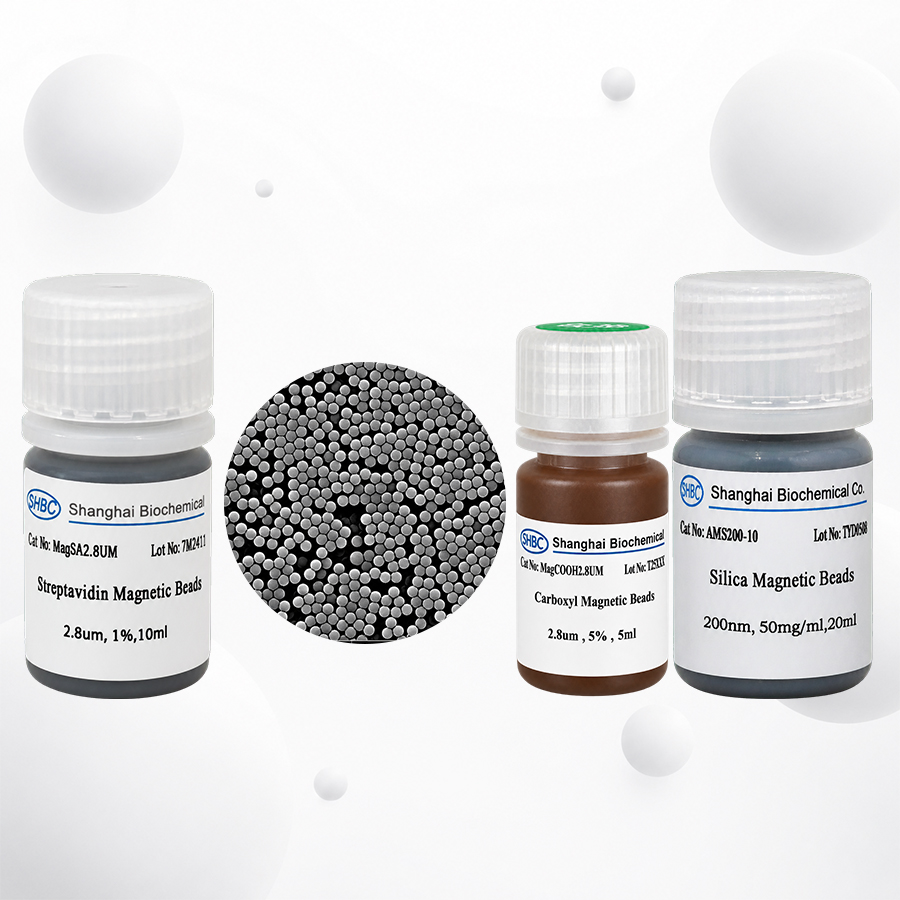 How to Choose Silica Magnetic Beads: Quick AnswerChoose silica magnetic beads according to the complete extraction workflow—not according to particle diameter or catalog price alone.The correct bead must match:The target nucleic acid;The sample matrix;The expected nucleic acid concentration;The requ
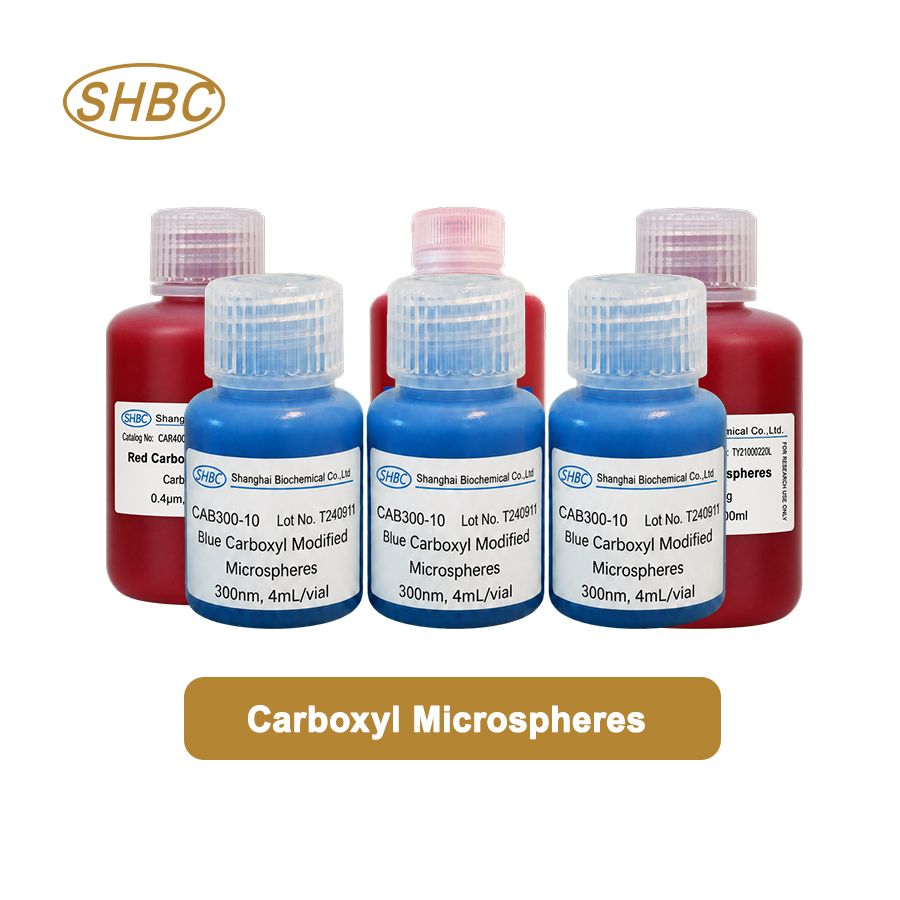 Quick Answer: Top 10 Microsphere Manufacturers Serving EuropeThe top 10 microsphere manufacturers and specialist particle suppliers serving European lateral flow assay developers in 2026 are:Merck EstaporSHBCBangs LaboratoriesPolysciencesThermo Fisher ScientificJSR Life SciencesMagsphereSpherotechmi
