Product Overview
RH1855 SDS Sodium Dodecyl Sulfate, CAS 151-21-3, is supplied as High Purity Grade >99.5% for biochemical, protein and life science research applications.
SDS is an anionic surfactant widely used in biochemical laboratories. It is commonly used in protein sample preparation, electrophoresis-related research and other applications requiring strong detergent properties.
RH1855 is supplied in a 100 g package.
Key Features
SDS Sodium Dodecyl Sulfate
CAS No. 151-21-3
High Purity Grade >99.5%
Anionic surfactant
Suitable for protein research
Suitable for electrophoresis research
Suitable for biochemical assays
Suitable for sample preparation
100 g standard package
Technical Specifications
Parameter | Specification |
|---|
Product Code | RH1855 |
Product Name | SDS Sodium Dodecyl Sulfate |
Chemical Name | Sodium Dodecyl Sulfate |
CAS No. | 151-21-3 |
Grade | High Purity Grade >99.5% |
Package | 100 g |
Applications
SDS as an Anionic Surfactant
Sodium Dodecyl Sulfate is a widely used anionic surfactant in biochemical and laboratory research.
Its detergent properties make it suitable for research applications involving proteins, biological samples and biochemical reagent formulations.
RH1855 can be evaluated in compatible laboratory protocols requiring SDS.
SDS for Protein Research
SDS is commonly used in protein-related biochemical research.
It can interact with proteins and is frequently incorporated into protein sample preparation and analytical workflows.
Potential applications include:
Protein sample preparation
Protein analysis
Protein denaturation research
Electrophoresis
Biochemical characterization
Laboratory reagent formulation
SDS for SDS-PAGE Applications
SDS is widely associated with SDS-PAGE, a commonly used laboratory method for protein analysis.
In compatible electrophoresis workflows, SDS helps provide denaturing conditions for protein samples before and during separation.
RH1855 can be evaluated for preparation of suitable SDS-containing electrophoresis reagents according to the specific laboratory protocol.
SDS for Protein Sample Preparation
Protein samples may require detergent-containing formulations before electrophoresis or other analytical procedures.
RH1855 SDS can be incorporated into compatible sample preparation systems where an anionic surfactant is required.
Important factors include:
SDS for Biochemical Research
RH1855 can be used in suitable biochemical research applications requiring Sodium Dodecyl Sulfate.
Potential research areas include:
SDS for Laboratory Reagent Preparation
SDS can be incorporated into laboratory reagent formulations requiring an anionic detergent.
The appropriate concentration depends on the intended experimental application and complete formulation.
Compatibility with other reagents and downstream analytical methods should be considered.
SDS in Electrophoresis Research
Electrophoresis is widely used for separation and analysis of biomolecules.
SDS is commonly incorporated into protein electrophoresis workflows where denaturing conditions are required.
RH1855 can be used in compatible research protocols according to the requirements of the specific electrophoresis method.
SDS vs Nonionic Surfactants
SDS is an anionic surfactant, while products such as NP-series wetting agents and BRIJ-35 are nonionic surfactants.
These surfactant types have different properties and effects on biochemical systems.
Selection should consider:
SDS vs CHAPS
SDS and CHAPS are different classes of surfactants.
SDS is an anionic surfactant, while CHAPS is a zwitterionic detergent.
Their effects on proteins and biological samples differ, so they should be selected according to the requirements of the specific experimental protocol.
High Purity Grade >99.5% SDS
According to the supplied product table, RH1855 is specified as:
High Purity Grade >99.5%
This specification makes it suitable for biochemical, protein and laboratory research applications requiring high-purity Sodium Dodecyl Sulfate.
How to Select SDS for Research
When using SDS in laboratory research, consider:
The appropriate working concentration should be determined according to the specific experimental protocol.
Product Advantages
RH1855 provides SDS Sodium Dodecyl Sulfate, CAS 151-21-3, High Purity Grade >99.5% for biochemical and protein research.
It can be used in compatible protein sample preparation, SDS-PAGE, electrophoresis, biochemical research and laboratory reagent formulations.
The standard package is 100 g.
Storage and Handling
Keep the container tightly sealed.
Protect from moisture and contamination.
Use appropriate laboratory protective equipment during handling.
Use clean laboratory equipment.
Prepare solutions according to experimental requirements.
Determine the appropriate working concentration according to the specific protocol.
Store according to applicable product documentation.
Packaging
Standard Package: 100 g
Bulk quantity requirements can be discussed upon request.
Frequently Asked Questions (FAQ)
What is RH1855?
RH1855 is SDS Sodium Dodecyl Sulfate, supplied as High Purity Grade >99.5%.
What is the CAS number of RH1855 SDS?
The CAS number is 151-21-3.
What is the purity of RH1855?
RH1855 is specified as High Purity Grade >99.5%.
What is SDS used for?
SDS is widely used in protein research, protein sample preparation, electrophoresis, SDS-PAGE and biochemical laboratory applications.
Is SDS a surfactant?
Yes. SDS is an anionic surfactant, so this product belongs in your Surfactants category.
Can SDS be used for SDS-PAGE?
Yes. SDS is commonly used in compatible SDS-PAGE and protein electrophoresis workflows.
Can SDS be used for protein sample preparation?
Yes. SDS is commonly incorporated into suitable protein sample preparation formulations.
What is the difference between SDS and CHAPS?
SDS is an anionic surfactant, while CHAPS is a zwitterionic detergent. Their properties and effects on proteins differ.
What concentration of SDS should be used?
The supplied product table does not specify a universal working concentration. The appropriate concentration should follow the specific experimental protocol.
What packaging is available?
RH1855 SDS Sodium Dodecyl Sulfate is supplied in a 100 g package.


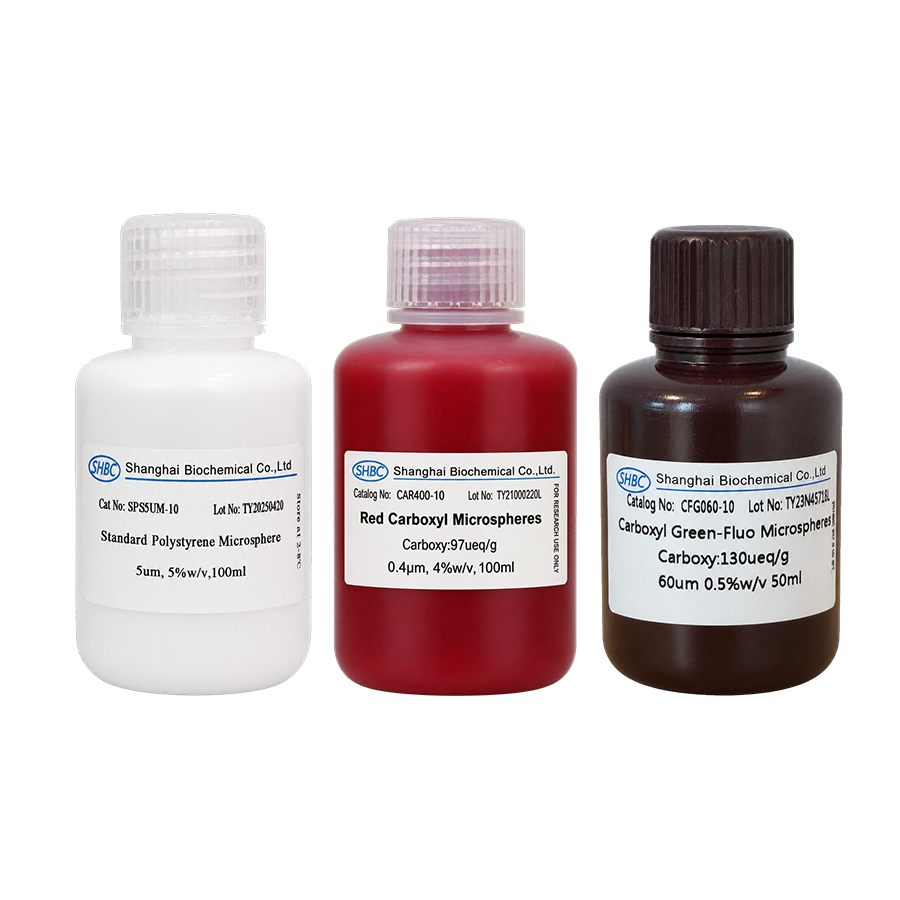 Quick Answer: Leading Carboxyl Polystyrene Microsphere Manufacturers Serving ThailandThe leading carboxyl polystyrene microsphere manufacturers serving Thailand in 2026 include Merck Estapor, SANYU, JSR Life Sciences, Bangs Laboratories, PolyMicrospheres, Polysciences, Spherotech, Thermo Fisher Scie
 Overview of the IVD Magnetic Bead Market in the USAMagnetic beads are critical raw materials for chemiluminescent immunoassays, molecular diagnostics, nucleic acid extraction, immunoprecipitation, protein purification, cell separation and automated bioseparation.In an IVD workflow, magnetic beads pr
