Product Overview
RH7484 Sodium L-Aspartate, CAS 3792-50-5, is the sodium salt of L-aspartic acid supplied as Pure grade with purity >98% (TLC). It is suitable for amino acid research, biochemical studies, metabolic research, cell biology and other life science applications.
L-Aspartate is an acidic amino acid involved in protein metabolism, nitrogen metabolism and multiple biochemical pathways. Its sodium salt form provides an alternative form of L-aspartate for suitable laboratory formulations and experimental systems.
Key Features
Pure grade
Purity >98% (TLC)
CAS 3792-50-5
Sodium salt of L-aspartic acid
L-Aspartate source
Suitable for amino acid research
Suitable for biochemical research
Suitable for metabolism studies
Suitable for cell biology research
Suitable for life science research
250 g standard packaging
Technical Specifications
Parameter | Specification |
|---|
Product Code | RH7484 |
Product Name | Sodium L-Aspartate |
Chemical Name | Sodium L-Aspartate |
CAS No. | 3792-50-5 |
Grade | Pure, >98% (TLC) |
Package | 250 g |
Applications
Amino Acid Research
L-Aspartate Metabolism Studies
Biochemical Research
Nitrogen Metabolism Research
Enzyme Research
Cell Biology Research
Cell Culture Research
Metabolic Pathway Research
Biotechnology Research
Life Science Research
Sodium L-Aspartate for Biochemical Research
Sodium L-Aspartate provides L-aspartate in a sodium salt form for suitable biochemical applications.
L-Aspartate participates in numerous metabolic reactions and can serve as a substrate or intermediate in enzyme-mediated biochemical pathways.
RH7484 provides Pure Sodium L-Aspartate with purity >98% (TLC) for laboratory research requiring a defined amino acid salt.
L-Aspartate is involved in amino acid and nitrogen metabolism.
It participates in transamination reactions and is connected with pathways involving oxaloacetate, other amino acids and nitrogen-containing metabolites.
Sodium L-Aspartate can therefore be used in suitable research involving amino acid interconversion, metabolic pathways and enzyme activity.
Sodium L-Aspartate for Cell Culture Research
Amino acids and their salts can be used as components of suitable cell culture media and experimental formulations.
Sodium L-Aspartate can be evaluated as a source of L-aspartate in cell culture research involving nutrient metabolism and cellular biochemical processes.
The required concentration should be determined according to the specific cell type, medium formulation and experimental protocol.
Sodium L-Aspartate for Enzyme Research
L-Aspartate participates as a substrate in various enzymatic reactions.
Sodium L-Aspartate can therefore be used in suitable enzyme assays involving amino acid metabolism, transamination and related biochemical pathways.
Experimental concentration, pH and other assay conditions should be optimized according to the specific enzyme system.
Aspartate plays an important role in nitrogen-containing metabolic pathways.
Its amino group can participate in biochemical transformations, while the carbon skeleton is connected to central metabolic pathways.
This makes Sodium L-Aspartate relevant to research involving nitrogen metabolism, amino acid utilization and cellular biochemistry.
Sodium L-Aspartate vs L-Aspartic Acid
Sodium L-Aspartate and L-Aspartic Acid are closely related but are supplied in different chemical forms.
The sodium salt form may exhibit different solution and formulation characteristics from the free acid.
The appropriate form should be selected according to the requirements of the experimental system.
Sodium L-Aspartate vs L-Asparagine
Sodium L-Aspartate and L-Asparagine are related amino acid compounds but have different side-chain functionalities.
These structural differences result in different biochemical properties and metabolic roles.
Sodium L-Aspartate vs Potassium L-Aspartate
Both products are salts of L-aspartic acid but contain different counterions:
The appropriate salt form can be selected according to the ionic composition and requirements of the experimental formulation.
Product Advantages
RH7484 Sodium L-Aspartate is supplied as Pure grade with purity >98% (TLC), providing a defined L-aspartate salt for biochemical and life science research.
It is suitable for amino acid metabolism, enzyme research, cell biology, nitrogen metabolism and related laboratory applications.
The standard package is 250 g.
Storage and Handling
Keep the container tightly sealed.
Protect from moisture and contamination.
Store according to the recommended product conditions.
Prepare solutions using appropriate laboratory procedures.
Follow standard laboratory handling practices.
Refer to the applicable SDS for detailed storage and handling information.
Packaging
Standard Packaging: 250 g
Other quantities can be discussed upon request.
Frequently Asked Questions (FAQ)
What is RH7484 Sodium L-Aspartate?
RH7484 Sodium L-Aspartate, CAS 3792-50-5, is a sodium salt of L-aspartic acid supplied as Pure grade with purity >98% (TLC).
What is Sodium L-Aspartate used for?
It is suitable for amino acid metabolism, biochemical research, enzyme studies, cell biology, nitrogen metabolism and other life science applications.
Is Sodium L-Aspartate an amino acid salt?
Yes. Sodium L-Aspartate is the sodium salt of L-aspartic acid.
Can Sodium L-Aspartate be used for cell culture research?
It can be evaluated as an L-aspartate source in suitable cell culture media and cell metabolism research.
What is the difference between Sodium L-Aspartate and L-Aspartic Acid?
L-Aspartic Acid is the free acid form, whereas Sodium L-Aspartate is its sodium salt.
What is the difference between Sodium L-Aspartate and Potassium L-Aspartate?
Both provide L-aspartate, but Sodium L-Aspartate contains sodium as the counterion while Potassium L-Aspartate contains potassium.
What is the CAS number of Sodium L-Aspartate?
The CAS number of RH7484 Sodium L-Aspartate is 3792-50-5.
What is the purity of RH7484?
RH7484 is supplied as Pure, >98% (TLC).
What packaging is available?
The standard package for RH7484 Sodium L-Aspartate is 250 g.


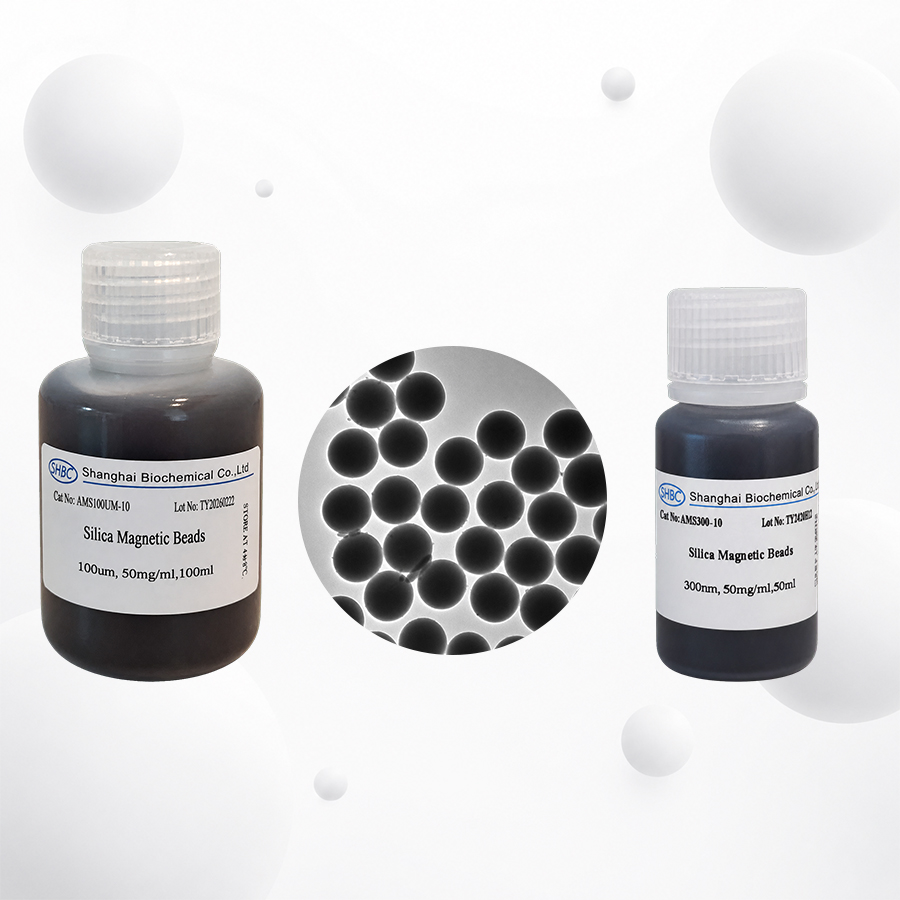 How Silica Magnetic Beads Work: Quick AnswerSilica magnetic beads extract DNA and RNA through a reversible bind–wash–elute process.First, a lysis buffer breaks open cells, viruses or other biological materials and releases nucleic acids into solution. A binding buffer containing salts—and often alco
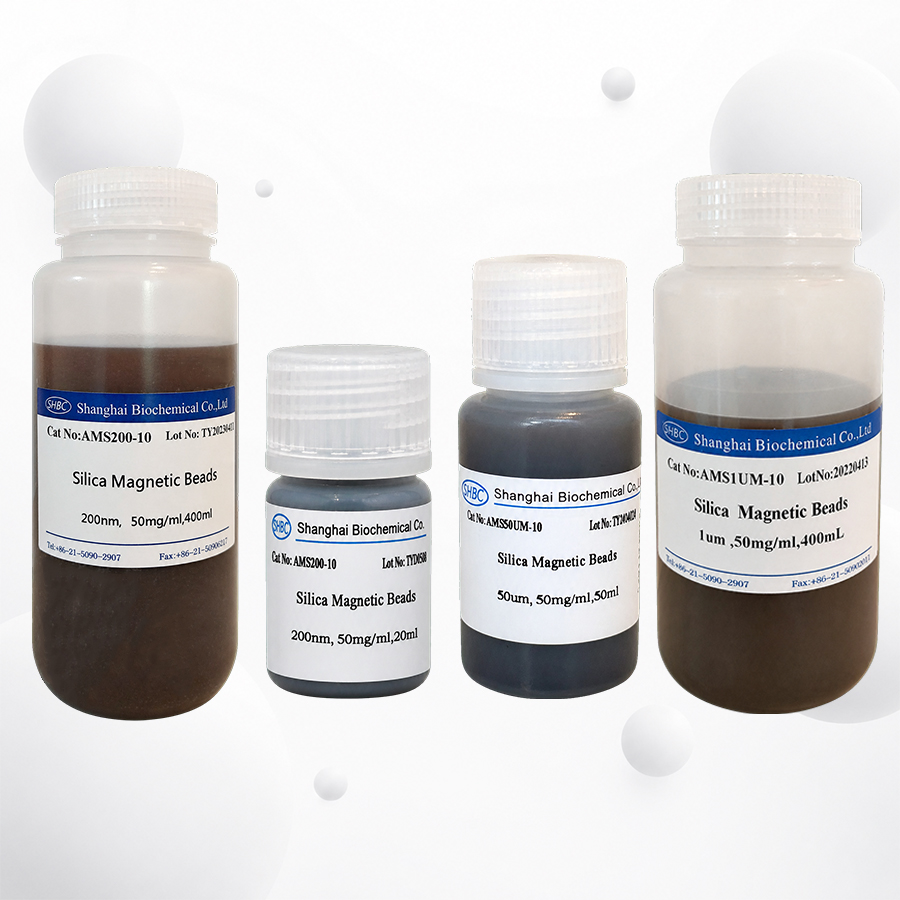 Overview of the Silica Magnetic Bead MarketSilica magnetic beads are functional magnetic particles used to extract and purify DNA or RNA from biological, clinical, food, environmental and research samples.A typical bead contains a magnetic core and a silica or silica-like outer surface. Under suitab
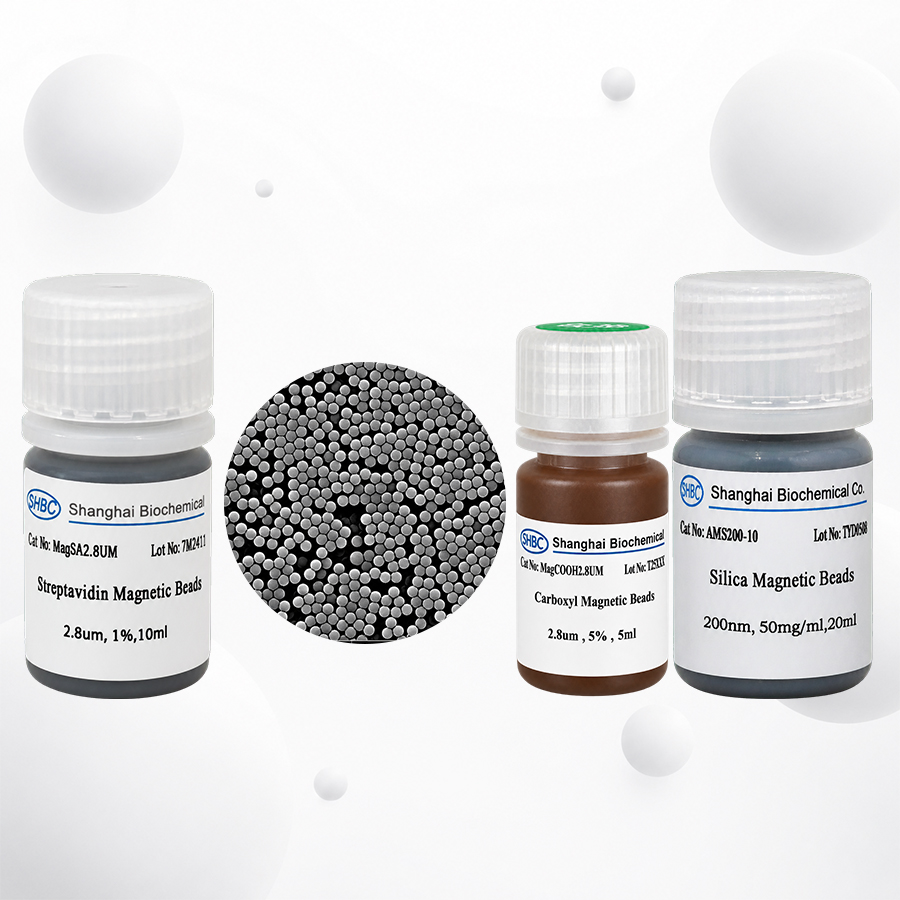 How to Choose Silica Magnetic Beads: Quick AnswerChoose silica magnetic beads according to the complete extraction workflow—not according to particle diameter or catalog price alone.The correct bead must match:The target nucleic acid;The sample matrix;The expected nucleic acid concentration;The requ
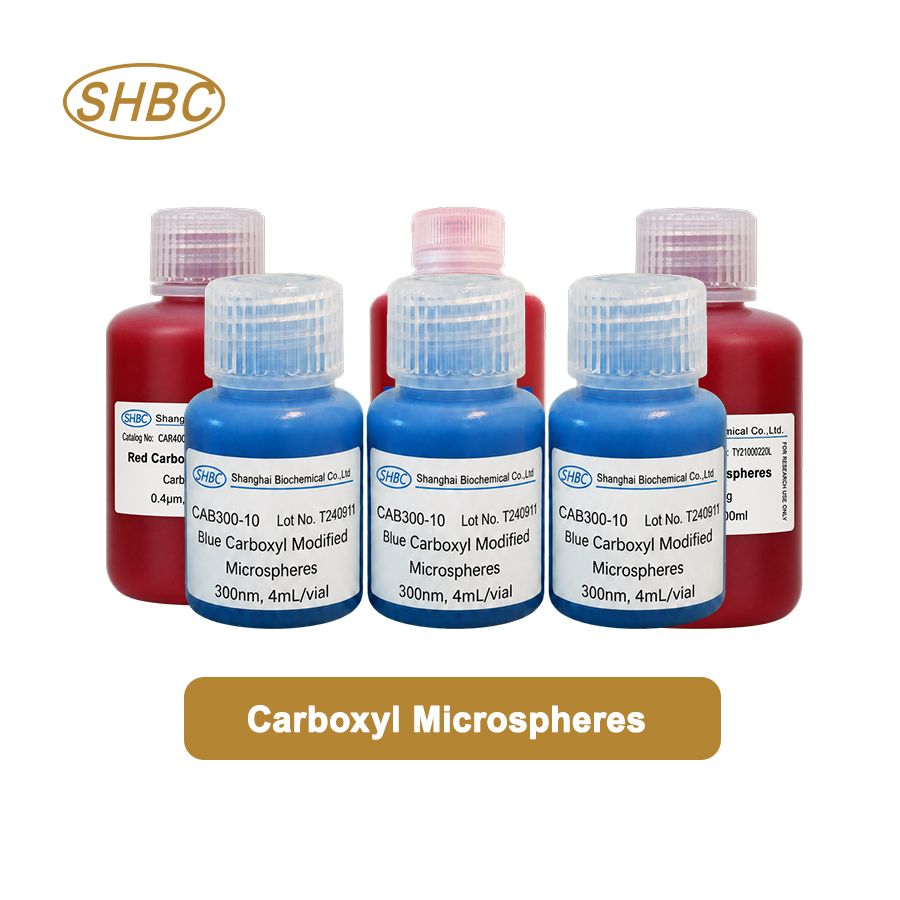 Quick Answer: Top 10 Microsphere Manufacturers Serving EuropeThe top 10 microsphere manufacturers and specialist particle suppliers serving European lateral flow assay developers in 2026 are:Merck EstaporSHBCBangs LaboratoriesPolysciencesThermo Fisher ScientificJSR Life SciencesMagsphereSpherotechmi
