


Quick Answer: Leading Silica Magnetic Bead Manufacturers Serving Brazil
The leading silica magnetic bead manufacturers and technology suppliers that Brazilian molecular diagnostic companies, nucleic acid extraction kit developers, biotechnology laboratories and distributors may evaluate in 2026 include Cytiva, Promega, QIAGEN, New England Biolabs, SANYU, Bangs Laboratories, Bioneer, G-Biosciences, Magtivio and AMD Biotech.
These companies represent several different supplier models:
Manufacturers of standalone silica-coated magnetic beads;
Suppliers of silica-based magnetic particle suspensions;
Developers of complete DNA and RNA extraction kits;
OEM magnetic bead partners;
Companies supporting manual and automated nucleic acid purification;
Suppliers of application-specific magnetic bead chemistries.
For many Brazilian buyers, the most relevant starting points are:
Cytiva for established SeraSil-Mag silica-coated particles, low-input DNA extraction and OEM projects;
Promega for MagneSil paramagnetic particles and validated genomic DNA, plasmid and sequencing workflows;
QIAGEN for MagAttract silica-based magnetic particle technology and a broad range of sample-specific protocols;
New England Biolabs for silica-coated Monarch Mag Beads and integrated DNA/RNA purification systems;
SANYU for customizable silica magnetic beads, multiple particle sizes, bulk supply and OEM development;
Bangs Laboratories for Magnefy Mach I Silica particles and diagnostic-oriented custom manufacturing;
Bioneer for silica-coated nano- and microscale magnetic beads and integrated automated extraction systems;
G-Biosciences for accessible standalone silica-coated Fe₃O₄ beads;
Magtivio for MagSi-DNA beads, automation-ready extraction and protocol development;
AMD Biotech for standalone Auto-Mag silica-coated particles and customized extraction solutions.
This ranking is an editorial sourcing guide. It is based on publicly available product information, silica magnetic bead relevance, product breadth, standalone bead availability, automation compatibility, customization and potential commercial supply.
It is not an audited market-share ranking, revenue ranking or independent laboratory comparison.
The term “serving Brazil” means that the manufacturer may potentially supply Brazilian customers directly or through distributors. It does not guarantee local stock, immediate availability, ANVISA regularization or a permanent Brazilian commercial channel.
Brazilian buyers should verify current product availability, importer arrangements, documentation, freight conditions and regulatory status before completing supplier qualification.

How We Selected the Top 10 Manufacturers
Confirmed silica or silica-based binding technology
Priority was given to companies that publicly identify their products as:
Magnetic silica particles;
Silanol-functionalized magnetic beads;
Silica-based magnetic-particle purification systems;
Magnetic beads that bind nucleic acids through silica chemistry.
This distinction is important because not all nucleic acid purification beads are silica beads.
Carboxylated SPRI particles, oligo(dT) particles and affinity-coated beads may also purify nucleic acids, but their surface chemistry and binding mechanisms are different.
Relevance to DNA and RNA extraction
The selected companies publicly position their beads or extraction systems for applications such as:
Genomic DNA extraction;
Total RNA purification;
Viral DNA and RNA extraction;
Plasmid purification;
PCR product cleanup;
High-molecular-weight DNA;
NGS sample preparation;
Pathogen nucleic acid extraction;
Molecular diagnostic reagent development.
Standalone bead availability
Additional consideration was given to manufacturers that sell magnetic beads separately from complete extraction kits.
Standalone particles are especially important to:
IVD reagent manufacturers;
OEM extraction kit companies;
Automated extraction instrument manufacturers;
Laboratories developing proprietary buffers;
Companies seeking a secondary raw-material source.
Automation compatibility
Magnetic bead extraction is frequently used in:
Magnetic rod instruments;
96-well automated extractors;
KingFisher-type platforms;
Liquid-handling workstations;
Open robotic systems;
Proprietary molecular diagnostic analyzers.
Manufacturers with published automation support, high-throughput formats or instrument-compatible protocols received additional consideration.
Customization and commercial scale
The evaluation also considered whether a supplier offers:
Custom particle size;
Custom bead concentration;
Surface modification;
Suspension formulation;
Bulk packaging;
OEM production;
Private labeling;
Development-to-production scale-up;
Quality agreements;
Change notification.
Suitability for Brazilian buyers
The ranking considers practical issues such as:
Availability through global or Brazilian catalogs;
International shipping capability;
Documentation for commercial importation;
Distributor or importer support;
Storage stability;
Technical support for extraction optimization.
Cytiva’s SeraSil-Mag products, for example, appear in Brazil-facing Sigma-Aldrich catalog pages, although current inventory and delivery time must still be checked for each catalog number.
Comparison of the Top 10 Silica Magnetic Bead Manufacturers
Rank | Manufacturer | Main Region | Main Product or Platform | Standalone Beads | Best Suited For |
|---|---|---|---|---|---|
1 | Cytiva | Global | SeraSil-Mag | Yes | OEM diagnostics, low-input DNA and NGS |
2 | Promega | United States/Global | MagneSil | Yes | Genomic DNA, plasmids and automation |
3 | QIAGEN | Germany/Global | MagAttract | Product-dependent | HMW DNA, viral RNA and validated workflows |
4 | New England Biolabs | United States/Global | Monarch Mag Beads M1/M2 | Yes | DNA/RNA extraction and integrated workflows |
5 | China | Yes | Custom raw beads, OEM and bulk supply | ||
6 | Bangs Laboratories | United States | Magnefy Mach I Silica | Yes | Diagnostics, rapid separation and custom projects |
7 | Bioneer | South Korea | AccuBead/AccuNanoBead | Yes | Nano/microscale beads and automated systems |
8 | G-Biosciences | United States | Silica Magnetic Beads | Yes | Research extraction and protocol development |
9 | Magtivio | Netherlands | MagSi-DNA | Yes | Automation, protocol optimization and OEM |
10 | AMD Biotech | United States | Auto-Mag D-1 | Yes | Cost-sensitive development and customization |
Top 10 Silica Magnetic Bead Manufacturers Serving Brazil in 2026

1. Cytiva
Cytiva supplies SeraSil-Mag silica-coated superparamagnetic particles for nucleic acid isolation.
The company positions SeraSil-Mag for high-purity DNA extraction, including sensitive applications where the available sample quantity is limited. The particles provide a silica surface for reversible nucleic acid binding and a superparamagnetic component for rapid magnetic collection.
Main products
The principal standalone products include:
SeraSil-Mag 400;
SeraSil-Mag 700;
Multiple package volumes;
Silica-coated superparamagnetic bead suspensions;
Custom magnetic bead development services.
Cytiva also supplies other Sera-Mag products with carboxylate, streptavidin and affinity surfaces. Buyers should therefore confirm that the selected product is specifically SeraSil-Mag rather than a carboxylated SPRI-type bead.
Suitable applications
SeraSil-Mag may be evaluated for:
Low-input DNA extraction;
Genomic DNA purification;
NGS sample preparation;
Molecular diagnostic sample preparation;
DNA isolation from limited clinical material;
Manual magnetic extraction;
Automated nucleic acid purification;
OEM diagnostic reagent development.
Key strengths
Established international magnetic bead platform;
Explicit silica-coated particle technology;
Products available as standalone beads;
Narrow particle-size distributions;
High-purity nucleic acid positioning;
Global technical and commercial infrastructure;
Custom magnetic bead and conjugation support.
Cytiva states that its magnetic bead specialists can support custom particle specifications and quality-control requirements for kit manufacturers.
Best suited for
Cytiva is particularly suitable for Brazilian diagnostic and biotechnology companies that prioritize an established OEM platform, international quality infrastructure and sensitive DNA recovery.
Points to confirm
Before qualification, request:
Product specification;
Lot-specific certificate;
Particle-size information;
Binding-capacity data;
Magnetic separation time;
Recommended buffer chemistry;
Available bulk volumes;
Change-notification policy;
Brazil delivery time;
Local importer or distributor arrangements.
SeraSil-Mag is listed through Brazil-facing Sigma-Aldrich pages, but buyers should not assume that every package size is held in local stock.
2. Promega
Promega develops MagneSil paramagnetic particle technology for DNA purification, plasmid isolation and sequencing-reaction cleanup.
Promega describes MagneSil as silica-coated paramagnetic particles that bind DNA under high-salt conditions. The technology is used in standalone particles and in multiple manual or automated purification systems.
Main products and platforms
Relevant products include:
MagneSil Paramagnetic Particles;
MagneSil Blood Genomic systems;
MagneSil plasmid purification systems;
MagneSil GREEN sequencing cleanup particles;
Fixed-yield genomic DNA systems;
High-throughput 96-well workflows.
Suitable applications
MagneSil technology may be evaluated for:
Genomic DNA extraction;
Blood DNA purification;
Plasmid DNA isolation;
PCR product purification;
Sanger sequencing cleanup;
High-throughput sample preparation;
Automated DNA extraction;
Laboratory-developed extraction protocols.
Promega’s purification guidance explains that its silica-based chemistry can be used in either membrane columns or silica-coated MagneSil paramagnetic particles.
Key strengths
Long-established nucleic acid purification portfolio;
Standalone particle availability;
Complete extraction systems;
Multiple application-specific protocols;
High-throughput automation experience;
Strong documentation and technical support;
Compatibility with common liquid-handling platforms.
Best suited for
Promega is especially relevant to Brazilian laboratories and reagent manufacturers seeking an established particle with supporting genomic DNA, plasmid and sequencing workflows.
Points to confirm
Commercial buyers should clarify:
Which MagneSil product is supplied as raw particles;
Whether it is approved for further manufacturing;
Available bulk package size;
Standard batch size;
Buffer formulation requirements;
Automated platform compatibility;
Quality agreement options;
Long-term supply terms.
3. QIAGEN
QIAGEN’s MagAttract platform combines silica-based nucleic acid purification with magnetic particle handling.
QIAGEN states that MagAttract Suspension G and related products combine the speed and efficiency of silica purification with magnetic separation. DNA or RNA binds to the silica surface under suitable chaotropic conditions and is released during low-salt elution.
Main products and platforms
Relevant products include:
MagAttract Suspension G;
MagAttract HMW DNA Kit;
MagAttract Viral RNA products;
MagAttract DNA systems;
Instrument-compatible extraction workflows;
Sample-specific magnetic particle protocols.
Suitable applications
QIAGEN MagAttract technology may be evaluated for:
High-molecular-weight genomic DNA;
Viral RNA extraction;
Genomic DNA extraction;
Blood, tissue and cell samples;
Long-read sequencing;
Automated nucleic acid purification;
Molecular diagnostic workflow development.
The MagAttract HMW DNA Kit is designed to isolate high-molecular-weight DNA from samples including blood, cells, tissues and bacteria.
Key strengths
Extensive nucleic acid purification experience;
Silica-based magnetic particle technology;
Application-specific buffer systems;
High-molecular-weight DNA capabilities;
Manual and automated workflows;
Broad technical documentation;
Global commercial presence.
Best suited for
QIAGEN is particularly suitable for Brazilian users who prefer a validated extraction platform rather than developing the bead-and-buffer system entirely from raw materials.
Points to confirm
QIAGEN’s portfolio includes complete kits, suspensions and platform-specific consumables. Buyers should confirm:
Whether standalone beads are available for the intended project;
Whether proprietary buffers are required;
Instrument restrictions;
Further-manufacturing rights;
Commercial package sizes;
OEM support;
Local distributor availability;
Product registration status when supplied as a finished IVD.
4. New England Biolabs
New England Biolabs supplies Monarch magnetic bead products for DNA and RNA purification.
NEB states that Monarch Mag Beads M1 and M2 are silica-coated and combine silica-based nucleic acid binding with magnetic bead handling. The company also integrates the beads into genomic DNA, viral nucleic acid and other purification systems.
Main products
Relevant products include:
Monarch Mag Beads M1;
Monarch Mag Beads M2;
Monarch magnetic genomic DNA products;
Monarch viral DNA/RNA extraction products;
Manual and automated magnetic bead workflows.
Monarch Mag Beads M2 use a silica coating and submicron format intended to provide a high binding surface and rapid magnetic separation.
Suitable applications
NEB magnetic bead products may be considered for:
Genomic DNA extraction;
Viral DNA and RNA purification;
Molecular biology sample preparation;
High-throughput extraction;
Manual magnetic workflows;
Automated liquid handling;
Laboratories seeking complete, documented protocols.
Key strengths
Clearly identified silica-coated particles;
Strong molecular biology reputation;
Standalone bead products;
Integrated extraction kits;
Extensive protocol documentation;
Manual and automated workflow support.
Best suited for
NEB is particularly relevant to Brazilian research and molecular diagnostic development laboratories that want both raw bead access and an established protocol framework.
Points to confirm
Ask about:
Differences between M1 and M2;
Recommended sample types;
Binding capacity;
RNA recovery;
Automated protocol availability;
Bulk supply;
OEM terms;
Commercial diagnostic suitability.
5. SANYU
SANYU manufactures functional microspheres and magnetic beads for nucleic acid extraction, molecular diagnostics, biotechnology and IVD reagent development.
The company offers silica-coated magnetic particles in nano- and microscale formats and supports customization of particle size, concentration, surface characteristics and packaging.
SANYU is the only Chinese manufacturer included in this ranking.
Main products
SANYU’s silica magnetic bead portfolio includes:
Silica-coated Fe₃O₄ magnetic particles;
Nano- and microscale particle sizes;
Standard and customized bead diameters;
Custom solids concentration;
Custom suspension formulation;
Laboratory and commercial package volumes;
OEM and ODM services.
One publicly listed product, AMS200-10, has a nominal diameter of 200 nm and is supplied as a 5% solids aqueous suspension in package volumes ranging from laboratory samples to bulk quantities. It is positioned for DNA/RNA extraction, molecular diagnostics and biomolecule purification.
Suitable applications
SANYU silica magnetic beads may be evaluated for:
Genomic DNA extraction;
Total RNA purification;
Viral DNA and RNA extraction;
Plasmid DNA purification;
Microbial nucleic acid extraction;
Plant DNA and RNA extraction;
Molecular diagnostic reagent development;
Manual extraction;
Automated nucleic acid extractors;
OEM extraction kits.
SANYU’s technical content emphasizes that bead size, surface coating, buffer chemistry, magnet, mixing method and elution conditions must be optimized as one integrated extraction system.
Key strengths
Direct magnetic bead manufacturing;
Standalone raw-particle supply;
Multiple particle dimensions;
Custom concentration and packaging;
OEM and private-label support;
Manual and automated application potential;
Factory-direct technical communication;
Sample-to-commercial supply options.
Best suited for
SANYU is particularly suitable for Brazilian companies seeking:
A customizable silica magnetic bead;
An alternative raw-material source;
OEM or private-label extraction products;
Nonstandard particle dimensions;
Bulk commercial supply;
Direct manufacturer communication;
Flexible sample evaluation.
Points to confirm
Before commercial qualification, request:
Mean particle diameter;
Particle-size distribution;
Magnetic response;
Silica coating consistency;
Solids concentration;
DNA/RNA binding data;
Bead carryover data;
Microbial-control information;
Shelf life;
Lot-release specifications;
Change-notification procedures;
Import documentation for Brazil.
6. Bangs Laboratories
Bangs Laboratories manufactures polymer, silica and magnetic microspheres for diagnostic, biotechnology and life science applications.
Its Magnefy Mach I Silica product consists of approximately 1 µm magnetic particles encased in a silica shell for solid-phase nucleic acid extraction in the presence of chaotropic solutions.
Main product
The principal relevant product is:
Magnefy Mach I Silica;
Approximately 1 µm nominal size;
Silanol surface;
Magnetic core;
Rapid magnetic separation profile;
Standalone particle suspension.
Bangs positions the product for silica-based bind–wash–elute workflows and reports multi-lot DNA recovery testing in its product data.
Suitable applications
Genomic DNA extraction;
Total nucleic acid purification;
PCR and qPCR sample preparation;
NGS workflows;
Automated extraction;
Custom diagnostic reagent development;
OEM nucleic acid purification projects.
Key strengths
Explicit silica-shell construction;
Rapid magnetic separation;
Diagnostic microsphere manufacturing experience;
Custom and OEM capabilities;
Particle characterization expertise;
Availability of technical product data;
Quality-system infrastructure.
Best suited for
Bangs Laboratories is a strong option for Brazilian diagnostic developers that need a well-characterized silica particle and access to custom microsphere engineering.
Points to confirm
Ask for:
Current production specification;
DNA-binding capacity;
Separation-time data;
Available concentrations;
Standard package volumes;
Bulk manufacturing capability;
Stability data;
Shipping conditions;
Custom product lead time.
7. Bioneer
Bioneer supplies silica-coated magnetic beads and integrated automated nucleic acid extraction systems.
Its silica magnetic particles use a magnetite core with a high-density silica coating. The company offers micrometer-scale AccuBead products and smaller AccuNanoBead products.
Main products
Bioneer publicly lists:
AccuBead silica-coated magnetic beads;
AccuNanoBead silica-coated magnetic beads;
Micrometer-scale particles;
200 nm and 400 nm nanoparticle options;
MagListo magnetic separation racks;
ExiPrep and ExiProgen extraction platforms.
The silica hydroxyl groups support nucleic acid binding in the presence of chaotropic salts.
Suitable applications
DNA extraction;
RNA extraction;
Genomic DNA purification;
Automated sample preparation;
Molecular diagnostic research;
Protein and biomolecule separation;
Instrument-integrated extraction workflows.
Key strengths
Nano- and microscale products;
Explicit silica-coated Fe₃O₄ construction;
Integrated bead, kit and instrument ecosystem;
Manual and automated options;
Application-specific extraction kits;
Published particle-size options.
Best suited for
Bioneer is especially relevant to Brazilian laboratories evaluating both raw silica particles and complete automated extraction platforms.
Points to confirm
Verify:
Which products are sold as standalone beads;
Research-use or diagnostic status;
Available particle sizes in Brazil;
Bulk volume;
Automation compatibility;
Buffer requirements;
Distributor and service support;
Import lead time.
8. G-Biosciences
G-Biosciences supplies standalone magnetic silica beads consisting of Fe₃O₄ particles coated with silicon dioxide.
The company positions the beads for plasmid purification, genomic DNA extraction, RNA purification and PCR product cleanup.
Main products
Available catalog formats include silica magnetic bead suspensions in several volumes, including:
5 mL;
25 mL;
100 mL.
Suitable applications
Plasmid DNA purification;
Genomic DNA extraction;
RNA purification;
PCR cleanup;
Sequencing sample preparation;
Research and clinical assay development;
Custom buffer development.
Key strengths
Clearly described Fe₃O₄/SiO₂ particle construction;
Standalone bead availability;
Several convenient package sizes;
Broad nucleic acid application range;
Suitable for laboratories developing independent buffer systems.
Best suited for
G-Biosciences is a practical option for Brazilian research laboratories and early-stage developers seeking accessible standalone beads for protocol optimization.
Points to confirm
Commercial developers should ask for:
Exact particle diameter;
Size distribution;
Binding capacity;
Solids concentration;
Magnetic response;
RNase-free status;
Bulk package availability;
Lot consistency;
Further-manufacturing terms.
9. Magtivio
Magtivio develops MagSi magnetic bead products and automated sample-preparation solutions.
Its MagSi-DNA beads are designed as a solid phase for DNA and RNA extraction using a bind–wash–elute workflow. The company also supplies kits, magnetic separators and PurePrep automation systems.
Main products
Relevant products include:
MagSi-DNA beads;
MagSi-DNA 600;
MagSi nucleic acid purification kits;
Pathogen DNA/RNA extraction kits;
Magnetic separators;
Automation-ready reagents;
OEM and protocol-development services.
Magtivio also offers pathogen extraction products for human clinical sample types and kits designed for automated magnetic particle systems.
Suitable applications
DNA and RNA purification;
Pathogen nucleic acid extraction;
Plant and animal DNA extraction;
Automated clinical sample preparation;
Magnetic rod instruments;
96-well liquid handling;
Protocol development;
OEM extraction systems.
Key strengths
Dedicated magnetic sample-preparation specialization;
Standalone MagSi particles;
Integrated kits and automation hardware;
Multiple nucleic acid workflows;
European manufacturing base;
Customization and application-development support.
Best suited for
Magtivio is particularly suitable for Brazilian companies developing open-platform automated extraction workflows or seeking a supplier that combines beads, reagents and hardware.
Points to confirm
Request information about:
Exact silica bead selected for the project;
Particle size and magnetic strength;
Standalone versus kit supply;
Instrument scripts;
Bulk volume;
Diagnostic status;
OEM support;
Brazil shipment arrangements.
10. AMD Biotech
AMD Biotech is a United States-based supplier specializing in nano-magnetic bead technology and nucleic acid purification.
Its Auto-Mag D-1 product consists of superparamagnetic iron oxide microspheres encased in a silica layer. The particles are designed for genomic DNA, RNA and plasmid extraction.
Main product
Auto-Mag Silica Coated Magnetic Beads D-1 are available in:
Sample format;
5 mL;
50 mL;
500 mL.
AMD Biotech also provides customized bead formulations and nucleic acid extraction services.
Suitable applications
Genomic DNA extraction;
Total RNA extraction;
Plasmid purification;
Blood and tissue samples;
Laboratory-developed extraction kits;
Automation-compatible workflows;
Custom bead and buffer development.
Key strengths
Standalone silica-coated particles;
Multiple package volumes;
Sample availability;
Customized extraction support;
ISO 9001:2015 quality-management certification;
Focus on cost-effective magnetic purification.
Best suited for
AMD Biotech may be relevant to Brazilian laboratories and early-stage reagent companies seeking flexible package sizes and customized protocol assistance.
Points to confirm
Buyers should verify:
International pricing;
Shipping availability to Brazil;
Technical specification;
Batch-release testing;
Magnetic response;
Binding capacity;
Bulk manufacturing capacity;
Diagnostic further-manufacturing support.
How Silica Magnetic Beads Extract DNA and RNA
Silica magnetic beads combine two functions:
A silica or silanol-rich surface that reversibly binds nucleic acids under suitable chemical conditions;
A magnetic component that allows the solid phase to be collected without centrifugation.
The general extraction process consists of five stages.

1. Sample lysis
Cells, viruses, bacteria or tissues are disrupted to release DNA and RNA.
The lysis system may contain:
Chaotropic salts;
Detergents;
Proteinase K;
Reducing agents;
Carrier RNA;
Nuclease inhibitors.
2. Nucleic acid binding
Silica beads are mixed with the lysate under high-salt conditions, often with alcohol.
These conditions reduce hydration and promote adsorption of DNA or RNA onto the silica surface.
The magnetic core does not bind the nucleic acid directly. Its main purpose is to allow rapid separation and automation.
3. Magnetic separation
A magnetic rack, magnetic rod or instrument collects the beads.
The liquid phase containing proteins, lipids, inhibitors and cellular debris can then be removed.
4. Washing
The bead–nucleic acid complex is washed while the DNA or RNA remains attached.
Washing is intended to remove:
Proteins;
Detergents;
Chaotropic salts;
Lipids;
Heme;
Polysaccharides;
PCR inhibitors;
Other contaminants.
5. Elution
Water or a low-salt buffer rehydrates the silica surface.
The DNA or RNA is released from the beads and recovered for:
PCR;
RT-qPCR;
Digital PCR;
Sequencing;
Hybridization;
Cloning;
Other downstream applications.
The bead, buffers, magnet, mixing program and sample matrix function as one integrated system. A bead that performs well with one buffer formulation may perform poorly with another.
Which Manufacturer Is Best for Your Application?
Best for established OEM and diagnostic projects
Cytiva, Bangs Laboratories and SANYU are strong starting points when the customer needs standalone beads, custom specifications and a path toward commercial-volume supply.
Cytiva offers an established global platform, Bangs provides specialized diagnostic particle engineering, and SANYU offers flexible particle and packaging customization.
Best for complete validated extraction workflows
Promega, QIAGEN and New England Biolabs are particularly relevant when the customer prefers complete protocols, optimized buffers and application-specific extraction systems.
These platforms may reduce development time but can offer less formulation flexibility than sourcing raw beads independently.
Best for high-molecular-weight DNA
QIAGEN’s MagAttract HMW system is specifically positioned for high-molecular-weight DNA extraction.
HMW DNA performance depends on more than the bead. Gentle lysis, low-shear mixing and controlled pipetting are also essential.
Best for low-input DNA and NGS
Cytiva SeraSil-Mag is positioned for high-purity DNA isolation in sensitive applications where sample quantity is limited.
NEB and Promega also provide strong supporting workflows for sequencing-related purification.
Best for customizable raw beads
SANYU, Bangs Laboratories, Magtivio and AMD Biotech are relevant when the buyer needs to develop proprietary binding and washing buffers around a standalone bead.
Best for nano- and microscale particle comparison
SANYU and Bioneer provide several nano- and microscale formats.
Smaller particles may provide more surface area and slower sedimentation, while larger particles may deliver faster magnetic collection. The final balance must be tested with the intended instrument and sample viscosity.
Best for accessible research-scale testing
G-Biosciences and AMD Biotech offer relatively straightforward standalone products in laboratory-scale volumes.
They may be practical for feasibility studies before the buyer moves to larger OEM qualification.
How to Choose Silica Magnetic Beads
Define the target nucleic acid
The bead should be selected according to whether the workflow must recover:
Genomic DNA;
High-molecular-weight DNA;
Cell-free DNA;
Viral DNA;
Total RNA;
Viral RNA;
Small RNA;
Plasmid DNA;
PCR products.
A bead optimized for routine genomic DNA should not automatically be assumed to recover short cfDNA or small RNA efficiently.
Match the bead to the sample matrix
Representative sample types include:
Whole blood;
Serum;
Plasma;
Saliva;
Swabs;
Stool;
Tissue;
FFPE material;
Plants;
Food;
Environmental samples;
Microbial cultures.
Different matrices contain different inhibitors and may require different lysis, binding and washing chemistry.
Compare particle size
Particle diameter affects:
Surface area;
Binding kinetics;
Sedimentation;
Magnetic separation;
Dispensing consistency;
Bead carryover;
Automation performance.
Very small particles may remain suspended more consistently but can require stronger magnets or longer collection times.
Larger beads may separate quickly but sediment faster during dispensing.
Evaluate silica coating quality
A consistent silica layer helps determine:
Nucleic acid binding;
Chemical stability;
Surface uniformity;
Iron oxide exposure;
Bead carryover;
Downstream PCR compatibility.
Ask the supplier how silica coating consistency is monitored.
Measure magnetic response
Magnetic response should be tested in the actual:
Tube;
Microplate;
Sample volume;
Magnet;
Instrument;
Lysate viscosity.
A separation time reported in a small clear buffer cannot always predict performance in blood, stool or viscous tissue lysate.
Test binding and elution together
High binding capacity is not useful when nucleic acids cannot be efficiently eluted.
Evaluate:
Input recovery;
Elution volume;
Elution temperature;
Elution time;
DNA/RNA integrity;
Residual bead carryover;
Downstream amplification.
Check automation behavior
For automated extraction, evaluate:
Dispensing uniformity;
Sedimentation during reagent loading;
Bead release from magnetic rods;
Tip adherence;
Pellet compactness;
Mixing efficiency;
Cross-well contamination;
Carryover into the eluate.
Brazil-Specific Procurement Considerations
Verify whether the supplier has a Brazilian channel
International website availability does not guarantee that a product is stocked in Brazil.
Ask whether supply is provided through:
A Brazilian subsidiary;
An authorized distributor;
A laboratory reagent importer;
Direct international shipment;
A regional Latin American warehouse.
Confirm the importer of record
For regulated products, foreign manufacturers generally cannot complete ANVISA administrative procedures directly and must work through a legally established Brazilian partner that assumes responsibility for the imported and distributed product.
The exact requirement depends on whether the beads are imported as:
General laboratory raw materials;
Research-use reagents;
Components for local IVD manufacturing;
Finished extraction reagents;
Finished IVD devices;
Accessories or calibrators.
Compare landed cost rather than catalog price
The total delivered cost may include:
Product price;
International freight;
Insurance;
Customs brokerage;
Import duties;
Taxes;
Distributor margin;
Temperature-controlled packaging;
Local delivery;
Incoming quality-control testing.
Plan for long international lead times
A critical magnetic bead should have:
Defined reorder points;
Safety stock;
Lot-reservation arrangements;
A second-source strategy;
Expiry-date management;
An import-delay contingency plan.
Confirm transport stability
Brazil includes long domestic transport routes and regions with high ambient temperatures.
Request validated information covering:
Storage temperature;
Permitted shipping range;
Maximum excursion duration;
Freeze sensitivity;
Heat sensitivity;
Use of temperature indicators;
Actions following an excursion.
ANVISA Considerations for Silica Magnetic Beads and IVD Products
ANVISA’s RDC No. 830/2023 establishes risk classification, notification, marketing authorization, labeling and instructions-for-use requirements for in-vitro diagnostic medical devices in Brazil.
A standalone silica magnetic bead sold as an industrial or laboratory raw material is not automatically regulated in the same manner as a finished IVD extraction kit.
Regulatory status depends on factors including:
Intended purpose;
Product labeling;
Claims;
Packaging;
Target customer;
Whether the product is sold as a component or finished device;
Whether it is intended to generate a diagnostic result.
Foreign manufacturer representation
For imported finished IVD devices, RDC No. 830 requires documentation from the legal manufacturer authorizing the Brazilian petitioning company to represent and commercialize the product.
Foreign suppliers should therefore clarify:
Who will hold the Brazilian notification or marketing authorization;
Who will act as importer;
Who will handle complaints and vigilance;
Who will maintain the technical documentation;
Who will communicate regulatory changes.
Portuguese labeling
For regulated finished IVD products, RDC No. 830 requires labels and instructions for use to be written in Portuguese. Petition forms, labeling models and user manuals must also be presented in Portuguese.
This requirement should not be applied automatically to every industrial raw material, but it becomes important when silica magnetic beads are supplied as a finished or specifically labeled IVD product.
Storage and transportation information
RDC No. 830 requires regulated IVD labeling to identify storage conditions and allows specific transportation or handling conditions to be stated. Instructions for use must also include applicable storage and handling conditions.
ANVISA’s essential safety and performance requirements also emphasize validated storage and transportation conditions for medical devices and IVD products.
Border controls
Products regulated by ANVISA may require approval at Brazilian borders and may be subject to documentation review or physical inspection. Certain products may require authorization before shipment from the exporting country.
Brazilian buyers should determine the exact regulatory and customs classification before arranging the first commercial shipment.
Recommended Silica Magnetic Bead Qualification Process

Step 1: Define the target product profile
Specify:
Particle diameter;
Silica surface;
Solids concentration;
Magnetic separation time;
Target nucleic acid;
Sample matrix;
Required recovery;
Required purity;
Elution volume;
Automation platform;
Annual demand.
Step 2: Shortlist three to five suppliers
Do not select the supplier only by brand recognition.
Include:
At least one established international platform;
At least one standalone bead manufacturer;
At least one customizable OEM supplier;
A potential second-source candidate.
Step 3: Request comparable samples
Ask each supplier for enough material to complete:
Buffer screening;
Extraction optimization;
Analytical testing;
Stability testing;
Automation testing;
Pilot production;
Retention sampling.
Step 4: Characterize the incoming beads
Testing may include:
Particle diameter;
Particle-size distribution;
Solids concentration;
Magnetic response;
Sedimentation;
Redispersion;
pH;
Visual appearance;
Binding capacity;
Bead carryover.
Step 5: Optimize the buffer system
Evaluate:
Chaotropic salt;
Salt concentration;
Binding pH;
Alcohol type;
Alcohol concentration;
Bead volume;
Mixing time;
Wash composition;
Drying time;
Elution buffer;
Elution temperature.
Step 6: Test realistic samples
Do not qualify beads using only purified DNA.
Use representative clinical or biological matrices containing realistic inhibitors and nucleic acid concentrations.
Step 7: Evaluate downstream performance
Measure:
DNA/RNA yield;
A260/A280 where appropriate;
A260/A230 where appropriate;
PCR or RT-qPCR cycle values;
Inhibition;
Precision;
Recovery;
Integrity;
Carryover.
Step 8: Test multiple lots
A single lot cannot demonstrate commercial reproducibility.
Compare several independent production lots for:
Yield;
Purity;
Magnetic behavior;
Dispensing;
Elution;
Downstream amplification.
Step 9: Perform pilot-scale automation
Run the selected bead on the actual instrument using production-scale reagent volumes and the final plate or cartridge format.
Step 10: Complete supplier qualification
Review:
Quality questionnaire;
Manufacturing information;
Certificate of analysis;
Change control;
Complaint handling;
Traceability;
Stability;
Supply capacity;
Business continuity;
Brazil import support.
Questions to Ask Before Ordering
Particle specifications
Is the surface true silica, silanol or another silica-like chemistry?
What is the magnetic core material?
What is the nominal particle diameter?
What is the particle-size distribution?
What is the solids concentration?
What is the bead concentration per milliliter?
What is the magnetic separation time?
How is silica coating consistency tested?
What is the suspension buffer?
Are preservatives or surfactants present?
Extraction performance
What is the DNA-binding capacity?
What is the RNA-binding capacity?
Which fragment-size range is recovered?
Is the bead suitable for cfDNA?
Is it suitable for HMW DNA?
Has it been tested with viral RNA?
Has it been tested with blood or plasma?
What elution conditions are recommended?
Is bead carryover data available?
Is PCR inhibition data available?
Automation
Which automated extractors have been tested?
Is the bead compatible with magnetic rod instruments?
How rapidly does it sediment?
Does it redisperse completely?
Is a prefilled plate format available?
Can concentration be customized?
Are open-platform scripts available?
Can the bead be supplied RNase-free?
Quality and commercial supply
Is a certificate of analysis supplied for every lot?
Which quality-management system covers production?
What are the release specifications?
What is the standard production batch size?
What is the minimum commercial order?
Can one lot be reserved?
What is the normal lead time?
Is a quality agreement available?
What changes require customer notification?
Can the product be shipped to Brazil?
Is there a Brazilian distributor or importer?
Is bulk or private-label packaging available?
Frequently Asked Questions
What are silica magnetic beads?
Silica magnetic beads are magnetic nano- or microparticles with an outer silica or silanol-rich surface.
The silica surface reversibly binds DNA or RNA under suitable salt conditions, while the magnetic core allows the particles to be collected with an external magnet.
Which companies manufacture silica magnetic beads?
Leading manufacturers and technology suppliers include Cytiva, Promega, QIAGEN, New England Biolabs, SANYU, Bangs Laboratories, Bioneer, G-Biosciences, Magtivio and AMD Biotech.
The best company depends on whether the buyer needs raw beads, complete extraction kits, automation support or an OEM product.
Which manufacturer is best for standalone silica beads?
Cytiva, Promega, SANYU, Bangs Laboratories, Bioneer, G-Biosciences, Magtivio and AMD Biotech all offer relevant standalone particle products.
Commercial availability and further-manufacturing rights should be confirmed for the exact catalog number.
Which manufacturer is best for custom silica magnetic beads?
SANYU, Cytiva, Bangs Laboratories, Magtivio and AMD Biotech provide relevant customization or OEM capabilities.
The appropriate choice depends on particle size, surface requirements, concentration, annual volume and quality documentation.
Can silica magnetic beads extract both DNA and RNA?
Yes.
Silica magnetic beads can extract DNA and RNA when used with suitable lysis, binding, washing and elution buffers.
However, one protocol may not recover genomic DNA, viral RNA, small RNA and cfDNA equally well.
Are silica magnetic beads suitable for automated extraction?
Yes.
They are widely used in automated extraction because magnets can collect the solid phase without centrifugation.
Automation performance depends on magnetic response, sedimentation, redispersion, sample viscosity and instrument design.
What is the difference between silica and carboxyl magnetic beads?
Silica beads commonly bind nucleic acids under chaotropic salt and alcohol conditions.
Carboxylated SPRI beads usually operate through polyethylene glycol and salt-mediated nucleic acid precipitation and adsorption.
They should not be substituted without validating the entire extraction or cleanup chemistry.
Which bead size is best?
There is no universal best size.
Smaller beads may provide greater surface area and better suspension stability. Larger beads may separate more rapidly.
The best size depends on sample type, buffer viscosity, magnet strength, instrument design and required binding capacity.
Do silica magnetic beads require ANVISA registration?
A standalone bead sold as a raw material is not automatically treated in the same way as a finished IVD device.
A bead or extraction reagent marketed with a medical diagnostic intended purpose may fall within ANVISA’s IVD framework.
The Brazilian importer should determine the regulatory status of the exact product and intended use.
Can a foreign manufacturer register an IVD directly in Brazil?
Foreign companies generally need a legally established Brazilian partner to assume responsibility for products imported and distributed in Brazil.
For imported finished IVD devices, the Brazilian petitioning company must have authorization from the legal manufacturer.
Should a Brazilian company qualify a second bead supplier?
Yes, particularly when the bead is a critical raw material.
Particles from different manufacturers are rarely identical, so the second source must be qualified through buffer optimization, extraction performance, stability and automation testing.
Final Recommendations
The best silica magnetic bead manufacturer serving Brazil depends on whether the buyer needs a standard particle, complete extraction system or customized OEM raw material.
Cytiva is a strong overall option for established silica-coated particles, sensitive DNA extraction and OEM development.
Promega is particularly relevant to genomic DNA, plasmid purification, sequencing cleanup and established automated workflows.
QIAGEN is well suited to customers seeking validated silica-based magnetic extraction systems, including high-molecular-weight DNA and viral RNA applications.
New England Biolabs combines standalone silica-coated Monarch beads with documented DNA and RNA purification workflows.
Ranked fifth, SANYU provides customizable silica magnetic beads, multiple particle dimensions, bulk packaging and OEM or ODM support. It may be particularly relevant to Brazilian extraction kit manufacturers seeking a flexible raw-material supplier or second-source option.
Bangs Laboratories offers a diagnostic-oriented silica magnetic bead platform with rapid separation and custom microsphere support.
Bioneer combines nano- and microscale silica beads with manual and automated extraction systems.
G-Biosciences provides accessible standalone particles for research and protocol development.
Magtivio is a strong option for automation, pathogen extraction and open-platform magnetic sample preparation.
AMD Biotech offers flexible package sizes and customized nucleic acid extraction support.
Before approving a manufacturer, Brazilian buyers should compare the beads using the actual:
Sample matrix;
Lysis buffer;
Binding chemistry;
Washing system;
Magnet;
Extraction instrument;
Elution conditions;
PCR or sequencing assay;
Transportation conditions;
Commercial production process.
The final supplier should be selected according to extraction performance, lot consistency, quality documentation, ANVISA and import compatibility, automation behavior, total delivered cost and long-term supply security.
Related Blogs
-
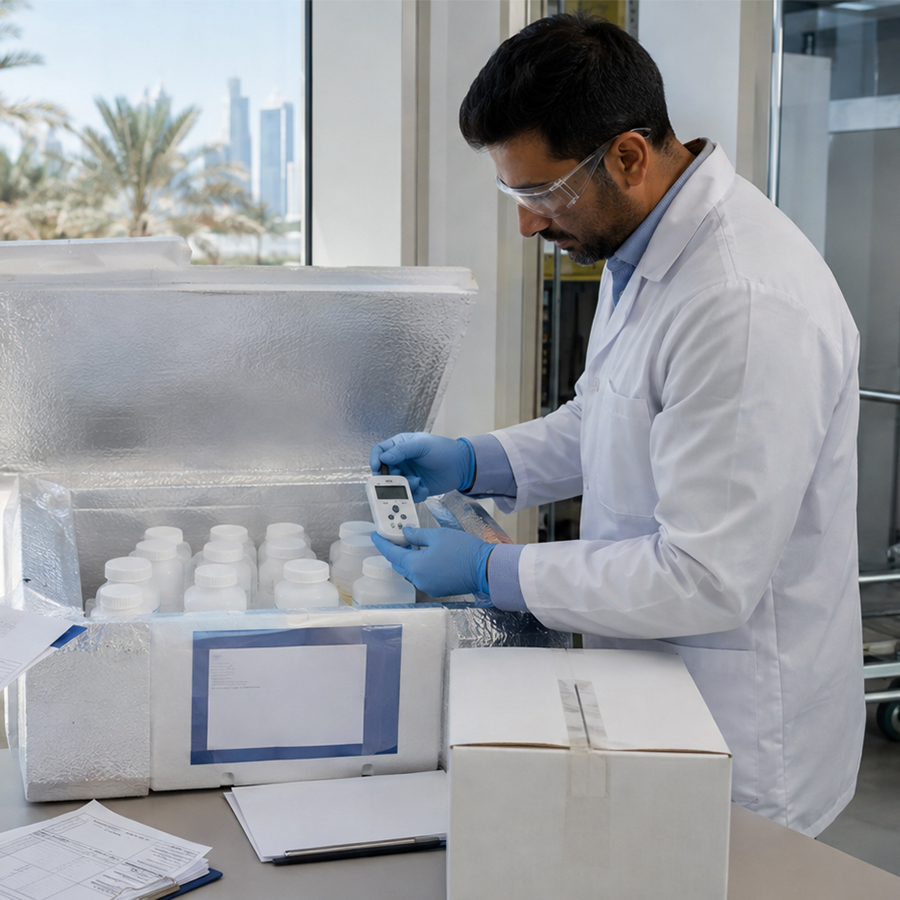 Quick Answer: Top 10 Microsphere Manufacturers for IVD Applications in ArgentinaThe top 10 microsphere manufacturers and specialist suppliers serving the Argentine IVD market in 2026 are:Merck / EstaporThermo Fisher ScientificBangs LaboratoriesPolysciencesSANYU GROUPJSR Life SciencesCytivaSpherotech
 -
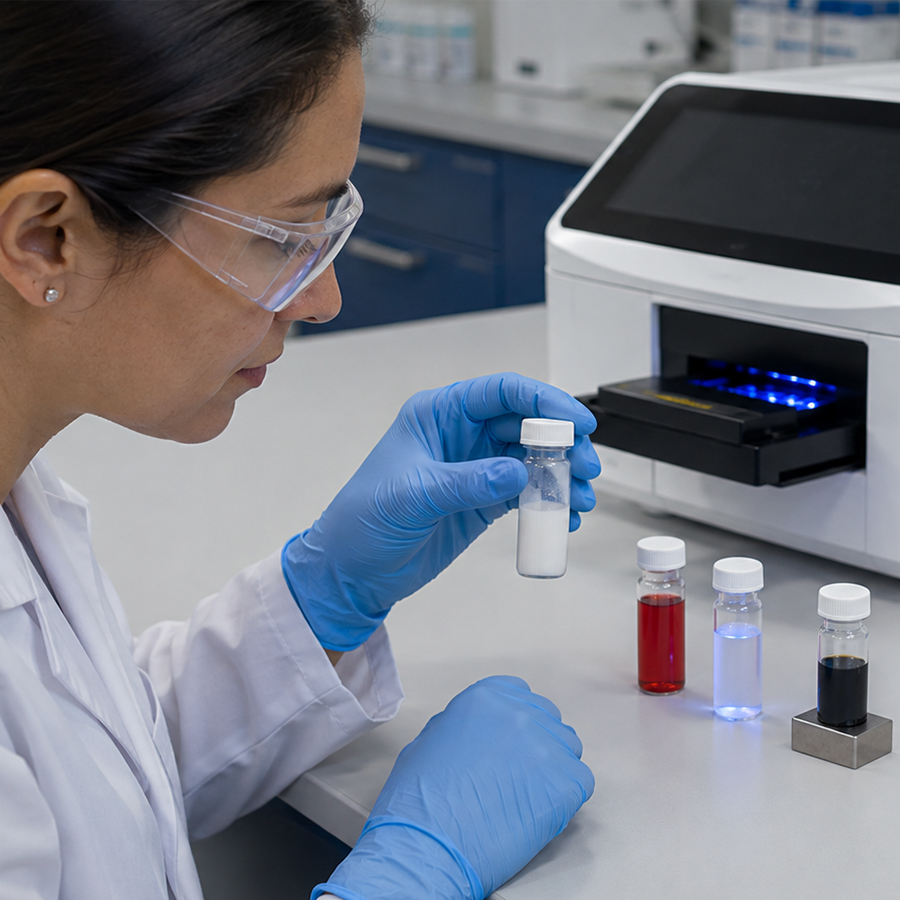 Overview of the IVD Microsphere Market in ItalyMicrospheres are precision-engineered polymer, silica or magnetic particles used as solid supports, signal labels, separation carriers and calibration materials in in-vitro diagnostic assays.They can be incorporated into:Lateral flow immunoassays;Latex
 -
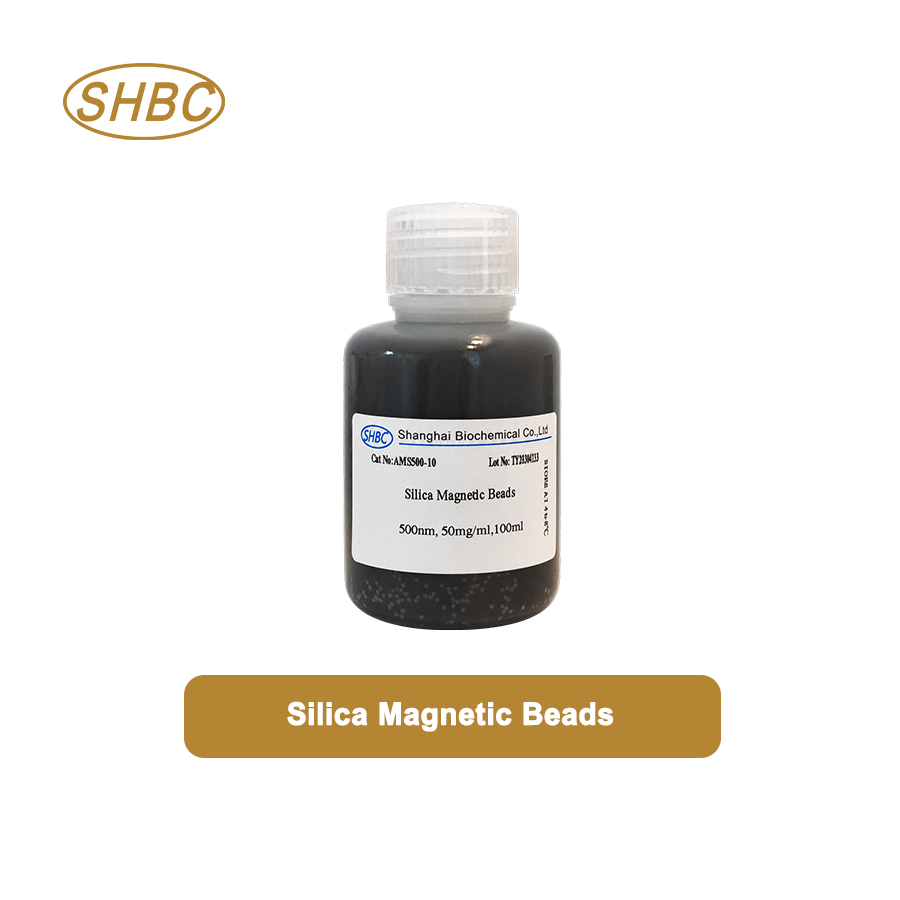 Quick Answer: Top 10 Silica Magnetic Bead Manufacturers in IndiaThe top 10 silica magnetic bead manufacturers and specialist suppliers serving the Indian market in 2026 are:CytivaCambrian BioworksSANYU GROUPThermo Fisher ScientificQIAGENPromegaNew England BiolabsMagtivioAMD BiotechG-BiosciencesThese
 -
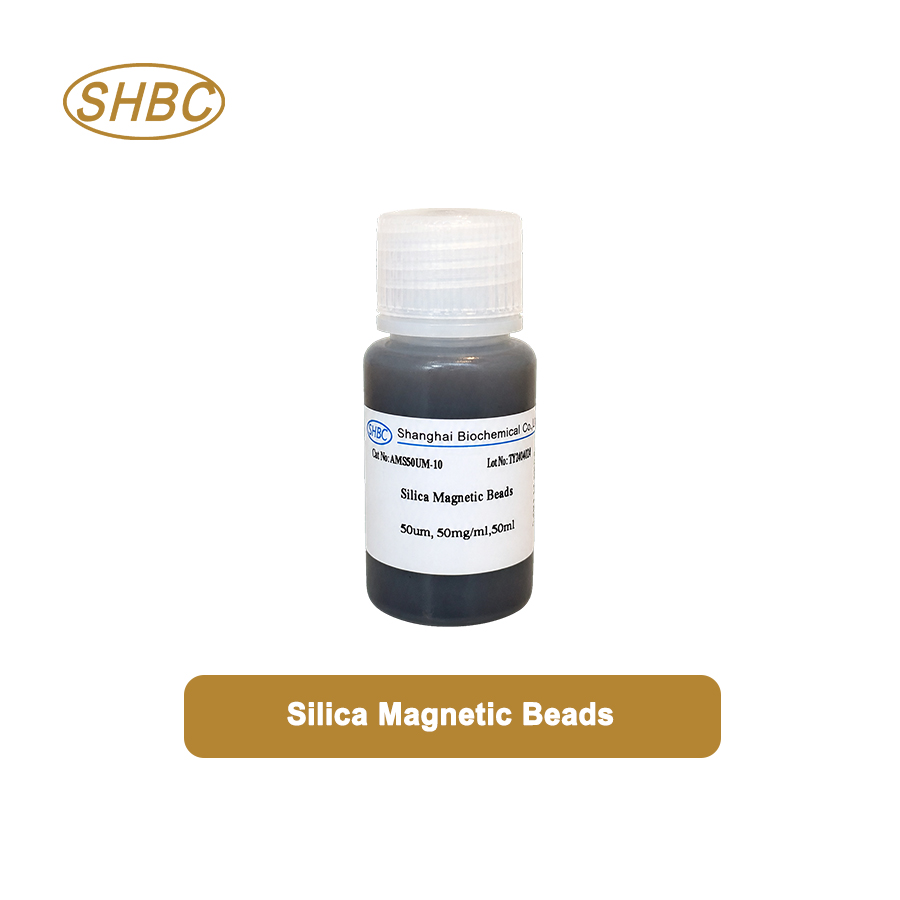 Quick Answer: Top Silica Magnetic Bead Manufacturers Serving France in 2026The top 10 silica magnetic bead manufacturers and specialist nucleic acid purification suppliers serving France in 2026 are:CytivaThermo Fisher ScientificSANYUMerck MagPrepPromegaQIAGENNew England BiolabsMagtivioMACHEREY-NAGE
