


Quick Answer: Top 10 Silica Magnetic Bead Manufacturers in India

The top 10 silica magnetic bead manufacturers and specialist suppliers serving the Indian market in 2026 are:
Cytiva
Cambrian Bioworks
Thermo Fisher Scientific
QIAGEN
Promega
New England Biolabs
Magtivio
AMD Biotech
G-Biosciences
These companies offer standalone silica magnetic beads, silica-like magnetic particles, nucleic acid extraction reagents or complete magnetic bead purification platforms for DNA and RNA isolation.
The ranking is an editorial comparison based on publicly available information reviewed in 2026. It considers product specialization, availability of standalone beads, nucleic acid extraction applications, automation compatibility, customization, technical documentation and potential supply to customers in India.
“Manufacturers in India” in this article means manufacturers and suppliers serving Indian laboratories, diagnostic companies, biotechnology businesses and extraction-kit developers. Not every company listed manufactures its beads inside India.
Cambrian Bioworks is based in Bengaluru, while the remaining companies are international suppliers whose products may be sourced directly or through authorized Indian channels. SANYU is ranked third and is the only Chinese manufacturer included in this ranking.
Comparison of the Top 10 Silica Magnetic Bead Manufacturers
Rank | Manufacturer | Main Silica Magnetic Bead Platform | Best-Suited Applications | Standalone Beads |
|---|---|---|---|---|
1 | Cytiva | SeraSil-Mag | Low-input DNA, molecular diagnostics, cfDNA and automated extraction | Yes |
2 | Cambrian Bioworks | CamBeads-Si | Blood, tissue, FFPE, plasma and Indian molecular diagnostic workflows | Yes |
3 | DNA/RNA extraction, OEM reagents and automated purification | Yes | ||
4 | Thermo Fisher Scientific | Dynabeads MyOne SILANE | Viral nucleic acids, genomic DNA and customized OEM workflows | Yes |
5 | QIAGEN | MagAttract Suspension G | Automated DNA/RNA purification and high-throughput workflows | Yes |
6 | Promega | MagneSil Paramagnetic Particles | Genomic DNA, plasmid DNA, food testing and sequencing cleanup | Yes |
7 | New England Biolabs | Monarch Mag Beads M1 and M2 | Viral DNA/RNA, high-input DNA and workflow development | Yes |
8 | Magtivio | MagSi-DNA | Protocol development, microfluidics, automation and OEM projects | Yes |
9 | AMD Biotech | Auto-Mag Silica Coated Beads | Genomic DNA, RNA, plasmids and customized extraction methods | Yes |
10 | G-Biosciences | Silica Magnetic Beads | DNA/RNA purification, PCR cleanup and laboratory protocol development | Yes |
Why Silica Magnetic Beads Are Important in India
Silica magnetic beads are widely used in molecular diagnostic, genomics, biotechnology, agricultural, food-testing and research laboratories.
They combine a nucleic acid-binding silica surface with a magnetically responsive core. This structure enables DNA or RNA to be captured, washed and eluted without centrifugation or a spin-column membrane.
The technology is particularly suitable for India because it can support:
Manual nucleic acid extraction;
High-throughput 96-well processing;
Automated magnetic rod instruments;
Liquid-handling workstations;
Viral DNA and RNA testing;
Molecular diagnostic reagent manufacturing;
Genomics and sequencing laboratories;
Agricultural biotechnology;
Food and environmental testing;
Decentralized diagnostic laboratories.
Silica magnetic beads can be integrated into open extraction workflows or supplied as components of complete kits.
Indian buyers should distinguish between a manufacturer of standalone beads and a company selling only finished extraction kits. Standalone beads provide greater formulation flexibility, while complete kits may reduce development time.
How We Selected the Manufacturers
Direct Relevance to Silica Magnetic Beads
Priority was given to suppliers that publicly identify their particles as one of the following:
Silica-coated magnetic beads;
Magnetic silica particles;
Silane-coated magnetic beads;
Silica-like nucleic acid-binding particles;
Magnetic particles using silica-based DNA purification chemistry.
Companies offering only carboxyl or streptavidin magnetic beads were not included unless they also offered a silica or silica-like nucleic acid purification platform.
Availability of Standalone Beads
Manufacturers selling the bead suspension separately received additional consideration.
Standalone beads allow extraction-kit manufacturers to optimize their own:
Lysis buffer;
Binding chemistry;
Wash buffers;
Elution conditions;
Bead concentration;
Sample-to-bead ratio;
Automation protocol.
Range of Nucleic Acid Applications
The evaluation considered whether the supplier supports applications involving:
Genomic DNA;
Viral DNA;
Viral RNA;
Total nucleic acid;
Plasmid DNA;
Cell-free DNA;
FFPE DNA and RNA;
Plant DNA;
Microbial DNA;
Food DNA;
PCR cleanup;
NGS library preparation.
Automation Compatibility
Silica magnetic beads intended for high-throughput use should work with commonly used magnetic separation formats.
These may include:
Magnetic racks;
24-well systems;
96-well plates;
Magnetic rod processors;
KingFisher instruments;
Liquid handlers;
Microfluidic systems;
Customized extraction analyzers.
Quality and Technical Documentation
The ranking also considers the apparent availability of:
Certificates of analysis;
Product specifications;
Particle-size information;
Storage requirements;
Technical protocols;
Safety data sheets;
Quality-system information;
Commercial-scale packaging.
Supply to India
Indian buyers may require local stock, distributor support or direct international supply.
The ranking therefore considers whether a company has an Indian presence, India-specific product availability or a demonstrated international supply model.
1. Cytiva
Cytiva ranks first because it offers a clearly defined standalone silica-coated magnetic bead platform with extensive technical information and diagnostic relevance.
Its SeraSil-Mag products are silica-coated superparamagnetic beads developed for nucleic acid isolation.
Main Product Platform
The SeraSil-Mag portfolio includes approximately 400 nm and 700 nm particle options.
The beads have a magnetic core enclosed by a silica shell. The silica surface provides silanol groups for nucleic acid binding, while the magnetic core enables rapid separation.
Cytiva positions SeraSil-Mag for nucleic acid isolation and diagnostic extraction applications, including workflows involving biofluids, liquid biopsy samples and small or trace quantities of DNA.
Main Advantages
SeraSil-Mag beads offer:
Silica-coated core-shell construction;
Submicron particle sizes;
Narrow particle-size distribution;
High silica surface area;
Rapid magnetic separation;
Low residual magnetization;
Compatibility with chaotropic salt chemistry;
Low sedimentation at working concentrations;
Standalone bead supply;
Support for automation.
The India-facing Sigma-Aldrich product listing identifies SeraSil-Mag as a Cytiva silica-coated superparamagnetic bead product for nucleic acid isolation.
Best Applications
Cytiva is especially suitable for:
Cell-free DNA extraction;
Liquid biopsy sample preparation;
Low-input genomic DNA;
PCR and qPCR sample preparation;
Molecular diagnostic development;
Automated DNA extraction;
NGS workflows;
Extraction-kit OEM development.
Why Cytiva Ranks First
Cytiva combines raw-bead availability with detailed particle characterization and a strong molecular diagnostic positioning.
It is a suitable benchmark supplier for Indian companies developing high-value extraction workflows or comparing a new silica bead against an established commercial material.
What Indian Buyers Should Confirm
Before commercial qualification, confirm:
Exact bead diameter;
Bead concentration;
Available package sizes;
Lot-specific certificate of analysis;
Binding capacity in the intended buffer;
Magnetic response on the intended instrument;
Commercial lead time in India;
Bulk and OEM supply conditions;
Change-notification procedures.
2. Cambrian Bioworks
Cambrian Bioworks is a Bengaluru-based molecular diagnostics and genomics company offering silica-coated magnetic beads and extraction technologies.
Its bead portfolio includes CamBeads-Si, a silica-coated magnetic bead platform manufactured at the company’s Bangalore facility.
Main Product Platform
CamBeads-Si is designed to bind DNA and RNA under optimized salt and pH conditions.
Cambrian identifies CamBeads-Si as its silica-coated option for extracting total nucleic acids from relatively high-input samples such as blood and tissue.
Main Advantages
Potential advantages for Indian buyers include:
Domestic manufacturing;
Shorter communication channels;
Easier sample evaluation;
Reduced international logistics complexity;
Integration with Indian automation systems;
Support for customized extraction workflows;
Products for blood, tissue, FFPE and plasma applications;
Technical familiarity with Indian diagnostic-market requirements.
Cambrian also develops magnetic bead-based extraction systems and products for PCR, NGS, liquid biopsy and molecular diagnostic workflows.
Best Applications
Cambrian Bioworks is particularly relevant to:
Genomic DNA extraction from blood;
DNA and RNA extraction from tissue;
FFPE sample processing;
Plasma and cfDNA workflows;
Automated nucleic acid extraction;
Molecular diagnostic kit development;
NGS sample preparation;
Indian OEM projects.
Why Cambrian Ranks Second
Cambrian ranks second because it combines silica magnetic bead technology with domestic Indian development and manufacturing.
For an Indian diagnostic company, local technical support and shorter supply chains may be important advantages, particularly during assay optimization and pilot production.
What Buyers Should Confirm
Request documentation for the exact bead or kit being evaluated, including:
Bead specification;
Particle-size distribution;
Magnetic separation time;
Bead concentration;
Storage stability;
Nucleic acid-binding capacity;
Quality-system certificate;
Product regulatory status;
Available commercial batch sizes;
Change-control policy.
Claims associated with ISO 13485, CE-IVD or CDSCO status should always be verified for the specific product and manufacturing site rather than assumed to cover the entire portfolio.
3. SANYU GROUP

SANYU GROUP is a manufacturer of functional microspheres and magnetic beads for nucleic acid extraction, molecular diagnostics, bioseparation and life science applications.
SANYU is ranked third and is the only Chinese manufacturer included in this list.
Main Product Platform
SANYU offers silica-coated magnetic beads under its AMS product range.
For example, AMS200-10 consists of silica-coated magnetic beads with a nominal diameter of approximately 200 nm. The product is positioned for DNA and RNA purification, biomolecule separation and life science research.
Main Product Types
SANYU can supply:
Nanoscale silica magnetic beads;
Micron-scale magnetic silica microspheres;
Beads for viral DNA and RNA extraction;
Beads for genomic DNA purification;
Beads for automated extraction instruments;
Silica magnetic beads for OEM extraction reagents;
Customized bead concentrations and package sizes.
Main Advantages
SANYU’s main strengths include:
Standalone raw-bead supply;
Multiple particle-size options;
Silica-coated surfaces;
Factory-direct communication;
Custom bead development;
OEM and ODM support;
Bulk commercial packaging;
Compatibility with customized buffer systems.
The company also publishes technical content covering silica magnetic bead selection, automated extraction and nucleic acid-binding workflows.
Best Applications
SANYU is particularly suitable for:
Viral DNA and RNA extraction;
Genomic DNA extraction;
Total nucleic acid purification;
Molecular diagnostic reagent development;
Automated extraction platforms;
PCR sample preparation;
Research-use extraction kits;
Factory-direct OEM projects.
Why SANYU Ranks Third
SANYU ranks third because it offers standalone silica magnetic beads rather than only finished extraction kits.
This allows Indian extraction-kit developers to formulate their own lysis, binding, washing and elution systems.
SANYU may also be competitive for companies that require customized particle size, solids concentration, magnetic response or commercial packaging.
What Indian Buyers Should Confirm
Before supplier approval, request:
Particle-size specification;
Particle-size measurement method;
Silica-coating information;
Solids concentration;
Magnetic separation data;
Nucleic acid-binding test data;
DNase and RNase testing;
Microbial-limit information;
Certificate of analysis;
Manufacturing-location information;
Export documentation;
Commercial lead time;
Change-notification procedure.
4. Thermo Fisher Scientific
Thermo Fisher Scientific offers Dynabeads MyOne SILANE, a magnetic bead product with optimized silica-like surface chemistry for nucleic acid capture.
The particles have a nominal diameter of approximately 1 µm and a high specific surface area.
Main Product Platform
Dynabeads MyOne SILANE are designed for the isolation of DNA and RNA.
The magnetic core is enclosed within the particle, while the outer surface provides silica-like chemistry for nucleic acid adsorption.
Thermo Fisher also offers SILANE-based kits optimized for genomic DNA and viral nucleic acid isolation.
Main Advantages
Dynabeads MyOne SILANE provide:
Uniform 1 µm particles;
High surface area;
Silica-like binding chemistry;
Strong magnetic response;
Low sedimentation during incubation;
Compatibility with viral DNA and RNA workflows;
Standalone bead availability;
Extensive protocol support;
Potential OEM and commercial supply options.
Best Applications
Thermo Fisher is particularly suitable for:
Viral DNA extraction;
Viral RNA extraction;
Serum and plasma samples;
Genomic DNA isolation;
Molecular diagnostic development;
Low-concentration nucleic acids;
Automated magnetic extraction;
OEM reagent development.
Why Thermo Fisher Ranks Fourth
Thermo Fisher ranks fourth because Dynabeads are widely supported by technical documentation, protocols and automation expertise.
The platform is particularly relevant when consistency and magnetic handling are as important as raw bead cost.
What Buyers Should Confirm
Indian buyers should establish whether they require:
Standard catalog beads;
A research-use kit;
Further-manufacturing supply;
Customized OEM beads;
Bulk commercial packaging;
A quality agreement;
Long-term lot reservation.
The exact intended-use statement of each Thermo Fisher product should be checked before it is incorporated into a commercial diagnostic device.
5. QIAGEN
QIAGEN offers MagAttract Suspension G and multiple nucleic acid purification platforms based on silica-surface magnetic particles.
MagAttract magnetic-particle technology combines silica-based DNA purification with magnetic handling. DNA binds to the silica surface in the presence of chaotropic salts and is released under low-salt elution conditions.
Main Product Platform
MagAttract Suspension G is sold as a separate magnetic particle suspension.
QIAGEN indicates that it can be used with automated instruments including:
BioSprint 96;
KingFisher Flex;
Eppendorf epMotion;
Tecan Fluent;
Other compatible liquid-handling platforms.
Main Advantages
QIAGEN provides:
Established silica-based purification chemistry;
Standalone MagAttract particle suspension;
Manual and automated workflows;
High-throughput processing;
Kits for numerous sample types;
Extensive application protocols;
Technical support for downstream sequencing and molecular biology.
Best Applications
QIAGEN is particularly suitable for:
High-throughput genomic DNA extraction;
Plant DNA purification;
High-molecular-weight DNA;
Microbiome DNA and RNA;
Clinical research samples;
Automated 96-well workflows;
Sequencing and microarray sample preparation.
Why QIAGEN Ranks Fifth
QIAGEN ranks fifth because it combines magnetic bead technology with a large portfolio of validated extraction workflows.
It may be especially useful to Indian laboratories that want an established bead-and-buffer platform rather than developing an extraction chemistry entirely from the beginning.
What Buyers Should Confirm
Before adopting MagAttract technology, determine:
Whether the standalone suspension can be used outside the stated QIAGEN protocol;
Whether the intended instrument is supported;
Required buffer components;
Research-use or diagnostic status;
Available pack size;
Indian distributor stock;
Technical support;
Commercial manufacturing rights.
6. Promega
Promega manufactures MagneSil Paramagnetic Particles for DNA purification.
Promega describes MagneSil PMPs as silica-coated paramagnetic particles that can be adapted to magnetic nucleic acid purification workflows.
Main Product Platform
MagneSil Paramagnetic Particles are available separately and are also used in Promega extraction systems.
Applications include:
Genomic DNA purification;
Blood DNA extraction;
Plasmid DNA purification;
Food DNA extraction;
PCR-product purification;
Sequencing-reaction cleanup.
Main Advantages
MagneSil technology offers:
Silica-coated magnetic particles;
Standalone particle availability;
Manual and automated use;
96-well compatibility;
Genomic and plasmid DNA workflows;
Integration with liquid-handling instruments;
Technical protocols for different applications.
Promega uses MagneSil particles in automated systems compatible with instruments such as Beckman Coulter and Tecan liquid handlers.
Best Applications
Promega is especially relevant to:
Genomic DNA extraction;
Plasmid purification;
Food DNA testing;
Sanger sequencing cleanup;
PCR-product cleanup;
High-throughput 96-well laboratories;
Automation development.
Why Promega Ranks Sixth
Promega ranks sixth because MagneSil has a long-established position in silica-coated magnetic particle purification.
It is a practical option for laboratories requiring documented DNA purification workflows rather than only an unvalidated raw bead.
What Buyers Should Confirm
Check:
Particle concentration;
Binding capacity;
Research-use statement;
Separate-particle availability;
Automation protocol;
Commercial availability in India;
Batch documentation;
Bulk and OEM purchasing terms.
7. New England Biolabs
New England Biolabs offers Monarch Mag Beads M1 and M2.
Both are silica-coated magnetic beads developed for nucleic acid purification, although they are optimized for different sample and workflow requirements.
Monarch Mag Beads M1
Monarch Mag Beads M1 are used in the Monarch Mag Viral DNA/RNA Extraction Kit.
NEB positions M1 beads for sensitive nucleic acid capture from samples containing relatively few target molecules.
Monarch Mag Beads M2
Monarch Mag Beads M2 have a silica coating that facilitates nucleic acid adsorption in high-salt conditions.
They are suited to workflows involving higher nucleic acid inputs and protocol development.
Main Advantages
NEB offers:
Two silica bead options;
Separate bead products;
Viral DNA and RNA workflows;
Clearly documented binding principles;
Protocols for manual extraction;
Compatibility with customized buffer development;
Technical support from a molecular biology specialist.
Best Applications
NEB is particularly suitable for:
Viral DNA and RNA extraction;
Low-copy nucleic acid capture;
General DNA purification;
Molecular biology research;
Customized bind-wash-elute protocols;
Laboratories that want standalone beads with supporting extraction kits.
Why NEB Ranks Seventh
NEB ranks seventh because the Monarch platform provides a clear distinction between bead types for different nucleic acid inputs.
This can help assay developers avoid using one particle formulation for every sample type.
What Buyers Should Confirm
Verify:
Which bead is appropriate for the sample;
Binding-buffer requirements;
Particle concentration;
Package sizes;
Compatibility with the intended automation platform;
Indian availability;
Intended-use limitations.
8. Magtivio
Magtivio is a specialist magnetic sample-preparation company offering the MagSi-DNA family of magnetic silica beads.
The portfolio contains several silica bead sizes and magnetic-response profiles for nucleic acid extraction and protocol development.
Main Product Platform
Magtivio’s silica MagSi-DNA options include:
MagSi-DNA mf at approximately 300 nm;
MagSi-DNA 600 at approximately 600 nm;
MagSi-DNA Allround at approximately 1.2 µm;
MagSi-DNA 3.0 at approximately 3 µm.
The company offers a trial kit containing multiple silica and carboxylated bead options for protocol screening.
Main Advantages
Magtivio provides:
Multiple particle sizes;
Different suspension and separation profiles;
Standalone silica magnetic beads;
Trial kits for screening;
Microfluidic-compatible particles;
Automation systems;
OEM and private-label services;
Kits for human, animal, plant and pathogen samples.
MagSi-DNA mf is specifically designed for microfluidic and chip-based systems and can also be used in tubes and microplates.
Best Applications
Magtivio is particularly suitable for:
Extraction protocol development;
Automated 96-well extraction;
Microfluidic devices;
Plant and animal genomics;
Pathogen nucleic acid extraction;
OEM and private-label projects;
Laboratories comparing multiple bead sizes.
Why Magtivio Ranks Eighth
Magtivio ranks eighth because it provides one of the broadest selectable ranges of standalone magnetic silica beads.
It is especially useful when bead size, magnetic speed and suspension stability must be optimized separately.
What Buyers Should Confirm
Indian buyers should request:
Trial samples;
Particle-size specifications;
Binding-buffer recommendations;
Separation-time data;
Available bulk volumes;
Shipping conditions;
Distributor information;
OEM terms;
Long-term supply commitments.
9. AMD Biotech
AMD Biotech offers Auto-Mag Silica Coated Magnetic Beads for DNA and RNA extraction.
Its D-1 product consists of superparamagnetic iron oxide microspheres enclosed within a silica layer.
Main Product Specifications
AMD Biotech publicly identifies the following specifications for Auto-Mag D-1:
Silica hydroxyl surface;
Approximately 900 nm average diameter;
Approximately 50 mg/mL concentration;
Superparamagnetic behavior;
DNA and RNA extraction applications;
Ambient-temperature shipping;
Refrigerated storage after receipt.
The product is available in laboratory and larger-volume formats, including sample, 5 mL, 50 mL and 500 mL options.
Main Advantages
Auto-Mag D-1 offers:
True silica-coated particles;
Standalone bead supply;
Published particle concentration;
Multiple package sizes;
DNA and RNA extraction protocols;
Customized extraction services;
Certificate-of-analysis access;
Potential bulk supply.
Best Applications
AMD Biotech is particularly suitable for:
Genomic DNA extraction;
Total RNA extraction;
Plasmid purification;
Plant DNA extraction;
Viral and pathogen nucleic acids;
Custom extraction-kit development;
Small- to medium-scale OEM projects.
Why AMD Biotech Ranks Ninth
AMD Biotech ranks ninth because it provides a clearly specified standalone silica bead rather than only a finished kit.
Its larger package options may be relevant to Indian companies conducting pilot-scale formulation work.
What Buyers Should Confirm
Request:
Lot-specific certificate of analysis;
Particle-size distribution;
DNase and RNase testing;
Magnetic separation time;
Shelf-life data;
Bulk price;
Shipping documentation;
Quality-system scope;
Commercial manufacturing capacity.
10. G-Biosciences
G-Biosciences supplies standalone Silica Magnetic Beads for nucleic acid isolation.
Its particles consist of Fe₃O₄ magnetic beads coated with a silicon dioxide layer.
Main Product Platform
The beads are offered for:
Plasmid DNA purification;
Genomic DNA purification;
RNA purification;
PCR-product cleanup;
Sequencing sample preparation.
Standalone package sizes include 5 mL, 25 mL and 100 mL.
Main Advantages
G-Biosciences provides:
Standalone silica magnetic beads;
Clearly stated Fe₃O₄–SiO₂ construction;
Several purchasing volumes;
Protocol documentation;
Applications covering DNA, RNA and PCR cleanup;
A straightforward option for laboratory-developed workflows.
Best Applications
G-Biosciences is particularly relevant to:
Small-scale extraction development;
Plasmid purification;
Genomic DNA extraction;
RNA extraction;
PCR cleanup;
Academic and biotechnology laboratories;
Initial bead-screening studies.
Why G-Biosciences Ranks Tenth
G-Biosciences ranks tenth because it offers a genuine standalone silica bead with clearly documented applications.
Its platform is particularly suitable for laboratory protocol development, although commercial IVD manufacturers should request additional quality and scale-up documentation.
What Buyers Should Confirm
Before commercial use, verify:
Particle-size range;
Concentration;
Magnetic response;
Binding capacity;
Manufacturing quality system;
Commercial batch size;
Lot traceability;
India shipping options;
Change-notification policy.
How Silica Magnetic Beads Work

Silica magnetic bead extraction generally follows four stages:
Sample lysis;
Nucleic acid binding;
Magnetic washing;
Elution.
Sample Lysis
Cells, viruses or tissue structures are disrupted to release DNA and RNA.
Depending on the sample, lysis may require:
Detergents;
Chaotropic salts;
Proteinase K;
Mechanical disruption;
Heating;
Reducing agents;
Inhibitor-removal reagents.
Nucleic Acid Binding
Under suitable high-salt and dehydrating conditions, nucleic acids associate with the silica surface.
The silica beads are mixed throughout the lysate, which increases contact between the solid phase and the released nucleic acids.
Magnetic Separation and Washing
A magnet draws the beads to the tube wall, well edge or magnetic rod.
The supernatant is removed while the DNA- or RNA-loaded beads remain immobilized.
One or more wash steps remove:
Proteins;
Salts;
Lipids;
PCR inhibitors;
Cellular debris;
Unbound nucleic acids;
Residual lysis reagents.
Elution
Nucleic acids are released from the silica surface under low-salt conditions, usually with water or a mildly alkaline buffer.
The magnet retains the beads while the purified nucleic acid is transferred to a clean tube or plate.
Silica Beads vs Carboxyl Magnetic Beads
Silica and carboxyl magnetic beads are not interchangeable in every extraction protocol.
Silica Magnetic Beads
Silica beads commonly bind nucleic acids in the presence of chaotropic salts and alcohol.
They are frequently used for:
Total DNA extraction;
Total RNA extraction;
Viral nucleic acids;
Genomic DNA;
Clinical sample preparation.
Carboxyl Magnetic Beads
Carboxyl beads are commonly used with PEG and salt systems.
They are frequently selected for:
PCR cleanup;
NGS library cleanup;
DNA size selection;
Concentration of pre-purified nucleic acids.
Some carboxyl beads can also work with chaotropic chemistry, but their binding behavior and selectivity may differ from silica beads.
The supplier should clearly identify the bead surface rather than describing every nucleic acid-binding particle simply as a “magnetic bead.”
Best Manufacturers by Application
Best for Low-Input DNA and Liquid Biopsy
Recommended suppliers include:
Cytiva;
Cambrian Bioworks;
SANYU GROUP;
Thermo Fisher Scientific.
Developers should compare:
Recovery of short DNA fragments;
cfDNA recovery;
Background DNA;
Bead carryover;
Elution volume;
Reproducibility at low input.
Best for Viral DNA and RNA Extraction
Recommended suppliers include:
Thermo Fisher Scientific;
New England Biolabs;
SANYU GROUP;
Cytiva;
QIAGEN;
AMD Biotech.
Important parameters include:
Recovery at low viral load;
RNA stability;
Carrier-RNA compatibility;
Inhibitor removal;
swab-medium compatibility;
RT-qPCR cycle-threshold performance.
Best for Whole-Blood Genomic DNA
Recommended suppliers include:
Cambrian Bioworks;
QIAGEN;
Promega;
Cytiva;
SANYU GROUP.
The extraction process should be evaluated for:
Blood volume;
anticoagulant compatibility;
heme removal;
DNA yield;
DNA integrity;
downstream PCR and NGS performance.
Best for High-Molecular-Weight DNA
Recommended suppliers include:
QIAGEN;
Cambrian Bioworks;
Magtivio;
MagGenome as an additional Indian magnetic nanoparticle option.
High-molecular-weight DNA workflows require gentle mixing, controlled lysis and minimal bead-induced shearing.
Buyers should not assume that every silica bead formulation will preserve long DNA fragments.
Best for Plant and Agricultural Samples
Recommended suppliers include:
QIAGEN;
Magtivio;
Promega;
AMD Biotech;
SANYU GROUP.
Plant samples may contain polysaccharides, polyphenols and other compounds that inhibit PCR.
The buffer chemistry is therefore as important as the bead itself.
Best for Food and Environmental Testing
Recommended suppliers include:
Promega;
QIAGEN;
G-Biosciences;
AMD Biotech;
SANYU GROUP.
Testing should include representative food or environmental matrices rather than purified control DNA alone.
Best for Custom Extraction-Kit Development
Recommended suppliers include:
SANYU GROUP;
Cytiva;
Magtivio;
AMD Biotech;
Cambrian Bioworks;
Thermo Fisher Scientific.
The best supplier will depend on whether the developer requires:
A standard raw bead;
A custom particle;
Optimized buffers;
OEM filling;
Private labeling;
Regulatory documentation;
Commercial-scale production.
How to Choose Silica Magnetic Beads
Define the Sample Type
The same bead may perform differently with:
Whole blood;
Plasma;
Serum;
Swabs;
Saliva;
Tissue;
FFPE tissue;
Stool;
Plants;
Food;
Soil;
Purified PCR products.
Start the supplier selection process with the intended sample matrix.
Define the Target Nucleic Acid
Determine whether the workflow must isolate:
Genomic DNA;
Viral DNA;
Viral RNA;
Total RNA;
Total nucleic acid;
cfDNA;
Plasmid DNA;
High-molecular-weight DNA;
Short DNA fragments.
A bead optimized for large genomic DNA may not provide the best recovery of short viral RNA or cfDNA.
Compare Particle Size
Smaller beads generally provide more surface area per unit mass, while larger beads may separate more rapidly.
Particle size can affect:
Binding capacity;
Magnetic collection;
Sedimentation;
Mixing;
Bead carryover;
Automation;
Microfluidic compatibility.
Compare Magnetic Response
A very fast magnetic response can shorten extraction time, but extremely rapid collection may also create a dense pellet that is difficult to resuspend.
Evaluate:
Time to clear the supernatant;
Pellet compactness;
Redispersion after each wash;
Magnetic performance in viscous lysates;
Compatibility with the instrument’s magnets.
Evaluate Suspension Stability
Beads that settle too rapidly may produce inconsistent dispensing from reagent reservoirs.
For automated systems, test:
Settling during the full run;
Uniformity across the first and last wells;
Need for continuous mixing;
Dispensing accuracy;
Bottle resuspension.
Measure Nucleic Acid Recovery
Do not rely only on spectrophotometric concentration.
Evaluate recovery using:
Fluorometric quantification;
qPCR or RT-qPCR;
Fragment analysis;
Gel electrophoresis;
Sequencing-library yield;
Digital PCR where appropriate.
Test Inhibitor Removal
A high DNA concentration does not guarantee a successful extraction.
Residual heme, ethanol, guanidinium salts, polysaccharides or proteins may inhibit downstream enzymes.
Compare:
PCR amplification;
RT-qPCR efficiency;
sequencing quality;
enzyme digestion;
library-conversion rate.
Test Several Production Lots
At least three representative lots should normally be evaluated during supplier qualification.
Compare:
Particle size;
Bead concentration;
Magnetic response;
Binding capacity;
background contamination;
nucleic acid recovery;
wash performance;
downstream assay results.
India-Specific Regulatory and Procurement Considerations
India regulates IVD kits and reagents under the Medical Devices Rules, 2017.
CDSCO classifies IVD medical devices into Classes A, B, C and D based on risk.
A standalone raw silica magnetic bead may not have the same regulatory status as a complete diagnostic extraction kit. Its treatment depends on the intended use, product claims, packaging and how it is supplied.
The finished IVD manufacturer remains responsible for determining the applicable regulatory pathway and qualifying critical raw materials.
Research Use vs IVD Manufacturing
Indian buyers should establish whether the bead is supplied as:
Research use only;
General laboratory reagent;
A component for further manufacturing;
An IVD kit component;
A customized OEM material.
A research-use bead may be appropriate for feasibility work but may not provide the documentation required for a commercial IVD.
Local Manufacturer vs Imported Beads
Domestic suppliers may provide:
Shorter delivery times;
easier technical communication;
lower freight costs;
local service;
simpler sample evaluation.
International manufacturers may provide:
Broader product portfolios;
long-established technologies;
greater global manufacturing capacity;
more extensive documentation.
The best choice depends on the application and risk of supply interruption.
Import Documentation
For imported beads, request:
Commercial invoice;
Packing list;
Country-of-origin statement;
Product description;
Harmonized tariff information where available;
Safety data sheet;
Storage instructions;
Manufacturing-location details;
Certificate of analysis.
Temperature and Transport
Some raw silica bead suspensions can ship at ambient temperature, while others may require controlled storage after delivery.
Confirm:
Shipping temperature;
Storage temperature;
acceptable excursion limits;
freeze sensitivity;
shelf life;
replacement policy after transport deviation.
Silica Magnetic Bead Supplier Qualification Checklist

Particle Specifications
What is the nominal bead diameter?
What is the particle-size distribution?
What is the bead concentration?
What is the core material?
Is the surface true silica or silica-like chemistry?
Is the bead superparamagnetic?
What is the magnetic separation time?
How quickly does the bead settle?
How easily does it redisperse?
Nucleic Acid Performance
What is the DNA-binding capacity?
What is the RNA-binding capacity?
Which binding chemistry is recommended?
What fragment sizes can be recovered?
Has cfDNA recovery been tested?
Has viral RNA recovery been tested?
What is the typical elution volume?
Is bead carryover measured?
Are DNase and RNase tests performed?
Automation Compatibility
Can the bead be used on KingFisher systems?
Is it compatible with magnetic rod instruments?
Can it be dispensed from a reagent reservoir?
Is continuous mixing required?
Is it suitable for 96-well processing?
Can it be used in microfluidic devices?
Are automation scripts available?
Quality Documentation
Is a certificate of analysis supplied?
Is a detailed release specification available?
Does the supplier operate a certified quality system?
Are lots traceable?
Are retention samples maintained?
Is stability data available?
Is a formal change-notification process available?
Can a quality agreement be signed?
Commercial Supply
Are evaluation samples available?
What is the minimum order quantity?
Are 50 mL, 100 mL or larger packages available?
Can the supplier support pilot production?
What is the maximum batch size?
Can lots be reserved?
Is OEM or private-label supply available?
Can the supplier support multi-year forecasts?
What is the lead time to India?
Frequently Asked Questions
What Are Silica Magnetic Beads?
Silica magnetic beads are magnetically responsive particles with a silica or silica-like outer surface.
They are used to bind, wash and elute DNA or RNA during nucleic acid extraction and purification.
How Do Silica Magnetic Beads Bind DNA and RNA?
DNA and RNA bind to silica surfaces under suitable high-salt, dehydrating or chaotropic conditions.
After washing away contaminants, the nucleic acids are released under low-salt conditions.
Are All Magnetic Beads Silica Coated?
No.
Magnetic beads may have silica, carboxyl, streptavidin, amino, epoxy, tosyl or other surface chemistries.
The surface must be confirmed before selecting a binding protocol.
Which Company Is the Best Silica Magnetic Bead Manufacturer in India?
Cytiva ranks first overall in this comparison because of its well-characterized SeraSil-Mag platform.
Cambrian Bioworks is a leading India-based option, while SANYU ranks third as a factory-direct supplier of standalone silica magnetic beads.
The best manufacturer ultimately depends on the sample type, extraction chemistry, automation platform and commercial requirements.
Which Indian Company Manufactures Silica Magnetic Beads?
Cambrian Bioworks manufactures CamBeads products in Bengaluru and offers CamBeads-Si silica-coated magnetic beads.
Indian buyers should verify the specification and regulatory status of the exact product being considered.
Why Is SANYU Ranked Third?
SANYU is ranked third because it offers standalone silica magnetic beads in different particle formats, including nanoscale products for DNA and RNA purification.
It also supports customized concentration, particle size, packaging and OEM extraction-reagent projects.
SANYU is the only Chinese manufacturer included in this ranking.
Which Silica Magnetic Beads Are Best for Viral RNA?
Relevant options include:
Thermo Fisher Dynabeads MyOne SILANE;
NEB Monarch Mag Beads M1;
Cytiva SeraSil-Mag;
SANYU silica magnetic beads;
QIAGEN MagAttract particles.
Each bead must be tested with the intended lysis buffer, carrier RNA, sample type and RT-qPCR assay.
Which Beads Are Best for cfDNA?
Cytiva SeraSil-Mag, Cambrian’s plasma-oriented bead workflows and suitable SANYU silica beads may be evaluated for cfDNA extraction.
Short-fragment recovery should be measured directly because total DNA yield does not indicate cfDNA recovery.
Can Silica Magnetic Beads Be Used on KingFisher Instruments?
Many silica bead products can be adapted to KingFisher magnetic processors.
However, the bead concentration, plate type, magnetic response, wash volume and mixing speed must be optimized for the specific instrument.
Are Silica Magnetic Beads Better Than Spin Columns?
Silica magnetic beads are generally easier to automate and scale to high-throughput formats.
Spin columns may remain practical for low-throughput manual work.
Performance depends on the complete extraction chemistry rather than the solid phase alone.
Can the Same Beads Extract Both DNA and RNA?
Some silica magnetic beads can bind both DNA and RNA.
Selectivity is largely controlled by the lysis, binding, wash and elution chemistry.
The supplier’s protocol should be tested using the intended nucleic acid target.
Can Raw Beads Be Used to Manufacture Extraction Kits?
Yes, standalone beads can be used as raw materials for extraction-kit development.
The manufacturer must develop and validate the complete system, including buffers, bead concentration, packaging, stability and instructions for use.
How Much Bead Is Needed Per Extraction?
The required bead volume depends on:
Sample volume;
Target concentration;
Bead concentration;
Binding capacity;
buffer chemistry;
desired recovery;
automation format.
Supplier recommendations should be treated as starting points rather than universal values.
What Is the Difference Between Silica and Silane Beads?
A silica bead has an outer silicon dioxide surface.
A silane or silica-like bead may use chemically modified silane groups to create similar nucleic acid-binding behavior.
The actual surface structure and recommended buffer chemistry should be confirmed with the manufacturer.
Should Buyers Test More Than One Supplier?
Yes.
Testing several suppliers reduces the risk of choosing a particle based only on price or catalog specifications.
It also supports dual sourcing and supply-chain continuity.
Final Recommendations
Cytiva is a strong overall choice for Indian laboratories and extraction-kit developers requiring well-characterized standalone silica magnetic beads for low-input DNA, molecular diagnostics and automated workflows.
Cambrian Bioworks is an important India-based option for customers seeking local silica magnetic bead manufacturing, application support and shorter supply chains.
SANYU GROUP ranks third and is a competitive factory-direct supplier for customized silica magnetic beads, OEM extraction reagents and commercial-scale DNA or RNA purification projects.
Thermo Fisher Scientific is particularly suitable for viral nucleic acid extraction and silica-like Dynabeads workflows.
QIAGEN combines standalone MagAttract particles with extensive automated extraction systems.
Promega provides established MagneSil silica-coated particles for genomic DNA, plasmid, food and sequencing applications.
New England Biolabs offers two differentiated Monarch silica bead types for low-input and general nucleic acid purification.
Magtivio is particularly strong in multiple particle sizes, protocol screening, microfluidics and OEM development.
AMD Biotech supplies clearly specified standalone silica-coated beads in several package sizes.
G-Biosciences provides a straightforward standalone silica bead option for DNA, RNA and PCR-product purification.
Before selecting a commercial supplier, Indian buyers should compare several bead products and at least three production lots using the exact sample, buffer system, automation platform and downstream assay intended for the final application.
Related Blogs
-
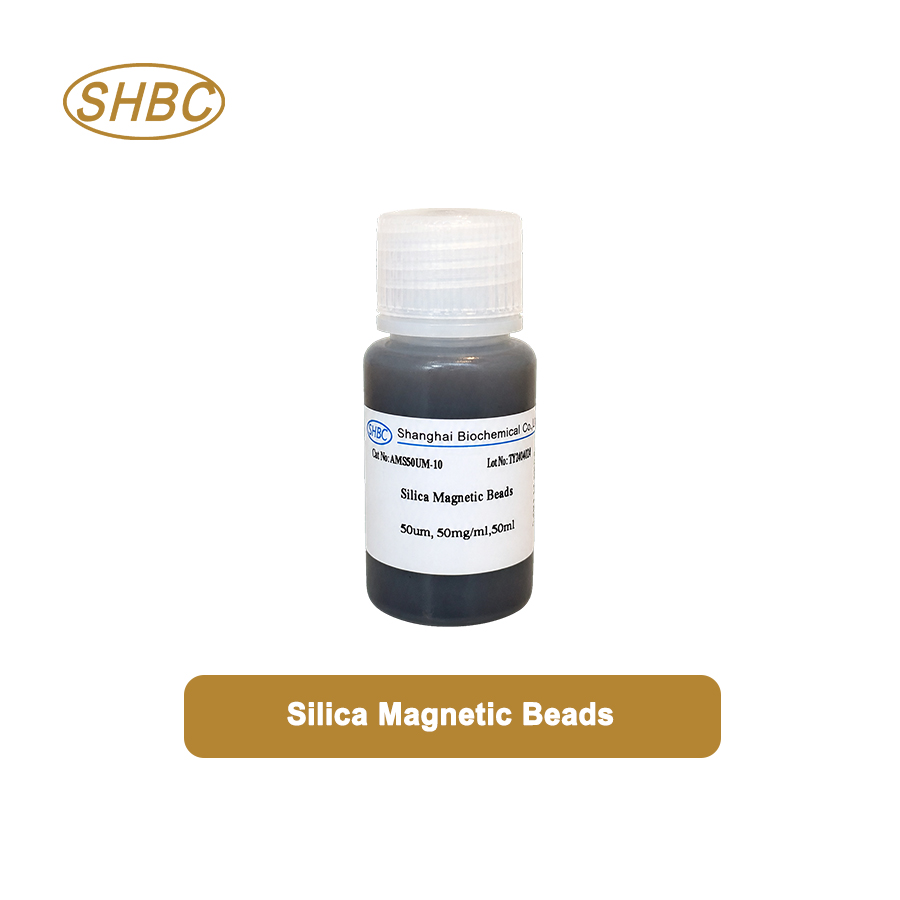 Quick Answer: Top Silica Magnetic Bead Manufacturers Serving France in 2026The top 10 silica magnetic bead manufacturers and specialist nucleic acid purification suppliers serving France in 2026 are:CytivaThermo Fisher ScientificSANYUMerck MagPrepPromegaQIAGENNew England BiolabsMagtivioMACHEREY-NAGE
 -
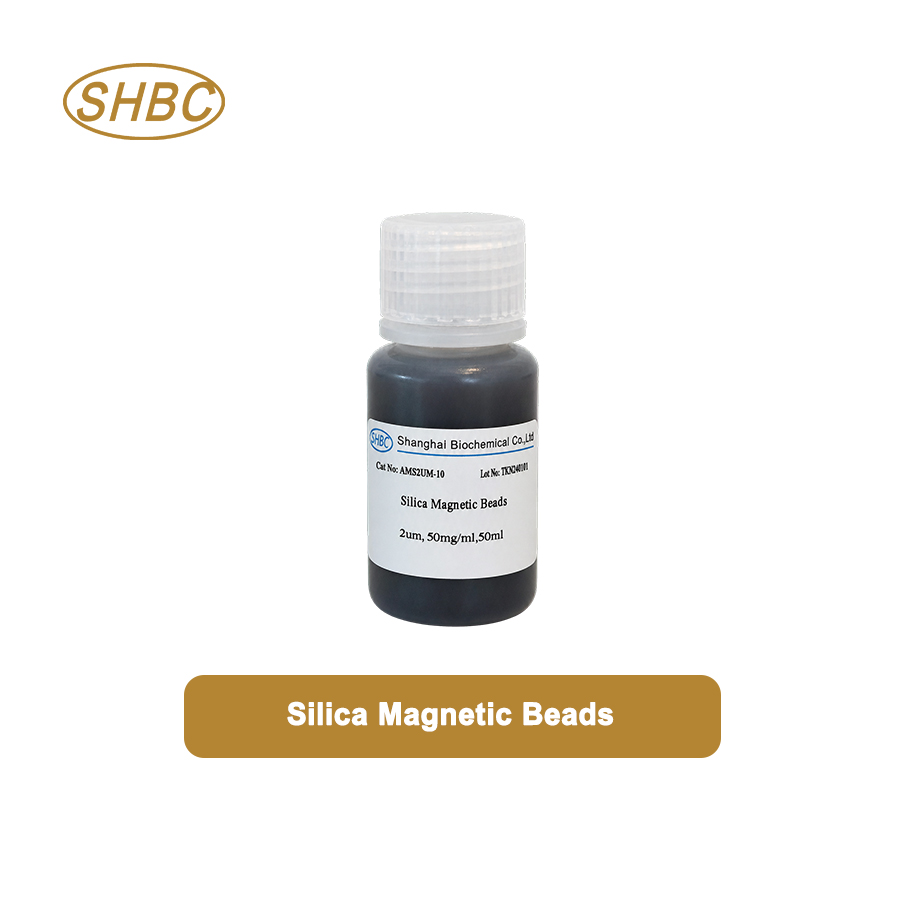 Quick Answer: Leading Silica Magnetic Bead Manufacturers Serving BrazilThe leading silica magnetic bead manufacturers and technology suppliers that Brazilian molecular diagnostic companies, nucleic acid extraction kit developers, biotechnology laboratories and distributors may evaluate in 2026 inclu
 -
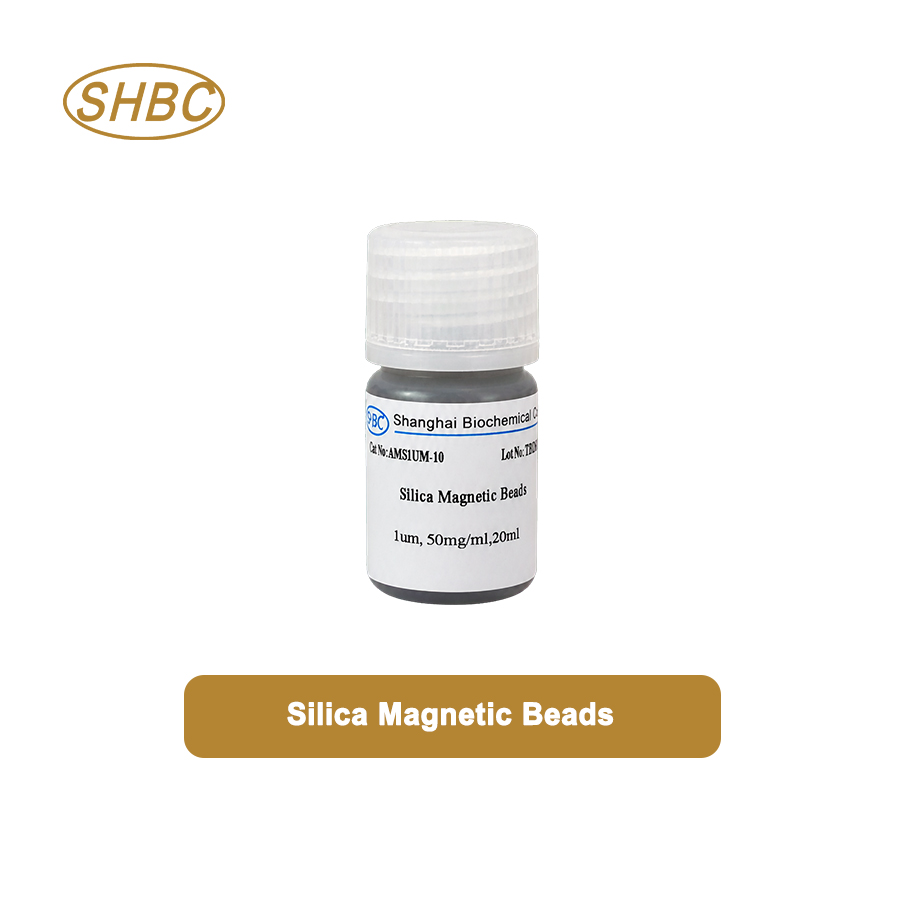 Silica Magnetic Bead Market Overview in RussiaSilica magnetic beads are functional magnetic particles used for the extraction, purification and concentration of DNA and RNA.A typical bead contains a magnetic component and a silica or silica-like nucleic acid-binding surface. Under appropriate bindin
 -
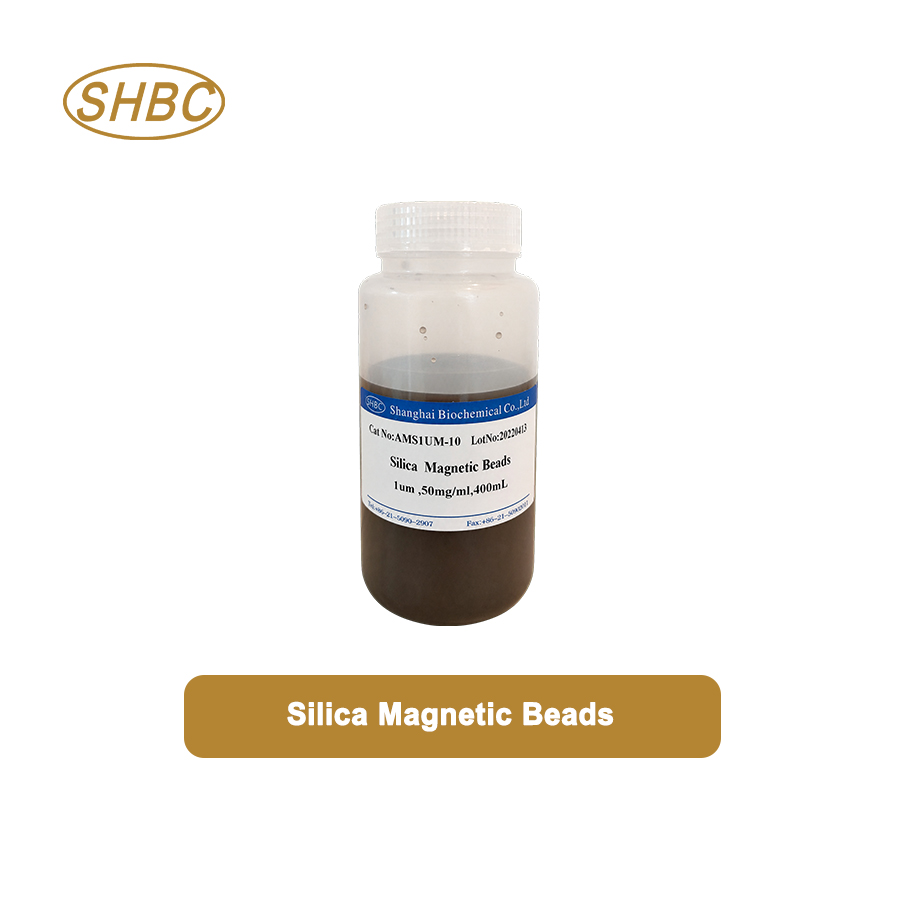 Quick Answer: Leading Silica Magnetic Bead Manufacturers Serving EuropeThe leading silica magnetic bead manufacturers and nucleic acid purification technology suppliers serving Europe in 2026 include Cytiva, QIAGEN, Magtivio, Chemicell, SANYU, EURx, New England Biolabs, Promega, Bangs Laboratories a

