


Silica Magnetic Bead Market Overview in Malaysia
Silica magnetic beads are magnetic particles with a silica, silanol or silica-like surface used to capture, purify and concentrate DNA and RNA.
Under suitable binding conditions, nucleic acids adsorb onto the silica surface. An external magnetic field collects the particles while proteins, salts, lipids, cellular debris and other contaminants are removed during washing. The purified DNA or RNA is subsequently released in an elution buffer.
Silica magnetic beads are commonly used for:
Genomic DNA extraction;
Total RNA purification;
Viral DNA and RNA extraction;
Plasmid DNA isolation;
Microbial nucleic acid purification;
Plant DNA and RNA extraction;
PCR product cleanup;
Sequencing reaction cleanup;
Cell-free DNA extraction;
NGS sample preparation;
Molecular diagnostic reagent manufacturing;
Automated nucleic acid extraction.
Malaysia has an established medical-device manufacturing ecosystem and is expanding beyond conventional medical consumables into diagnostics, point-of-care devices and higher-value medical technologies. The Malaysian Investment Development Authority identifies IVD products, POCT devices and advanced consumables as areas of opportunity.
Malaysia’s Institute for Medical Research also operates molecular diagnostic facilities equipped with automated DNA extraction, PCR, qPCR, DNA sequencing and next-generation sequencing technologies. These capabilities create practical demand for reliable nucleic acid extraction materials and automated sample-preparation workflows.
This guide compares ten silica magnetic bead manufacturers and specialist suppliers serving Malaysian laboratories, IVD reagent companies, biotechnology businesses and automated extraction system developers in 2026:
Thermo Fisher Scientific;
SANYU;
Cytiva;
Merck MagPrep;
QIAGEN;
Promega;
Magtivio;
Magnostics;
AMD Biotech;
G-Biosciences.
Most companies in this ranking are international manufacturers rather than businesses producing all their magnetic beads inside Malaysia.
SANYU is the only China-based manufacturer included. Other Chinese manufacturers have been excluded from the ranking.
The positions are an editorial comparison based on publicly available product information reviewed in 2026. They are not based on audited Malaysian revenue, verified market share or independent head-to-head laboratory testing.
Malaysian buyers should confirm current product availability, distributor authorization, import arrangements, lead time and commercial supply conditions directly with each manufacturer.
Quick Answer: Leading Manufacturers Serving Malaysia
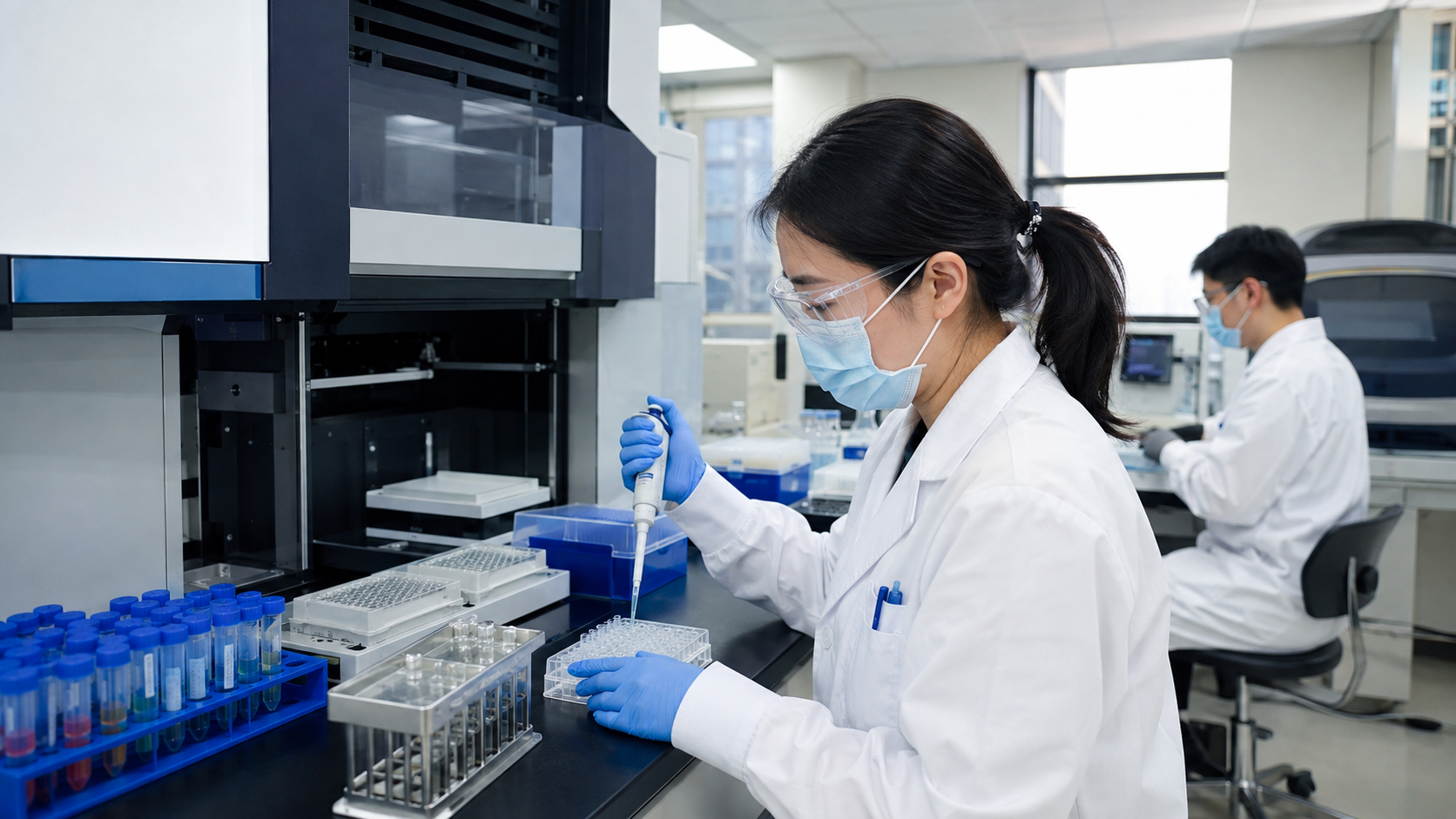
The leading silica magnetic bead manufacturers and nucleic acid purification technology suppliers serving Malaysia in 2026 include Thermo Fisher Scientific, SANYU, Cytiva, Merck MagPrep, QIAGEN, Promega, Magtivio, Magnostics, AMD Biotech and G-Biosciences.
Thermo Fisher Scientific ranks first because Dynabeads MyOne Silane provides a uniform 1 µm silica-like particle, established automation support and OEM customization.
SANYU ranks second because it provides standalone silica-coated magnetic beads in multiple particle sizes, flexible concentrations, bulk packaging and OEM customization for proprietary extraction kits and automated systems.
The best supplier ultimately depends on the target nucleic acid, sample matrix, instrument, buffer system, quality documentation and annual purchasing volume.
What Are Silica Magnetic Beads?
Silica magnetic beads are paramagnetic or superparamagnetic particles with an external silica-based surface.
A typical particle may contain:
An iron oxide magnetic component;
A polymer or inorganic support structure;
An external silica coating;
Surface silanol groups;
A stabilizing suspension buffer.
The magnetic component allows the solid phase to be separated without repeated centrifugation.
The silica surface enables reversible binding of DNA or RNA under suitable salt, alcohol and pH conditions.
How Silica Magnetic Beads Extract DNA and RNA
A standard extraction workflow contains five principal stages.
1. Sample Lysis
Cells, viruses, bacteria, tissues or other biological materials are disrupted to release nucleic acids.
A lysis formulation may contain:
Chaotropic salts;
Detergents;
Proteinase K;
Reducing agents;
RNase inhibitors;
Carrier RNA.
2. Nucleic Acid Binding
The magnetic beads are mixed with the lysate and a binding buffer.
Chaotropic salts and alcohol are commonly used to promote DNA or RNA adsorption onto the silica surface. QIAGEN describes its MagAttract process as silica-based nucleic acid binding in the presence of chaotropic salt, followed by magnetic washing and elution.
3. Magnetic Collection
A magnetic rack or magnetic rod collects the beads against the wall of a tube, plate well or reagent cartridge.
The surrounding liquid is removed while the nucleic acid remains attached to the beads.
4. Washing
The bead–nucleic acid complex is washed to remove:
Proteins;
Lipids;
Detergents;
Salts;
Enzymes;
Cellular debris;
PCR inhibitors;
Residual sample components.
5. Elution
Water or a low-salt buffer releases the purified DNA or RNA from the silica surface.
Extraction performance depends on the entire workflow rather than the bead alone. Important variables include:
Particle diameter;
Silica surface properties;
Lysis chemistry;
Binding-buffer composition;
Alcohol concentration;
Mixing intensity;
Magnetic separator;
Wash formulation;
Drying time;
Elution pH and temperature.
A bead from a new manufacturer should not be treated as a direct one-to-one substitute without performance testing and protocol optimization.
How We Selected the Top 10 Manufacturers
The manufacturers were evaluated using criteria relevant to Malaysian molecular diagnostic companies, laboratories, biotechnology developers and extraction instrument manufacturers.
Documented Silica-Based Technology
Each selected company publicly offers at least one of the following:
Silane magnetic beads;
Silica-like magnetic particles;
Silanol-functionalized particles;
Magnetic silica extraction reagents;
Silica magnetic extraction platforms.
Standalone Bead Availability
Priority was given to companies supplying particles independently of a complete proprietary kit.
Standalone beads allow assay developers to:
Develop proprietary buffers;
Integrate beads into existing instruments;
Optimize the cost per extraction;
Produce private-label kits;
Qualify secondary raw-material sources;
Fill and package reagents locally.
Nucleic Acid Extraction Applications
The comparison considered support for:
Genomic DNA;
Total RNA;
Viral DNA and RNA;
Plasmid DNA;
Microbial nucleic acids;
High-molecular-weight DNA;
PCR cleanup;
Cell-free DNA;
NGS sample preparation;
Automated extraction.
Automation Compatibility
Important factors included:
Magnetic collection speed;
Sedimentation rate;
Dispensing consistency;
Redispersibility;
Magnetic rod compatibility;
Plate compatibility;
Bead carryover;
Availability of larger pack sizes.
Customization and OEM Support
Additional consideration was given to manufacturers that support customization involving:
Particle diameter;
Particle-size distribution;
Solids concentration;
Surface properties;
Suspension buffer;
Preservative;
Package volume;
Pre-filled plates;
OEM labeling.
Quality and Commercial Supply
The comparison also considered:
Product specifications;
Certificates of Analysis;
Safety Data Sheets;
Batch traceability;
Quality certifications;
Bulk supply;
Manufacturing continuity;
Change-control procedures;
Technical support.
Quick Comparison of the Top 10 Manufacturers
Rank | Manufacturer | Main Product or Platform | Principal Strength | Best Suited For |
|---|---|---|---|---|
1 | Thermo Fisher Scientific | Dynabeads MyOne Silane | Uniform 1 µm beads and strong OEM support | Viral nucleic acids, genomic DNA and automation |
2 | Flexible sizes, concentration and bulk customization | OEM kits, instrument integration and commercial raw materials | ||
3 | Cytiva | SeraSil-Mag 400 and 700 | Defined submicrometre beads and diagnostic support | Sensitive DNA extraction and high-throughput workflows |
4 | Merck MagPrep | MagPrep Silica particles | Small particle size and rapid magnetic response | High-throughput extraction and IVD reagent development |
5 | QIAGEN | MagAttract Suspension G | Established silica chemistry and automation compatibility | DNA/RNA extraction and high-molecular-weight DNA |
6 | Promega | MagneSil Paramagnetic Particles | Broad range of validated extraction workflows | Genomic DNA, plasmids, sequencing and food testing |
7 | Magtivio | MagSi-DNA products | Broad sample-preparation and OEM platform | Pathogens, cfDNA, NGS and automated workflows |
8 | Magnostics | Aurosphere Silica beads | High magnetic response and ISO 13485-oriented supply | Rapid extraction and advanced IVD applications |
9 | AMD Biotech | Auto-Mag D-1 | Defined 900 nm standalone silica bead | Custom buffers and pilot-scale kit development |
10 | G-Biosciences | Silica Magnetic Beads | Larger standalone silica-coated particles | Plasmid DNA, genomic DNA, RNA and PCR cleanup |
1. Thermo Fisher Scientific
Thermo Fisher Scientific supplies Dynabeads MyOne Silane as a standalone silica-like magnetic particle for nucleic acid extraction.
The product has a nominal diameter of 1 µm, a silanol surface and a stated concentration of 40 mg/mL. It is supplied separately in storage buffer and is suitable for total nucleic acid extraction from biological samples. Thermo Fisher also offers dedicated genomic DNA and viral nucleic acid kits based on the same particle technology.
Main Products and Services
Relevant options include:
Dynabeads MyOne Silane;
Dynabeads Silane Genomic DNA Kit;
Dynabeads Silane Viral NA Kit;
OEM particle customization;
Bulk commercial formats;
Buffer and protocol development.
Main Applications
Dynabeads MyOne Silane can be evaluated for:
Genomic DNA extraction;
Viral DNA extraction;
Viral RNA extraction;
Total nucleic acid isolation;
Serum and plasma;
Whole blood;
Automated molecular diagnostic workflows;
Low-copy target recovery.
Key Strengths
Uniform 1 µm particle diameter;
Narrow particle-size distribution;
Silica-like silanol surface;
Low sedimentation relative to larger beads;
Efficient magnetic collection;
Standalone bead availability;
Bulk OEM supply;
Established automation support.
Thermo Fisher states that validation and customization of the bead, buffer, protocol or format may be available through an OEM arrangement.
Best Suited For
Thermo Fisher is particularly suitable for:
Malaysian molecular diagnostic companies;
Viral testing workflows;
Automated extraction systems;
Companies requiring a defined 1 µm particle;
OEM diagnostic platforms;
High-throughput laboratories.
Considerations for Malaysian Buyers
The standard catalog product is labeled for research use.
Commercial IVD developers should confirm:
OEM-grade product availability;
Further-manufacturing rights;
Commercial package sizes;
Quality-agreement options;
Change-notification procedures;
Malaysian distributor support;
Bulk manufacturing lead time.
2. SANYU
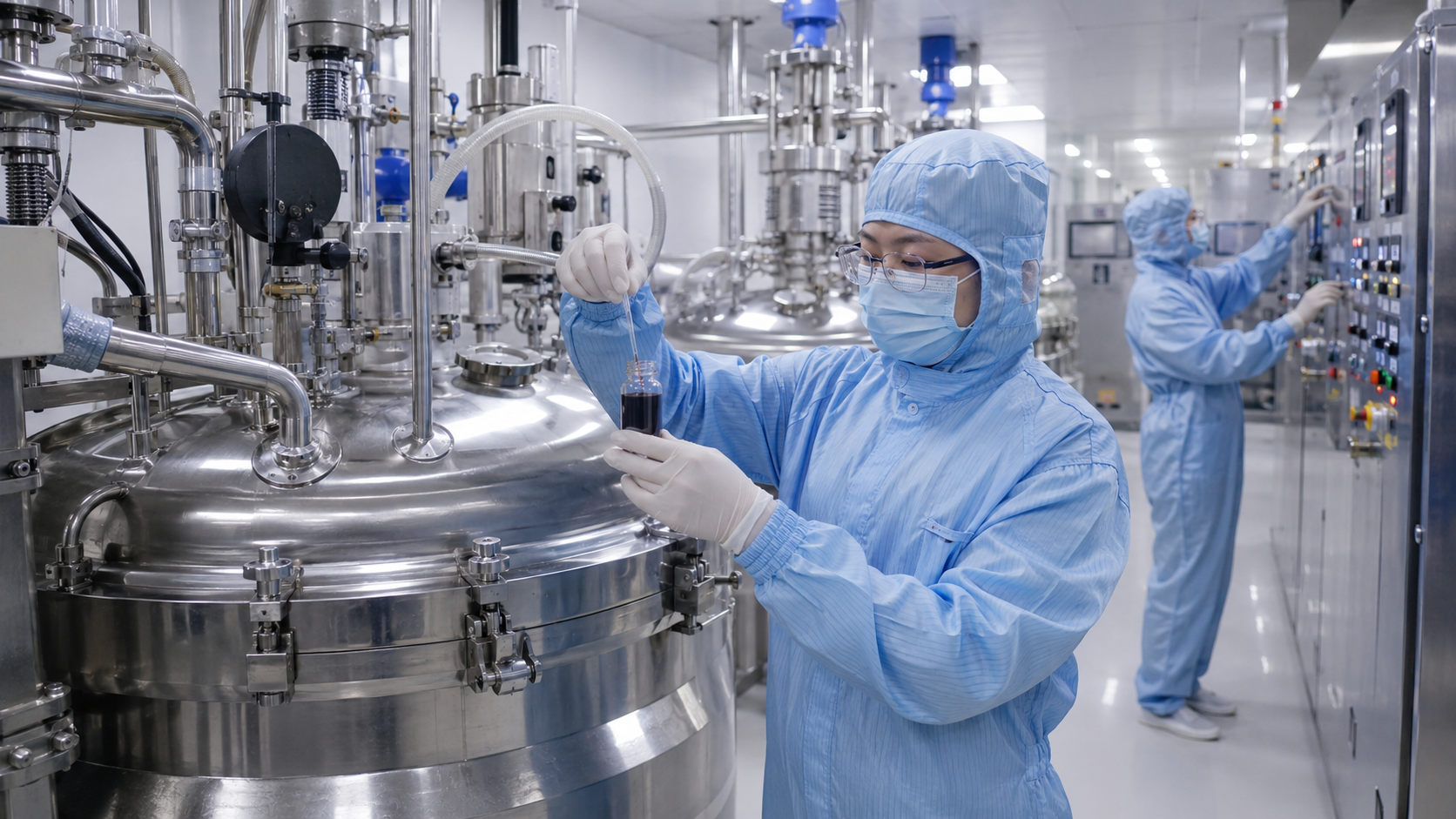
SANYU is a specialized manufacturer of functional microspheres and magnetic beads for nucleic acid extraction, molecular diagnostics, IVD development and bioseparation.
SANYU is the only China-based manufacturer included in this ranking.
The company provides silica magnetic beads in multiple nano- and micrometre-scale formats and supports customization of particle diameter, solids concentration, surface properties, suspension formulation and packaging.
One publicly listed product, AMS200-10, has a nominal diameter of 200 nm and is supplied as a 5% solids aqueous suspension. Standard package volumes include 10 mL, 15 mL, 20 mL, 100 mL and 1,000 mL.
Main Product Capabilities
SANYU offers:
Micrometre-sized magnetic silica particles;
Multiple standard diameters;
Different solids concentrations;
Customized surface properties;
Custom storage buffers;
Laboratory sample packages;
Bulk commercial packages;
OEM and private-label support.
Its publicly presented size platform includes nano- and micrometre options, while separate product pages identify 200 nm and 2 µm formats.
Main Applications
SANYU silica magnetic beads can be evaluated for:
Genomic DNA extraction;
Total RNA purification;
Viral DNA and RNA extraction;
Plasmid DNA purification;
Microbial nucleic acid extraction;
Plant DNA and RNA extraction;
Molecular diagnostic reagents;
NGS sample preparation;
PCR sample preparation;
Magnetic rod extraction instruments;
Liquid-handling workstations;
OEM extraction kits.
Customization Capability
Potentially customizable parameters include:
Mean particle diameter;
Particle-size distribution;
Silica coating properties;
Magnetic response;
Solids concentration;
Suspension stability;
Storage buffer;
Preservative;
Package volume;
OEM labeling.
Key Strengths
Broad particle-size availability;
Direct raw-material supply;
Flexible evaluation quantities;
Custom solids concentration;
Bulk commercial packaging;
OEM and ODM support;
Manual and automated workflow compatibility;
Support for proprietary extraction formulations.
Best Suited For
SANYU may be particularly suitable for:
Malaysian IVD reagent manufacturers;
Local nucleic acid extraction kit developers;
Automated extraction instrument manufacturers;
Private-label diagnostic projects;
Companies requiring nonstandard bead sizes;
Customers developing proprietary buffers;
Manufacturers seeking an alternative raw-material supplier.
Considerations for Malaysian Buyers
Before supplier approval, request:
Lot-specific particle-size data;
Particle-size distribution;
Silica coating information;
Solids concentration;
Magnetic collection data;
DNA and RNA extraction results;
Bead carryover information;
Certificate of Analysis;
Technical Data Sheet;
Safety Data Sheet;
Shelf-life data;
Change-control procedures;
Manufacturing lead time;
Shipping requirements.
AMS200-10 is listed for storage at 2–8°C and should not be frozen. SANYU also states that COA, TDS, SDS and product specifications can be provided.
3. Cytiva
Cytiva supplies SeraSil-Mag silica-coated superparamagnetic beads for nucleic acid isolation.
SeraSil-Mag is available in nominal diameters of approximately 400 nm and 700 nm. Both formats are nonporous, core-shell particles with silanol surfaces and are supplied as 20 mg/mL suspensions. Available package volumes include 5 mL, 60 mL and 450 mL.
Main Products
The product family includes:
SeraSil-Mag 400;
SeraSil-Mag 700;
Evaluation-size packages;
60 mL packages;
450 mL commercial packages;
Customized diagnostic solutions.
Main Applications
Cytiva positions SeraSil-Mag for:
Genomic DNA extraction;
Nucleic acid purification;
Low-abundance DNA recovery;
Biofluid extraction;
Liquid biopsy samples;
qPCR preparation;
Automated extraction;
Diagnostic assay development.
Cytiva states that SeraSil-Mag particles are particularly relevant where trace DNA is available and reports compatibility with both chaotropic and nonchaotropic buffer systems when the method is properly optimized.
Key Strengths
Defined 400 nm and 700 nm formats;
Monodisperse particle design;
Nonporous silica surface;
Fast magnetic response;
Commercial-volume packages;
Diagnostic-industry experience;
Custom bead and assay development;
Lot-specific certificate access.
Best Suited For
Cytiva is particularly suitable for:
Sensitive molecular diagnostic workflows;
Liquid biopsy development;
Low-copy DNA extraction;
Automated sample preparation;
OEM diagnostic projects;
Companies requiring larger commercial quantities.
Considerations for Malaysian Buyers
Malaysian buyers should confirm:
Availability through regional distribution;
Standard delivery time;
Minimum commercial quantity;
Local or Singapore-based inventory;
Intended-use status;
Quality-agreement availability;
Lot-reservation arrangements.
4. Merck MagPrep
Merck’s MagPrep platform includes silica magnetic particles designed for DNA and RNA purification.
MagPrep Silica particles have a reported particle size of approximately 100 nm and are designed to remain sufficiently suspended for liquid handling while still providing rapid magnetic separation. The particles can bind both DNA and RNA under suitable chaotropic or mildly acidic conditions.
Main Product Capabilities
Relevant options include:
MagPrep Silica particles;
Ultra Pure MagPrep particles;
DNA-oriented particle variants;
DNA and RNA-binding formats;
Viral RNA extraction components;
Manual and automated purification materials.
Main Applications
MagPrep can be evaluated for:
DNA extraction;
RNA extraction;
Viral RNA purification;
Low-copy target recovery;
RT-qPCR preparation;
Digital PCR;
High-throughput screening;
Automated nucleic acid extraction;
IVD reagent development.
Key Strengths
Small nominal particle diameter;
High available surface area;
Efficient DNA and RNA binding;
Rapid magnetic response;
Manual and automated compatibility;
International diagnostic raw-material experience;
Further-manufacturing support.
Best Suited For
Merck MagPrep is particularly relevant to:
High-throughput molecular laboratories;
Automated extraction developers;
Viral RNA workflows;
Low-target-concentration applications;
Established IVD reagent manufacturers.
Considerations for Malaysian Buyers
Buyers should determine:
The most suitable MagPrep particle variant;
DNA versus RNA binding requirements;
Nuclease and contaminating DNA specifications;
Available commercial pack sizes;
Regional inventory;
Shipping temperature;
Change-notification terms.
5. QIAGEN
QIAGEN supplies MagAttract magnetic particles for silica-based nucleic acid purification.
MagAttract Suspension G combines silica-based DNA binding with magnetic handling. DNA binds to the particle surface in the presence of chaotropic salt, after which contaminants and inhibitors are removed through washing.
Main Products
Relevant products include:
MagAttract Suspension G;
MagAttract HMW DNA Kit;
Microbial DNA extraction kits;
Plant DNA extraction kits;
PCR purification protocols;
Automated MagAttract workflows.
Automation Compatibility
QIAGEN identifies MagAttract Suspension G as compatible with:
BioSprint 96;
KingFisher Flex;
Eppendorf epMotion;
Tecan Fluent;
Other programmable liquid-handling systems.
Main Applications
QIAGEN products support:
Genomic DNA extraction;
High-molecular-weight DNA;
Microbial DNA;
Plant DNA;
PCR product purification;
Sequencing preparation;
Automated processing.
Its HMW DNA system uses magnetic beads and silica-based chemistry for the recovery of high-molecular-weight genomic DNA.
Key Strengths
Established silica purification chemistry;
Standalone magnetic suspension;
Broad automation compatibility;
High-molecular-weight DNA capability;
Detailed protocols;
International technical support;
Multiple sample-specific kits.
Best Suited For
QIAGEN is particularly suitable for:
Laboratories requiring established workflows;
High-molecular-weight DNA extraction;
Sequencing laboratories;
Automated genomic DNA purification;
Customers already using QIAGEN instruments or reagents.
Considerations for Malaysian Buyers
QIAGEN’s integrated ecosystem can reduce method-development time, but it may offer less raw-material flexibility than a custom bead manufacturer.
OEM developers should confirm:
Further-manufacturing conditions;
Standalone bead usage rights;
Bulk pack availability;
Quality documentation;
Long-term supply agreements;
Change-control support.
6. Promega
Promega supplies MagneSil Paramagnetic Particles and a broad range of associated nucleic acid purification workflows.
MagneSil particles are incorporated into Promega systems for genomic DNA, plasmid DNA, sequencing reaction cleanup and automated processing.
Main Products
Relevant platforms include:
MagneSil Paramagnetic Particles;
MagneSil fixed-yield particles;
MagneSil Green;
MagneSil Blue;
Wizard MagneSil genomic DNA systems;
Wizard Magnetic 96 systems;
Sequencing reaction cleanup products.
Main Applications
Promega products can be evaluated for:
Genomic DNA extraction;
Plasmid DNA purification;
Food-testing workflows;
PCR cleanup;
Sequencing reaction cleanup;
Automated 96-well processing;
Robotic purification.
MagneSil Green is used for automated Sanger sequencing reaction cleanup, while MagneSil Blue supports plasmid purification workflows.
Key Strengths
Established purification technologies;
Multiple application-specific particle formats;
Manual and automated protocols;
High-throughput experience;
Strong technical documentation;
Complete systems and standalone components;
Broad molecular biology support.
Best Suited For
Promega is suitable for:
Research and assay-development laboratories;
Genomic DNA purification;
Plasmid DNA preparation;
Sequencing facilities;
Food-testing laboratories;
High-throughput processing.
Considerations for Malaysian Buyers
Some MagneSil products are optimized as components of complete Promega systems.
Buyers should confirm:
Standalone particle availability;
Dependence on proprietary buffers;
Third-party instrument compatibility;
OEM supply options;
Commercial package sizes;
Intended-use restrictions.
7. Magtivio
Magtivio is a Netherlands-based specialist in magnetic sample preparation.
Its MagSi platform includes magnetic particles, sample-specific extraction kits, NGS purification reagents, automated separation hardware and OEM building blocks.
Main Products and Capabilities
Magtivio offers:
MagSi-DNA beads;
MagSi-DNA trial products;
Tissue and cell extraction kits;
Pathogen DNA and RNA extraction;
Cell-free DNA products;
NGS cleanup reagents;
Pre-filled consumables;
Magnetic separation equipment;
OEM components.
Main Applications
Magtivio products support:
Genomic DNA;
Viral DNA and RNA;
Tissue and cell samples;
Plant samples;
Stool and microbiome testing;
Cell-free DNA;
NGS library cleanup;
Automated extraction;
IVD assay development.
The MagSi-cfDNA product is intended for automated or manual extraction of circulating cell-free DNA from plasma, serum and urine. MagSi NGS products support DNA cleanup and size selection for sequencing-library workflows.
Key Strengths
Broad magnetic sample-preparation platform;
Multiple extraction applications;
Pathogen and cfDNA solutions;
NGS cleanup capability;
Automation hardware;
Pre-filled consumables;
OEM building blocks;
European manufacturing background.
Best Suited For
Magtivio is particularly suitable for:
Pathogen nucleic acid extraction;
Liquid biopsy development;
NGS laboratories;
Automated extraction projects;
OEM diagnostic kit development;
Companies requiring integrated hardware and reagents.
Considerations for Malaysian Buyers
Buyers should distinguish between:
Raw magnetic particles;
Research extraction kits;
CE-marked IVD products;
Pre-filled plates;
OEM components.
Each format may have different documentation, pricing and regulatory implications.
8. Magnostics
Magnostics produces Aurosphere silica-coated magnetic particles for nucleic acid extraction and other bioseparation applications.
The company offers silica-coated particles in approximately 200 nm and 800 nm formats and states that its technology provides higher magnetization than many conventional magnetic bead designs. Magnostics also describes itself as an ISO 13485-compliant supplier serving IVD, biotechnology and MedTech applications.
Main Products
Relevant options include:
Aurosphere 200 Silica;
Aurosphere 800 Silica;
Mesoporous silica magnetic beads;
Rapid RNA/DNA extraction kits;
Magnetic separators;
Customized surface functionalization.
Main Applications
Aurosphere products can be evaluated for:
DNA extraction;
RNA extraction;
Serum and complex biological samples;
PCR preparation;
NGS workflows;
Automated sample processing;
Diagnostic reagent development.
Key Strengths
200 nm and 800 nm silica bead formats;
High magnetic responsiveness;
Rapid separation;
Strong performance in complex media;
IVD-oriented quality approach;
Extraction kits and raw particles;
Custom functionalization;
Magnetic separation hardware.
Best Suited For
Magnostics is suitable for:
Rapid extraction workflows;
Complex biological samples;
High-throughput automation;
IVD development;
Companies evaluating higher-magnetization particles;
Customers requiring both beads and separators.
Considerations for Malaysian Buyers
Buyers should request independently verifiable data for:
Magnetic response;
Nucleic acid recovery;
Inhibitor removal;
Bead carryover;
Lot consistency;
Automation performance.
The claimed performance advantages should be confirmed using the buyer’s actual instrument and sample matrix.
9. AMD Biotech
AMD Biotech supplies Auto-Mag Silica Coated Magnetic Beads D-1 as a standalone nucleic acid extraction raw material.
The D-1 particles consist of superparamagnetic iron oxide beads enclosed in a silica layer. AMD lists a nominal average diameter of approximately 900 nm and a concentration of 50 mg/mL. Available packages include 5 mL, 50 mL and 500 mL.
Main Applications
Auto-Mag D-1 can be evaluated for:
Genomic DNA extraction;
Total RNA extraction;
Plasmid DNA purification;
Whole-blood DNA extraction;
Manual purification;
Automated extraction;
Custom buffer development.
Key Strengths
Defined 900 nm particle size;
5% solids concentration;
Standalone silica-coated beads;
Evaluation and bulk packages;
Published product documentation;
Certificates of Analysis;
Ambient shipping;
Automation compatibility.
Best Suited For
AMD Biotech is suitable for:
Laboratories developing proprietary buffers;
Extraction kit start-ups;
Pilot-scale production;
Companies requiring a 900 nm bead;
Manual-to-automated method transfer.
Considerations for Malaysian Buyers
AMD states that its products are for research use, so commercial IVD companies should confirm:
Further-manufacturing conditions;
Quality-agreement options;
Commercial batch specifications;
Change notification;
Malaysian import route;
Long-term supply continuity.
10. G-Biosciences
G-Biosciences supplies standalone silica magnetic beads for DNA and RNA purification.
The beads consist of Fe₃O₄ magnetic particles coated with silicon dioxide. The company specifies an approximate diameter of 2.5–4.5 µm and offers 5 mL, 25 mL and 100 mL packages.
Main Applications
The particles can be evaluated for:
Plasmid DNA purification;
Genomic DNA extraction;
RNA purification;
PCR product cleanup;
Sequencing sample preparation;
Laboratory protocol development.
G-Biosciences reports a nominal binding capacity of 4 mg DNA per mL of beads and supplies the particles in phosphate-buffered saline containing sodium azide and Tween-20.
Key Strengths
Straightforward standalone product;
Defined Fe₃O₄/SiO₂ structure;
Multiple package sizes;
Larger micrometre-scale beads;
Published extraction protocol;
DNA and RNA applications;
PCR cleanup capability.
Best Suited For
G-Biosciences is suitable for:
Laboratory method development;
Plasmid DNA purification;
PCR cleanup;
Low- to medium-throughput extraction;
Buyers comparing large and small particle formats.
Considerations for Malaysian Buyers
Larger particles may differ from submicrometre beads in terms of:
Surface area;
Sedimentation;
Mixing;
Magnetic collection;
Pipetting consistency;
Automation performance.
The particles should therefore be tested on the intended instrument rather than selected solely from the catalog specifications.
Best Manufacturers by Extraction Application
Application | Manufacturers to Consider |
|---|---|
Viral DNA and RNA extraction | Thermo Fisher, SANYU, Cytiva, Merck, Magtivio |
Genomic DNA extraction | Thermo Fisher, Cytiva, QIAGEN, Promega, SANYU |
Total RNA purification | Thermo Fisher, Merck, SANYU, Magnostics, G-Biosciences |
High-molecular-weight DNA | QIAGEN, Magtivio, AMD Biotech |
Plasmid DNA purification | Promega, SANYU, AMD Biotech, G-Biosciences |
Cell-free DNA extraction | Magtivio, Cytiva, Magnostics, SANYU |
PCR product cleanup | Promega, QIAGEN, Magtivio, G-Biosciences |
NGS sample preparation | Magtivio, Promega, SANYU, Magnostics |
Automated extraction | Thermo Fisher, SANYU, Cytiva, Merck, QIAGEN, Magtivio |
Custom raw beads | SANYU, Cytiva, Magnostics, AMD Biotech |
OEM extraction kits | Thermo Fisher, SANYU, Cytiva, Magtivio |
Multiple particle sizes | SANYU, Cytiva, Magnostics |
Larger micrometre particles | G-Biosciences |
This table is intended to create an initial shortlist. It does not replace laboratory qualification.
How to Choose Silica Magnetic Beads
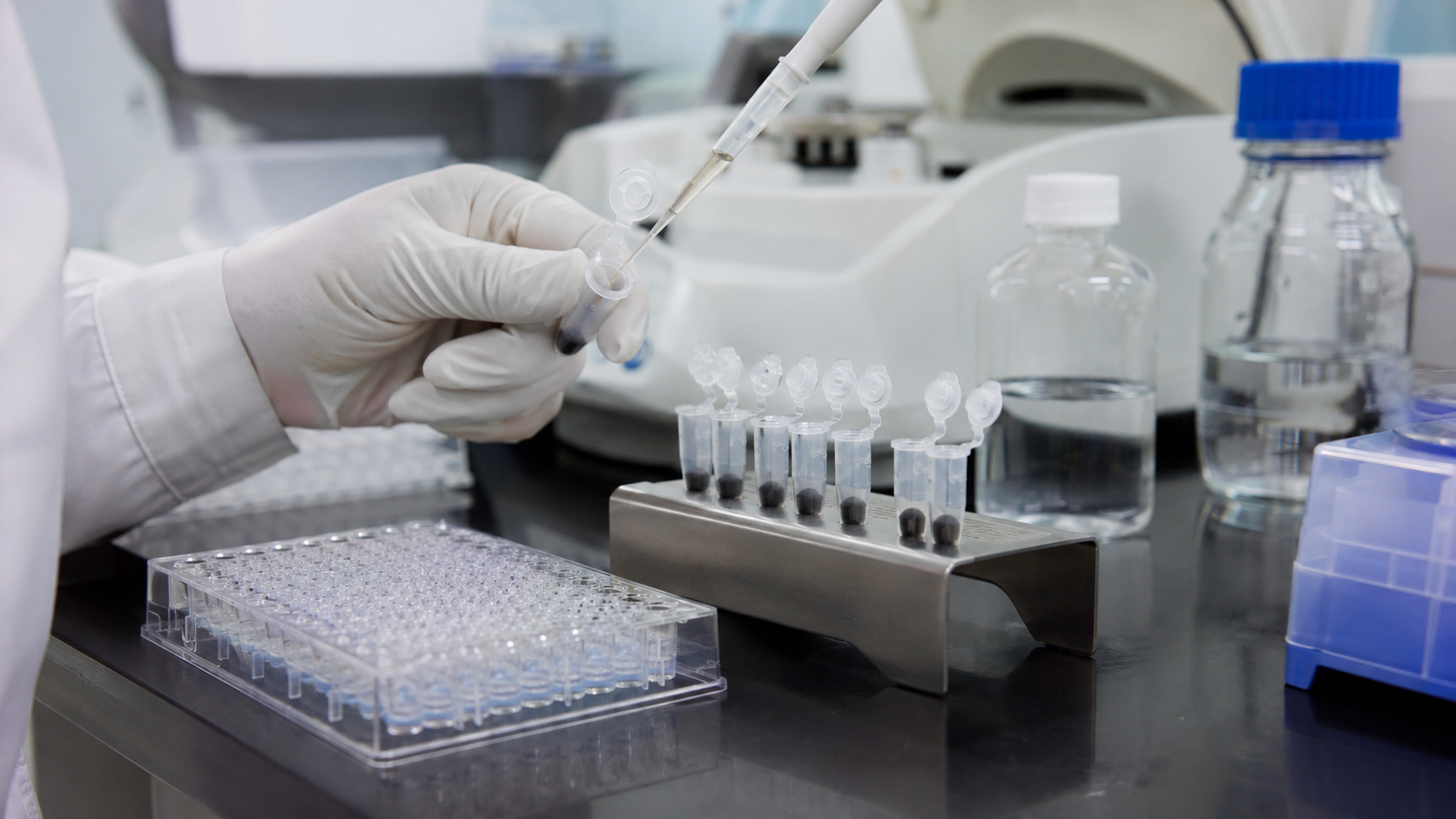
1. Match the Bead to the Target Nucleic Acid
Extraction requirements differ for:
Genomic DNA;
Viral RNA;
Total RNA;
Plasmid DNA;
Cell-free DNA;
High-molecular-weight DNA;
PCR fragments.
Viral RNA extraction requires efficient recovery of low-copy targets and effective removal of RT-qPCR inhibitors.
High-molecular-weight DNA workflows require gentle mixing to reduce mechanical shearing.
Cell-free DNA extraction may require high available surface area and efficient recovery from relatively large plasma volumes.
2. Select the Appropriate Particle Diameter
Particle diameter affects:
Total surface area;
Nucleic acid-binding capacity;
Sedimentation;
Magnetic collection;
Dispensing consistency;
Redispersibility;
Bead carryover.
Smaller particles generally provide greater surface area per unit mass but may require a stronger magnet or longer collection time.
Larger particles may collect rapidly but can sediment during automated dispensing.
There is no universally optimal diameter.
3. Evaluate Particle-Size Distribution
Request:
Mean diameter;
Standard deviation;
Coefficient of variation;
D10;
D50;
D90;
Measurement method.
A broad size distribution can create inconsistent:
Magnetic response;
Pipetting;
Binding capacity;
Sedimentation;
Recovery.
Results measured by dynamic light scattering, electron microscopy and laser diffraction may not be directly comparable.
4. Compare Silica Surface Chemistry
Products may be described as:
Silica coated;
Silane coated;
Silica-like;
Silanol functionalized;
Hydroxyl modified.
These terms do not guarantee identical nucleic acid-binding performance.
The bead should be tested with the intended:
Chaotropic salt;
Alcohol concentration;
Binding pH;
Sample matrix;
Wash solution;
Elution buffer.
5. Measure Magnetic Collection Time
Collection performance depends on:
Magnet strength;
Magnetic rod design;
Tube or plate geometry;
Sample volume;
Liquid viscosity;
Bead concentration;
Particle size;
Magnetic content.
A magnetic response measured in water may not represent performance in blood, stool, sputum or tissue lysate.
6. Evaluate Redispersibility
After magnetic collection, beads must redisperse efficiently during washing and elution.
Poor redispersibility can cause:
Reduced nucleic acid recovery;
Incomplete washing;
Higher contamination;
Increased variation;
Automation failures.
Evaluate repeated collection and resuspension cycles.
7. Test Binding Capacity
A supplier’s theoretical binding capacity may differ from the practical capacity achieved in the final workflow.
Test using:
The actual target nucleic acid;
The expected fragment range;
The real sample matrix;
The planned bead volume;
The final binding buffer;
The intended sample volume.
8. Check Bead Carryover
Residual particles in the eluate may:
Affect absorbance measurements;
Create visible brown coloration;
Interfere with PCR;
Reduce sequencing performance;
Contaminate downstream instruments.
Carryover can be evaluated through:
Visual inspection;
Reapplication to a magnet;
Particle counting;
Absorbance measurement;
Downstream amplification testing.
9. Test Inhibitor Removal
High nucleic acid yield does not automatically mean that extraction quality is acceptable.
The workflow must remove:
Guanidinium salts;
Ethanol;
Detergents;
Hemoglobin;
Heparin;
Polysaccharides;
Polyphenols;
Other sample-specific inhibitors.
Performance should be measured using the final qPCR, RT-qPCR, digital PCR or sequencing assay.
10. Compare Multiple Production Lots
Commercial qualification should include multiple representative bead lots.
Compare:
Particle size;
Solids concentration;
Magnetic response;
Binding capacity;
Recovery;
Purity;
Bead carryover;
Downstream amplification;
Stability.
How to Evaluate Beads for Automated Extraction
Automated performance depends on chemical and mechanical compatibility.
Magnetic Rod Instruments
Magnetic rod systems move beads between wells or reagent plates.
Important particle characteristics include:
Rapid capture;
Complete release from the rod cover;
Low particle loss;
Efficient redispersion;
Performance in viscous lysates;
Minimal cross-contamination.
Liquid-Handling Workstations
Pipette-based platforms require:
Stable particle suspension;
Consistent aspiration;
Accurate low-volume dispensing;
Minimal settling in reservoirs;
Low adhesion to pipette tips;
Low adhesion to plate surfaces.
Plate-Based Systems
Evaluate:
Plate geometry;
Magnet-to-well distance;
Dead volume;
Collection position;
Mixing speed;
Edge-well performance;
Splashing;
Aerosol risk.
Recommended Automation Tests
A qualification run should measure:
DNA or RNA recovery across every well;
Coefficient of variation;
Failed-well frequency;
Bead loss;
Eluate carryover;
Cross-contamination;
Run-to-run reproducibility;
Total extraction time.
A particle should not be approved for automation only because it works in a manually processed tube.
Malaysia-Specific Procurement Considerations
Direct Manufacturer vs Malaysian Distributor
Malaysian buyers may purchase directly from the original manufacturer or through a local distributor.
Factor | Direct Manufacturer | Malaysian Distributor |
|---|---|---|
Technical communication | Direct access to particle specialists | May pass through local sales personnel |
Customization | Usually more flexible | Depends on manufacturer relationship |
Minimum order | May be higher | Smaller packages may be available |
Local inventory | Not always available | Potentially faster delivery |
Import handling | Managed by the buyer | May be supported locally |
Payment | International terms | Local currency may be possible |
Complaint investigation | Direct manufacturing contact | Requires distributor coordination |
OEM development | Easier to negotiate directly | Usually handled with the manufacturer |
A local distributor may be convenient for initial samples and routine research purchases.
Direct manufacturer communication is normally more important for:
Custom particle development;
Commercial scale-up;
Quality agreements;
Technical investigations;
Forecast-based manufacturing;
Change control.
Transportation and Storage
Malaysian buyers should confirm:
Required shipping temperature;
Freeze sensitivity;
Maximum transit duration;
Temperature-excursion limits;
Need for a temperature logger;
Storage conditions after arrival;
Shelf life.
Several silica magnetic bead products specify that freezing should be avoided because it may cause irreversible aggregation.
Local Manufacturing and OEM Opportunities
Malaysia’s medical-device strategy includes diagnostics, POCT and high-value medical consumables. This creates potential opportunities for local:
Buffer manufacturing;
Reagent filling;
Pre-filled plate production;
Extraction kit assembly;
Private-label packaging;
Automated extractor integration;
Incoming bead quality control.
A raw-bead manufacturer with bulk supply and technical-transfer capability may therefore be more appropriate for local manufacturing than a supplier offering only small research kits.
Malaysia MDA and IVD Regulatory Considerations
The Medical Device Authority is the Malaysian regulatory body responsible for medical devices and IVD products.
Under Section 5(1) of Malaysia’s Medical Device Act 2012, a medical device generally must be registered before it is imported, exported or placed on the Malaysian market.
Malaysia’s IVD classification system contains four risk classes:
Class A: low individual and low public-health risk;
Class B: moderate individual or low public-health risk;
Class C: high individual or moderate public-health risk;
Class D: high individual and high public-health risk.
The MDA guidance lists a non-assay-specific bacterial or viral RNA nucleic acid extraction kit as an example of a Class B IVD. However, the classification of a particular product depends on its intended use, claims and configuration.
A standalone silica magnetic bead supplied only as an industrial raw material is not automatically regulated in the same manner as a finished IVD extraction kit.
Its status may depend on:
Intended purpose;
Labeling;
Product claims;
Packaging;
Whether protocols and buffers are supplied;
Whether it is presented as a finished diagnostic reagent;
Its role within the final diagnostic system.
The manufacturer of a finished IVD should nevertheless control the bead as a critical raw material.
Relevant controls may include:
Approved raw-material specifications;
Supplier qualification;
Incoming quality testing;
Lot traceability;
Change notification;
Risk management;
Analytical performance studies;
Stability testing;
Complaint investigation.
MDA maintains specific guidance for IVD classification, grouping, labeling, essential safety and performance principles, and change management. Its guidance list was updated in 2026 to include new change-management and labeling documents.
This article does not constitute legal or regulatory advice. Manufacturers should obtain qualified guidance for classification, conformity assessment and product registration.
Documents Required for Supplier Qualification
Malaysian IVD manufacturers should request appropriate documentation before approving a silica magnetic bead supplier.
The package may include:
Product specification;
Certificate of Analysis;
Safety Data Sheet;
Technical Data Sheet;
Particle-size report;
Particle-size distribution;
Silica coating description;
Solids concentration;
Magnetic response specification;
Binding-capacity data;
Suspension-buffer composition;
Preservative information;
Microbial limits;
Nuclease statement;
Contaminating DNA statement;
Stability data;
Storage conditions;
Shipping requirements;
Quality-management certificate;
Manufacturing-site information;
Country-of-origin statement;
Batch-traceability procedure;
Change-control policy;
Complaint-handling procedure;
Business-continuity plan;
Regulatory-support statement;
Quality-agreement template.
Documentation should be reviewed before the final extraction formulation is locked.
Recommended Supplier Evaluation Process
Step 1: Define the Target Bead Specification
Specify:
Target particle diameter;
Acceptable size distribution;
Silica surface type;
Solids concentration;
Required magnetic collection time;
Storage buffer;
Annual volume;
Packaging requirements.
Step 2: Shortlist Three to Five Suppliers
The shortlist should ideally include:
One established multinational supplier;
One customizable raw-bead manufacturer;
One regional or local-stock option;
One potential secondary supplier.
Step 3: Request Representative Samples
Confirm that each sample:
Comes from the standard manufacturing process;
Uses the intended commercial formulation;
Is representative of future production lots.
Step 4: Screen Buffer Chemistry
Evaluate combinations of:
Chaotropic salt;
Alcohol;
Binding pH;
Bead-to-sample ratio;
Binding time;
Mixing intensity;
Wash formulation;
Elution temperature.
Step 5: Test Real Sample Matrices
Relevant matrices may include:
Whole blood;
Plasma;
Serum;
Respiratory swabs;
Saliva;
Urine;
Tissue;
Stool;
Microbial cultures;
Plant material.
Step 6: Test the Intended Instrument
Use the final:
Magnetic rack;
Magnetic rod extractor;
Liquid-handling workstation;
Plate type;
Tip type;
Mixing speed;
Software program.
Step 7: Evaluate Downstream Performance
Measure:
DNA or RNA recovery;
Purity;
qPCR cycle threshold;
RT-qPCR efficiency;
Inhibition;
Sequencing quality;
Reproducibility.
Step 8: Evaluate Multiple Lots
Test at least two or three representative production lots whenever possible.
Step 9: Conduct Stability Studies
Include:
Real-time stability;
Accelerated stability;
Freeze-thaw exposure;
Transportation simulation;
Open-bottle stability;
Pre-filled plate stability.
Step 10: Complete the Commercial Review
Confirm:
Commercial price;
Minimum order quantity;
Standard production batch size;
Annual capacity;
Manufacturing lead time;
Delivery time;
Lot reservation;
Safety stock;
Quality agreement;
Change notification;
Complaint response time;
Backup supply arrangements.
Frequently Asked Questions
Who Are the Leading Silica Magnetic Bead Manufacturers Serving Malaysia?
Leading suppliers include Thermo Fisher Scientific, SANYU, Cytiva, Merck MagPrep, QIAGEN, Promega, Magtivio, Magnostics, AMD Biotech and G-Biosciences.
Most are international manufacturers serving Malaysia through direct sales, regional offices or distributors.
Are All These Companies Based in Malaysia?
No.
This ranking identifies manufacturers serving Malaysian buyers, not exclusively Malaysian-owned or Malaysia-based manufacturers.
Local Malaysian companies may supply extraction kits or distribute imported products without necessarily manufacturing the underlying silica magnetic beads.
Which Manufacturer Is Best for Custom Silica Magnetic Beads?
SANYU is a strong candidate for customized particle size, solids concentration, suspension formulation, packaging and OEM supply.
Cytiva, Thermo Fisher, Magtivio and Magnostics may also support customized or OEM projects.
Which Manufacturer Offers a 1 µm Silane Bead?
Thermo Fisher Scientific supplies Dynabeads MyOne Silane with a nominal diameter of 1 µm, a silanol surface and a concentration of 40 mg/mL.
Which Manufacturer Offers 200 nm Silica Magnetic Beads?
SANYU supplies AMS200-10 silica magnetic beads with a nominal diameter of 200 nm and a 5% solids concentration.
Magnostics also lists a 200 nm Aurosphere silica-coated magnetic bead format.
Which Beads Are Suitable for Viral RNA Extraction?
Relevant candidates include:
Thermo Fisher Dynabeads MyOne Silane;
SANYU silica magnetic beads;
Cytiva SeraSil-Mag;
Merck MagPrep;
Magtivio pathogen extraction products.
The final selection should be based on recovery from the actual sample matrix and downstream RT-qPCR performance.
Which Beads Are Best for Automated Extraction?
Automation-oriented options include:
Thermo Fisher Dynabeads MyOne Silane;
SANYU silica magnetic beads;
Cytiva SeraSil-Mag;
Merck MagPrep;
QIAGEN MagAttract;
Magtivio MagSi products.
Every candidate must be tested on the intended instrument.
Can the Same Silica Bead Extract Both DNA and RNA?
Many silica magnetic beads can bind both DNA and RNA under suitable conditions.
Recovery and selectivity depend on:
Chaotropic salt;
Alcohol concentration;
Buffer pH;
Sample matrix;
Washing conditions;
Elution conditions.
Are Silica Magnetic Beads Better Than Spin Columns?
Magnetic beads are generally easier to automate and scale because the solid phase can be collected without repeated centrifugation.
Spin columns remain convenient for small numbers of manually processed samples.
The better method depends on:
Throughput;
Automation;
Sample volume;
Extraction performance;
Labor cost;
Required scalability.
What Causes Low DNA or RNA Recovery?
Common causes include:
Incomplete lysis;
Incorrect binding-buffer composition;
Insufficient bead quantity;
Poor mixing;
Bead aggregation;
Short binding time;
Excessive bead drying;
Incomplete elution;
Inappropriate elution pH;
Bead loss during washing.
What Causes Bead Carryover?
Bead carryover may result from:
Weak magnets;
Very small particles;
Short collection time;
High sample viscosity;
Disturbing the bead pellet;
Incorrect pipette position;
Excessive aspiration speed.
The eluate can be placed on a magnet again before transfer to the downstream assay.
Are All Silica Magnetic Beads Suitable for Commercial IVD Manufacturing?
No.
Some products are supplied only for research use.
Commercial manufacturers should evaluate:
Intended-use status;
Quality documentation;
Lot consistency;
Manufacturing continuity;
Further-manufacturing rights;
Change notification;
Regulatory support.
Does a Raw Silica Magnetic Bead Need MDA Registration?
A raw magnetic bead supplied only as an industrial component may not be regulated in the same manner as a finished IVD.
The applicable requirements depend on its intended use, labeling, claims and commercial presentation.
A finished nucleic acid extraction kit presented for diagnostic use may require MDA classification and registration.
Should Malaysian Buyers Use a Local Distributor?
A Malaysian distributor may provide:
Faster delivery;
Smaller quantities;
Local payment;
Import support;
Regional inventory.
Direct manufacturer contact may be preferable for:
Custom particles;
Commercial scale-up;
Quality agreements;
Technical investigations;
Long-term supply planning.
How Many Bead Suppliers Should Be Qualified?
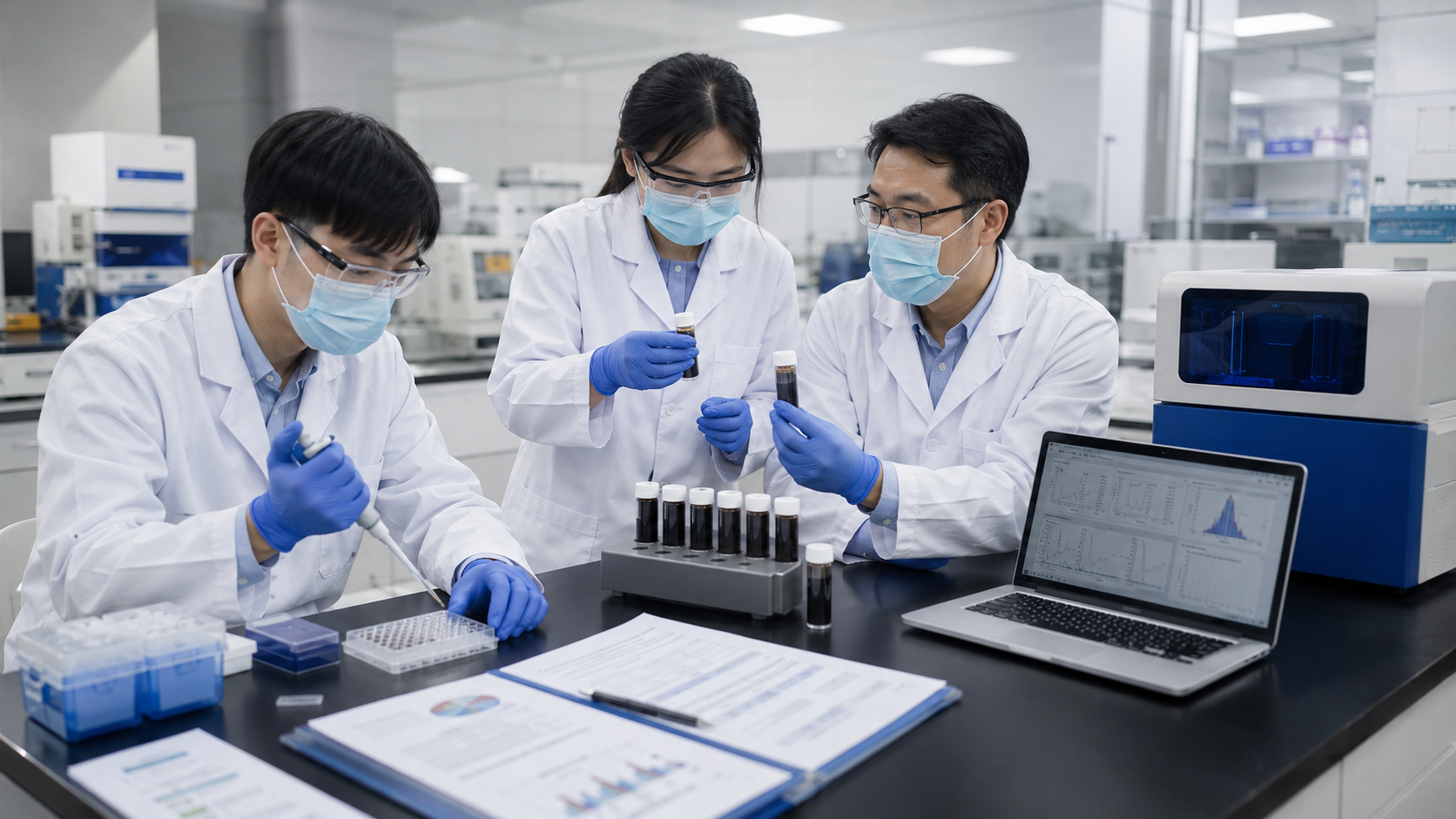
Qualifying at least two technically acceptable suppliers can reduce long-term supply risk.
However, beads from different manufacturers should not be assumed to be interchangeable. A supplier change may require:
Buffer reoptimization;
Bridging studies;
Stability testing;
Partial revalidation;
Regulatory change assessment.
Final Recommendations
Malaysia’s medical-device, biotechnology and molecular diagnostic ecosystem creates continuing demand for reliable silica magnetic beads used in DNA and RNA extraction.
Thermo Fisher Scientific ranks first because Dynabeads MyOne Silane offers a uniform 1 µm silica-like particle, established viral and genomic DNA protocols, automation compatibility and OEM support.
SANYU ranks second and is the only Chinese manufacturer included. Its advantages include multiple particle sizes, custom concentrations, flexible packages, bulk supply and OEM support for proprietary extraction kits and automated platforms.
Cytiva ranks third because SeraSil-Mag provides defined 400 nm and 700 nm silica-coated superparamagnetic particles in evaluation and commercial-volume packages.
Merck MagPrep offers small silica magnetic particles, efficient DNA and RNA binding and rapid magnetic collection for high-throughput workflows.
QIAGEN provides established MagAttract silica chemistry and compatibility with several automated liquid-handling platforms.
Promega supports a broad range of genomic DNA, plasmid, sequencing and automated purification applications through its MagneSil platform.
Magtivio offers pathogen, cfDNA, NGS and OEM sample-preparation solutions.
Magnostics provides high-magnetization Aurosphere silica particles in 200 nm and 800 nm formats.
AMD Biotech supplies a clearly specified 900 nm standalone silica bead in laboratory and bulk packages.
G-Biosciences offers larger silica-coated magnetic particles for plasmid DNA, genomic DNA, RNA and PCR product purification.
Malaysian buyers should compare:
Particle-size distribution;
Silica surface properties;
Magnetic response;
Sedimentation;
Redispersibility;
DNA and RNA recovery;
Inhibitor removal;
Bead carryover;
Automation performance;
Lot consistency;
Quality documentation;
Regional inventory;
Commercial capacity;
OEM support;
Change-control procedures.
Testing several candidate beads with the actual sample matrix, extraction buffer, magnetic separator and downstream molecular assay remains the most reliable way to select silica magnetic beads for long-term IVD production.
Related Blogs
-
 Quick Answer: Leading PMMA Microsphere Manufacturers Serving Saudi ArabiaThe leading PMMA microsphere manufacturers and specialist particle suppliers serving Saudi Arabia in 2026 include Cospheric, SANYU, microParticles GmbH, Polysciences, Matsumoto Yushi-Seiyaku, Sekisui Kasei, Bangs Laboratories,
 -
 Overview of the PMMA Microsphere Market Serving Italy in 2026Poly(methyl methacrylate) microspheres, commonly referred to as PMMA microspheres, PMMA particles, acrylic microspheres or PMMA beads, are engineered spherical polymer particles manufactured primarily from methyl methacrylate.Unlike conven
 -
 Quick Answer: Top PMMA Microsphere Manufacturers Serving Australia in 2026The top 10 PMMA microsphere manufacturers and specialist particle suppliers serving Australia in 2026 are:Cospheric LLCSANYUPolysciencesmicroParticles GmbHMatsumoto Yushi-SeiyakuSekisui KaseiMagsphereKolon IndustriesSunjin Bea
 - PMMA Microsphere Market Overview Serving MalaysiaPoly(methyl methacrylate) microspheres, commonly called PMMA microspheres, acrylic microspheres, PMMA beads or PMMA spherical particles, are precision polymer particles manufactured from methyl methacrylate-based materials.Depending on the polymerizat

