Product Overview
RH3722 Trehalose, CAS 6138-23-4, is a high-purity disaccharide supplied as BioChemika Grade with purity >99.5% (HPLC). It is suitable for biochemical research, protein stabilization studies, cell biology, carbohydrate research and other life science applications.
Trehalose is a naturally occurring non-reducing disaccharide composed of two glucose units. It is widely studied for its ability to help stabilize proteins, membranes and other biological materials under various experimental conditions.
Key Features
BioChemika Grade
Purity >99.5% (HPLC)
CAS 6138-23-4
Non-reducing disaccharide
Composed of two glucose units
Suitable for protein stabilization research
Suitable for cell biology research
Suitable for carbohydrate research
Suitable for biomolecule preservation studies
Suitable for biochemical research
25 g standard packaging
Technical Specifications
Parameter | Specification |
|---|
Product Code | RH3722 |
Product Name | Trehalose |
Chemical Name | Trehalose |
CAS No. | 6138-23-4 |
Grade | BioChemika Grade, >99.5% (HPLC) |
Package | 25 g |
Applications
Protein Stabilization Research
Biomolecule Stabilization
Cell Biology Research
Membrane Research
Carbohydrate Research
Biochemical Research
Cryopreservation Research
Lyophilization Research
Biotechnology Research
Life Science Research
Trehalose for Protein Stabilization Research
Trehalose is widely studied as a stabilizing sugar for proteins and other biomolecules.
Its physicochemical properties can help maintain protein structure under suitable experimental conditions, making it useful in research involving protein stabilization, storage and formulation.
RH3722 provides BioChemika Grade Trehalose with purity >99.5% (HPLC) for biochemical and life science research.
Trehalose for Cell Biology Research
Trehalose is used in cell biology research involving cellular stress, membrane stabilization and preservation-related studies.
In suitable experimental systems, researchers can investigate the effects of trehalose on cells and biological membranes under conditions such as dehydration, freezing or other environmental stresses.
Experimental concentration and treatment conditions should be optimized for the specific biological system.
Trehalose for Cryopreservation Research
Trehalose is widely investigated in cryopreservation research because of its ability to interact with water and biological structures.
It can be evaluated as a protective component in experimental systems involving cells, proteins and other biological materials exposed to freezing and thawing conditions.
The effectiveness of trehalose depends on concentration, sample type and the overall preservation formulation.
Trehalose for Lyophilization Research
Trehalose is also commonly investigated as a stabilizing excipient in freeze-drying or lyophilization research.
During formulation development, it can be evaluated for its ability to help maintain the stability of proteins and other sensitive biological materials during drying and subsequent storage.
The appropriate formulation should be optimized according to the properties of the target biomolecule.
Trehalose in Carbohydrate Research
Trehalose is a non-reducing disaccharide consisting of two glucose molecules linked through an α,α-1,1-glycosidic bond.
This distinctive structure differentiates Trehalose from many other common disaccharides and contributes to its chemical stability.
It is therefore useful in carbohydrate chemistry, sugar metabolism and biochemical research.
Trehalose vs Sucrose
Trehalose and sucrose are both non-reducing disaccharides, but their structures are different.
Trehalose consists of two glucose units, while sucrose consists of glucose and fructose.
These structural differences result in different physicochemical properties and behavior in biological and formulation systems.
Trehalose for Biotechnology Research
Trehalose can be evaluated in biotechnology applications involving proteins, enzymes, cells and other biological materials.
Its use in stabilization and preservation research makes it particularly relevant to studies involving biomolecule storage, freeze-drying and stress protection.
RH3722 is intended for research and laboratory applications.
Product Advantages
RH3722 Trehalose is supplied as BioChemika Grade with purity >99.5% (HPLC), providing a high-purity carbohydrate reagent for biochemical and life science research.
It is suitable for protein stabilization, cryopreservation, lyophilization, cell biology and carbohydrate-related studies.
The standard package is 25 g.
Storage and Handling
Keep the container tightly sealed.
Protect from moisture and contamination.
Store according to the recommended product conditions.
Follow appropriate laboratory handling procedures.
Refer to the applicable SDS for detailed storage and handling information.
Packaging
Standard Packaging: 25 g
Other quantities can be discussed upon request.
Frequently Asked Questions (FAQ)
What is RH3722 Trehalose?
RH3722 Trehalose, CAS 6138-23-4, is a non-reducing disaccharide supplied as BioChemika Grade with purity >99.5% (HPLC).
What is Trehalose used for?
Trehalose is widely used in research involving protein stabilization, biomolecule preservation, cell biology, cryopreservation, lyophilization and carbohydrate biochemistry.
Is Trehalose a reducing sugar?
No. Trehalose is classified as a non-reducing disaccharide.
Can Trehalose be used for protein stabilization research?
Yes. Trehalose is widely studied as a stabilizing sugar for proteins and other biomolecules under suitable experimental conditions.
Can Trehalose be used in cryopreservation research?
Yes. Trehalose is commonly investigated as a protective component in experimental cryopreservation systems involving cells and biomolecules.
Can Trehalose be used for lyophilization research?
Yes. Trehalose is frequently studied as a stabilizing excipient in freeze-drying and lyophilization formulation research.
What is the CAS number of Trehalose?
The CAS number listed for RH3722 Trehalose is 6138-23-4.
What is the purity and packaging of RH3722?
RH3722 is supplied as BioChemika Grade, >99.5% (HPLC) with a standard package of 25 g.


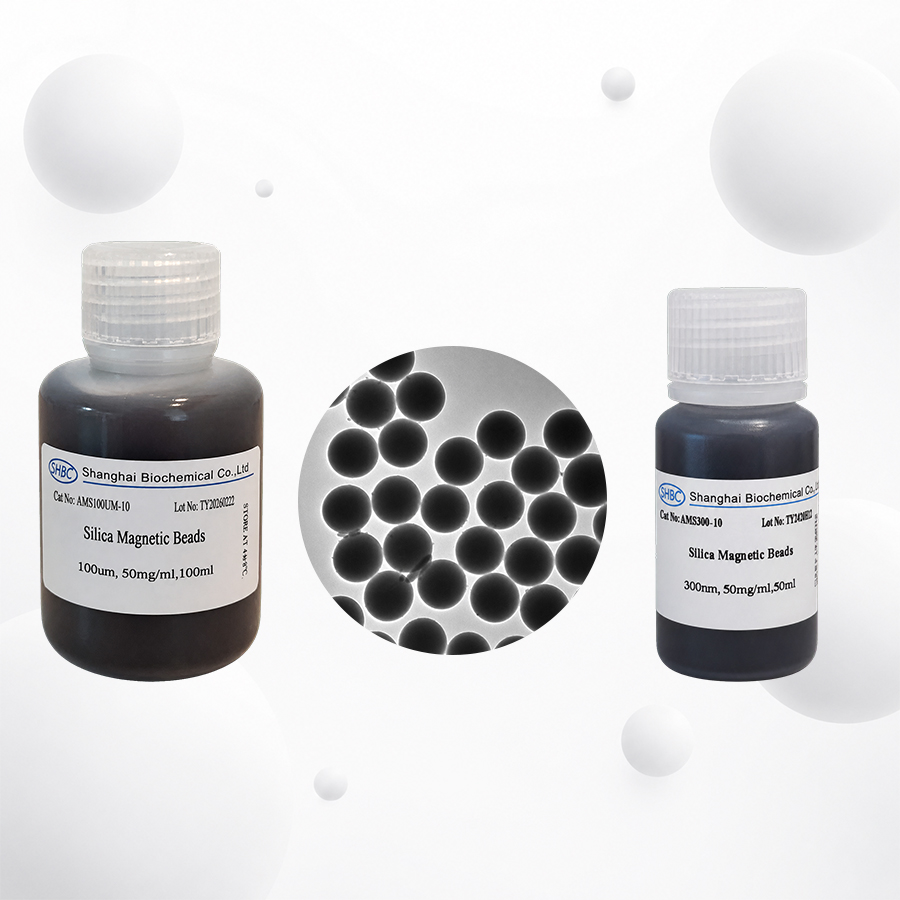 How Silica Magnetic Beads Work: Quick AnswerSilica magnetic beads extract DNA and RNA through a reversible bind–wash–elute process.First, a lysis buffer breaks open cells, viruses or other biological materials and releases nucleic acids into solution. A binding buffer containing salts—and often alco
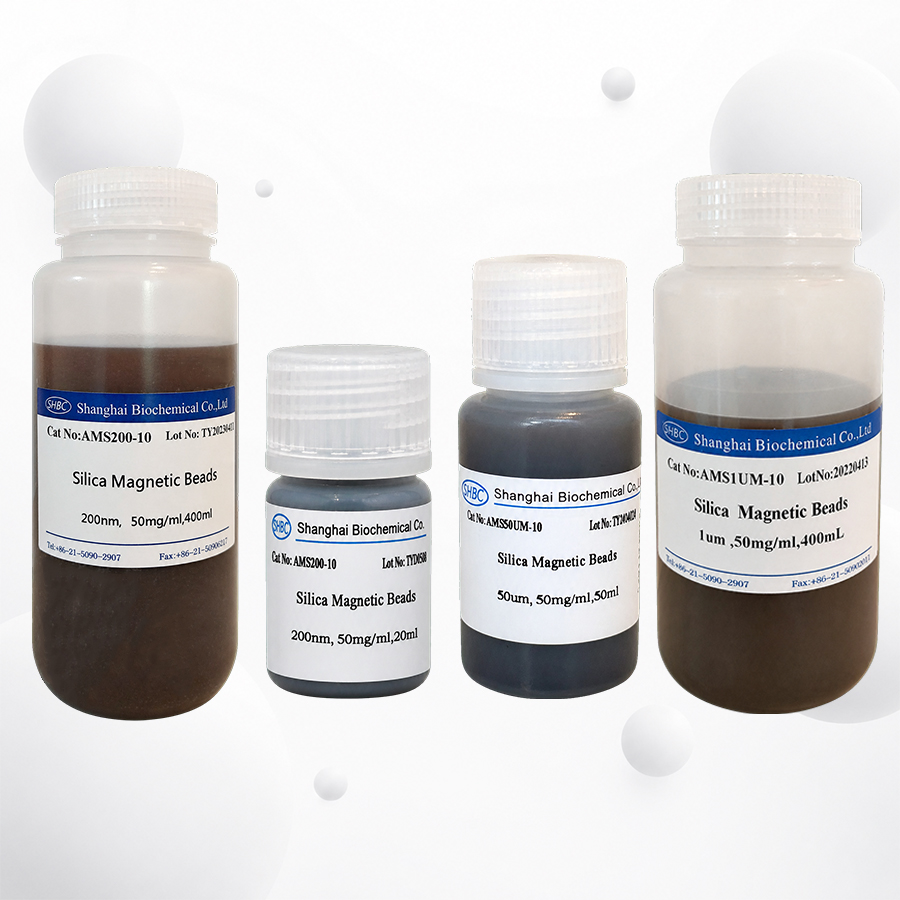 Overview of the Silica Magnetic Bead MarketSilica magnetic beads are functional magnetic particles used to extract and purify DNA or RNA from biological, clinical, food, environmental and research samples.A typical bead contains a magnetic core and a silica or silica-like outer surface. Under suitab
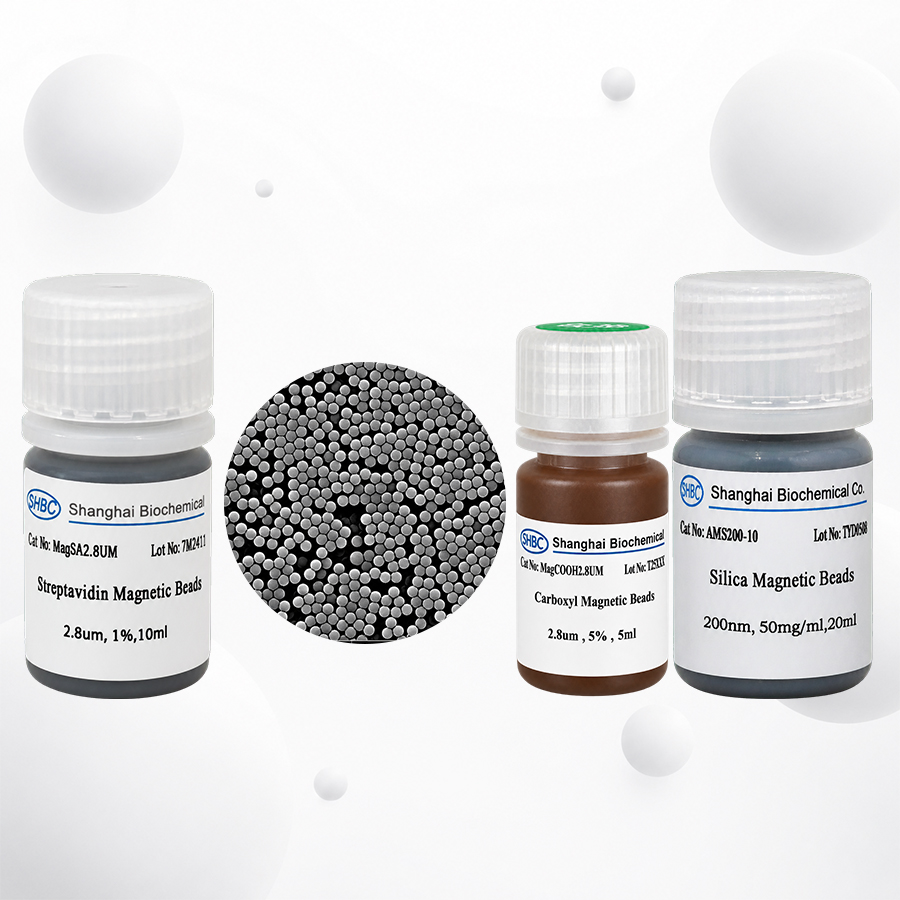 How to Choose Silica Magnetic Beads: Quick AnswerChoose silica magnetic beads according to the complete extraction workflow—not according to particle diameter or catalog price alone.The correct bead must match:The target nucleic acid;The sample matrix;The expected nucleic acid concentration;The requ
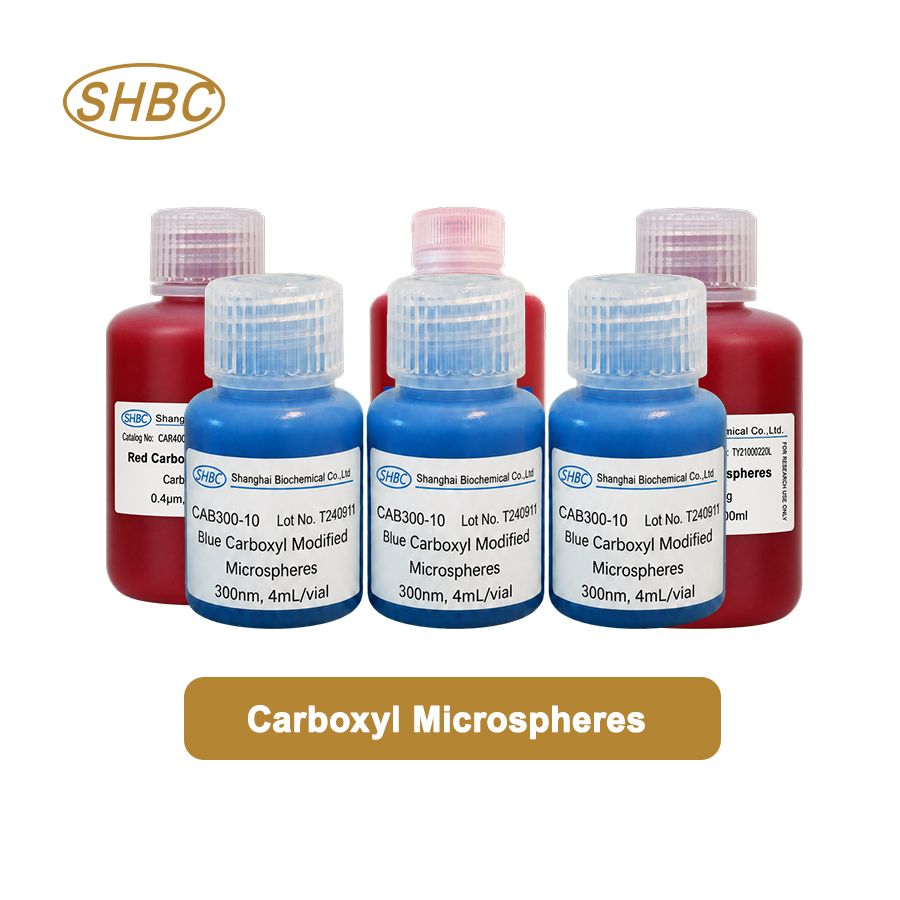 Quick Answer: Top 10 Microsphere Manufacturers Serving EuropeThe top 10 microsphere manufacturers and specialist particle suppliers serving European lateral flow assay developers in 2026 are:Merck EstaporSHBCBangs LaboratoriesPolysciencesThermo Fisher ScientificJSR Life SciencesMagsphereSpherotechmi
