Fmoc-Asn(Trt)-Wang Resin for C-Terminal Asparagine Peptides
SHBC Fmoc-Asn(Trt)-Wang Resin is a preloaded solid support for Fmoc solid-phase peptide synthesis of peptides containing C-terminal L-asparagine.
Fmoc-L-Asn(Trt)-OH is attached to an acid-labile Wang linker on a 1% DVB-crosslinked polystyrene matrix. The Trt group protects the asparagine side-chain amide during peptide assembly.
After acidic cleavage and deprotection, the resin produces a peptide ending in L-Asn-COOH.
Product Specifications
Parameter | Specification |
|---|
Product Name | Fmoc-Asn(Trt)-Wang Resin |
Synonym | Fmoc-L-Asn(Trt)-Wang Resin |
Brand | SHBC |
Manufacturer | Shanghai SanYu Biotechnology Co., Ltd. |
Matrix | Crosslinked Polystyrene |
Linker | Acid-Labile Wang Linker |
Preloaded Amino Acid | Fmoc-L-Asn(Trt)-OH |
Side-Chain Protection | Trt |
Loading | 0.3–0.8 mmol/g |
Particle Size | 100–200 Mesh |
Crosslinking | 1% DVB |
Synthesis Strategy | Fmoc SPPS |
Final C-Terminus | L-Asn-COOH |
Form | Polymer Resin Beads |
Product Identification | Refer to the SHBC COA and SDS |
CAS 132388-59-1 identifies free Fmoc-Asn(Trt)-OH. Product-specific identification of the polymer-bound resin should follow the SHBC COA and SDS.
Key Advantages
Ready-to-Use Preloaded Support
Fmoc-L-Asn(Trt)-OH is already attached to the Wang linker, eliminating the initial asparagine loading step.
Defined C-Terminal Asparagine
The resin is designed for peptides that require L-asparagine as the C-terminal residue and a free carboxylic acid after cleavage.
Trt-Protected Side-Chain Amide
The trityl group protects the asparagine side-chain amide during repeated Fmoc deprotection and amino acid coupling cycles.
Compatible with Fmoc SPPS
The Wang linkage and Trt protection are compatible with standard base-mediated Fmoc peptide-chain assembly.
Acidic Cleavage and Deprotection
A validated TFA-based cleavage system can release the peptide, remove Trt and generate the final C-terminal Asn-COOH functionality.
Controlled Loading Range
The 0.3–0.8 mmol/g loading range supports selection according to peptide length, aggregation tendency and required productivity.
Practical Resin Matrix
The 100–200 mesh, 1% DVB-crosslinked polystyrene provides useful swelling, reagent diffusion, filtration and mechanical handling.
How Fmoc-Asn(Trt)-Wang Resin Works
The protected C-terminal asparagine is supplied pre-attached to the Wang linker through an acid-labile ester bond.
A typical workflow includes:
Pre-swell the resin in a compatible SPPS solvent.
Remove the Fmoc group from resin-bound Asn(Trt).
Couple the next protected amino acid.
Continue repeated Fmoc deprotection and coupling cycles.
Wash the resin between reaction steps.
Cleave and deprotect the completed peptide using a validated acidic system.
Purify and characterize the resulting C-terminal asparagine peptide acid.
The Trt group remains in place during Fmoc synthesis and is normally removed during final acidic cleavage.
Applications
SHBC Fmoc-Asn(Trt)-Wang Resin can be used for:
C-terminal asparagine peptide synthesis
Fmoc solid-phase peptide synthesis
Peptide acids
Asparagine-containing peptide fragments
Therapeutic peptide research
Antigenic and epitope peptides
Enzyme substrate peptides
Peptide reference standards
Peptide library synthesis
Modified and labeled peptides
Peptidomimetic development
Bioconjugation intermediates
Research-scale and batch peptide production
The resin is particularly useful when the target sequence is predetermined to end in L-Asn-COOH.
Selecting the Right Resin Loading
Loading affects synthesis capacity, reagent accessibility and peptide aggregation.
Lower loading may be preferred for:
Higher loading may improve productivity for shorter and less demanding sequences.
Always use the lot-specific loading value stated in the COA for resin weighing and reagent calculations.
Comparison with Other SPPS Supports
Product | Preloaded Building Block | Final C-Terminus | Main Use |
|---|
Fmoc-Asn(Trt)-Wang Resin | Fmoc-L-Asn(Trt)-OH | L-Asn-COOH | Peptides ending in L-asparagine |
Fmoc-D-Asn(Trt)-Wang Resin | Fmoc-D-Asn(Trt)-OH | D-Asn-COOH | Peptides ending in D-asparagine |
Fmoc-Asn(Trt)-Rink Amide Resin | Fmoc-L-Asn(Trt)-OH | L-Asn-NH₂ | C-terminal asparagine amides |
Unloaded Wang Resin | None | Determined by Loading | Custom peptide acid synthesis |
2-CTC Resin | None | Determined by Loading | Protected or acid-sensitive fragments |
Fmoc-Asn(Trt)-OH | Free Amino Acid | Not Applicable | Soluble SPPS building block |
Fmoc-Asn(Trt)-Wang Resin and free Fmoc-Asn(Trt)-OH are different products. One is a polymer-bound support; the other is a soluble amino acid derivative.
Quality Control and Storage
Recommended qualification parameters include:
Asparagine loading
Fmoc content
Trt protection integrity
L-Asparagine stereochemical purity
D-Isomer content
Dipeptide content
Particle-size distribution
DVB crosslinking percentage
Moisture content
Residual free Wang linker sites
Swelling performance
Fmoc deprotection response
Test-coupling efficiency
Cleavage and Trt-removal performance
Lot-to-lot consistency
Keep the resin tightly sealed in a cool, dry environment according to the product label and SDS. Protect it from moisture and contamination.
Frequently Asked Questions
What is Fmoc-Asn(Trt)-Wang Resin?
It is a Wang-type polystyrene resin preloaded with Fmoc- and Trt-protected L-asparagine for Fmoc solid-phase peptide synthesis.
What C-terminus is produced after cleavage?
The final peptide contains L-asparagine with a free C-terminal carboxylic acid.
What is the purpose of the Trt group?
Trt protects the asparagine side-chain amide during peptide-chain assembly and is normally removed during final acidic cleavage.
Does asparagine need to be loaded before synthesis?
No. Fmoc-L-Asn(Trt)-OH is already attached to the Wang linker.
Is this resin the same as Fmoc-Asn(Trt)-OH?
No. The resin is a polymer-bound synthesis support. Fmoc-Asn(Trt)-OH is a soluble amino acid building block.
Is it compatible with automated peptide synthesis?
Yes. It can be used with compatible automated Fmoc-SPPS workflows after method optimization.
How is the peptide cleaved?
A validated TFA-based cleavage system is commonly used. Acid concentration, scavengers and reaction time depend on the peptide sequence and protecting groups.
Which loading should I select?
Lower loading is often considered for long, hydrophobic or aggregation-prone peptides. Higher loading may improve productivity for shorter sequences.
Please provide the required quantity, target loading, peptide application, packaging requirement and required quality documents.
Request a Sample or Bulk Quote
SHBC supplies Fmoc-Asn(Trt)-Wang Resin for Fmoc-SPPS, peptide process development and batch production.
Contact Shanghai SanYu Biotechnology Co., Ltd. to request evaluation quantities, bulk packaging, lot-specific loading data, COA, SDS and quotation details.
For research and process-development use unless otherwise specified.


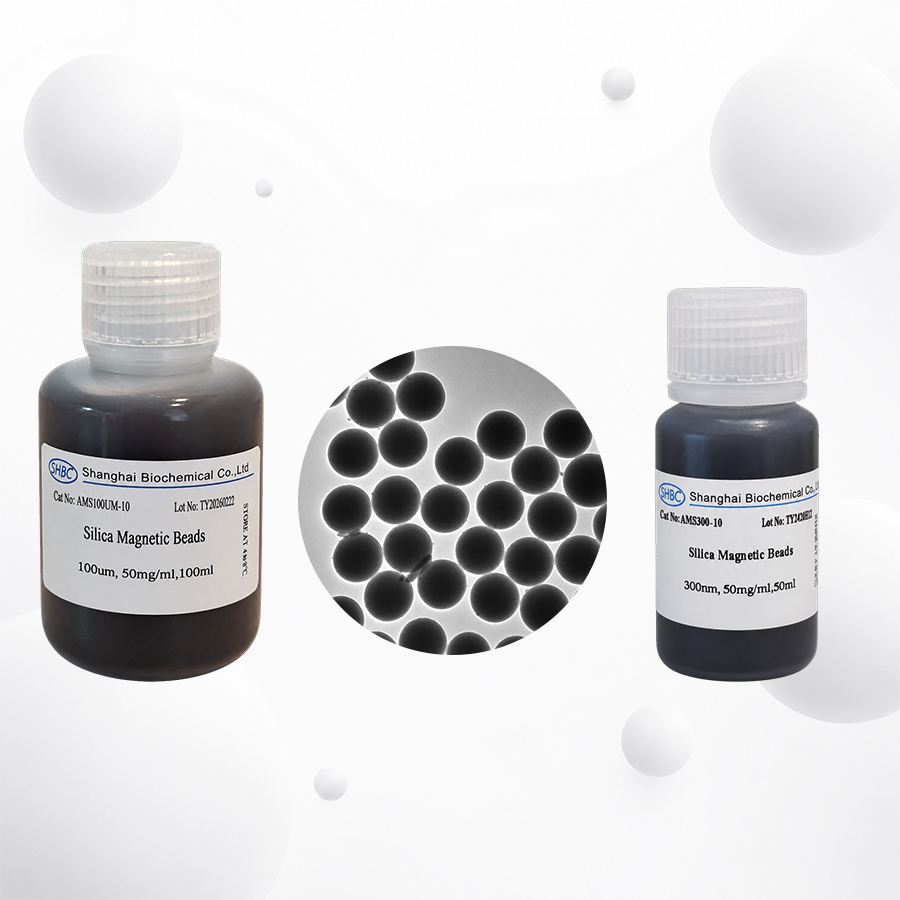 How Silica Magnetic Beads Work: Quick AnswerSilica magnetic beads extract DNA and RNA through a reversible bind–wash–elute process.First, a lysis buffer breaks open cells, viruses or other biological materials and releases nucleic acids into solution. A binding buffer containing salts—and often alco
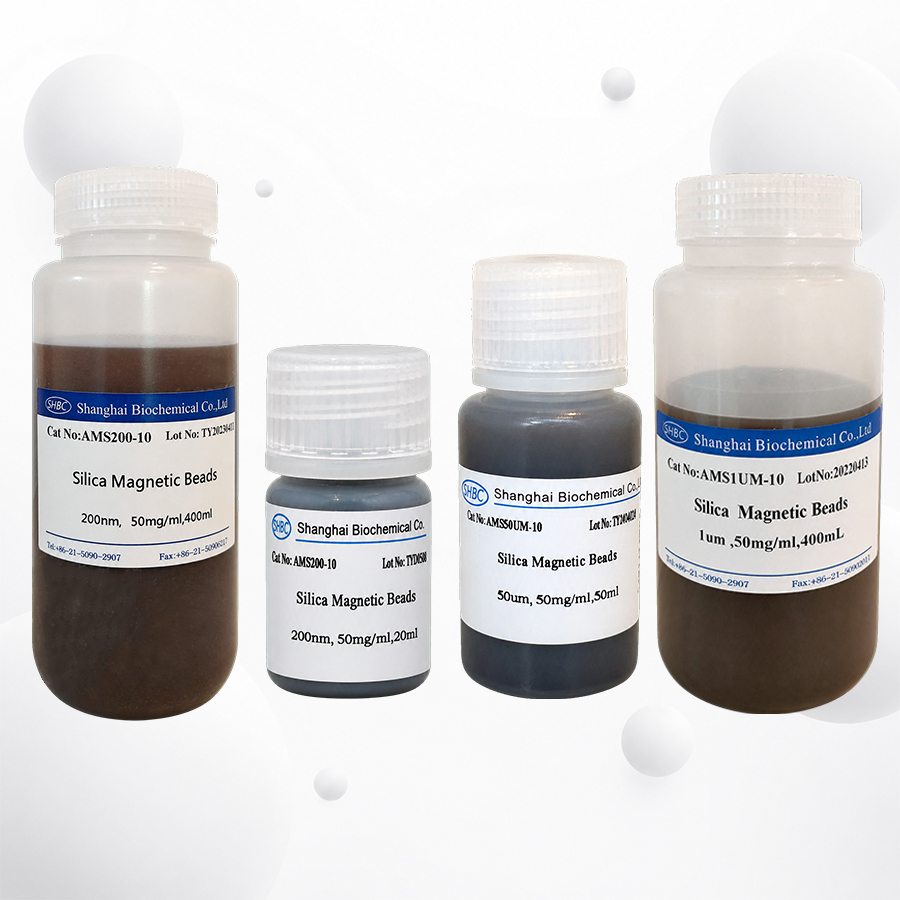 Overview of the Silica Magnetic Bead MarketSilica magnetic beads are functional magnetic particles used to extract and purify DNA or RNA from biological, clinical, food, environmental and research samples.A typical bead contains a magnetic core and a silica or silica-like outer surface. Under suitab
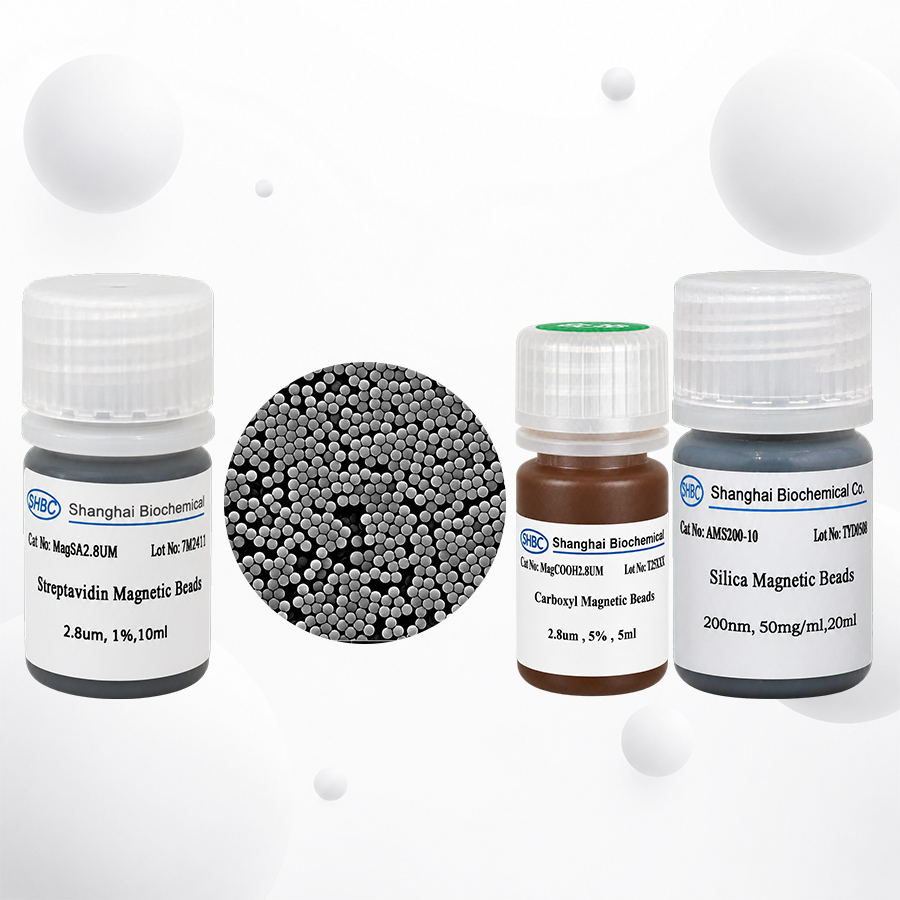 How to Choose Silica Magnetic Beads: Quick AnswerChoose silica magnetic beads according to the complete extraction workflow—not according to particle diameter or catalog price alone.The correct bead must match:The target nucleic acid;The sample matrix;The expected nucleic acid concentration;The requ
 Quick Answer: Top 10 Microsphere Manufacturers Serving EuropeThe top 10 microsphere manufacturers and specialist particle suppliers serving European lateral flow assay developers in 2026 are:Merck EstaporSHBCBangs LaboratoriesPolysciencesThermo Fisher ScientificJSR Life SciencesMagsphereSpherotechmi
