Product Overview
RH5131 L-Cysteine Hydrochloride, CAS 7048-04-6, is a high-purity hydrochloride salt of L-cysteine supplied as High Purity Grade with purity >99%.
L-Cysteine is a sulfur-containing amino acid characterized by a thiol (-SH) functional group. This functional group is important in protein structure, redox chemistry and numerous biochemical reactions, making L-Cysteine Hydrochloride useful for biochemical, amino acid, protein and life science research.
Key Features
High Purity Grade
Purity >99%
CAS 7048-04-6
Hydrochloride salt of L-cysteine
Sulfur-containing amino acid derivative
Contains a thiol (-SH) group
Suitable for amino acid research
Suitable for biochemical research
Suitable for protein and peptide research
Suitable for redox-related studies
100 g standard packaging
Technical Specifications
Parameter | Specification |
|---|
Product Code | RH5131 |
Product Name | L-Cysteine Hydrochloride |
Chemical Name | L-Cysteine Hydrochloride |
CAS No. | 7048-04-6 |
Grade | High Purity Grade, >99% |
Package | 100 g |
Applications
L-Cysteine Hydrochloride for Biochemical Research
L-Cysteine Hydrochloride provides L-cysteine in a hydrochloride salt form for suitable biochemical applications.
The cysteine structure contains a reactive thiol group that can participate in oxidation-reduction reactions and other biochemical transformations.
RH5131 provides High Purity Grade L-Cysteine Hydrochloride with purity >99% for laboratory research.
L-Cysteine Hydrochloride for Amino Acid Research
L-Cysteine is a naturally occurring sulfur-containing amino acid involved in protein biosynthesis and amino acid metabolism.
L-Cysteine Hydrochloride can be used in research involving sulfur-containing amino acids, amino acid metabolism and biochemical pathways.
Its hydrochloride salt form provides an alternative to free L-Cysteine for suitable experimental formulations.
L-Cysteine Hydrochloride for Protein Research
Cysteine residues play important roles in protein structure and function.
Two cysteine thiol groups can undergo oxidation to form a disulfide bond, which can contribute to the stabilization of protein structures.
L-Cysteine Hydrochloride is therefore relevant to studies involving protein folding, disulfide bond formation and thiol-containing proteins.
L-Cysteine Hydrochloride for Thiol Chemistry
The thiol (-SH) group is one of the most important structural features of cysteine.
Thiol groups can participate in redox reactions, disulfide formation and interactions with various chemical and biological molecules.
This makes L-Cysteine Hydrochloride useful for research involving thiol chemistry and redox-sensitive biochemical systems.
L-Cysteine Hydrochloride for Redox Research
Cysteine-containing systems are widely studied in redox biology because thiol groups can undergo reversible oxidation and reduction.
L-Cysteine Hydrochloride can therefore be evaluated in suitable studies involving oxidative processes, reducing environments and thiol-disulfide chemistry.
Experimental conditions should be optimized according to the specific research system.
L-Cysteine and Glutathione Research
L-Cysteine is one of the three amino acid components of glutathione.
Glutathione consists of:
The cysteine thiol group is particularly important to the redox properties of glutathione.
L-Cysteine Hydrochloride is therefore relevant to biochemical research involving glutathione biosynthesis and cellular redox pathways.
L-Cysteine Hydrochloride vs L-Cysteine
L-Cysteine Hydrochloride and L-Cysteine provide cysteine in different chemical forms:
The salt form may have different handling and solution characteristics. The appropriate form should be selected according to the experimental requirements.
L-Cysteine Hydrochloride vs N-Acetyl-L-Cysteine
L-Cysteine Hydrochloride and N-Acetyl-L-Cysteine (NAC) are related sulfur-containing compounds but are chemically different.
Both contain thiol functionality but can exhibit different physicochemical and biochemical behavior.
L-Cysteine vs L-Cystine
L-Cysteine and L-Cystine represent different redox forms.
This relationship is important in protein chemistry and redox biology research.
Product Advantages
RH5131 L-Cysteine Hydrochloride is supplied as High Purity Grade with purity >99%, providing a high-purity cysteine reagent for biochemical and life science research.
It is suitable for amino acid studies, protein research, thiol chemistry, redox biology, enzyme research and related laboratory applications.
The standard package is 100 g.
Storage and Handling
Keep the container tightly sealed.
Protect from moisture and contamination.
Minimize unnecessary exposure to air during handling.
Prepare solutions using appropriate laboratory procedures.
Store according to the recommended product conditions.
Refer to the applicable SDS for detailed safety, storage and handling information.
Packaging
Standard Packaging: 100 g
Other quantities can be discussed upon request.
Frequently Asked Questions (FAQ)
What is RH5131 L-Cysteine Hydrochloride?
RH5131 L-Cysteine Hydrochloride, CAS 7048-04-6, is a hydrochloride salt of L-cysteine supplied as High Purity Grade with purity >99%.
What is L-Cysteine Hydrochloride used for?
It is suitable for amino acid research, biochemical studies, protein research, thiol chemistry, redox biology and enzyme research.
Does L-Cysteine Hydrochloride contain a thiol group?
Yes. The cysteine component contains a thiol (-SH) functional group, which is important to its biochemical properties.
Can L-Cysteine Hydrochloride be used for protein research?
Yes. Cysteine is important in protein research because cysteine residues can participate in disulfide bond formation and thiol-related reactions.
What is the difference between L-Cysteine Hydrochloride and L-Cysteine?
L-Cysteine is the free amino acid, while L-Cysteine Hydrochloride is its hydrochloride salt.
What is the difference between L-Cysteine Hydrochloride and NAC?
N-Acetyl-L-Cysteine (NAC) is an acetylated derivative of L-cysteine, whereas L-Cysteine Hydrochloride is the hydrochloride salt of L-cysteine.
What is the difference between L-Cysteine and L-Cystine?
L-Cysteine contains a free thiol group, while L-Cystine consists of two cysteine units connected by a disulfide bond.
What is the CAS number of L-Cysteine Hydrochloride?
The CAS number of RH5131 L-Cysteine Hydrochloride is 7048-04-6.
What is the purity of RH5131?
RH5131 is supplied as High Purity Grade with purity >99%.
What packaging is available?
The standard package for RH5131 L-Cysteine Hydrochloride is 100 g.


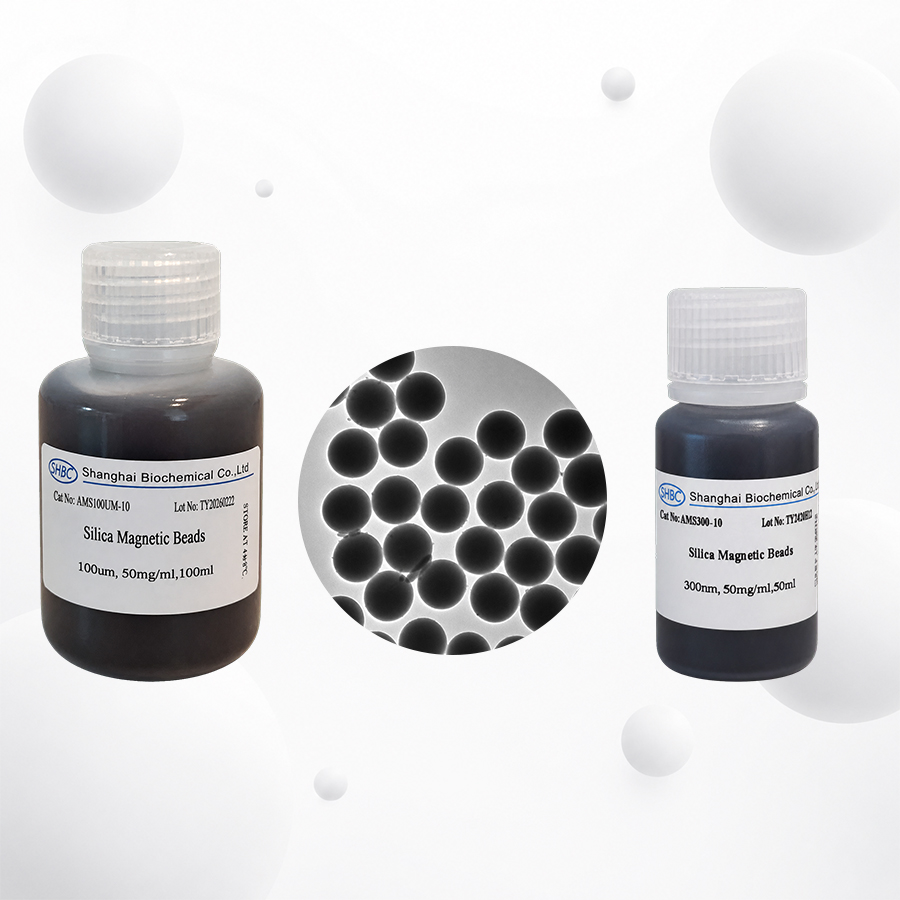 How Silica Magnetic Beads Work: Quick AnswerSilica magnetic beads extract DNA and RNA through a reversible bind–wash–elute process.First, a lysis buffer breaks open cells, viruses or other biological materials and releases nucleic acids into solution. A binding buffer containing salts—and often alco
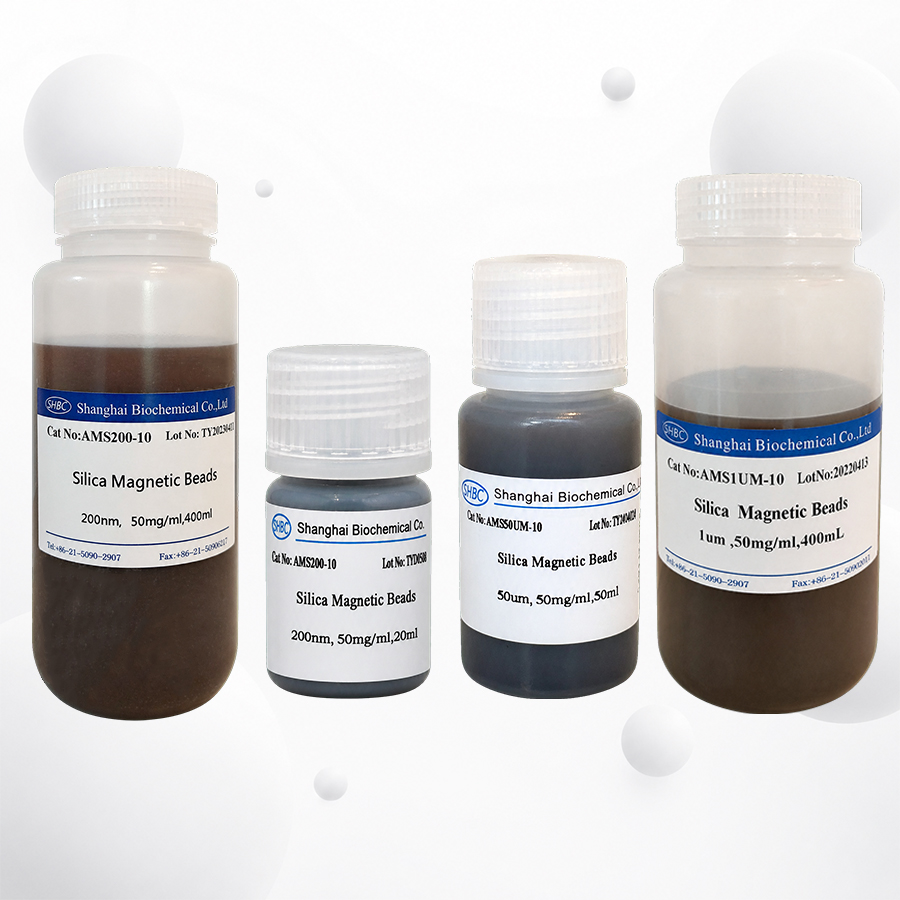 Overview of the Silica Magnetic Bead MarketSilica magnetic beads are functional magnetic particles used to extract and purify DNA or RNA from biological, clinical, food, environmental and research samples.A typical bead contains a magnetic core and a silica or silica-like outer surface. Under suitab
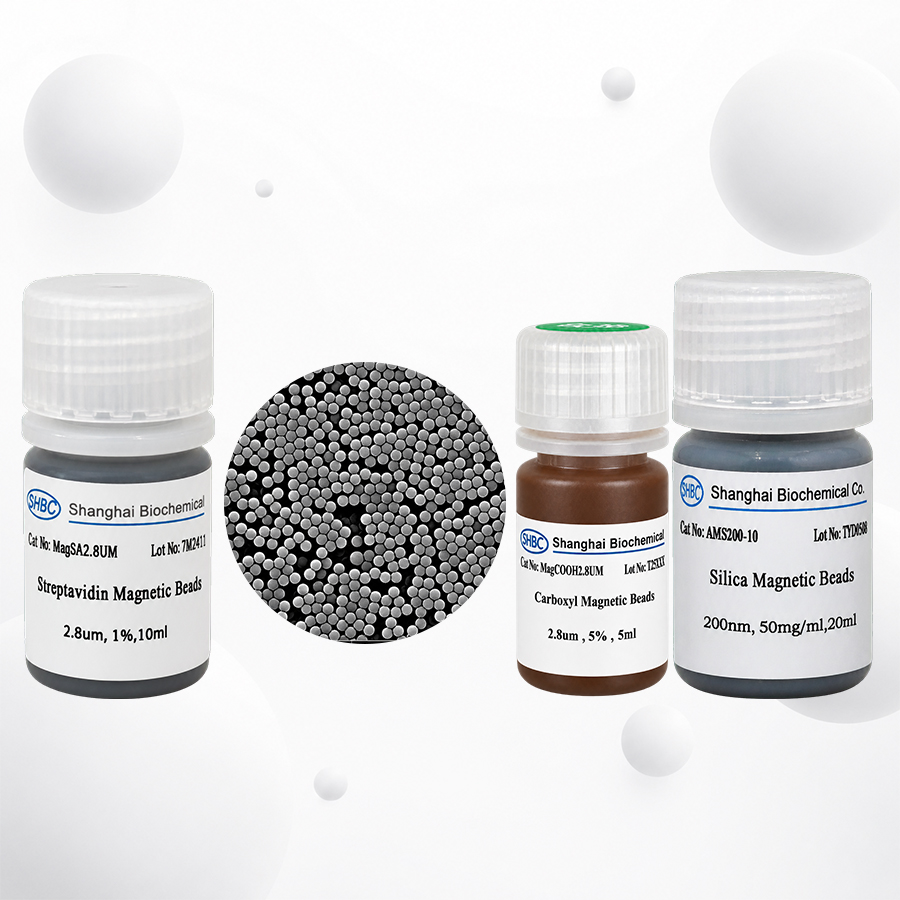 How to Choose Silica Magnetic Beads: Quick AnswerChoose silica magnetic beads according to the complete extraction workflow—not according to particle diameter or catalog price alone.The correct bead must match:The target nucleic acid;The sample matrix;The expected nucleic acid concentration;The requ
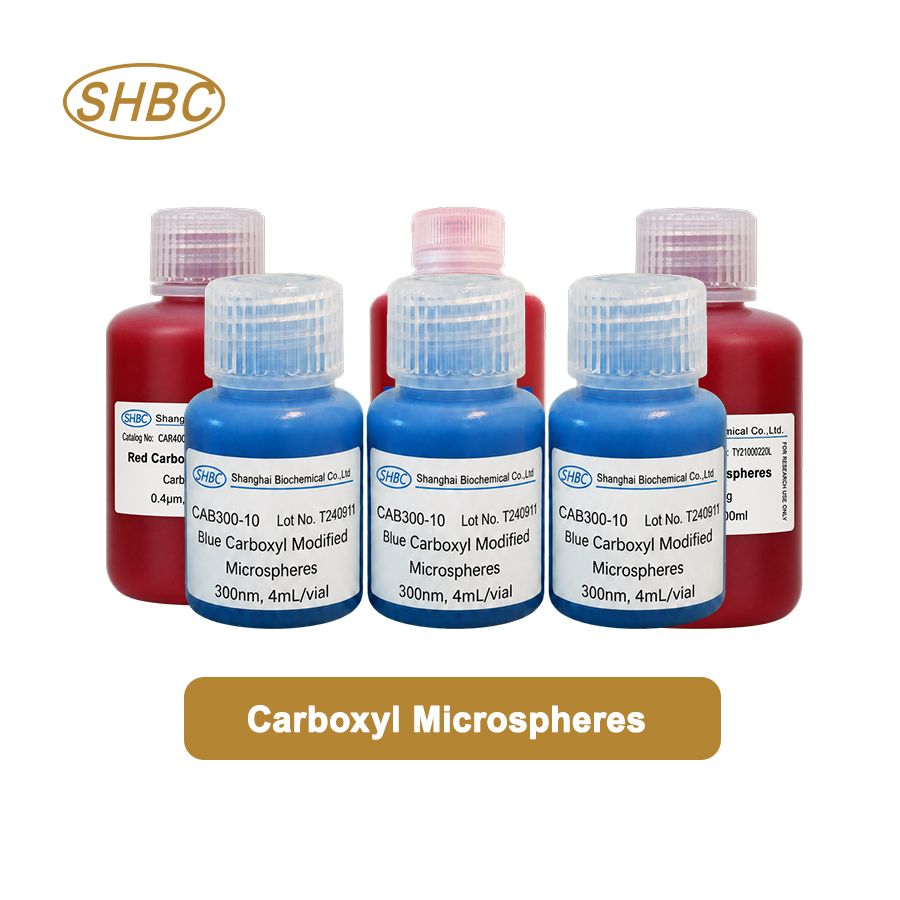 Quick Answer: Top 10 Microsphere Manufacturers Serving EuropeThe top 10 microsphere manufacturers and specialist particle suppliers serving European lateral flow assay developers in 2026 are:Merck EstaporSHBCBangs LaboratoriesPolysciencesThermo Fisher ScientificJSR Life SciencesMagsphereSpherotechmi
