Product Overview
RH1215 L-Glutamic Acid, CAS 56-86-0, is a high-purity acidic amino acid supplied as BioChemika Grade with purity >99%. It is suitable for amino acid metabolism research, biochemical studies, protein and peptide research, enzyme studies and other life science applications.
L-Glutamic Acid is a naturally occurring α-amino acid and one of the standard amino acids involved in protein biosynthesis. In its ionized form, glutamate participates in numerous metabolic pathways, including amino acid metabolism, nitrogen metabolism and cellular biochemical processes.
Key Features
BioChemika Grade
Purity >99%
CAS 56-86-0
Naturally occurring L-amino acid
Acidic α-amino acid
Important component of proteins
Suitable for amino acid metabolism research
Suitable for biochemical research
Suitable for protein and peptide research
Suitable for enzyme research
100 g standard packaging
Technical Specifications
Parameter | Specification |
|---|
Product Code | RH1215 |
Product Name | L-Glutamic Acid |
Chemical Name | L-Glutamic Acid |
CAS No. | 56-86-0 |
Grade | BioChemika Grade, >99% |
Package | 100 g |
Applications
Amino Acid Research
Amino Acid Metabolism Studies
Biochemical Research
Nitrogen Metabolism Research
Protein and Peptide Research
Enzyme Research
Metabolic Pathway Research
Cell Biology Research
Biotechnology Research
Life Science Research
L-Glutamic Acid for Biochemical Research
L-Glutamic Acid is a naturally occurring acidic amino acid involved in a wide range of biochemical processes.
Its side chain contains an additional carboxyl group, giving it characteristic acidic properties and making it relevant to studies involving amino acid chemistry, protein interactions and metabolic pathways.
RH1215 provides BioChemika Grade L-Glutamic Acid with purity >99% for laboratory research.
Glutamate occupies a central position in amino acid metabolism.
It participates in transamination reactions and can exchange amino groups with other metabolites through enzyme-catalyzed processes.
Because of this central metabolic role, L-Glutamic Acid is widely used in research involving amino acid interconversion, nitrogen transfer and cellular metabolism.
L-Glutamic Acid is closely associated with biological nitrogen metabolism.
Glutamate can accept or donate amino groups in numerous metabolic reactions and is connected with pathways involving α-ketoglutarate, glutamine and other nitrogen-containing metabolites.
It is therefore useful in studies involving nitrogen utilization, amino acid metabolism and metabolic enzyme activity.
L-Glutamic Acid for Protein and Peptide Research
L-Glutamic Acid is one of the standard amino acids incorporated into proteins.
Its acidic side chain can influence protein charge, structure, solubility and molecular interactions.
High-purity L-Glutamic Acid can therefore be used in suitable protein chemistry, peptide research and amino acid interaction studies.
L-Glutamic Acid for Enzyme Research
L-Glutamic Acid and glutamate participate in numerous enzyme-mediated biochemical reactions.
It can be used as a substrate or metabolite in suitable studies involving aminotransferases, dehydrogenases and other enzymes associated with amino acid metabolism.
Experimental concentration, pH and reaction conditions should be optimized for the specific enzyme system.
L-Glutamic Acid and L-Glutamine are closely connected through cellular nitrogen metabolism.
Glutamate can be converted to glutamine through enzymatic incorporation of nitrogen, while glutamine can be converted back to glutamate in appropriate metabolic pathways.
This relationship makes both compounds important for research involving amino acid and nitrogen metabolism.
L-Glutamic Acid and Glutathione
Glutamate is one of the three amino acid components of glutathione.
Glutathione consists of:
Because of this relationship, L-Glutamic Acid is relevant to research involving glutathione biosynthesis, amino acid metabolism and cellular redox pathways.
L-Glutamic Acid vs L-Glutamine
L-Glutamic Acid and L-Glutamine are structurally related but chemically different:
The difference in functional groups gives these amino acids distinct chemical properties and metabolic roles.
L-Glutamic Acid vs L-Aspartic Acid
L-Glutamic Acid and L-Aspartic Acid are both acidic amino acids.
Both participate in amino acid and nitrogen metabolism but have distinct roles in biological systems.
L-Glutamic Acid vs Monosodium Glutamate
L-Glutamic Acid is the free acid form, whereas monosodium glutamate is a sodium salt of glutamic acid.
The two forms have different ionic and formulation characteristics and should be selected according to the requirements of the experimental system.
Product Advantages
RH1215 L-Glutamic Acid is supplied as BioChemika Grade with purity >99%, providing a high-purity amino acid reagent for biochemical and life science research.
It is suitable for amino acid metabolism, nitrogen metabolism, protein and peptide studies, enzyme research and related laboratory applications.
The standard package is 100 g.
Storage and Handling
Keep the container tightly sealed.
Protect from moisture and contamination.
Store according to the recommended product conditions.
Prepare solutions using appropriate laboratory procedures.
Follow standard laboratory handling practices.
Refer to the applicable SDS for detailed storage and handling information.
Packaging
Standard Packaging: 100 g
Other quantities can be discussed upon request.
Frequently Asked Questions (FAQ)
What is RH1215 L-Glutamic Acid?
RH1215 L-Glutamic Acid, CAS 56-86-0, is an acidic amino acid supplied as BioChemika Grade with purity >99%.
What is L-Glutamic Acid used for in research?
L-Glutamic Acid is suitable for amino acid metabolism, nitrogen metabolism, biochemical research, protein and peptide studies, enzyme research and other life science applications.
Is L-Glutamic Acid an amino acid?
Yes. L-Glutamic Acid is a naturally occurring acidic α-amino acid and one of the standard amino acids found in proteins.
Is L-Glutamic Acid the same as glutamate?
Glutamate is the ionized form of L-Glutamic Acid. Which form predominates depends on the chemical environment and pH.
What is the difference between L-Glutamic Acid and L-Glutamine?
L-Glutamic Acid contains a carboxylic acid side chain, while L-Glutamine contains the corresponding amide side chain.
What is the difference between L-Glutamic Acid and L-Aspartic Acid?
Both are acidic amino acids, but L-Glutamic Acid has one additional methylene group in its side chain.
Yes. Glutamate is one of the three amino acid components of glutathione, together with cysteine and glycine.
What is the CAS number of L-Glutamic Acid?
The CAS number of RH1215 L-Glutamic Acid is 56-86-0.
What is the purity of RH1215?
RH1215 is supplied as BioChemika Grade with purity >99%.
What packaging is available?
The standard package for RH1215 L-Glutamic Acid is 100 g.


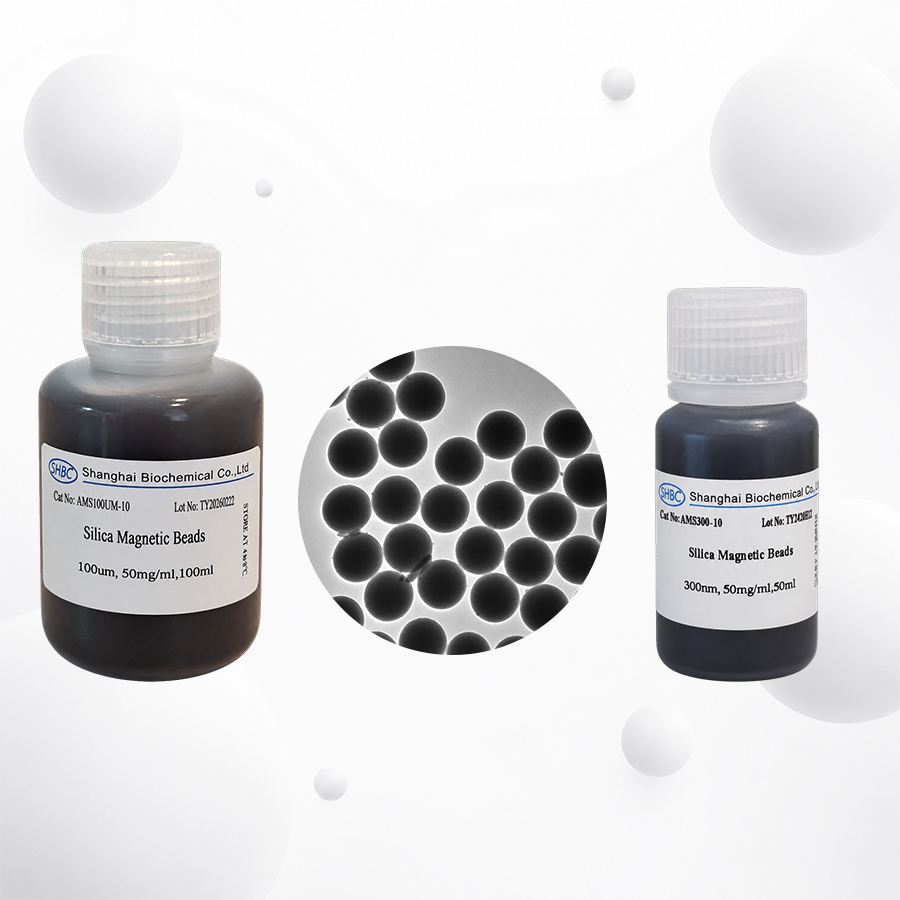 How Silica Magnetic Beads Work: Quick AnswerSilica magnetic beads extract DNA and RNA through a reversible bind–wash–elute process.First, a lysis buffer breaks open cells, viruses or other biological materials and releases nucleic acids into solution. A binding buffer containing salts—and often alco
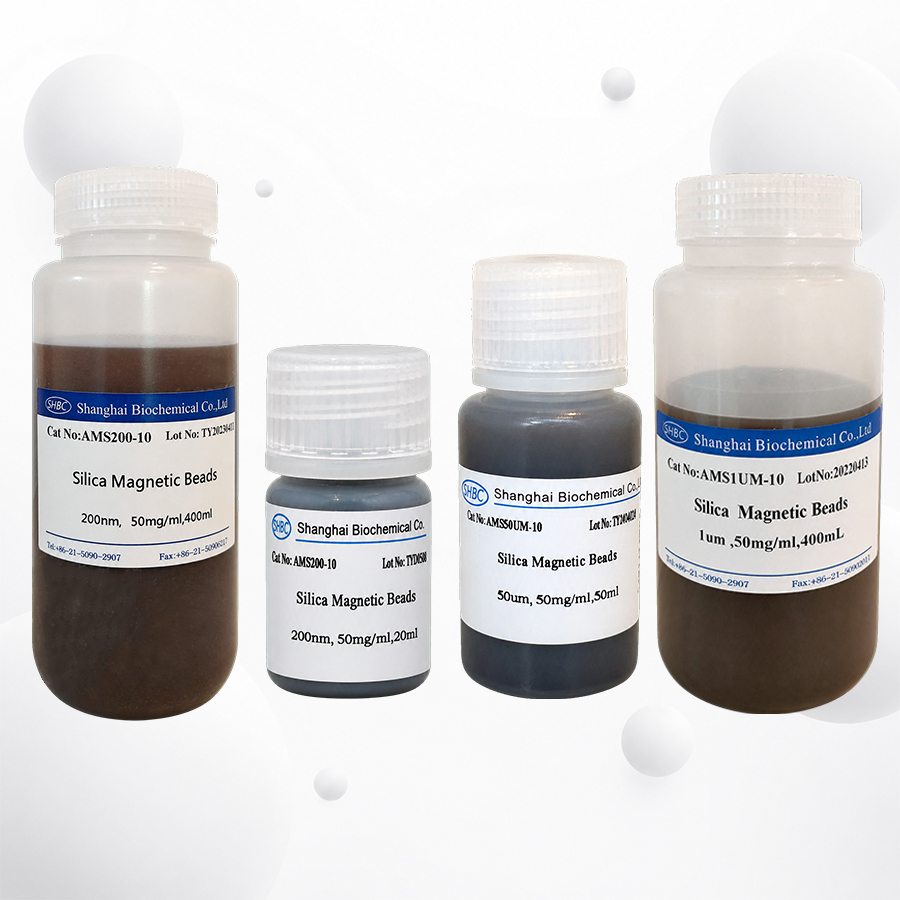 Overview of the Silica Magnetic Bead MarketSilica magnetic beads are functional magnetic particles used to extract and purify DNA or RNA from biological, clinical, food, environmental and research samples.A typical bead contains a magnetic core and a silica or silica-like outer surface. Under suitab
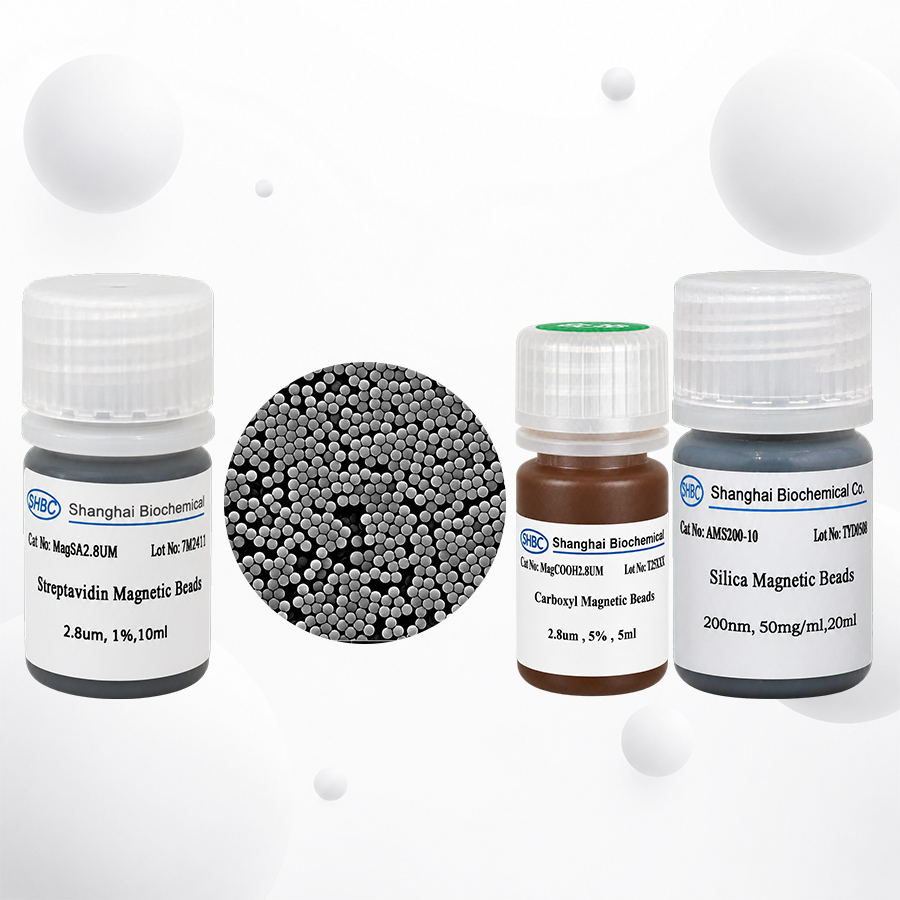 How to Choose Silica Magnetic Beads: Quick AnswerChoose silica magnetic beads according to the complete extraction workflow—not according to particle diameter or catalog price alone.The correct bead must match:The target nucleic acid;The sample matrix;The expected nucleic acid concentration;The requ
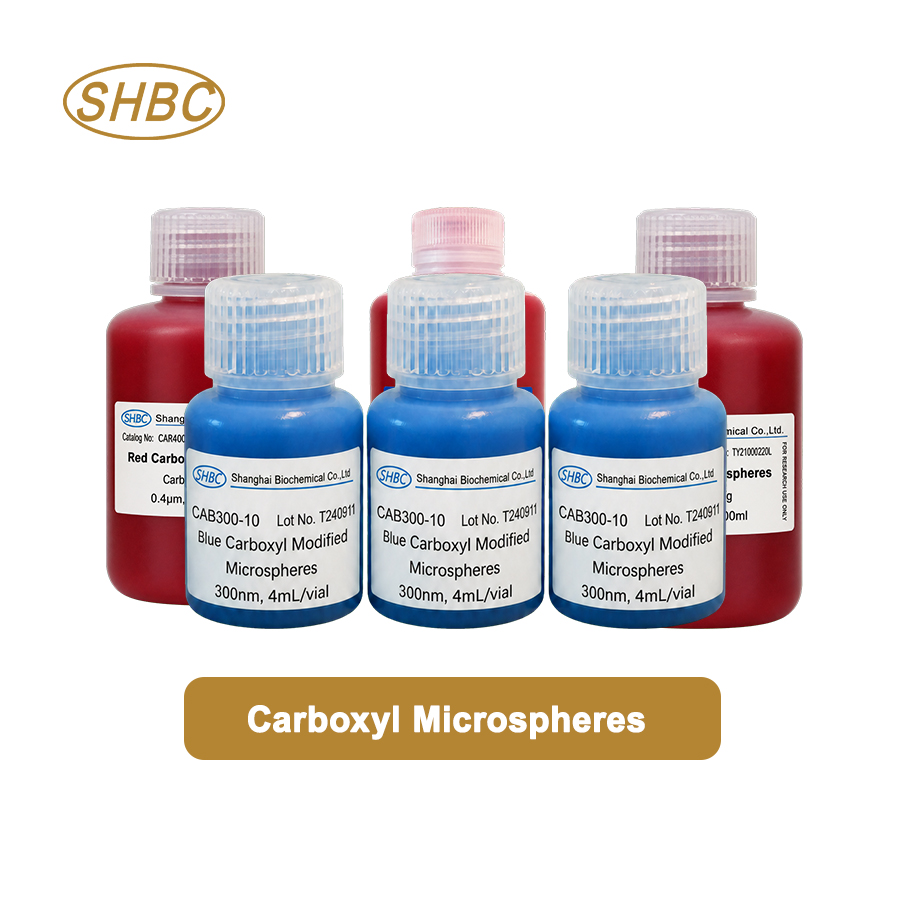 Quick Answer: Top 10 Microsphere Manufacturers Serving EuropeThe top 10 microsphere manufacturers and specialist particle suppliers serving European lateral flow assay developers in 2026 are:Merck EstaporSHBCBangs LaboratoriesPolysciencesThermo Fisher ScientificJSR Life SciencesMagsphereSpherotechmi
