Product Overview
RHT235 T235 Compound Stabilizer is a formulated compound stabilizer designed for biochemical and diagnostic reagent systems where maintaining reagent performance during preparation and storage is important.
Biological and biochemical reagents may gradually lose stability because of temperature, pH, ionic strength, interactions between formulation components and prolonged storage. T235 Compound Stabilizer can be evaluated as part of a formulation strategy to improve the stability of suitable reagent systems.
RHT235 is suitable for biochemical assay development, diagnostic reagent formulation, protein and enzyme stabilization research and reagent stability optimization.
Key Features
Compound stabilizer formulation
Designed for biochemical reagent stabilization
Suitable for diagnostic reagent development
Suitable for biochemical assays
Suitable for stability optimization
Suitable for protein stabilization research
Suitable for enzyme-containing formulations
Suitable for reagent development
Suitable for life science research
100 g standard packaging
Technical Specifications
Parameter | Specification |
|---|
Product Code | RHT235 |
Product Name | T235 Compound Stabilizer |
Product Type | Compound Reagent Stabilizer |
Application | Biochemical Reagent Stabilization |
Package | 100 g |
Applications
Biochemical Reagent Stabilization
Diagnostic Reagent Development
IVD Reagent Research
Biochemical Assays
Protein Stabilization Research
Enzyme Stabilization Research
Reagent Formulation
Reagent Stability Studies
Assay Development
Biotechnology Research
Life Science Research
T235 Compound Stabilizer for Biochemical Reagents
Biochemical reagents frequently contain multiple functional components that must remain stable throughout preparation and storage.
Changes in proteins, enzymes or other formulation components can influence assay response and overall reagent performance.
RHT235 can be evaluated as a compound stabilizer during formulation development to improve the stability of suitable biochemical reagent systems.
T235 Stabilizer for Diagnostic Reagent Development
Diagnostic reagent development requires careful control of reagent stability.
Assay components may be exposed to different temperatures and storage periods before use, making formulation optimization an important part of reagent development.
T235 Compound Stabilizer can be evaluated in suitable diagnostic reagent formulations where improved stability is required.
T235 Stabilizer for IVD Reagent Research
RHT235 can be investigated during the development of in vitro diagnostic (IVD) reagent systems.
Potential applications include:
Clinical chemistry reagent research
Enzyme-containing diagnostic reagents
Protein-based reagent systems
Biochemical detection assays
Coupled reaction systems
Reagent stability optimization
Final suitability should be confirmed using the actual assay system.
T235 Stabilizer for Protein-Containing Reagents
Proteins may undergo structural changes, aggregation or adsorption during reagent preparation and storage.
A suitable stabilizing formulation can help maintain the desired properties of protein-containing reagent systems.
RHT235 can be screened during protein reagent formulation studies to determine its effect on stability and assay performance.
T235 Stabilizer for Enzyme-Containing Reagents
Enzymes are proteins whose functional activity can be particularly sensitive to formulation conditions.
RHT235 can be evaluated in enzyme-containing reagent systems where maintaining catalytic activity during storage is important.
Performance should be assessed by measuring retained enzyme activity and actual assay response.
T235 Compound Stabilizer for Liquid Reagents
Liquid biochemical reagents can present significant stability challenges because active components remain continuously exposed to the surrounding formulation.
Factors including pH, temperature, salts, preservatives and surfactants can influence reagent stability.
RHT235 can be evaluated as part of liquid reagent formulation optimization.
Factors Affecting Biochemical Reagent Stability
The stability of biochemical reagents can depend on many factors, including:
Temperature
pH
Buffer composition
Ionic strength
Protein concentration
Enzyme concentration
Surfactants
Preservatives
Substrates and cofactors
Storage duration
Freeze-thaw conditions
A stabilizer should therefore be evaluated as part of the complete reagent formulation.
Compound Stabilizer vs Single-Component Stabilizer
A single-component stabilizer consists of one defined substance.
A compound stabilizer is a formulated system designed to provide multiple stabilizing effects within a reagent formulation.
Compound stabilizers can be useful when reagent instability results from several interacting factors.
The most appropriate system should be selected through experimental testing.
T235 Compound Stabilizer vs AES Enzyme Stabilizer
RHT235 and RHAES belong to related but differently named stabilization products.
RHAES is specifically identified as an enzyme stabilizer, whereas RHT235 is listed more generally as a compound stabilizer.
Because no detailed composition or target reagent information is provided for RHT235, the website should not limit it to a particular enzyme or assay without additional technical documentation.
T235 Compound Stabilizer vs Enzyme Protectant
An enzyme protectant is specifically intended to help maintain enzyme activity.
T235 is listed more broadly as a compound stabilizer, so its positioning should remain focused on biochemical reagent stabilization rather than claiming enzyme-specific performance.
It may still be evaluated in enzyme-containing systems when appropriate.
How to Evaluate T235 Compound Stabilizer
A typical stability screening study can compare a control formulation with formulations containing different concentrations of T235.
Researchers may evaluate:
The final concentration should be selected according to experimental results.
Accelerated Stability Testing
Accelerated stability studies can be useful during reagent formulation development.
Test formulations may be stored under selected elevated-temperature or stress conditions and compared with appropriate controls.
Changes in assay response, enzyme activity, protein properties or other relevant parameters can then be monitored.
Accelerated testing should complement rather than automatically replace appropriate real-time stability studies.
How to Select a Reagent Stabilizer
Selection should consider:
Type of active reagent
Protein or enzyme composition
Assay principle
Buffer system
pH
Storage temperature
Desired shelf life
Liquid or dried formulation
Other additives
Required assay performance
Comparative formulation testing is recommended when selecting a stabilizing system.
Product Advantages
RHT235 provides a convenient compound stabilizer formulation for biochemical and diagnostic reagent development.
It can be evaluated during reagent formulation, protein and enzyme stabilization studies, assay development and stability optimization.
The standard package is 100 g.
Storage and Handling
Keep the container tightly sealed.
Protect from moisture and contamination.
Use clean laboratory equipment.
Determine the appropriate working concentration experimentally.
Confirm compatibility with the complete reagent formulation.
Avoid unnecessary repeated exposure of the bulk material.
Store according to the applicable product documentation.
Packaging
Standard Packaging: 100 g
Bulk quantities can be discussed upon request.
Frequently Asked Questions (FAQ)
What is RHT235?
RHT235 is a T235 Compound Stabilizer intended for biochemical reagent stabilization and formulation development.
What is T235 Compound Stabilizer used for?
It can be evaluated for biochemical assays, diagnostic reagent development, protein and enzyme stabilization research and reagent stability optimization.
Is RHT235 an enzyme stabilizer?
RHT235 is listed more generally as a compound stabilizer. It may be evaluated in enzyme-containing systems, but it should not be described as exclusively enzyme-specific without additional technical data.
Can T235 be used for IVD reagent development?
Yes. It can be evaluated during research and development of suitable biochemical and IVD reagent formulations.
Can T235 be used in liquid reagents?
It can be evaluated in suitable liquid biochemical reagent formulations. Actual compatibility and stability improvement should be confirmed experimentally.
What is the difference between T235 and AES?
AES is specifically listed as a Compound Enzyme Stabilizer, Biotech Grade. T235 is listed as a more general Compound Stabilizer. Detailed formulation differences are not provided in the current specification.
What concentration of T235 should be used?
No universal working concentration is provided. The optimal concentration should be determined experimentally according to the specific reagent system.
What is the composition of T235?
The current product information does not provide the individual components of the compound formulation, so specific ingredients should not be claimed without technical documentation.
Does RHT235 have a CAS number?
No CAS number is provided. Since RHT235 is a compound formulation, a single CAS number should not be assigned without manufacturer documentation.
What is the grade of RHT235?
No grade is specified in the current product list, so the grade field should remain blank until confirmed.
What packaging is available?
The standard package for RHT235 T235 Compound Stabilizer is 100 g.


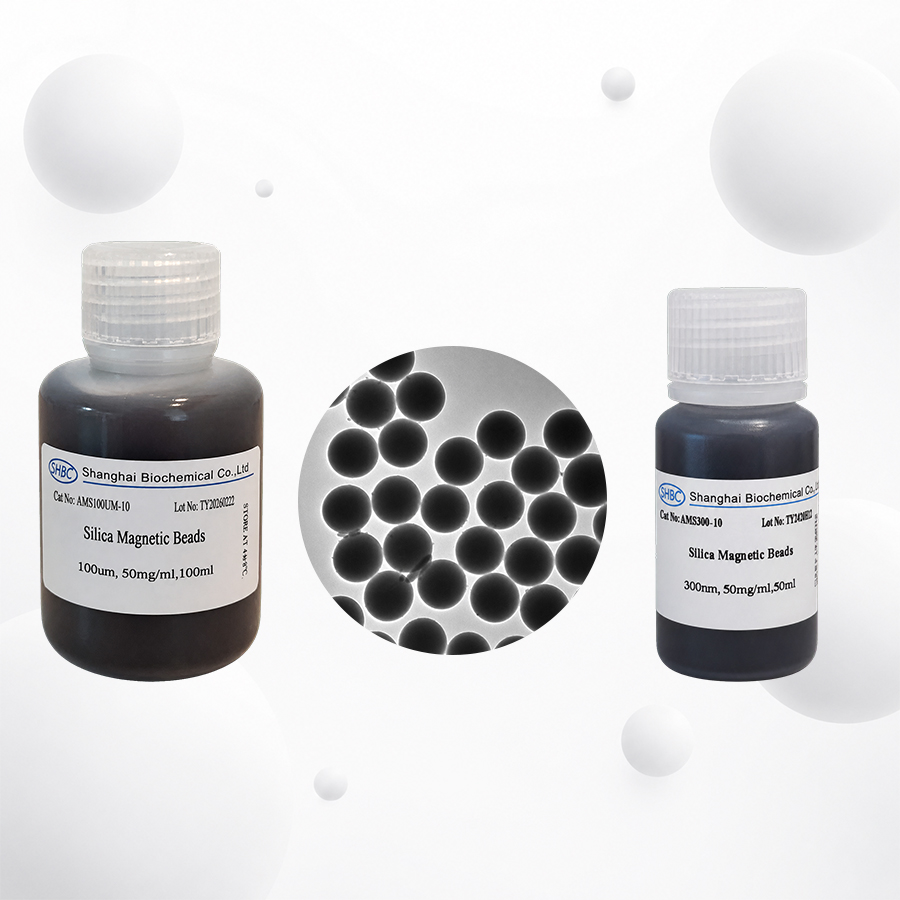 How Silica Magnetic Beads Work: Quick AnswerSilica magnetic beads extract DNA and RNA through a reversible bind–wash–elute process.First, a lysis buffer breaks open cells, viruses or other biological materials and releases nucleic acids into solution. A binding buffer containing salts—and often alco
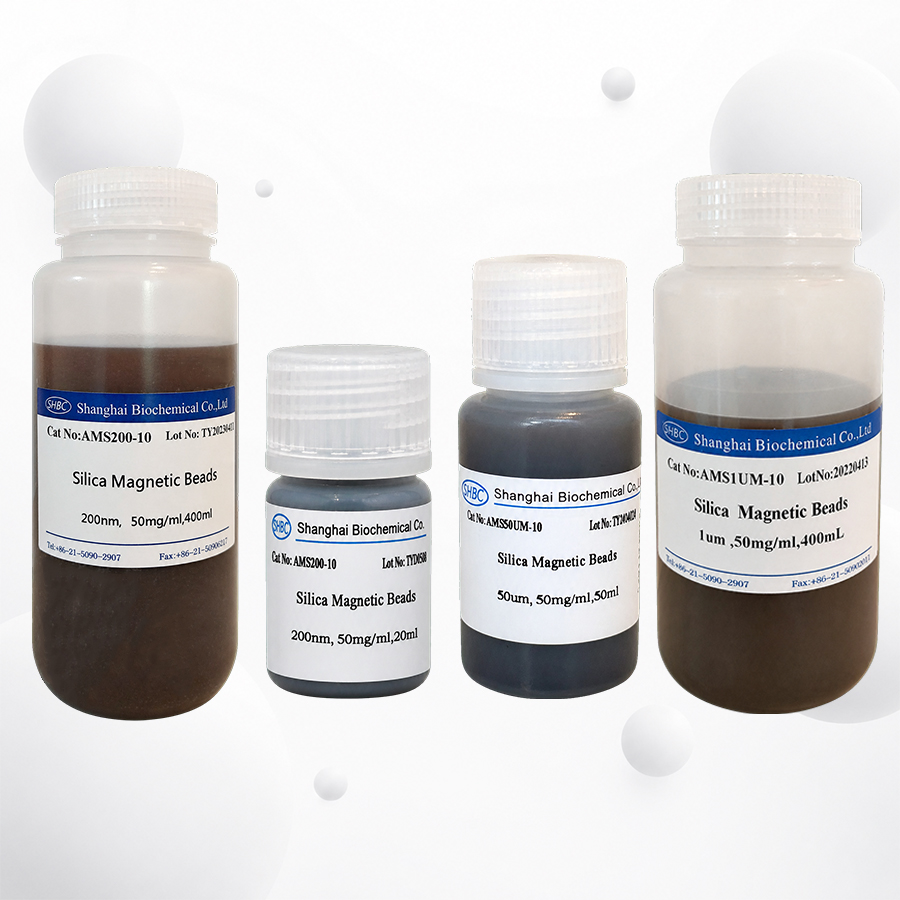 Overview of the Silica Magnetic Bead MarketSilica magnetic beads are functional magnetic particles used to extract and purify DNA or RNA from biological, clinical, food, environmental and research samples.A typical bead contains a magnetic core and a silica or silica-like outer surface. Under suitab
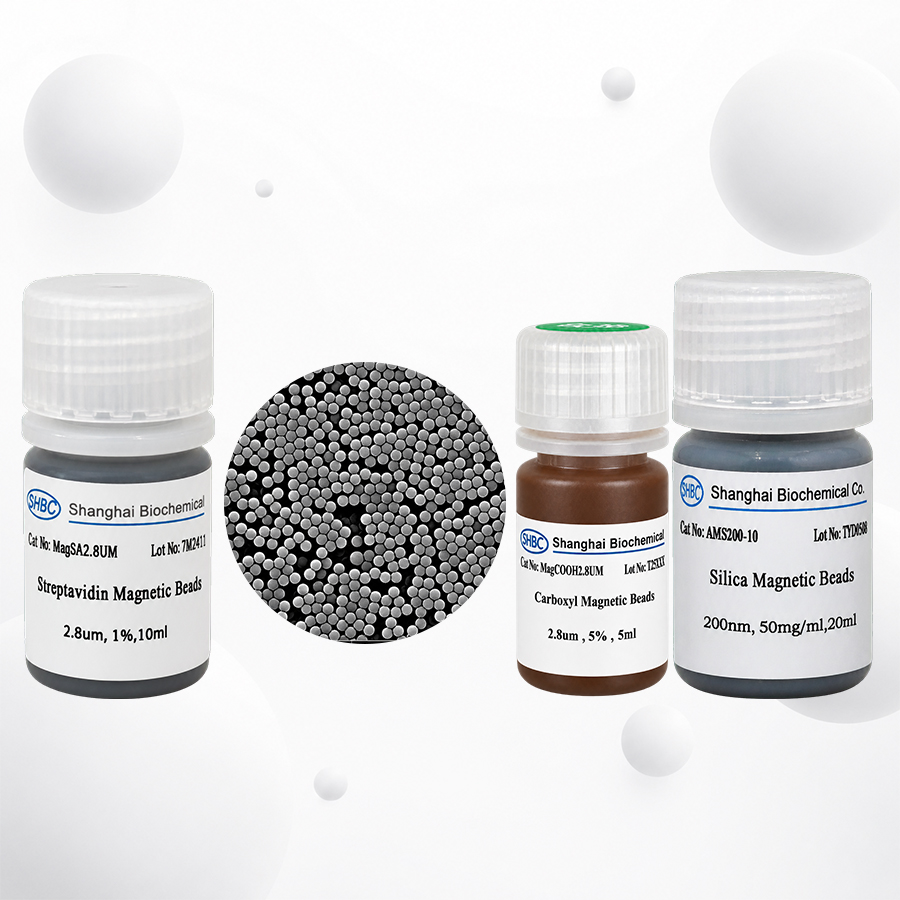 How to Choose Silica Magnetic Beads: Quick AnswerChoose silica magnetic beads according to the complete extraction workflow—not according to particle diameter or catalog price alone.The correct bead must match:The target nucleic acid;The sample matrix;The expected nucleic acid concentration;The requ
 Quick Answer: Top 10 Microsphere Manufacturers Serving EuropeThe top 10 microsphere manufacturers and specialist particle suppliers serving European lateral flow assay developers in 2026 are:Merck EstaporSHBCBangs LaboratoriesPolysciencesThermo Fisher ScientificJSR Life SciencesMagsphereSpherotechmi
