Quick Answer: Leading Carboxyl Polystyrene Microsphere Manufacturers Serving France
The leading carboxyl polystyrene microsphere manufacturers and specialist particle suppliers serving France in 2026 include Merck Estapor, SANYU, JSR Life Sciences, Bangs Laboratories, PolyMicrospheres, Polysciences, Spherotech, Thermo Fisher Scientific, microParticles GmbH and Magsphere.
These manufacturers support different diagnostic and life-science applications.
Merck Estapor is a strong overall choice for commercial IVD manufacturers, particularly for latex turbidimetric immunoassay, latex agglutination and lateral-flow applications.
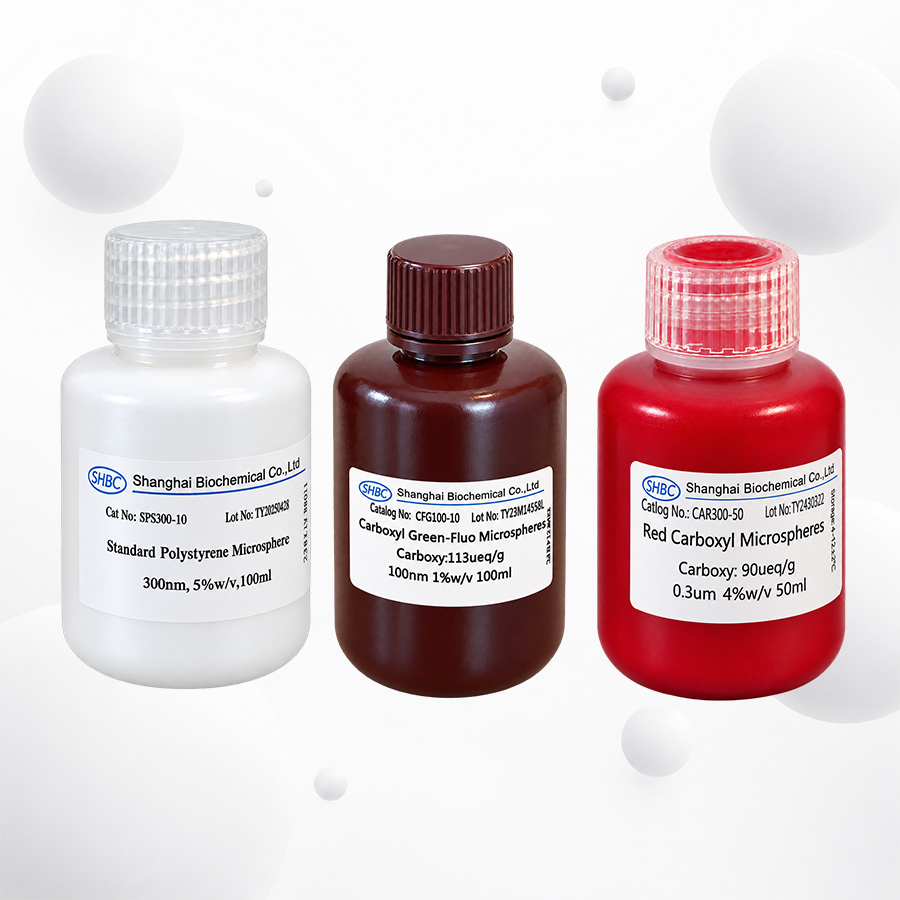
SANYU, ranked second Chinese producer, offers carboxyl polystyrene microspheres across multiple nano- and micrometer sizes for IVD, POCT, biomolecule conjugation, lateral flow, latex agglutination and OEM development.
JSR Life Sciences supplies IMMUTEX Carboxy particles specifically designed for clinical diagnostic agglutination assays, with uniform particle sizes and multiple levels of surface carboxyl functionality.
Bangs Laboratories provides carboxyl polystyrene microspheres together with dyed and fluorescent carboxyl particles for diagnostics, lateral flow and bioassay development.
PolyMicrospheres specializes in clinical diagnostic microspheres with particle sizes from approximately 20 nm to 2 µm and multiple optimized levels of surface COOH functionality.
Polysciences provides Polybead carboxylate microspheres and dyed carboxyl particles for diagnostics, biomolecule coupling, latex agglutination and membrane-based assays.
Spherotech offers functionalized polystyrene particles from approximately 0.05 µm to 140 µm, including carboxyl surfaces for covalent coupling.
Thermo Fisher Scientific supplies carboxyl latex beads and carboxylate-modified fluorescent microspheres across multiple particle sizes and surface-charge densities.
microParticles GmbH manufactures monodisperse functionalized polystyrene particles with COOH, NH₂ and streptavidin surfaces for latex agglutination, ELISA and lateral-flow applications.
Magsphere manufactures uniform carboxylated polystyrene latex particles and colored carboxylated beads for rapid-test applications.
This ranking is an editorial sourcing guide based on publicly available manufacturer information reviewed in 2026.
It is not based on audited French sales, independently verified market share or head-to-head laboratory testing.
“Serving France” means that the manufacturers may supply French IVD companies, POCT manufacturers, clinical reagent developers, biotechnology companies and laboratories either directly or through distribution channels.
It does not mean that all ten companies manufacture their microspheres in France.
What Are Carboxyl Polystyrene Microspheres?
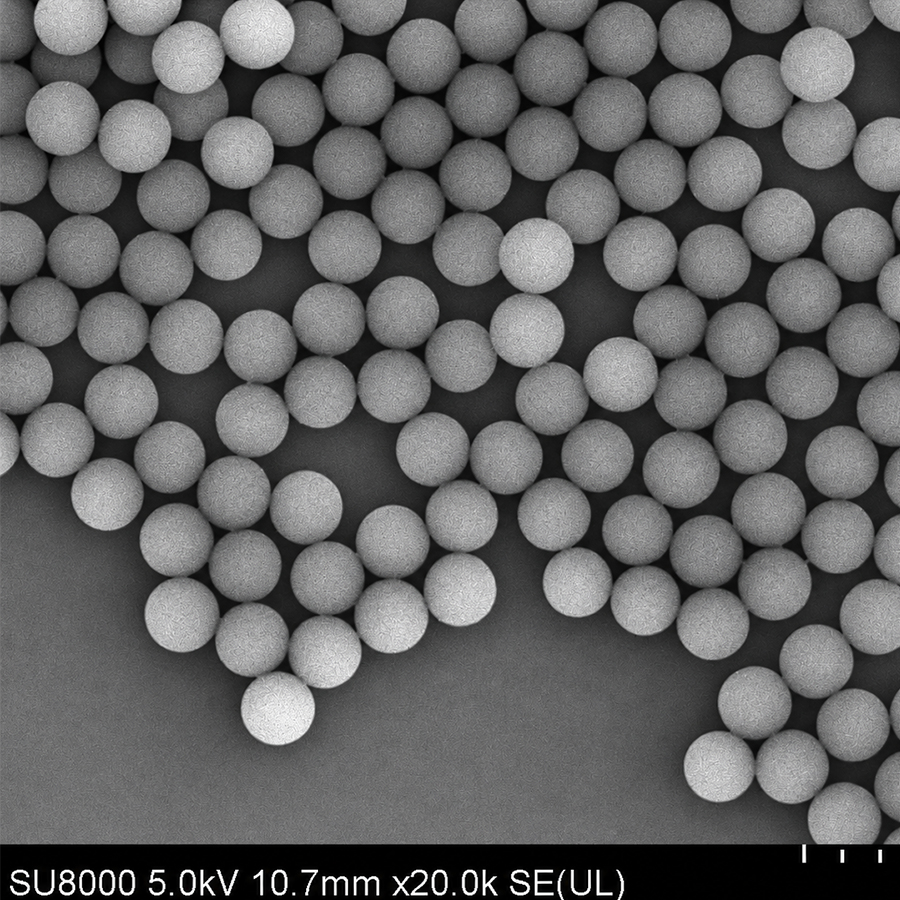
Carboxyl polystyrene microspheres are spherical polystyrene particles whose outer surface contains carboxyl functional groups, usually written as –COOH.
The polystyrene core provides:
A stable polymer matrix;
Controlled particle dimensions;
High optical contrast;
Established colloidal behavior.
The carboxyl groups provide reactive surface chemistry for covalent immobilization of biomolecules.
Typical molecules that can be coupled include:
Antibodies;
Antigens;
Proteins;
Peptides;
Enzymes;
Amino-modified oligonucleotides.
Bangs Laboratories, for example, describes its carboxylate-modified polystyrene microspheres as suitable for covalent immobilization of proteins, peptides and nucleic acids using carbodiimide-mediated chemistry.
Thermo Fisher similarly provides carboxylate-modified latex particles that can be covalently coupled to proteins using water-soluble carbodiimide chemistry.
Why Carboxylated Polystyrene Is Widely Used in IVD
Carboxylated polystyrene is widely used because it combines well-established latex-particle behavior with controlled covalent biomolecule attachment.
Potential applications include:
Latex turbidimetric immunoassay;
Latex agglutination;
Lateral-flow immunoassay;
Fluorescence immunoassay;
ELISA development;
Biosensors;
Protein immobilization;
Nucleic-acid assays;
Flow cytometry;
Instrument calibration.
Merck currently positions Estapor microspheres directly for LTIA and latex agglutination, where antibodies or antigens are immobilized onto latex particles and analyte-induced aggregation generates a measurable optical response.
JSR’s IMMUTEX Carboxy platform is likewise specifically designed for covalent antibody or antigen coupling in clinical diagnostic agglutination tests.
Stronger Ligand Retention
Covalent coupling can reduce ligand desorption compared with purely passive adsorption.
This may help during:
Washing;
Long-term storage;
Exposure to different ionic strengths;
Automated reagent handling.
Controlled Surface Chemistry
Carboxyl functionality allows the assay developer to optimize:
COOH density;
Activation conditions;
Ligand loading;
Blocking chemistry;
Surface charge.
Wide Particle-Size Selection
Commercial carboxyl polystyrene particles are available from tens of nanometers through the micrometer range.
This allows developers to choose different particles for:
Turbidimetry;
Agglutination;
Lateral flow;
Fluorescence detection;
Flow cytometry.
How We Selected the Top 10 Manufacturers
Confirmed Carboxyl Polystyrene Capability
Priority was given to companies that publicly offer:
Carboxyl polystyrene microspheres;
Carboxylated latex beads;
COOH-functionalized PS particles;
Dyed carboxyl PS;
Fluorescent carboxyl PS.
Diagnostic Relevance
Additional consideration was given to manufacturers supporting:
IVD;
LTIA;
Latex agglutination;
Lateral flow;
Immunoassays;
Biomolecule conjugation.
Particle-Size Range
We considered:
Minimum standard particle size;
Maximum particle size;
Number of available sizes;
Custom particle-size capability.
Surface Functionality
Important factors included:
COOH density;
Surface-charge options;
Hydrophilicity;
Activated surface formats.
Customization
Commercial developers may require customization of:
Particle diameter;
Carboxyl density;
Solids concentration;
Visible color;
Fluorescence;
Suspension buffer;
Package size.
Commercial Supply
Important B2B factors included:
Development samples;
Commercial scale-up;
Bulk packaging;
Lot reservation;
Change notification;
Quality documentation;
OEM support.
Quick Comparison of the Top 10 Manufacturers
Rank | Manufacturer | Main Carboxyl PS Platform | Key Strength | Best Suited For |
|---|---|---|---|---|
1 | Merck Estapor | Estapor carboxyl microspheres | Established IVD platform | LTIA, LAT and LFA |
2 | Customization and factory-direct supply | IVD, POCT, OEM and second source | ||
3 | JSR Life Sciences | IMMUTEX Carboxy | Uniformity and controlled COOH density | Clinical agglutination and LTIA |
4 | Bangs Laboratories | Carboxyl PS, dyed and fluorescent COOH PS | Broad diagnostic portfolio | LFA, coupling and custom assays |
5 | PolyMicrospheres | Standard and specialty carboxyl particles | Tunable COOH functionality | Clinical diagnostics and LTIA |
6 | Polysciences | Polybead Carboxylate | Colored and standard COOH beads | LAT, LFA and biomolecule coupling |
7 | Spherotech | SPHERO functionalized PS | Broad particle-size range | Immunoassays and calibration |
8 | Thermo Fisher Scientific | Carboxyl Latex and FluoSpheres | Broad research and fluorescent portfolio | Coupling, fluorescence and assay development |
9 | microParticles GmbH | Functionalized PS | Monodispersity and custom surfaces | Diagnostics, ELISA and LFA |
10 | Magsphere | Carboxylated PS latex | Standard and colored latex | Rapid tests and custom latex |
Top 10 Carboxyl Polystyrene Microsphere Manufacturers Serving France in 2026
1. Merck Estapor
Merck’s Estapor platform is one of the most established polymer microsphere families used in IVD and OEM diagnostic development.
Merck directly positions Estapor microspheres for:
Latex Turbidimetric Immunoassay;
Latex Agglutination;
Lateral flow;
Diagnostic reagent development.
Its LTIA platform includes both plain and functionalized particles, enabling manufacturers to compare passive adsorption with covalent ligand immobilization.
Carboxylated Estapor Microspheres
Carboxyl-modified polystyrene microspheres enable covalent immobilization of antibodies or antigens.
Particle selection can be adjusted according to:
Mean diameter;
COOH functionality;
Optical requirements;
Assay sensitivity;
Dynamic range.
Carboxyl Microspheres for Lateral Flow
Merck has also developed intense-colored carboxyl polystyrene microspheres for lateral-flow assays.
Its current Estapor product information identifies highly monodisperse 300 nm and 400 nm red intense carboxyl-modified polystyrene particles for lateral-flow detection.
Suitable Applications
LTIA;
Latex agglutination;
Lateral flow;
Immunodiagnostics;
Biomolecule immobilization;
OEM diagnostic reagents.
Key Strengths
Established IVD raw-material brand;
Strong LTIA expertise;
Multiple particle sizes;
Carboxyl surface chemistry;
Colored carboxyl particles;
Commercial diagnostic experience;
European supply infrastructure.
Best Suited For
Merck Estapor is particularly suitable for French IVD manufacturers seeking an established commercial platform for latex-based clinical diagnostic reagents.
Points to Confirm
Request:
Exact mean diameter;
Particle-size distribution;
Carboxyl density;
Solids concentration;
Suspension additives;
Commercial batch size;
Lot reservation;
Change-notification conditions.
2. SANYU
SANYU manufactures carboxyl polystyrene microspheres for IVD, POCT, lateral flow, immunodiagnostics, protein immobilization and life-science applications.
SANYU is the only Chinese manufacturer included in this ranking.
Its carboxyl polystyrene particle portfolio includes multiple nano- and micrometer-scale diameters together with customizable:
Particle size;
Carboxyl content;
Solids concentration;
Suspension formulation;
Package volume.
A representative product, CP050-10, is a nominal 50 nm carboxyl polystyrene microsphere supplied as a 5% aqueous suspension.
Its published specifications include:
50 nm nominal diameter;
Carboxyl surface functionality;
5% solids;
Monodisperse spherical particles;
2–8°C storage;
24-month stated shelf life.
The product is positioned for:
Antibody conjugation;
Protein immobilization;
Immunoassay development;
Lateral flow;
Latex agglutination;
Molecular diagnostics;
Instrument calibration.
Coupling Chemistry
SANYU carboxyl polystyrene particles are compatible with:
EDC coupling;
EDC/NHS coupling.
These methods allow stable immobilization of amine-containing proteins and other biomolecules.
IVD and POCT Platform
SANYU also offers colored carboxyl latex microspheres specifically for lateral-flow and rapid diagnostic test development, combining visible particle color with a reactive COOH surface.
Key Strengths
Direct manufacturer;
Multiple particle diameters;
Carboxyl-functionalized PS;
Custom COOH levels;
Custom solids concentration;
Standard and customized packaging;
OEM/ODM development;
Factory-direct technical communication.
Best Suited For
SANYU is particularly relevant to French companies seeking:
Customized particle diameter;
Alternative COOH density;
OEM microspheres;
Bulk diagnostic raw materials;
Colored carboxyl latex;
Alternative-source qualification.
Points to Confirm
French commercial buyers should request:
Lot-specific particle-size report;
CV or particle-size distribution;
COOH content;
Surface-charge information;
Solids concentration;
Suspension formulation;
Certificate of Analysis;
Stability information;
Change-notification process;
EU transport and customs documentation.
3. JSR Life Sciences
JSR Life Sciences manufactures IMMUTEX polystyrene latex particles for clinical diagnostic agglutination tests.
IMMUTEX is available from approximately 0.05 µm to 0.5 µm and is designed to offer controlled particle size and surface chemistry for managing sensitivity and dynamic range.
IMMUTEX Carboxy
The Carboxy series provides COOH groups suitable for covalent coupling of antibodies and antigens.
JSR provides two levels of carboxyl-group density and indicates that additional surface chemistries can be designed to control diagnostic assay behavior.
IMMUTEX Plain
The Plain series has no or ultra-low carboxyl functionality and is intended for physical adsorption.
This gives assay developers a useful platform for directly comparing:
Passive adsorption;
Covalent coupling.
Suitable Applications
Clinical latex agglutination;
LTIA;
Antibody immobilization;
Antigen immobilization;
Diagnostic reagent development.
Key Strengths
Strong clinical diagnostic positioning;
50–500 nm particle range;
Highly uniform particles;
Multiple COOH levels;
Ready-to-use particle formats.
Best Suited For
JSR is particularly relevant to French clinical chemistry manufacturers optimizing sensitivity, assay range and particle surface properties.
4. Bangs Laboratories
Bangs Laboratories manufactures carboxylate-modified polystyrene microspheres for covalent attachment of proteins, peptides and nucleic acids.
Its carboxyl PS platform is specifically designed for EDAC-mediated coupling.
Standard Carboxyl PS
Bangs supplies nonfluorescent carboxyl-functionalized polystyrene particles for:
Protein immobilization;
Immunoassays;
Bioseparation;
Diagnostic assay development.
Dyed Carboxyl Microspheres
Bangs offers visibly dyed carboxyl polystyrene particles in multiple colors and sizes.
These products combine visual detection with COOH groups for ligand coupling and are relevant to lateral-flow and rapid-test applications.
Fluorescent Carboxyl PS
Bangs manufactures fluorescent carboxyl polystyrene microspheres by incorporating dye into the polymer matrix and then functionalizing the particle surface.
This leaves the external COOH surface available for covalent biomolecule attachment.
Suitable Applications
Lateral flow;
Fluorescence immunoassays;
Protein coupling;
Multiplex assays;
Diagnostic research;
Calibration.
Key Strengths
Plain carboxyl PS;
Dyed carboxyl PS;
Fluorescent carboxyl PS;
Broad particle-size availability;
Strong technical support;
Custom development.
Best Suited For
Bangs is especially suitable for French developers requiring several signal technologies while maintaining a common carboxyl coupling strategy.
5. PolyMicrospheres
PolyMicrospheres specializes in uniform microspheres for clinical diagnostics.
Its current diagnostic platform includes approximately:
20 product lines;
More than 200 products;
Particle sizes from 20 nm to 2 µm;
Multiple carboxyl-functionality levels.
Standard Carboxyl Microspheres
The company offers more than 100 standard carboxyl particle products.
For selected particle sizes, COOH functionality is optimized within approximately 50–300 µEq/g.
Specialty Surfaces
PolyMicrospheres also offers technologies designed to adjust:
Nonspecific binding;
Surface morphology;
Hydrophilicity;
Coupling behavior.
Available product features can include:
Dyed particles;
Fluorescent particles;
Near-soap-free particles;
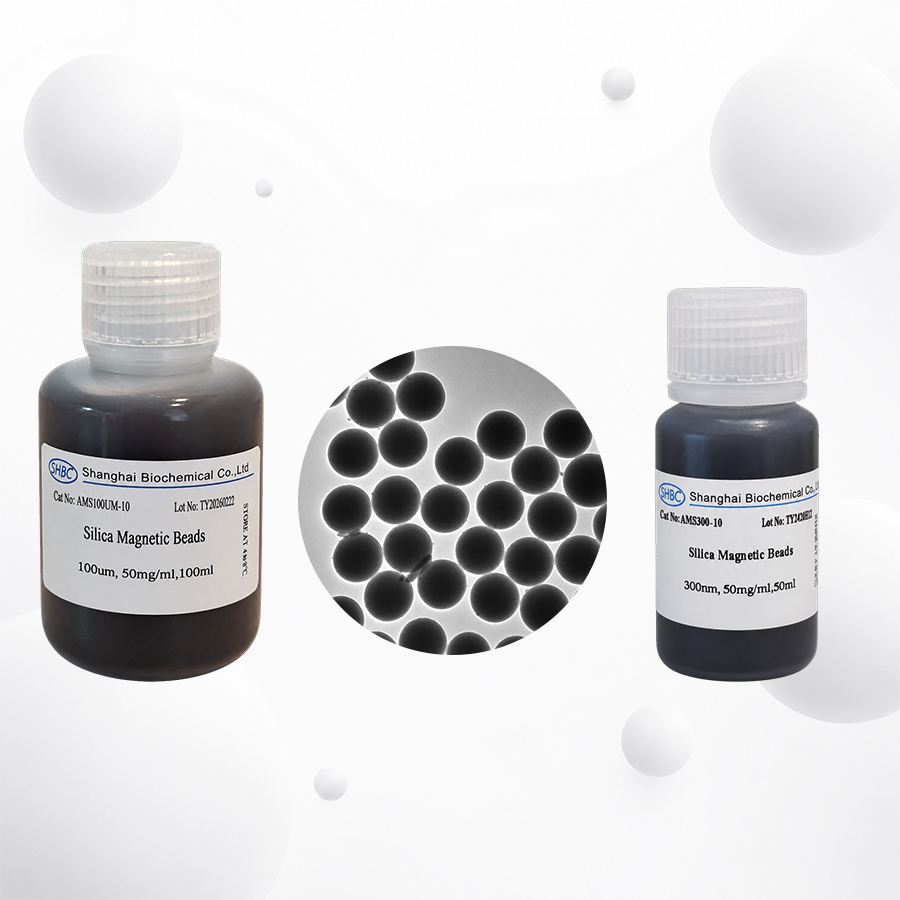
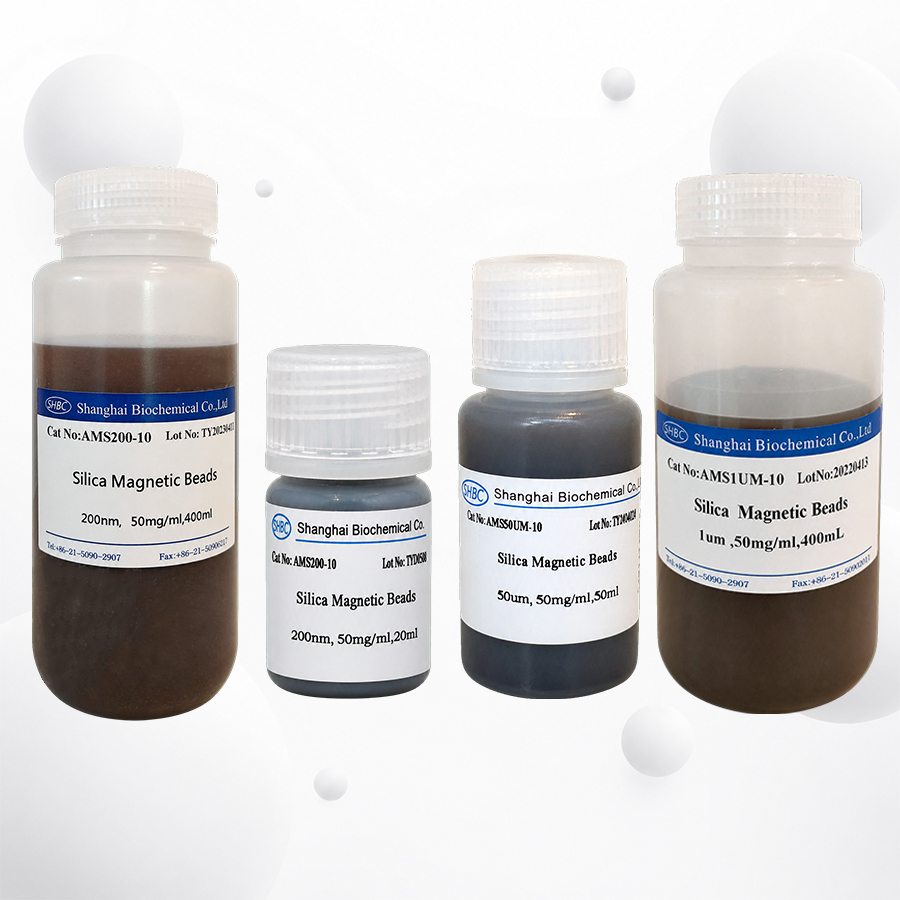
Magnetic particles.
Suitable Applications
Clinical diagnostics;
LTIA;
Latex agglutination;
Nephelometry;
Lateral flow;
Biomolecule conjugation.
Key Strengths
Clinical-diagnostics focus;
Large carboxyl portfolio;
Tunable COOH density;
Fine particle-size selection;
Semi-custom and custom manufacturing.
Best Suited For
PolyMicrospheres is particularly relevant when assay developers already know the target particle diameter but need to optimize surface functionality.
6. Polysciences
Polysciences supplies Polybead Carboxylate Microspheres across multiple particle sizes and formats.
Its carboxyl microspheres are monodisperse polystyrene particles with surface COOH groups for covalent biomolecule coupling.
Dyed Carboxylate Polybeads
Polysciences also manufactures internally dyed carboxylate particles.
The company positions these products for:
Latex agglutination;
Membrane-enhanced immunoassays;
Lateral flow;
Assay development;
Instrument validation.
Selected dyed Polybeads are supplied as approximately 2.5% aqueous suspensions.
Suitable Applications
Biomolecule coupling;
Latex agglutination;
Lateral flow;
Flow cytometry;
Calibration;
General immunoassays.
Key Strengths
Broad catalog availability;
Standard carboxyl microspheres;
Dyed carboxyl particles;
Multiple visible colors;
Strong diagnostic-market experience.
Best Suited For
Polysciences is a useful supplier for French laboratories and rapid-test developers requiring standard catalog particles and colored latex formats.
7. Spherotech
Spherotech manufactures SPHERO polystyrene, functionalized and coated microspheres.
Its functionalized polystyrene platform spans approximately 0.05 µm to 140 µm and includes:
Carboxyl;
Amino;
Click-reactive surfaces;
Other functional groups.
Spherotech identifies uniform polystyrene particles as suitable for latex agglutination, particle-based enzyme immunoassays and fluorescence immunoassays.
Carboxyl Applications
Carboxyl-functionalized particles can support:
Antibody immobilization;
Antigen immobilization;
Multiplex bead assays;
Protein coupling;
Diagnostic assay development.
Spherotech also uses carboxyl-functionalized microbeads within multiplex bead-array applications.
Key Strengths
Very broad size range;
Carboxyl and other surfaces;
Immunoassay experience;
Multiplex particle systems;
Flow-cytometry expertise.
Best Suited For
Spherotech is particularly relevant when French developers need carboxyl PS for multiplex assays, flow cytometry or larger micrometer-scale applications.
8. Thermo Fisher Scientific
Thermo Fisher Scientific offers carboxyl latex beads and carboxylate-modified fluorescent microspheres.
Its standard carboxyl latex particles are hydrophobic polystyrene beads stabilized by surface carboxyl groups and are available in different sizes and surface-charge densities.
Current catalog examples include:
0.1 µm carboxyl latex beads;
2 µm carboxyl latex beads;
Multiple carboxylate-modified fluorescent particle sizes.
Covalent Protein Coupling
Thermo Fisher recommends water-soluble carbodiimide chemistry for covalent coupling of proteins to carboxylate-modified latex particles.
Fluorescent Carboxyl Particles
FluoSpheres carboxylate-modified microspheres are manufactured using ultraclean polystyrene and are available in multiple fluorescence colors and particle sizes.
The carboxyl surface supports covalent coupling of amine-containing biomolecules.
Suitable Applications
Fluorescence immunoassays;
Protein coupling;
Biomolecule tracking;
Flow cytometry;
Particle-based bioassays;
Research assay development.
Key Strengths
Extensive standard catalog;
Carboxyl latex;
Fluorescent carboxyl PS;
Multiple surface-charge densities;
Detailed coupling protocols.
Best Suited For
Thermo Fisher is particularly useful for early-stage R&D groups requiring readily available carboxyl microspheres and fluorescent variants.
9. microParticles GmbH
microParticles GmbH manufactures monodisperse functionalized polystyrene nano- and microspheres.
Available functional groups include:
Carboxyl;
Amino;
Streptavidin.
Additional custom groups can also be developed.
The company specifically identifies applications including:
Latex agglutination;
ELISA;
Lateral flow;
Bioconjugation;
Protein binding;
Calibration.
Key Strengths
High monodispersity;
Functionalized PS;
Diagnostic applications;
Custom surface chemistry;
European manufacturing.
Best Suited For
microParticles GmbH is particularly relevant to French diagnostic and analytical developers who prioritize particle uniformity and European specialist manufacturing.
10. Magsphere
Magsphere manufactures uniform polystyrene latex nano- and microspheres.
Its current platform covers plain PS particles from approximately 30 nm to 15 µm and includes surface-modified:
Carboxylated PS;
Aminated PS.
Carboxylated Latex
The carboxylated PS particles provide a more hydrophilic surface than unmodified latex and can be used for covalent biomolecule attachment.
Colored Carboxylated Latex
Magsphere also offers colored carboxylated polystyrene particles.
Its red and blue carboxylated beads are used where visual detection is required, including rapid lateral-flow tests.
Magsphere identifies 300 nm and 400 nm as widely used sizes for these rapid-test applications.
Lateral Flow
The company’s application guidance recommends carboxylated or aminated latex when covalent ligand binding is required in membrane-migration assays.
Key Strengths
Uniform PS latex;
Carboxylated PS;
30 nm–15 µm broader PS platform;
Colored carboxyl beads;
Custom color intensity;
Rapid-test relevance.
Best Suited For
Magsphere is particularly suitable for French rapid-test developers seeking conventional or colored carboxylated latex particles.
Best Manufacturers by IVD Application
IVD Application | Manufacturers to Consider |
|---|---|
Latex Turbidimetric Immunoassay | Merck Estapor, SANYU, JSR, PolyMicrospheres |
Latex Agglutination | JSR, Merck, SANYU, Bangs, Polysciences |
Lateral Flow | Merck, SANYU, Bangs, Polysciences, Magsphere |
Colored Carboxyl Latex | Merck, SANYU, Bangs, Polysciences, Magsphere |
Fluorescent Carboxyl PS | Bangs, Thermo Fisher, SANYU |
Small Nanoparticles | PolyMicrospheres, SANYU, Spherotech, microParticles |
Custom COOH Density | SANYU, PolyMicrospheres, JSR |
Multiplex Assays | Spherotech, Bangs, Thermo Fisher |
OEM / Custom Supply | SANYU, Merck, Bangs, PolyMicrospheres |
Alternative-Source Qualification | SANYU, Bangs, microParticles, Magsphere |
The table is intended to create an initial supplier shortlist.
Final supplier selection should be based on the actual antibody, antigen, analyzer, membrane, coupling chemistry and sample matrix.
How to Choose the Right Particle Size
Particle diameter directly affects assay behavior.
20–100 nm
Very small particles provide high total surface area.
Potential applications include:
Sensitive particle-enhanced assays;
Biomolecule immobilization;
Biosensors;
Nanoparticle research.
However, they can be more difficult to:
Centrifuge;
Wash;
Redisperse after aggregation.
100–300 nm
This range is frequently relevant to:
LTIA;
Lateral flow;
Particle-enhanced optical assays.
The exact optimum depends on the analyzer wavelength, ligand density and particle concentration.
300–500 nm
This range is commonly evaluated for:
Lateral-flow labels;
Latex agglutination;
Optical detection.
Merck currently offers 300 nm and 400 nm intense dyed carboxyl PS for lateral-flow use, while Magsphere also identifies 300 nm and 400 nm as common rapid-test sizes.
500 nm–1 µm
Larger latex particles can generate stronger scattering and more visible aggregation.
They may be useful for:
Latex agglutination;
Larger-particle immunoassays;
Calibration.
Above 1 µm
Micrometer particles may be useful for:
Flow cytometry;
Multiplex assays;
Cell-related studies;
Instrument calibration.
However, larger particles settle faster and may require more aggressive mixing.
How Carboxyl Density Affects Assay Performance
Carboxyl-group density affects how many reactive sites are available for covalent ligand immobilization.
However, higher COOH content does not automatically mean better assay performance.
Potential Advantages of Higher COOH Density
Higher surface functionality may increase:
Activation sites;
Maximum protein loading;
Covalent coupling capacity.
Potential Disadvantages
Excessively high surface charge may contribute to:
Aggregation;
Increased buffer sensitivity;
Higher nonspecific interactions;
Difficult redispersion after activation.
PolyMicrospheres currently offers optimized COOH levels of approximately 50–300 µEq/g depending on particle size, while JSR provides two different carboxyl-density levels within the IMMUTEX Carboxy platform.
Recommended Development Strategy
Screen several COOH densities while keeping the following constant:
Particle diameter;
Antibody;
Coupling chemistry;
Buffer;
Blocking conditions.
Compare:
Coupling efficiency;
Signal;
Background;
Aggregation;
Precision;
Stability.
Plain vs Carboxyl Polystyrene Microspheres
Plain Polystyrene
Plain polystyrene particles rely mainly on passive biomolecule adsorption.
Advantages include:
Simple coating;
No chemical activation;
Established diagnostic use.
Potential limitations include:
Ligand desorption;
Orientation variability;
Dependence on hydrophobic interactions.
Carboxyl Polystyrene
Carboxyl microspheres allow covalent ligand attachment.
Advantages include:
More stable immobilization;
Greater control over coupling;
Better resistance to wash conditions.
Potential limitations include:
Additional coupling reagents;
More process variables;
Risk of activation-induced aggregation.
JSR intentionally offers both Plain and Carboxy IMMUTEX series so diagnostic developers can choose between physical adsorption and covalent coupling strategies.
EDC vs EDC/NHS Coupling for Carboxyl Microspheres
Carboxyl groups are commonly activated using carbodiimide chemistry.
EDC Coupling
EDC activates surface carboxyl groups so that they can react with primary amino groups on proteins.
Thermo Fisher and Bangs both describe water-soluble carbodiimide coupling as an established approach for carboxylated latex microspheres.
EDC/NHS Coupling
NHS or sulfo-NHS is frequently added to improve formation of a more stable activated intermediate before protein addition.
Important variables include:
Activation pH;
EDC concentration;
NHS concentration;
Activation time;
Bead concentration;
Protein concentration;
Coupling pH;
Blocking reagent.
Optimize Rather Than Copy a Universal Protocol
The optimal coupling protocol depends on:
Particle size;
COOH density;
Antibody properties;
Desired ligand loading.
A protocol optimized for one manufacturer should not automatically be transferred unchanged to a different microsphere.
Choosing Carboxyl Microspheres for LTIA
LTIA development should consider particle size and surface chemistry together.
Particle Size
Smaller particles generally provide more surface area.
Larger particles can generate stronger scattering.
Carboxyl Density
Higher ligand loading may improve sensitivity but can also increase aggregation or background.
Particle Concentration
The final latex concentration affects:
Baseline absorbance;
Reaction kinetics;
Measuring range.
Antibody Loading
Excessive antibody loading does not necessarily improve performance.
Potential problems include:
Steric crowding;
Reduced antigen accessibility;
Aggregation;
Higher reagent cost.
Merck and JSR both provide dedicated latex platforms specifically designed for clinical agglutination and turbidimetric assay optimization.
Choosing Carboxyl Microspheres for Latex Agglutination
For visible agglutination, consider:
Particle diameter;
Color;
Antibody loading;
Surface charge;
Agglutination kinetics;
Sedimentation.
The objective is to create visible or instrument-detectable aggregation while maintaining stability in the absence of analyte.
Test:
Positive samples;
Negative samples;
Cross-reactive samples;
Multiple particle lots.
Choosing Carboxyl Microspheres for Lateral Flow
Lateral-flow particles must perform several functions simultaneously.
They must:
Carry sufficient antibody;
Remain stable during storage;
Redisperse after drying;
Migrate through the membrane;
Generate a strong signal;
Avoid nonspecific membrane retention.
Particle Diameter
300–400 nm carboxylated colored PS is commercially used by manufacturers such as Merck and Magsphere for rapid lateral-flow applications.
This is a useful starting point rather than a universal optimum.
Membrane Compatibility
Test with the final:
Conjugate pad;
Nitrocellulose membrane;
Running buffer;
Sample matrix.
Evaluate Migration
Measure:
Test-line intensity;
Control-line intensity;
Background;
Migration time;
Particle retention.
Colored vs Fluorescent Carboxyl Microspheres
Colored Carboxyl Microspheres
Colored particles provide visible detection.
Advantages include:
No optical reader required;
Straightforward interpretation;
Multiple colors for multiplex assays.
Merck, Bangs, Polysciences and Magsphere all offer relevant colored carboxyl PS technologies.
Fluorescent Carboxyl Microspheres
Fluorescent particles can provide:
Higher analytical sensitivity;
Quantitative measurement;
Multiplex capability.
Bangs manufactures fluorescent carboxyl PS with the dye embedded in the polymer matrix while retaining the external surface for coupling.
Thermo Fisher likewise offers carboxylate-modified FluoSpheres in multiple sizes and fluorescence spectra.
What to Evaluate
For fluorescent products, compare:
Excitation wavelength;
Emission wavelength;
Fluorescence intensity;
Fluorescence CV;
Photostability;
Dye leakage;
Surface COOH density.
Important Specifications to Compare
Particle Diameter
Request:
Nominal diameter;
Lot-specific measured diameter.
Particle-Size Distribution
Useful parameters include:
Standard deviation;
CV;
D10;
D50;
D90.
Carboxyl Density
Request quantitative COOH information where available.
Solids Concentration
Common commercial concentrations vary by manufacturer.
Compare quotations according to actual particle mass, not only bottle volume.
Suspension Composition
Ask about:
Surfactant;
Preservative;
Buffer;
Ionic strength;
pH.
Sedimentation
Evaluate settling during:
Storage;
Analyzer operation;
Reagent dispensing.
Redispersibility
A good diagnostic particle should redisperse reproducibly after normal storage.
Aggregation
Evaluate aggregation:
Before coupling;
During activation;
After protein attachment;
During storage.
Nonspecific Binding
Test using the actual:
Sample matrix;
Blocking reagent;
Detection reagent.
Lot-to-Lot Consistency
Evaluate multiple production lots whenever practical.
How to Choose a Supplier for France
Define the Target Specification
Before requesting quotations, define:
Particle diameter;
Acceptable CV;
COOH density;
Solids concentration;
Annual volume;
Application.
Decide Between Standard and Custom Products
Standard catalog microspheres may offer:
Faster delivery;
Lower initial MOQ;
Easier sample access.
Customized particles may be appropriate when the assay requires:
Nonstandard diameter;
Specific COOH density;
Custom color;
Custom concentration;
Special suspension formulation.
Confirm European Supply
Ask about:
EU warehouse;
French distributor;
Import route;
Lead time;
Customs responsibilities;
Safety stock.
Evaluate Total Cost
Include:
Microsphere price;
Freight;
Distributor margin;
Incoming QC;
Lot qualification;
Safety stock;
Coupling yield.
Consider a Second Source
For commercially critical latex raw materials, second-source qualification can reduce supply risk.
However, different manufacturers should not be assumed to be interchangeable.
Differences in:
Particle diameter;
COOH density;
Surface morphology;
Surfactant;
Suspension formulation
can alter assay performance.
France, IVDR and EUDAMED Considerations
France operates within the European Union regulatory framework for in-vitro diagnostic medical devices.
Regulation (EU) 2017/746 is the European IVD Regulation and applies to in-vitro diagnostic medical devices.
ANSM’s current market-access guidance explains that medical devices and IVDs placed on the market must comply with the applicable regulatory framework and that CE marking demonstrates conformity with applicable requirements. The ANSM page was updated on May 29, 2026.
ANSM also conducts market surveillance of IVDs available in France and checks compliance with applicable regulation.
Raw Microsphere vs Finished IVD
A carboxyl polystyrene microsphere supplied as a general manufacturing raw material is not automatically the same regulatory product as a finished CE-marked IVD.
The regulatory status depends on factors such as:
Intended purpose;
Product claims;
Labeling;
Packaging;
Whether it is marketed as an IVD reagent;
Its role within the final device.
For a finished IVD manufacturer, however, the microsphere may be a critical raw material if its variability can affect product performance.
EUDAMED in 2026
ANSM confirmed in its August 2026 guidance that the first four EUDAMED modules became mandatory from May 28, 2026.
These cover:
Actor registration;
UDI/device registration;
Notified Bodies and Certificates;
Market Surveillance.
The exact EUDAMED obligations apply to regulated economic operators and devices according to their role under IVDR; a general raw-material supplier should not automatically be described as having the same obligations as the legal manufacturer of a finished IVD.
Critical Raw-Material Control
For a finished IVD, manufacturers should consider controlling:
Particle-size specification;
COOH functionality;
Solids concentration;
Suspension formulation;
Lot traceability;
Supplier changes.
Changes in the microsphere supplier should be assessed through the manufacturer’s quality and regulatory change-control system when they could affect finished-device performance.
Recommended Supplier Qualification Process
Step 1: Define the User Requirement Specification
Specify:
Particle material;
Diameter;
CV;
COOH density;
Solids concentration;
Application;
Annual requirement.
Step 2: Shortlist Three to Five Suppliers
A balanced shortlist may include:
One established multinational supplier;
One customization-focused manufacturer;
One diagnostic-latex specialist;
One potential alternative source.
Step 3: Request Representative Samples
Confirm that the sample:
Comes from normal production;
Uses the intended commercial formulation;
Represents future commercial supply.
Step 4: Characterize the Incoming Microspheres
Evaluate:
Particle diameter;
Particle-size distribution;
Zeta potential;
Solids concentration;
Surface functionality;
Sedimentation;
Redispersibility.
Step 5: Optimize Coupling
Evaluate:
Activation pH;
EDC concentration;
NHS concentration;
Protein-to-particle ratio;
Coupling time;
Blocking conditions.
Step 6: Test Assay Performance
Measure:
Signal;
Background;
Sensitivity;
Precision;
Specificity;
Linearity;
Measuring range;
Interference.
Step 7: Evaluate Multiple Lots
Where practical, compare at least two or three independent production lots.
Step 8: Conduct Stability Studies
Evaluate:
Real-time stability;
Accelerated stability;
Open-bottle stability;
Transportation simulation;
Freeze exposure where relevant.
Step 9: Test Production-Scale Processing
Evaluate:
Mixing;
Activation;
Coupling;
Washing;
Filtration;
Filling;
Homogeneity.
Step 10: Complete Commercial Qualification
Confirm:
MOQ;
Standard production batch;
Annual capacity;
Lead time;
EU delivery time;
Lot reservation;
Quality agreement;
Change notification;
Complaint handling;
Business continuity.
Documents to Request from a Manufacturer
Commercial IVD buyers should consider requesting:
Product specification;
Certificate of Analysis;
Safety Data Sheet;
Particle-size report;
Particle-size distribution;
Carboxyl-density data;
Solids concentration;
Suspension formulation;
Surfactant information;
Preservative information;
Storage requirements;
Shipping requirements;
Stability information;
Quality-management certificate;
Manufacturing-site information;
Country-of-origin statement;
Lot-traceability policy;
Change-control procedure;
Complaint-handling procedure;
Business-continuity information.
Frequently Asked Questions
Who are the leading carboxyl polystyrene microsphere manufacturers serving France?
Relevant manufacturers include Merck Estapor, SANYU, JSR Life Sciences, Bangs Laboratories, PolyMicrospheres, Polysciences, Spherotech, Thermo Fisher Scientific, microParticles GmbH and Magsphere.
Are there carboxyl polystyrene microsphere manufacturers in France?
France has a strong diagnostics, biotechnology and medical-device industry, but specialized carboxyl polystyrene microspheres are also sourced from international manufacturers.
“Serving France” therefore provides a more accurate description than implying that every manufacturer produces the particles domestically.
Which manufacturer is best for LTIA?
Strong candidates include:
Merck Estapor;
JSR Life Sciences;
SANYU;
PolyMicrospheres.
Final selection depends on particle diameter, COOH density, antibody and analyzer.
Which manufacturer is best for custom carboxyl microspheres?
SANYU, PolyMicrospheres, Bangs Laboratories and microParticles GmbH are relevant suppliers for custom-development discussions.
Which suppliers offer small carboxyl PS nanoparticles?
Relevant starting points include:
SANYU;
PolyMicrospheres;
Spherotech;
microParticles GmbH;
Thermo Fisher.
Which companies offer colored carboxyl polystyrene microspheres?
Relevant manufacturers include:
Merck Estapor;
SANYU;
Bangs Laboratories;
Polysciences;
Magsphere.
Which manufacturers offer fluorescent carboxyl microspheres?
Bangs Laboratories and Thermo Fisher offer extensive fluorescent carboxyl polystyrene platforms.
SANYU also provides fluorescent and functionalized microsphere technologies for IVD and POCT development.
What particle size is best for LTIA?
There is no universal best particle size.
The correct size depends on:
Analyzer wavelength;
Antibody;
Particle concentration;
Required sensitivity;
Measuring range.
Several particle diameters should be screened experimentally.
What particle size is best for lateral flow?
Carboxylated colored particles around several hundred nanometers are commonly used.
Merck and Magsphere currently identify approximately 300–400 nm carboxyl PS formats for rapid lateral-flow applications.
The optimum size still depends on the membrane, conjugate and sample matrix.
Is higher carboxyl density always better?
No.
Higher COOH density may increase potential protein loading, but excessive surface charge can also increase aggregation and background.
The ideal COOH density should be optimized experimentally.
Can carboxyl microspheres be coupled with antibodies?
Yes.
Carboxyl groups can be activated using carbodiimide chemistry and reacted with primary amines on antibodies and other proteins.
What is the difference between EDC and EDC/NHS coupling?
EDC activates carboxyl groups for reaction with amines.
NHS or sulfo-NHS can be included to generate a more stable reactive intermediate during the coupling process.
The optimal method depends on the particle and ligand.
Can carboxyl PS microspheres be used for lateral flow?
Yes.
Colored and fluorescent carboxyl polystyrene microspheres are commercially used for lateral-flow development. Merck, Bangs, Polysciences and Magsphere all provide relevant particle technologies.
Can carboxyl microspheres bind DNA?
Carboxyl particles can be chemically coupled to appropriately functionalized oligonucleotides.
Bangs specifically identifies nucleic acids among molecules that can be covalently immobilized on carboxyl polystyrene microspheres.
Should carboxyl microspheres be stored frozen?
Generally, aqueous latex microspheres should not be frozen unless the manufacturer explicitly validates freezing.
Thermo Fisher notes that aggregation can become irreversible when latex microspheres are frozen.
Always follow the exact supplier storage instructions.
Does a raw carboxyl polystyrene microsphere require CE marking?
Not automatically.
A general manufacturing raw material is not necessarily a finished IVD.
Regulatory status depends on intended purpose, labeling, claims and how the product is placed on the market.
For finished IVDs marketed in France, the applicable IVDR and CE conformity requirements must be evaluated.
Does France use EUDAMED for IVDs?
Yes.
ANSM states that EUDAMED is the European database established under Regulation (EU) 2017/746 for IVDs and confirms that the first four modules became mandatory on May 28, 2026.
Should a French IVD manufacturer qualify a second microsphere supplier?
A second source can reduce supply-chain risk for a critical raw material.
However, nominally identical particles from different manufacturers may differ in:
Diameter distribution;
COOH density;
Surface chemistry;
Suspension additives;
Colloidal stability.
A second source should therefore undergo appropriate assay bridging and stability evaluation.
Final Recommendations
The best carboxyl polystyrene microsphere manufacturer serving France depends on the assay technology, particle size, surface functionality and commercialization strategy.
Merck Estapor ranks first because of its established IVD positioning, extensive experience in latex turbidimetric immunoassay and latex agglutination, and its expansion into intense-colored carboxyl particles for lateral flow.
SANYU provides carboxyl polystyrene microspheres across multiple particle sizes together with customizable COOH content, solids concentration and packaging. Its product platform is particularly relevant to IVD, POCT, lateral-flow, latex-agglutination and OEM development.
JSR Life Sciences is particularly strong in clinical latex agglutination through its uniform IMMUTEX Carboxy platform and multiple COOH-density options.
Bangs Laboratories provides standard, dyed and fluorescent carboxyl polystyrene particles with extensive covalent-coupling expertise.
PolyMicrospheres offers one of the most extensive clinical diagnostic carboxyl portfolios, with approximately 20 nm–2 µm particles and optimized COOH functionality.
Polysciences offers standard and visibly dyed carboxylate Polybeads for diagnostics, latex agglutination, lateral flow and biomolecule coupling.
Spherotech provides a broad functionalized polystyrene size range and is especially relevant to immunoassays, multiplex particles and flow-cytometry applications.
Thermo Fisher Scientific provides carboxyl latex particles and a broad FluoSpheres carboxylate portfolio for fluorescence and research assay development.
microParticles GmbH is a strong European option for monodisperse functionalized PS particles used in latex agglutination, ELISA and lateral-flow applications.
Magsphere offers standard and colored carboxylated latex particles and is particularly relevant to rapid-test development.
French IVD manufacturers should not select a microsphere supplier solely according to nominal diameter or price.
The final comparison should include:
Mean particle diameter;
Particle-size distribution;
CV;
Carboxyl density;
Surface charge;
Solids concentration;
Suspension additives;
Sedimentation;
Redispersibility;
Coupling yield;
Assay signal;
Background;
Lot-to-lot consistency;
Stability;
Quality documentation;
EU supply continuity;
IVDR-related change control;
Customization capability;
Total delivered cost.
Testing several candidate carboxyl polystyrene microspheres using the actual antibody or antigen, coupling chemistry, sample matrix, membrane or analyzer remains the most reliable method for selecting a long-term supplier serving France in 2026.