Product Overview
SHBC Butyl TopHIC 4FF is a fast-flow hydrophobic interaction chromatography media designed for separation and purification of proteins, peptides and other biomolecules according to differences in surface hydrophobicity.
The media is based on 4% highly crosslinked agarose with an average particle size of approximately 90 μm and is functionalized with butyl hydrophobic ligands.
Butyl TopHIC 4FF combines fast flow characteristics, broad pH stability and moderate hydrophobic interaction strength, making it suitable for process development and scale-up purification workflows.
Key Features
90 μm average particle size
4% highly crosslinked agarose matrix
Butyl hydrophobic ligand
Fast-flow HIC chromatography media
≈26 mg/mL HSA dynamic binding capacity
Recommended flow rate: 60–150 cm/h
Pressure resistance: 0.3 MPa
Working pH range: 3–13
CIP pH range: 2–14
Suitable for protein and peptide purification
Good physical and chemical stability
Suitable for process-scale chromatography
Technical Specifications
Parameter | Specification |
|---|
Product Name | Butyl TopHIC 4FF |
Brand | SHBC |
Product Type | Fast Flow Hydrophobic Interaction Chromatography Media |
Matrix | 4% Highly Crosslinked Agarose |
Ligand | Butyl |
Chromatography Mode | Hydrophobic Interaction Chromatography |
Average Particle Size | 90 μm |
Dynamic Binding Capacity | ≈26 mg/mL (Human Serum Albumin) |
Recommended Flow Rate | 60–150 cm/h |
Pressure Resistance | 0.3 MPa |
Working pH Range | 3–13 |
CIP pH Range | 2–14 |
Package | 25 mL / 100 mL / 300 mL / 1 L / 5 L / 10 L / 20 L |
SHBC Art.No. | Packaging Specification |
A3001 | 25 mL |
A3002 | 100 mL |
A3003 | 300 mL |
A3004 | 1 L |
A3005 | 5 L |
A3006 | 10 L |
A3007 | 20 L |
Hydrophobic Interaction Chromatography
Hydrophobic interaction chromatography separates biomolecules according to differences in their surface hydrophobicity.
Under relatively high salt conditions, hydrophobic interactions between exposed hydrophobic regions of proteins and the hydrophobic ligand on the chromatography media are enhanced.
As the salt concentration is gradually reduced, bound molecules are eluted according to differences in hydrophobic interaction strength.
The supplier describes HIC as a process based on high-salt loading and low-salt elution, making it highly complementary to ion exchange chromatography.
Butyl Hydrophobic Ligand
Butyl TopHIC 4FF uses a butyl ligand, providing hydrophobic selectivity different from phenyl- and octyl-based chromatography media.
The butyl ligand provides a practical balance of hydrophobic interaction strength and selectivity for proteins, peptides and other biomolecules.
Different HIC ligands can exhibit significantly different selectivity even when operated under similar buffer conditions, so ligand screening is often useful during process development.
4% Highly Crosslinked Agarose Matrix
Butyl TopHIC 4FF uses a 4% highly crosslinked agarose matrix.
The FF hydrophobic chromatography platform is designed for:
Fast flow
Good mechanical stability
Low nonspecific adsorption
Reliable packed-bed operation
Process-scale purification
The average particle size is approximately 90 μm, and the specified pressure resistance is 0.3 MPa.
Dynamic Binding Capacity
Butyl TopHIC 4FF provides a reference dynamic binding capacity of:
≈26 mg/mL for Human Serum Albumin (HSA)
The actual binding behavior of a target protein can vary depending on sample composition, salt type, salt concentration, temperature, pH and target hydrophobicity.
Recommended Flow Rate
The recommended linear flow rate is:
60–150 cm/h
This provides a balance between separation performance and processing throughput for laboratory and process-scale HIC purification.
Wide pH Stability
Butyl TopHIC 4FF provides:
Working pH: 3–13
CIP pH: 2–14
The broad pH range provides flexibility for method development and cleaning-in-place procedures.
Factors Affecting HIC Separation
Hydrophobic interaction chromatography performance can be influenced by several operating parameters.
Salt Type and Concentration
High salt concentration generally promotes hydrophobic interactions and facilitates target binding.
Different salt types can produce different interaction strengths and selectivity.
pH
pH can influence protein conformation, charge distribution and exposed hydrophobic regions, which may affect HIC selectivity.
Temperature
Hydrophobic interactions generally become stronger as temperature increases.
However, excessive temperature may affect biomolecule activity or stability, so HIC purification is typically performed under controlled temperature conditions.
Applications
SHBC Butyl TopHIC 4FF can be used for:
Protein purification
Peptide purification
Recombinant protein purification
Biomolecule separation
Hydrophobic interaction chromatography
Intermediate purification
Process-scale downstream purification
Separation of proteins with different hydrophobicities
Biopharmaceutical process development
Purification workflow optimization
The supplier also provides an application example using Butyl 4FF for peptide separation and purification.
Product Advantages
Butyl TopHIC 4FF combines:
Fast-flow chromatography performance
90 μm agarose particles
Butyl hydrophobic selectivity
≈26 mg/mL HSA reference binding capacity
Broad pH stability
Good physical and chemical stability
Compatibility with high-salt loading
Low-salt elution
Suitable for scale-up purification
Different hydrophobic ligands provide different interaction strengths and selectivity.
HIC Ligand | General Characteristic |
Butyl | Moderate hydrophobic interaction and useful general selectivity |
Octyl | Different hydrophobic selectivity with longer alkyl ligand |
Phenyl | Aromatic hydrophobic interaction with adjustable ligand density |
Ligand selection should be optimized according to the hydrophobicity, stability and separation requirements of the target molecule.
Storage and Handling
Keep the chromatography media in its original container and protect it from contamination.
Before use, equilibrate the packed bed with an appropriate high-salt equilibration buffer according to the purification process.
Salt concentration, salt type, pH, sample loading, temperature, flow rate and elution conditions should be optimized according to the target biomolecule.
Frequently Asked Questions
What is Butyl TopHIC 4FF?
Butyl TopHIC 4FF is a fast-flow hydrophobic interaction chromatography media based on 4% highly crosslinked agarose and functionalized with butyl ligands.
What is the average particle size?
The average particle size is approximately 90 μm.
What ligand is used?
The hydrophobic ligand is Butyl.
What is the dynamic binding capacity?
The specified reference dynamic binding capacity is approximately 26 mg/mL for Human Serum Albumin.
What is the recommended flow rate?
The recommended flow rate is 60–150 cm/h.
What is the pressure resistance?
The specified pressure resistance is 0.3 MPa.
What is the working pH range?
The working pH range is 3–13.
What is the CIP pH range?
The CIP pH range is 2–14.
How does hydrophobic interaction chromatography work?
HIC generally uses high-salt conditions to promote binding between hydrophobic regions of biomolecules and hydrophobic ligands, followed by lower-salt conditions for elution.
Is Butyl TopHIC 4FF suitable for peptide purification?
Yes. The supplier provides an application example using Butyl 4FF for peptide separation and purification.
What package sizes are available?
SHBC offers 25 mL, 100 mL, 300 mL, 1 L, 5 L, 10 L and 20 L packages.
What are the SHBC Art.No. numbers?
The corresponding SHBC Art.No. are A3001, A3002, A3003, A3004, A3005, A3006 and A3007.
What brand is Butyl TopHIC 4FF?
Butyl TopHIC 4FF is supplied under the SHBC brand.


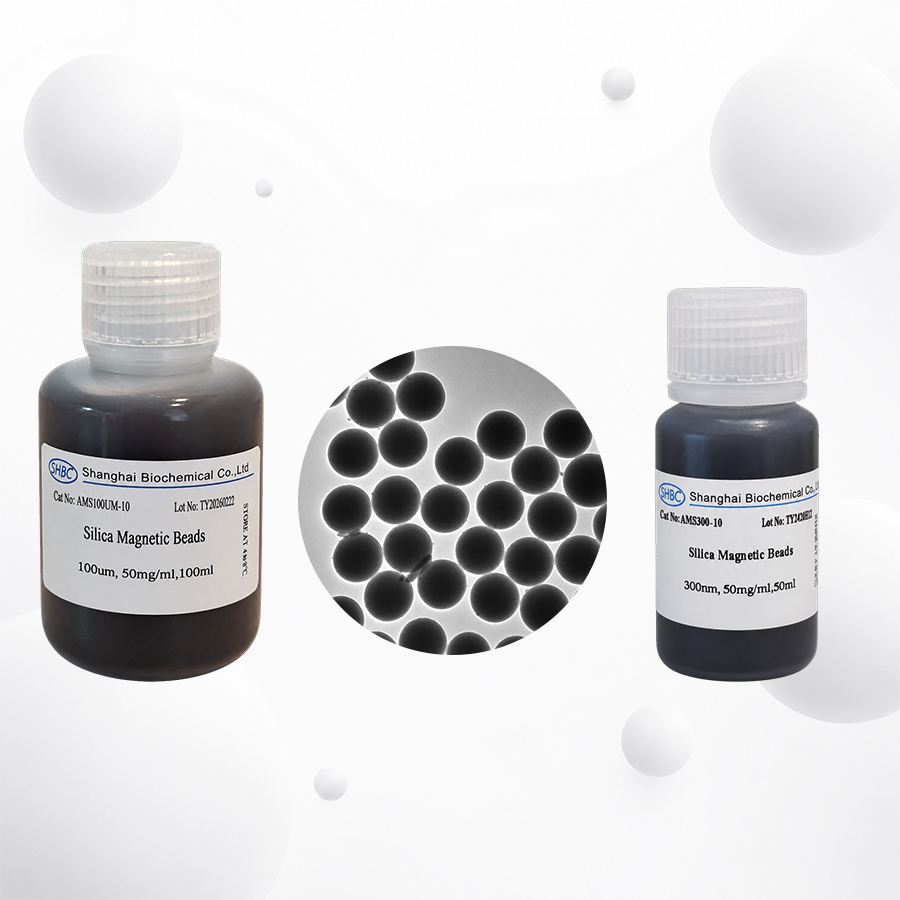 How Silica Magnetic Beads Work: Quick AnswerSilica magnetic beads extract DNA and RNA through a reversible bind–wash–elute process.First, a lysis buffer breaks open cells, viruses or other biological materials and releases nucleic acids into solution. A binding buffer containing salts—and often alco
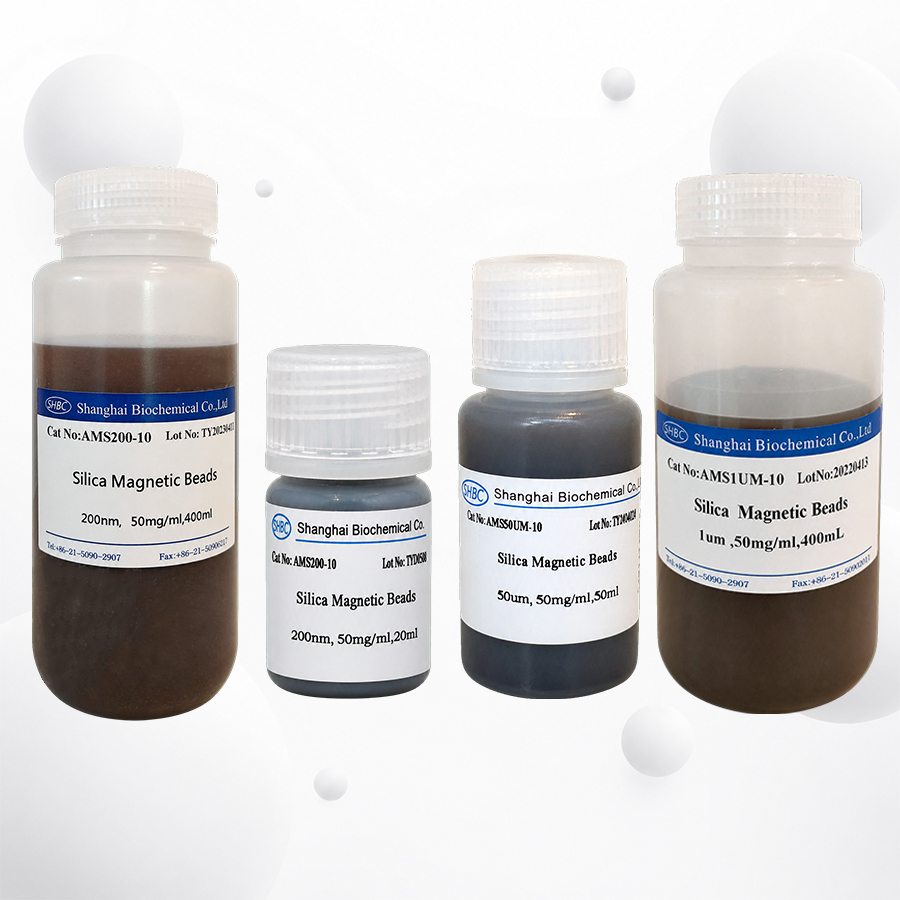 Overview of the Silica Magnetic Bead MarketSilica magnetic beads are functional magnetic particles used to extract and purify DNA or RNA from biological, clinical, food, environmental and research samples.A typical bead contains a magnetic core and a silica or silica-like outer surface. Under suitab
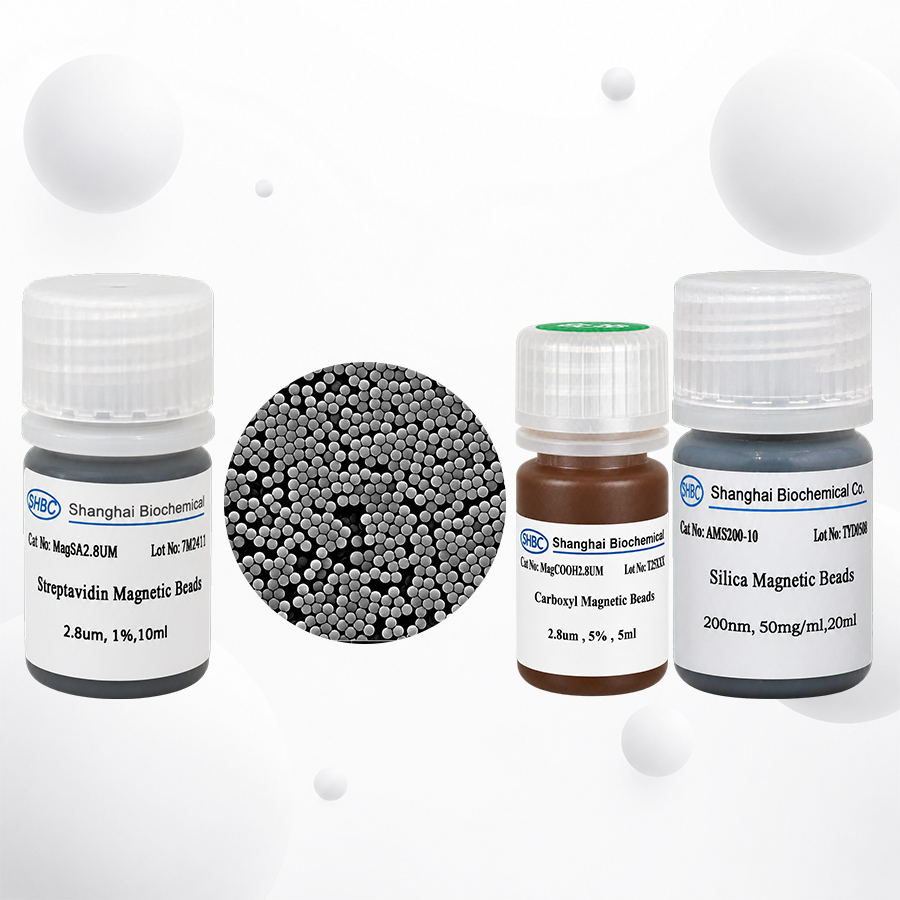 How to Choose Silica Magnetic Beads: Quick AnswerChoose silica magnetic beads according to the complete extraction workflow—not according to particle diameter or catalog price alone.The correct bead must match:The target nucleic acid;The sample matrix;The expected nucleic acid concentration;The requ
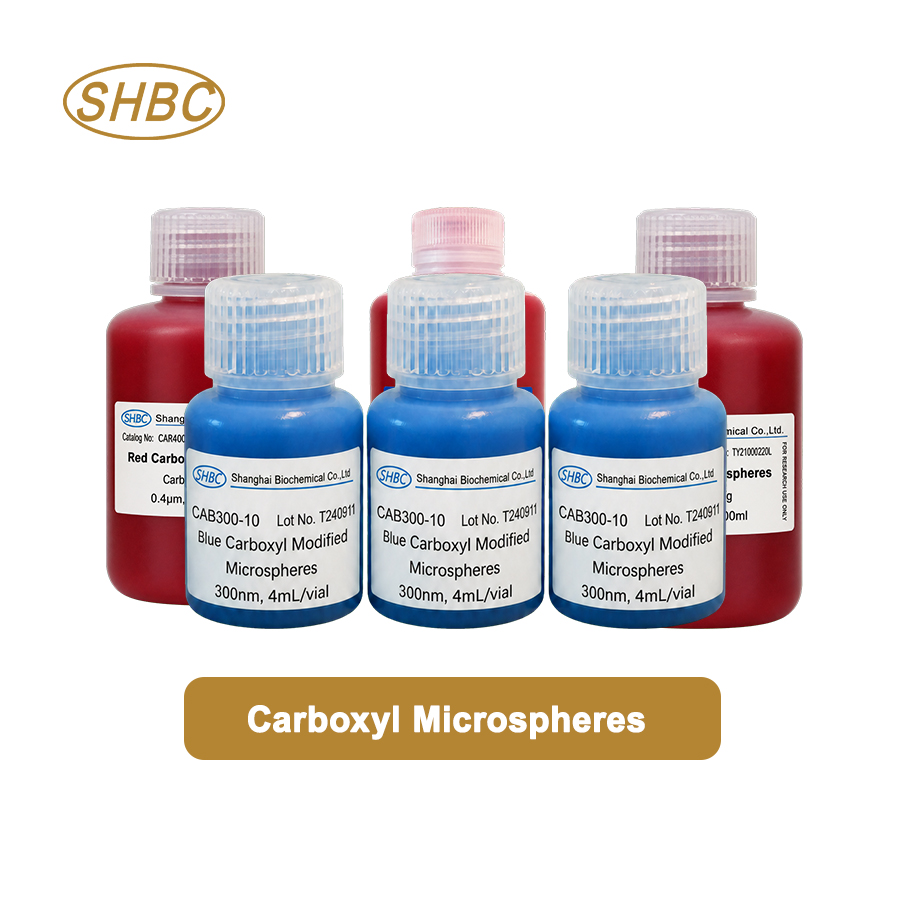 Quick Answer: Top 10 Microsphere Manufacturers Serving EuropeThe top 10 microsphere manufacturers and specialist particle suppliers serving European lateral flow assay developers in 2026 are:Merck EstaporSHBCBangs LaboratoriesPolysciencesThermo Fisher ScientificJSR Life SciencesMagsphereSpherotechmi
